


Metal Roofing · South Florida
Choose the Right Metal Roof for South Florida's Weather
Compare panel profiles, metal types and finishes, and see how each choice fits your home, your budget and the heat, humidity and storms of the region.
By Jonathan Rodriguez · Published October 20, 2026
What type of metal roofing is best for Florida? The answer changes with the home. Florida’s sun, humidity, salt air, and wind decide which panel, metal, and finish will hold up on your roof.
The Florida Building Code governs how metal roofs are designed, built, and repaired. This guide explains the main options in plain terms.
How Florida’s climate shapes the choice of metal roofing
Florida’s climate narrows metal roofing choices more than any single product does. Intense sun and heat affect the finish. Heavy rain tests the seams. Salt air near the coast works on the metal itself, and hurricane winds test the whole system.
Wind performance is a major concern. The IBHS Hurricane Ian roof assessment examines roof cover performance in Southwest Florida after Hurricane Ian in 2022.
Florida law adds a approval step. Roofing is one of the product categories that needs statewide approval. Under Fla. Stat. § 553.842(5), a product may not be advertised, sold, offered, provided, distributed, or marketed as hurricane, windstorm, or impact protection from wind-borne debris unless it is approved under § 553.842 or s. 553.8425. Anyone who does so without that approval is subject to the Florida Deceptive and Unfair Trade Practices Act. See Fla. Stat. § 553.842.
In Miami-Dade, local records add detail. The Miami-Dade County Product Control notice of acceptance for a specific metal panel product records its evaluation for Florida Building Code compliance, including High Velocity Hurricane Zone provisions. For homes in Miami, Kendall, and other South Florida cities, that approval history is worth confirming for the exact product.
If storm damage or an aging roof has you weighing metal, our team offers a free, confidential initial consultation with no obligation to continue. Talk it through with our team — the first consultation is free, confidential, and carries no obligation.
Standing seam versus corrugated (5V) panels
Standing seam panels have raised, interlocking seams with concealed fasteners. That gives them a smooth, modern profile. They often suit contemporary designs.
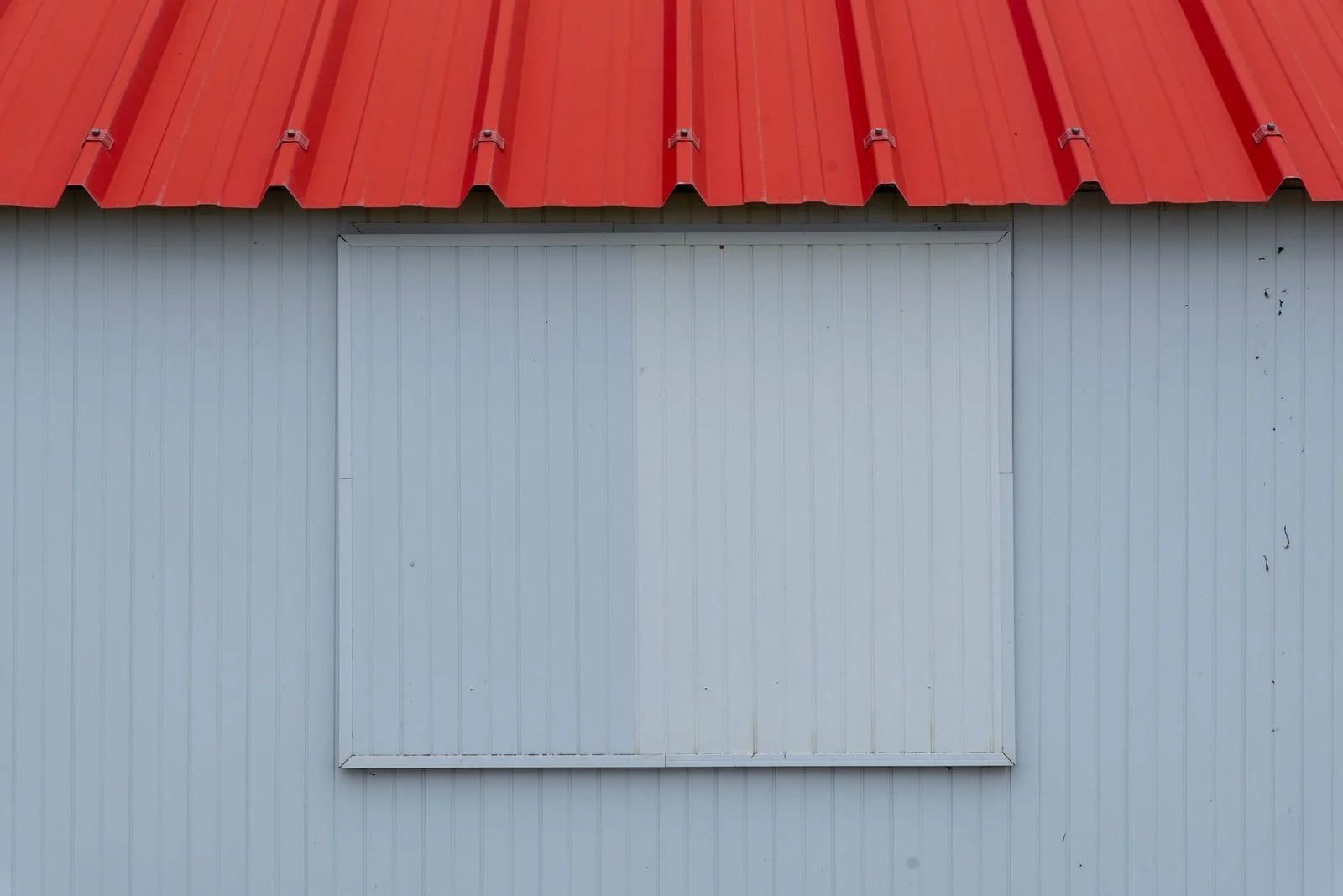
Corrugated and 5V panels have a ribbed profile with exposed fasteners. They look more traditional and are common on agricultural, commercial, and many residential roofs. Some homeowners choose them for that classic look.
Both styles shed water through their panel shape. How well either one performs in rain and wind depends on seam quality, fastener placement, and installation. A panel’s name matters less than how well it is installed.
Stone-coated steel and metal tile panels
Stone-coated steel panels are steel with a granule-coated surface. The coating is designed to mimic clay or concrete tile. These panels offer a tile look without the full weight of traditional tile.
Tile-style roofs remain popular across South Florida. Miami-Dade records show that Miami-Dade County Product Control documentation is available for review.
The tradeoff is that the look is closer to tile, but the details still matter. Installation instructions and the structure’s ability to carry the panel’s weight should be reviewed for each home. A tile-look metal roof is not a one-size-fits-all fit.
Aluminum, Galvalume, and copper: corrosion and salt air
Near the coast, the metal itself becomes a key decision. Aluminum is lightweight and naturally resists corrosion. That makes it a common choice for homes exposed to salt air.
Galvalume is steel coated with an aluminum-zinc alloy. The coating protects the steel base underneath. Copper is long-lasting and develops a patina, a greenish-brown surface, over time. Copper usually costs more than steel or aluminum.
Homes along the coast in cities such as Naples, Fort Myers, Fort Lauderdale, and Boca Raton face salt air most directly. For these homes, the metal’s corrosion resistance deserves as much attention as the panel style.
Gauge: is 26 or 29 gauge better?
Gauge is a measure of metal thickness. A lower number means thicker metal, so 26-gauge is thicker than 29-gauge. Thicker panels resist denting and flexing better.
Thinner panels weigh less and cost less to buy. Neither gauge is better on its own. The right choice depends on the panel style, the roof structure, and the wind and installation requirements for the property.
Florida rules require that products used in covered construction meet the code or its intent. See Fla. Admin. Code R. 61G20-3.004.
Finishes and coatings built for Florida sun
Reflective and heat-reducing finishes help manage roof surface temperature under Florida sun. They are one of the main tools for handling heat on a metal roof.
PVDF finishes, often called Kynar-type paint systems, are a category used for color retention and chalk resistance in high-UV climates. Chalking is a powdery residue that forms as paint breaks down.
Warranty terms and panel quality grades vary by manufacturer. The exact product on your roof sets those details. Get the warranty terms in writing before the job starts.
Not sure what your next step is?
Talk it through with our team — the first consultation is free, confidential, and carries no obligation.
Is metal a good fit for your Florida home?
Metal suits many Florida homes, especially where wind and heat are major concerns. Metal roofing is available with reflective finish options. How any metal roof performs, including in wind, depends on the specific product and how it is installed in line with code requirements. This is not a promise about any particular roof.
Weight and cost differ from shingles. The roof structure must support the panel you choose. Florida also sets a rule for partial work. For roofs that were built, replaced, or repaired in compliance with the 2007 code or later, if work that repairs, replaces, or recovers 25 percent or more of a roof section is performed, only that portion must meet the current code. See Fla. Stat. § 553.844.
Many people reach this question after storm damage, an aging shingle roof, or a home sale. Others are deciding for a family member or tenant. If that’s your situation, you’re weighing a major decision, not just a product.
Is metal a good idea in Florida?
Metal can be a strong option for many Florida homes. It is especially useful where wind and heat are major concerns.
Is standing seam or corrugated better for hurricanes?
Both styles can perform well when seams and fasteners are installed correctly. Installation matters as much as the panel name.
Can I replace only part of my roof in Florida?
Florida law covers partial work. If an existing roof was built, repaired, or replaced in compliance with the 2007 Florida Building Code or any later edition, and 25 percent or more of a roof section is repaired, replaced, or recovered, only that portion must meet the current code.
Our team offers a free, confidential initial consultation with no obligation to continue. If storm damage or an aging roof has you weighing metal, reach out through our contact page to talk through panel, metal, and finish options for your property.
Why Homeowners in South Florida Consider Metal
Built for wind and storms
Metal roofing is widely chosen in coastal areas where wind loads and storm exposure are major concerns, especially when panels and fasteners are installed correctly.
Good heat reflection
Light and reflective finishes can help reduce heat absorption, which many homeowners value in a hot, sunny climate.
Long service life
With proper installation and maintenance, metal roofs are designed to last for decades, which can reduce how often a roof needs to be replaced.
Many styles and colors
Standing seam, corrugated and tile-look profiles let you match the look of your home while keeping the benefits of metal.
Panel Styles at a Glance
Standing seam
Concealed or raised seams with clean lines and fewer exposed fasteners. A popular choice for modern and coastal homes.
Corrugated and R-panel
Ribbed profiles that are typically more economical and common on barns, outbuildings and some residential roofs.
Metal shingles and tile-look
Interlocking metal shingles that mimic the appearance of tile or slate while offering metal's durability.
Aluminum, steel and copper
Each metal has its own strength, weight and cost profile. Aluminum resists corrosion well, steel is strong and cost-effective, and copper develops a distinctive patina over time.
Installation Matters as Much as the Panel
Two roofs with the same panel can perform very differently. Fastener spacing, seam work, flashing and underlayment all affect how well a metal roof holds up in high winds and heavy rain. Ask for a written scope that covers each of these details.


