


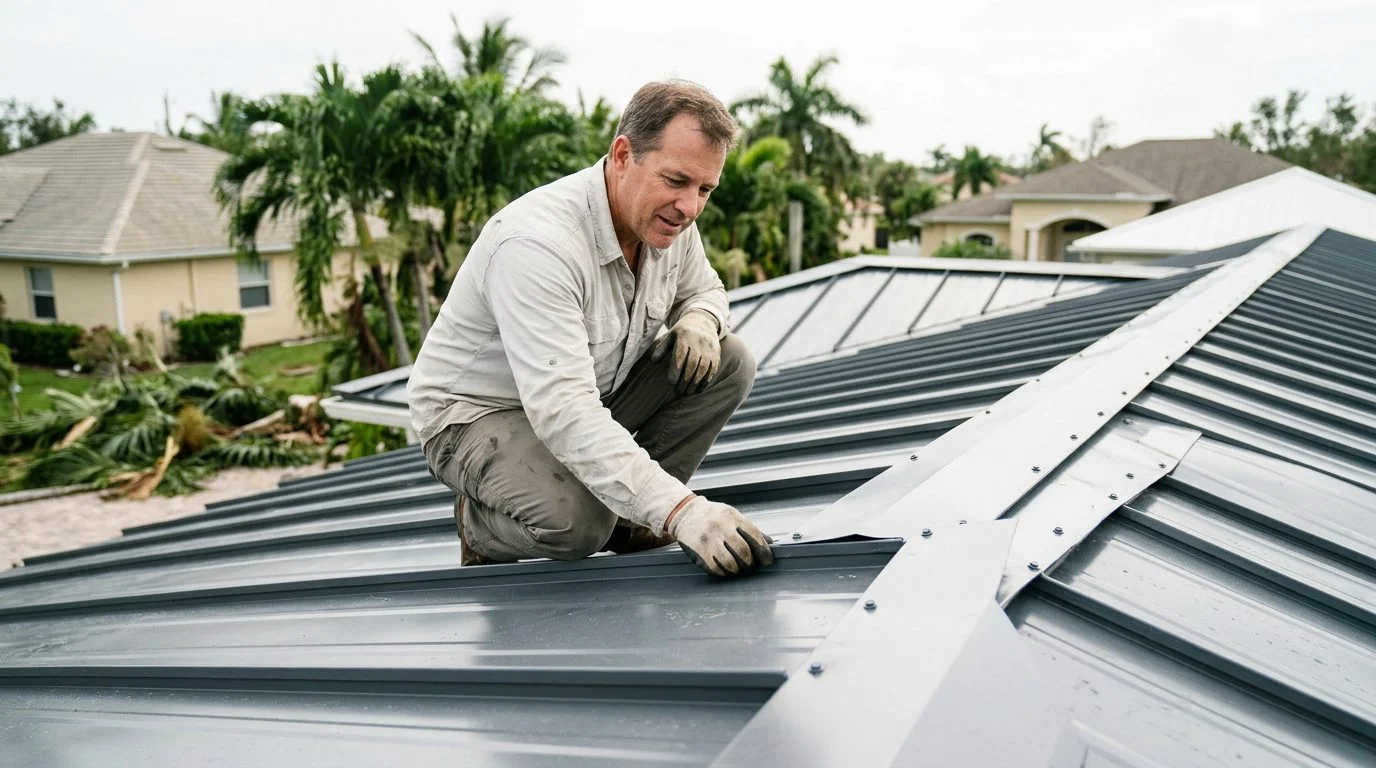
Metal Roofing · South Florida
Choose the Right Metal Roof for Your South Florida Home
Compare aluminum, coated steel, and copper, plus standing seam and exposed-fastener panels, so you can weigh corrosion resistance, coastal finishes, and wind-approved systems with confidence.
Start With a Conversation
Free
First consultation
Confidential
Every conversation
No obligation
To continue
By Jonathan Rodriguez · Published October 18, 2026
For most South Florida homes, the right metal roof uses a metal that resists corrosion, a finish made for coastal air, and a wind-approved system you can document. Aluminum, coated steel, and copper each meet those needs in different ways. This guide compares them, explains standing seam and exposed-fastener panels, and shows which approval papers to check.
If you’re reading this after a storm, an insurance inspection, or a roof that’s aging faster than you expected, you probably didn’t choose this decision. That’s common. Taking it one step at a time makes it easier.
South Florida’s climate narrows the choice
Four local stresses narrow metal roofing choices more here than in drier places. Each one works on the metal, the coating, and the fasteners.
- Salt-laden coastal air. Salt settles on metal and can speed corrosion, especially near the water.
- Heat and humidity. Daily heat moves panels, and humid air keeps surfaces damp longer.
- Intense UV. Sun slowly breaks down paint and other finishes.
- Hurricane-force wind. Wind lifts panel edges, tests fasteners, and can drive debris into the roof.
Wind performance matters for metal roofing too. After Hurricane Ian in 2022, the Insurance Institute for Business & Home Safety reported that metal roofing systems held up well in winds below 130 mph in Southwest Florida. Metal still needs the right system and proper installation.
For the broader picture, read our metal roofing guide for South Florida.
A storm, an inspection, or an aging roof can leave you weighing metal options before you feel ready, and you don't have to work through them alone. Our team at ASP Superhome is ready to talk through your home's options. Talk it through with our team — the first consultation is free, confidential, and carries no obligation.
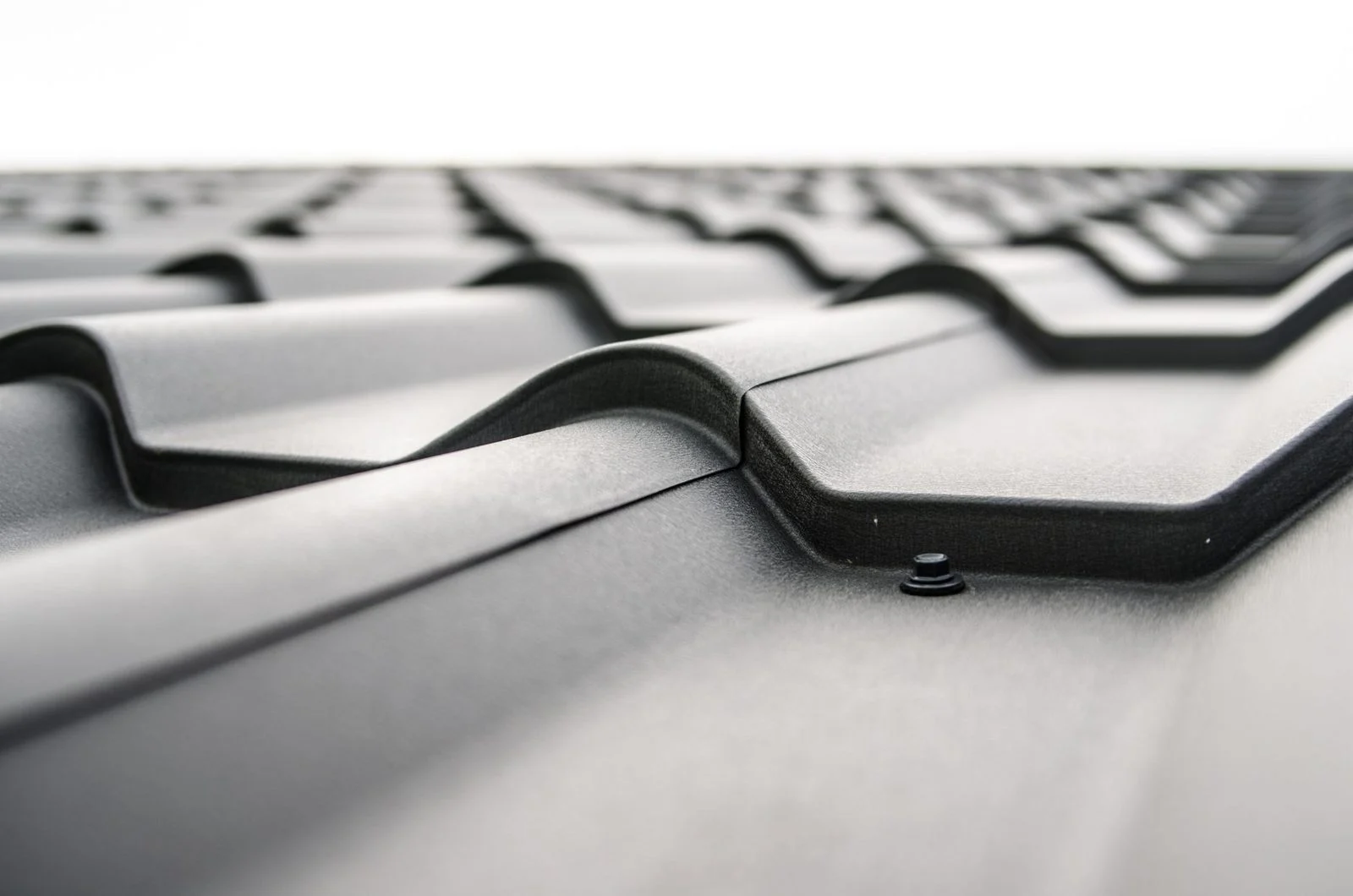
Aluminum offers strong rust resistance near the coast
Aluminum is a common choice for homes close to the water because it does not rust the way iron-based steel does. It’s lightweight, which eases the load on the roof structure.
Its tradeoff is stiffness. Aluminum is typically less rigid than steel, so panel thickness, profile, and fastening need to match the wind requirements of the specific system.
Factory finishes still matter on aluminum. Scratches and cut edges can expose the metal, so careful handling during installation helps protect the finish. Rinsing salt residue from the surface now and then is a simple habit for coastal homes.
Coated steel brings strength, and its coating does the protecting
Coated steel gives strong, stiff panels. Its protective coating determines how well it handles salt air.
Steel rusts once the coating is breached. Finished steel and aluminum panels are commonly coated at the factory through coil coating, with a typical two-coat paint system, according to the Metal Construction Association roofing guide.
Two coating families come up often. Zinc-aluminum alloy coatings are a metallic layer applied to the steel. Factory-applied paint systems add color and an extra barrier on top.
Cut edges and scratched finishes need attention. Installers should touch up exposed areas as the manufacturer instructs, and maintenance should check for scratches over time.
Copper is premium, durable, and built for appearance
Copper is a premium metal valued for its durability and for the patina it develops over time. Patina is the greenish surface that forms as copper weathers.
Designers often choose copper for distinctive architectural looks. It costs more in materials than aluminum or coated steel, so it’s rarely the default for every South Florida home. Its strongest case is a home where the look is part of the design.
For pricing context, see our metal roof cost guide.
Standing seam panels hide fasteners; exposed-fastener panels show them
Standing seam panels lock together along raised seams, while exposed-fastener panels are screwed directly through the panel face.
Standing seam hides its fasteners under the seams. That means fewer exposed screw heads for salt, sun, and wind to work on. Exposed-fastener panels show their screws, so the washers and sealing details need regular checks.
The right profile depends on the roof’s pitch, its structure, and local code requirements. Ask your installer which profile the approved system covers, so your choice stays tied to tested documents.
Check the wind approvals before you commit
Look for a Florida Product Approval or a Miami-Dade notice of acceptance for the exact roofing system you’re buying.
Florida law limits how roofing products can be sold as wind protection. Under Fla. Stat. § 553.842, a product may not be advertised, sold, or marketed as hurricane, windstorm, or impact protection from wind-borne debris unless it has been approved under that section or under § 553.8425. Under Fla. Stat. § 553.8425, products bearing a certification mark, label, or listing from an approved certification agency require no further documentation to establish compliance with the code.
Approvals don’t last forever. Under § 553.8425, an approval stays valid until the product changes in a way that lowers its performance, the code’s standards require more performance, or the approval is suspended or revoked.
Miami-Dade County’s product approval notices describe the approval procedures for roofing systems.
Storm repair projects vary, so our team can review the damage during a free first consultation, which is confidential and carries no obligation to continue.
Ask for the approval paperwork for the exact system proposed. Confirm it matches the panel profile and fastening method being installed.
Is aluminum or steel better for a metal roof in Florida?
Aluminum resists rust without a coating, while coated steel is stiffer. The right pick comes down to the home’s exposure, its structure, and the approved system.
Does salt air corrode metal roofs?
Salt air can speed corrosion on metal, especially where a coating is scratched or cut. Careful installation and protective finishes help slow that process.
How do I know a metal roof is approved for Florida wind conditions?
Ask for the Florida Product Approval or Miami-Dade notice of acceptance for the exact system. The paperwork should match the panel profile and fastening method being installed.
If a storm, an inspection, or an aging roof has you weighing metal options, you don’t have to sort through the paperwork alone. Start with a free, confidential initial consultation with no obligation to continue, and contact ASP Superhome to talk through materials and profiles for your home.
Metal Roofing Options Compared
Aluminum
Lightweight and naturally resistant to rust, aluminum is a common choice for coastal homes where salt air is a constant factor. Its finish and panel profile matter as much as the metal itself.
Coated Steel
Steel with a protective coating offers strength and a wide range of colors and profiles. The coating system determines how well it holds up to humidity, salt, and intense sun over time.
Copper
Copper is durable and develops a distinctive patina, but it is heavier and carries a higher cost. It suits certain architectural styles better than others.
Standing Seam vs. Exposed Fastener
Standing seam panels hide their fasteners beneath raised seams for a cleaner look and fewer penetration points. Exposed-fastener panels cost less to install but depend more on sealed fasteners to stay watertight.
How We Can Help
Compare Your Options
We walk you through metal types, panel styles, and finishes that fit your home, your budget, and your coastal exposure.
Review the Paperwork
We help you understand which product approval and wind-rating documents to request before you commit to a system.
Work at Your Pace
Whether your roof was damaged in a storm or is simply aging, you decide the timing and the next step.
Confidential Conversations
Your first consultation is free, confidential, and comes with no obligation to continue.
Before You Sign Anything
Ask for the product approval and wind-rating documentation for the exact panel and fastening system being installed, not just the general product line. Make sure the finish is rated for coastal conditions.


