


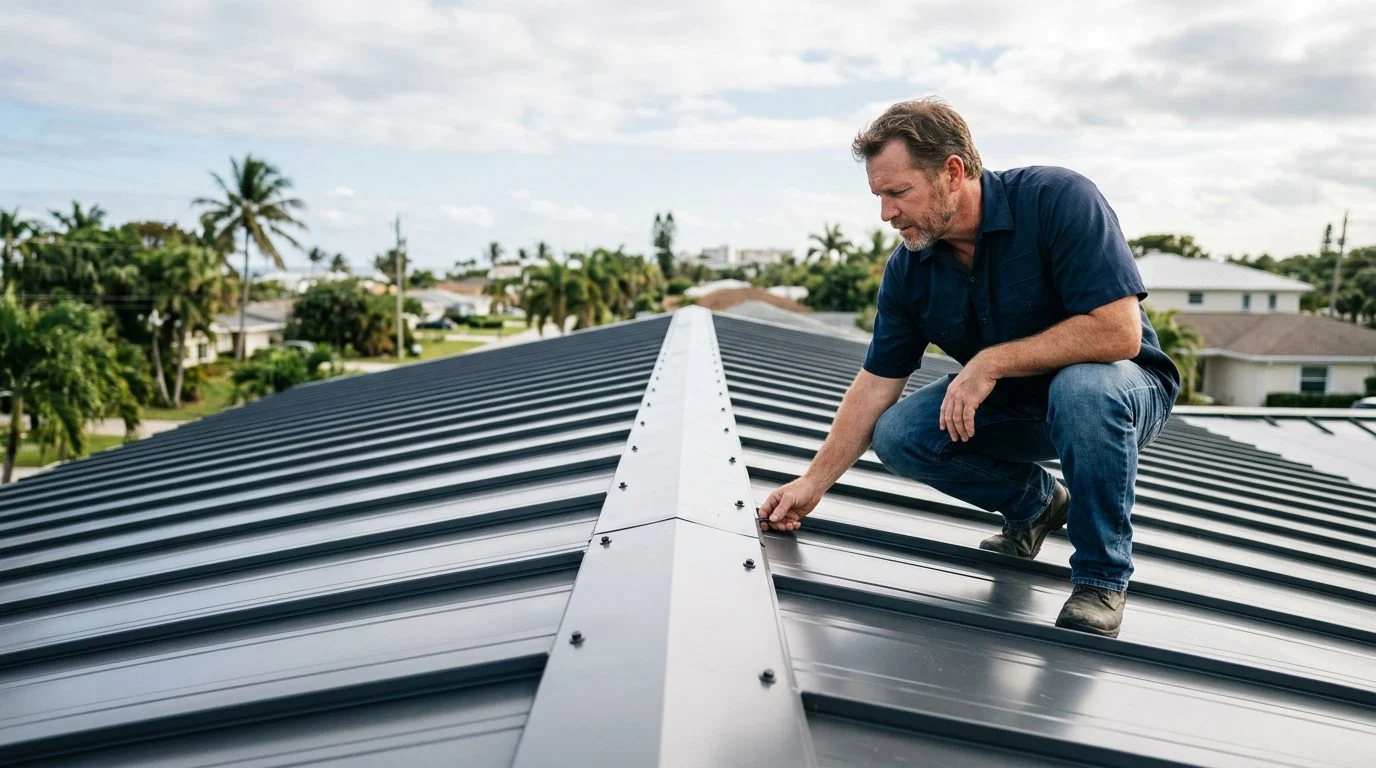
Metal Roofing & Roof Repair | Fort Lauderdale
Storm-Damaged Metal Roof in Fort Lauderdale? Get It Repaired Right.
ASP Superhome inspects storm damage to metal roofs across Fort Lauderdale and repairs the affected areas, from a single loose panel to flashing and seam damage.
By Jonathan Rodriguez · Published October 19, 2026
Metal roof storm damage repair in Fort Lauderdale means fixing the panels, seams, fasteners, and trim that wind or flying debris have loosened or broken.
Repair and replacement are different jobs, and the damage decides which one fits. This guide explains what to check after a storm, when a single panel is enough, and how permits work for South Florida homes.
What metal roof storm damage repair covers and who it’s for
Metal roof storm damage repair fixes damage that is limited to part of the roof. Full replacement covers the entire roof.
Repair fits when wind has lifted, creased, or removed some panels and the rest of the roof is still sound. Replacement fits when damage covers most of the roof.
This service is for homeowners in Fort Lauderdale and nearby South Florida cities, including Miami, Kendall, Boca Raton, West Palm Beach, Naples, and Fort Myers. If you see lifted or missing panels after wind or debris, this page is for you.
ASP Superhome offers metal roofing and roof repair, along with roof replacement, tile roofing, impact windows, impact doors, solar panels, solar battery backup, and kitchen remodeling.
Wind resistance is a core part of modern roofing rules. IBHS also observed metal roof systems performing well in Southwest Florida during Hurricane Ian findings in 2022.
Prompt inspection matters. Water can enter through a damaged panel or an open seam. A small gap can let rain reach the attic or ceiling before anyone notices the damage.
If wind has lifted panels or loosened trim on your metal roof, our team can inspect it and walk you through single-panel and section options before the next storm. Talk it through with our team — the first consultation is free, confidential, and carries no obligation.
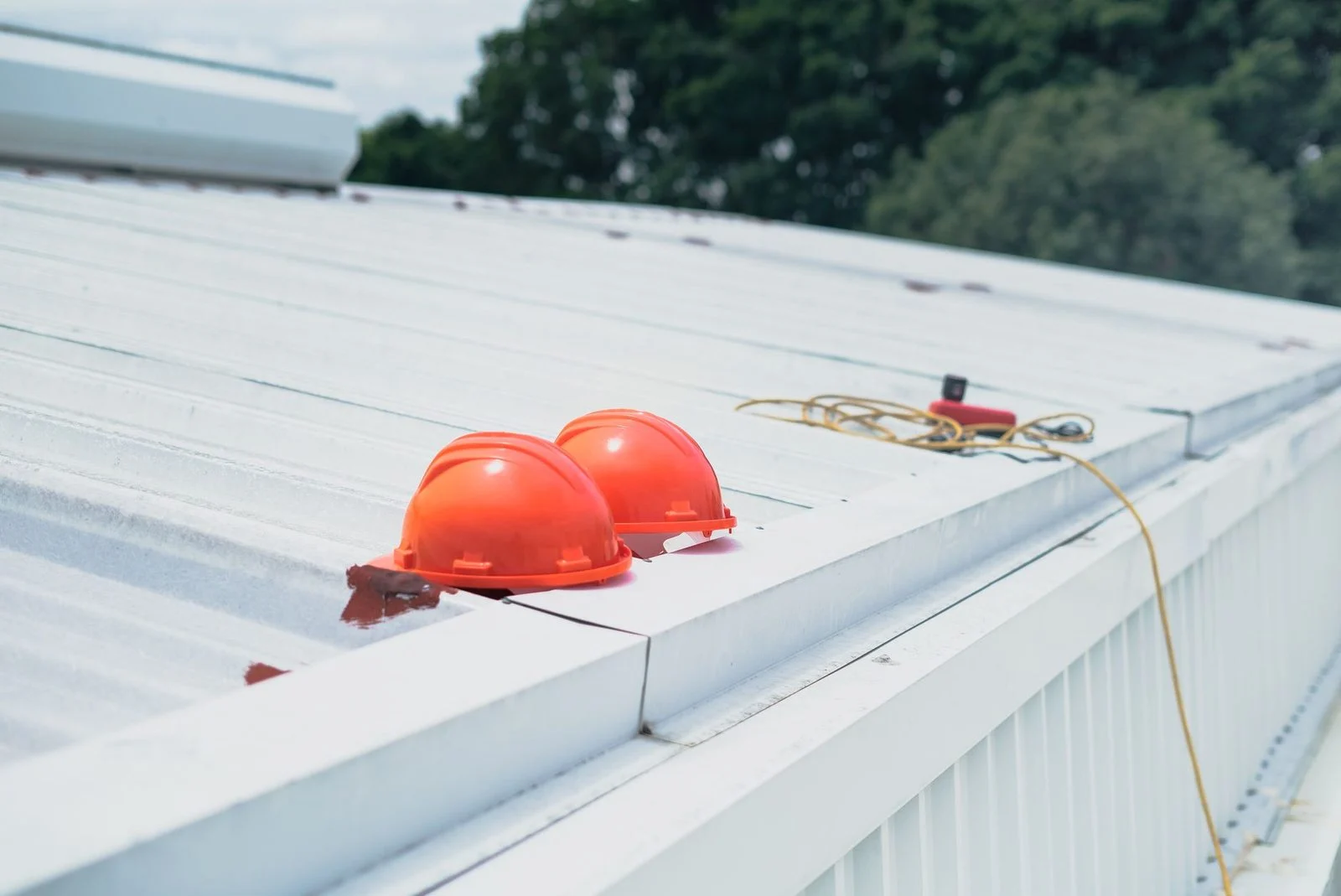
Panels, trim, and fasteners to check after a storm
After a storm, check the panels, seams, fasteners, trim, and flashing. Then look inside the home for signs of water.
- Panels: lifted, creased, dented, or cracked sections, missing panels, and seams that have pulled apart.
- Fasteners and clips: screws that have backed out or are missing, exposed fasteners, and sealant that has failed around screw heads.
- Trim and flashing: ridge caps, drip edge, gable trim, and flashing around vents, skylights, and other roof openings.
- Inside the home: water stains on ceilings or walls, and damp insulation in the attic.
Fasteners matter as much as panels. A panel is only as secure as the screws and clips that hold it. Trim and seam damage can look minor from the ground but still let water through.
Safety comes first. Photograph the damage from the ground, and do not walk on a damaged roof. Loose panels and sharp metal edges can cause serious injury or a fall.
Date your photos and note when the storm hit. A clear record helps the inspection start in the right place.
When one panel can be replaced and when a section needs work
One damaged panel can often be replaced alone when the damage is isolated and the nearby panels are sound. A single panel is usually workable when three things are true:
- The damage stays within that one panel.
- Neighboring panels and seams are sound.
- A matching profile and finish are still available.
A larger section is usually needed when several adjacent panels are damaged, when fasteners have failed across one area, or when the profile or finish no longer matches.
Color matching is often the deciding constraint on older roofs. Metal panels are commonly coated at the factory through a process called coil coating. A typical finished panel uses a two-coat paint system, according to the Metal Roofing A to Z guide.
Because the finish comes from the factory, a replacement panel must be checked against the existing one. Don’t assume it will match.
The final call comes from an on-roof inspection, not from photos alone. Each roof is different, so the right choice depends on the facts.
How Florida Building Code wind-load rules apply to repairs
The Florida Building Code sets the wind-load and roof-covering rules that a repaired roof has to meet.
Fla. Stat. § 553.73 says the Florida Building Code covers the design, construction, alteration, and repair of buildings. In practice, a repair should restore the roof to the wind resistance it was built for. That means correct fasteners, clips, and approved components.
Permits are the second rule to know. Fla. Stat. § 553.79 makes it unlawful to repair a building in Florida without first getting a permit, unless the law provides otherwise. The enforcing agency can revoke a permit if the work does not conform to the code.
The local building department handles the permit. We confirm the exact path for your address during the consultation.
Review timing also has rules. Fla. Stat. § 553.792 gives the local government 5 business days, after it receives a complete and sufficient application, to decide a roofing permit for an existing single-family home when the work is valued under $15,000 and the applicant uses a local government plans reviewer. The applicant can waive that window in writing.
What to expect from first call to finished repair
The process starts with a free consultation. It moves through inspection, a written scope, permits, repair, and a final walkthrough.
- Free initial consultation. Our first consultation is free, confidential, and comes with no obligation to continue.
- On-site inspection. We check panels, seams, fasteners, clips, trim, flashing, and the attic for signs of water.
- Written scope. You receive the repair options, including single-panel or section options where they apply.
- Permit filing. Where a permit is required, we help file it before the work is scheduled.
- Repair installation. The work focuses on fasteners, seams, and trim.
- Final inspection. We walk the roof with you, confirm the work, and clean up debris.
Most of the key decisions happen at step three. With a written scope in hand, you can choose between a single-panel fix and a section repair before any work starts.
Timing depends on the damage and the permit schedule. Weather can also shift the date.
Why homeowners choose ASP Superhome for metal roofing
ASP Superhome handles metal roofing and roof repair alongside tile roofing, roof replacement, impact windows, impact doors, solar panels, solar battery backup, and kitchen remodeling.
Storm damage often reaches beyond the roof. Wind-borne debris can also hit windows and doors. If you’re upgrading after a storm, impact windows and impact doors are worth discussing.
Our team explains the inspection findings and the repair options in plain language before any work begins. We serve Fort Lauderdale, Miami, Kendall, Boca Raton, West Palm Beach, Naples, and Fort Myers.
Metal roofing is one of several roofing options. Tile roofing and roof replacement are also available when repair is no longer the right fit. Tell us what you see, and we’ll explain which path fits your roof.
A confidential first consultation lets you weigh your repair options before you decide.
Not sure what your next step is?
Talk it through with our team — the first consultation is free, confidential, and carries no obligation.
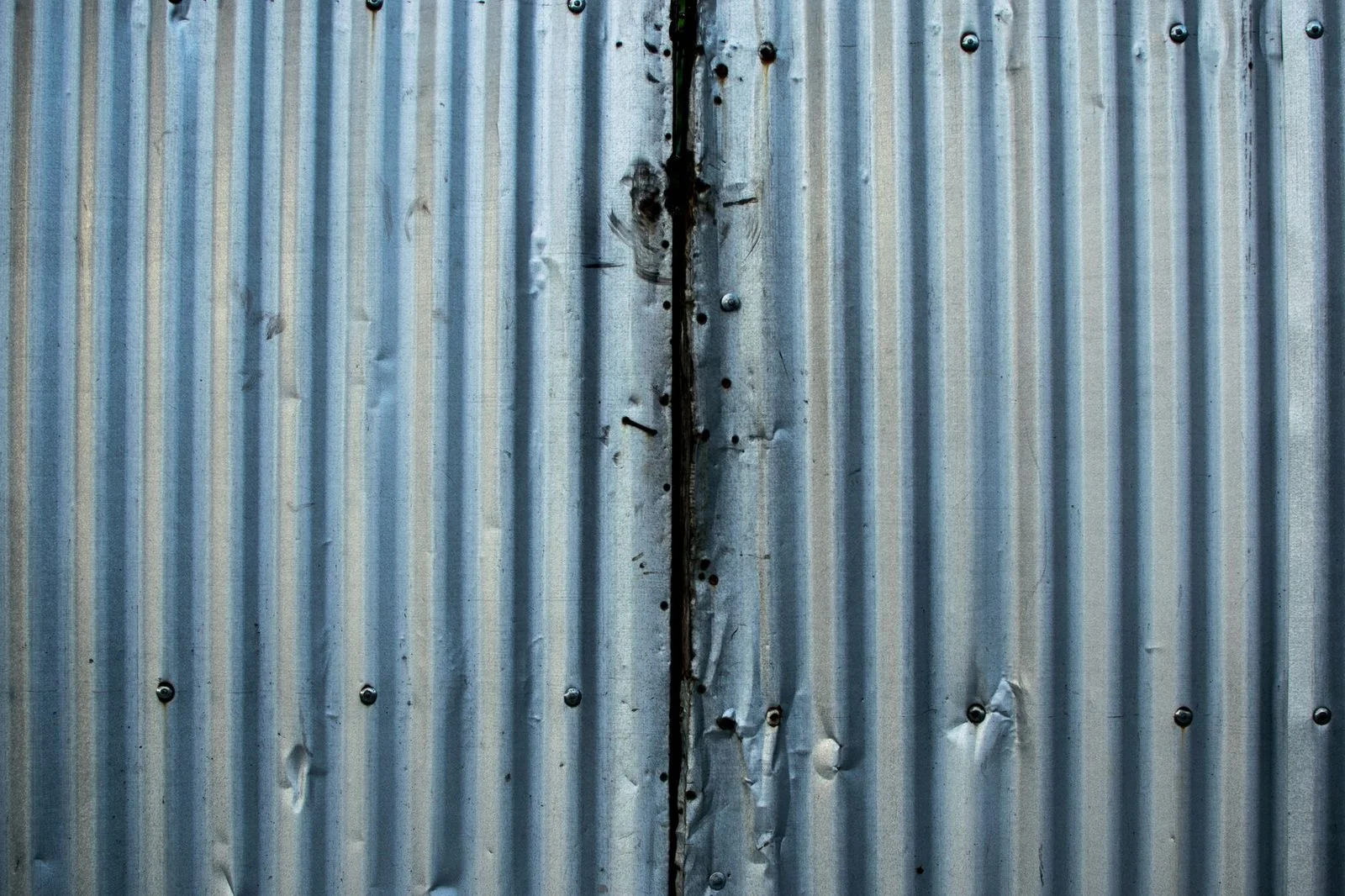
Common questions about metal roof storm repair
These answers cover the basics for a storm-damaged metal roof.
Can one damaged metal roof panel be replaced by itself?
Often yes, when the damage is limited to that panel and a matching panel is available.
Does the wind-load code apply to a repair?
Yes. The repaired area should be installed to the code that governs the roof assembly.
Should I walk on the roof after a storm?
No. Photograph the damage from the ground and request an inspection.
Why might an older metal roof not match a new panel?
Factory finishes are applied through coil coating and a two-coat paint system, so a new panel can look different from an older one.
If wind has lifted panels or loosened trim on your metal roof, our team can inspect it and walk you through single-panel and section options before the next storm. Request a quote today.
Why Fort Lauderdale Homeowners Call Us After a Storm
Built for South Florida Weather
Our work focuses on the wind, rain, and salt air that Fort Lauderdale roofs face every hurricane season.
Clear Explanation of the Damage
We show you which panels, fasteners, and flashing are affected and explain your repair options in plain language.
Repairs Matched to Your Roof
We aim to match the existing metal profile, gauge, and finish so the repaired section blends with the rest of your roof.
Written Quote
You receive a detailed written quote for the repair before any work begins.
Safety First After a Storm
Do not walk on a wet, damaged, or loose metal roof. Storm debris and bent panels can cause serious falls. Document visible damage from the ground with photos, and let a professional inspect the roof before any climbing or repair work.
Common Metal Roof Storm Repairs
Single Panel Replacement
When wind damage is limited to one panel and a matching panel is available, that panel can often be replaced on its own.
Seam and Fastener Repair
Lifted seams and loose or backed-out fasteners can let water in. We secure and seal them to restore the roof's protection.
Flashing and Trim Repair
Damaged flashing around vents, chimneys, and roof edges is often the first place leaks start. We repair or replace it promptly.
Code-Compliant Repairs
Repaired areas are installed to the code that governs the roof assembly, including wind-load requirements.


