


Metal Roofing | South Florida
The Biggest Problem With Metal Roofs Is Usually the Installation
Leaks at fasteners, seams, and flashing cause most costly roof trouble in South Florida. Here is how to tell which problems matter and which ones are mostly cosmetic.
By Jonathan Rodriguez · Published October 18, 2026
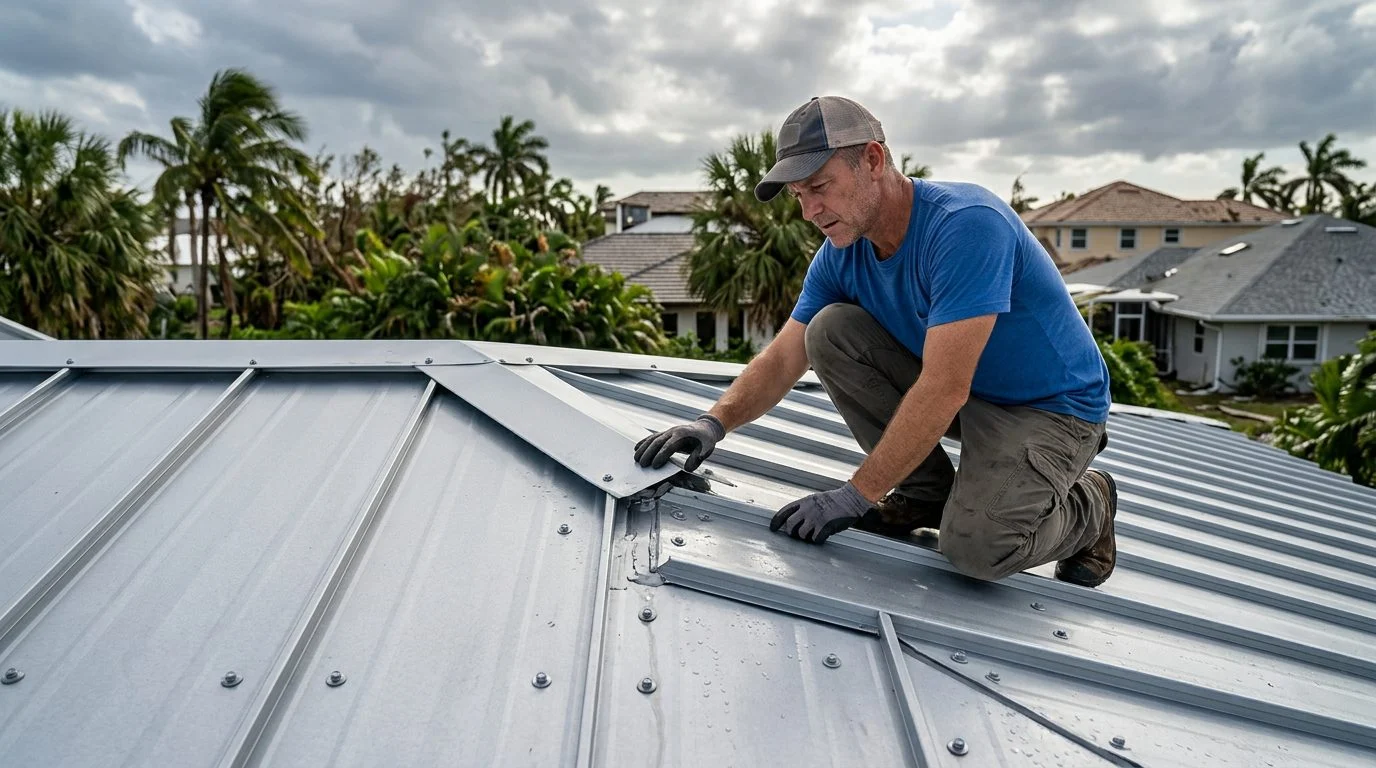
The biggest problem with metal roofs is usually the installation, not the metal. Leaks at fasteners, seams, and flashing cause most of the costly trouble. Oil canning and scratches look bad, but they rarely let water in. In South Florida, heat, humidity, salt air, and wind make installation mistakes show up sooner. This guide sorts the common problems so you can see which ones matter most.
The short answer: installation problems matter most
For most metal roofs, the biggest problem is a leak, and leaks usually trace back to how the roof was installed. The metal itself is rarely the weak point. Flashing, fasteners, seams, and underlayment decide whether water stays out.
It helps to split the common problems into two groups. Cosmetic problems change how the roof looks. Oil canning, scuffs, and hail dents fall here. Functional problems affect whether the roof keeps water out and stays attached. Leaks, corrosion, and fastener movement fall here.
Functional problems matter more. A wavy panel can still keep water out. A loose fastener or an open seam can let water in during one storm. A quality panel installed with shortcuts can still leak. So ask whether a problem is cosmetic or functional before you worry about the rest.
If a leak or a damaged panel has you worried about a roof you didn't choose, our team can talk through it with you. Talk it through with our team — the first consultation is free, confidential, and carries no obligation.
Oil canning is mainly a look problem on flat panels
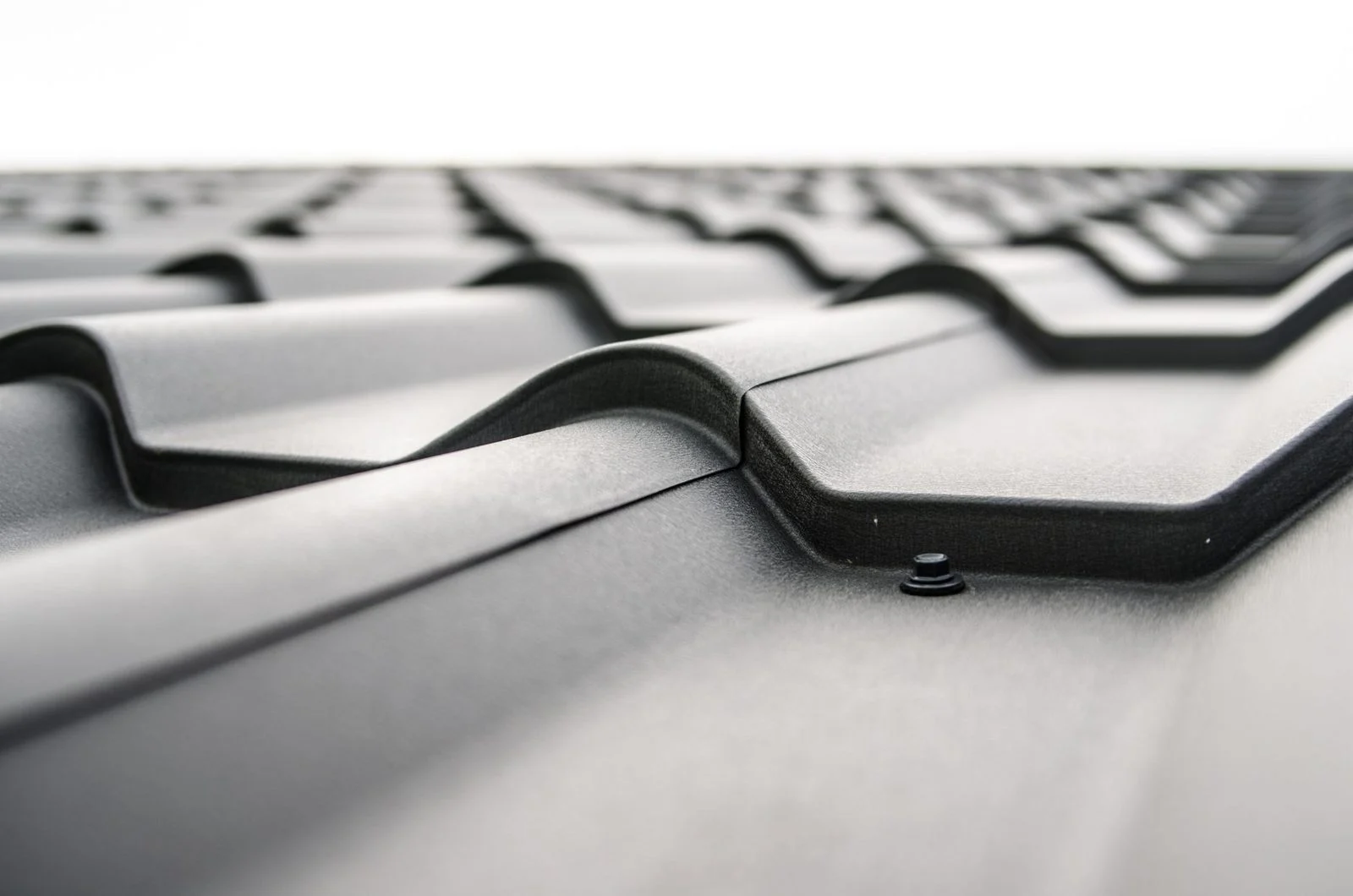
Oil canning is the wavy, drum-like look that can appear on large, flat metal panels. It is mostly cosmetic. Homeowners often notice it most in direct sun.
Several factors make it visible. Panel gauge matters, because thinner metal flexes more. Panel width matters, because wide flat pans have more room to ripple. How the metal was formed and how tightly it was fastened also play a part. Oil canning does not, by itself, mean the roof will leak.
Profile choice helps. Panels with ribs or raised seams break up large flat areas, which can make ripples less noticeable. That choice happens before the roof goes on. Our team can explain why a specific profile and gauge were picked for your roof. A clear answer shows the crew thought through the design.
Leaks start at fasteners, seams, and flashing
Most metal roof leaks start at fasteners, seams, flashing, or roof penetrations. A flat panel in the middle of the roof is rarely the source.
Exposed-fastener systems use screws with a rubber washer under the head. Over time, sun and heat can dry out or crack that washer. Sealant around the screw can also break down. A backed-out screw or a worn washer gives water a path into the roof.
Penetrations are places where pipes, vents, or chimneys pass through the roof. Flashing around these points must be formed and sealed correctly. Rushed or poorly fitted flashing is a common cause of leaks.
Florida law also covers fasteners. Under Fla. Stat. § 553.844, a roof replacement for a site-built, single-family home must include secondary water barrier techniques and strengthening or correcting roof-decking attachments and fasteners during reroofing. Florida law does not define a roofing contractor’s scope in Fla. Stat. § 553.844; that section excludes roof covering replacement or repair work associated with the prevention of degradation of the residence from the permit-triggered opening-protection requirement. Our team can walk you through the fastening details planned for your roof.
Corrosion depends on the metal, the coating, and salt air
Corrosion risk depends on three things: the base metal, its protective coating, and the environment around the roof.
The coating comes first. The Metal Construction Association’s roofing guide describes factory coil coating as the process that applies protective coatings to metal before panels are formed. It notes that finished steel and aluminum panels typically use a two-coat paint system.
Salt air makes the environment harder. Coastal homes in Miami, Fort Lauderdale, Boca Raton, Naples, and Fort Myers face salt-laden air that can wear on exposed metal and its coating.
People often use the word rust for two different things. Surface oxidation dulls or chalks the coating. Perforating rust eats through the metal and can cause leaks. Surface wear is an early sign, but perforating rust is a serious problem.
Dissimilar metals and runoff matter too. When two different metals touch, one can corrode faster. This is called galvanic corrosion. Water running off one material can also stain or wear another.
Owners reduce this risk by choosing a corrosion-resistant metal and keeping the coating intact. Ask what coating system is on the panels. Ask how cut edges and fasteners are protected.
Scratches, scuffs, and hail dents are mostly cosmetic
Scratches, scuffs, and dents are mostly cosmetic. A damaged finish can still open the door to corrosion.
Scuffs often happen during installation, when panels slide across each other or workers walk on them. Foot traffic after the job can leave marks too. Factory finishes vary in how well they hide marks, so your color and coating choice affects how visible they are.
Hail can dent metal panels. A dent changes the look of the roof. It can also crack or chip the coating at the dent. Once the coating is broken, bare metal is more exposed to moisture. How much damage a dent causes depends on the dent, so have it checked rather than assuming.
When you plan a roof, you can discuss thicker gauges and impact-rated products. Thicker metal resists denting better than thin metal. These options add cost and change the look, so raise them before the roof is installed.
Heat makes metal expand and contract, which tests fasteners
Metal expands when it heats up and contracts when it cools. The roof must allow for that movement.
In South Florida, the daily temperature swing can be large. Hot afternoons follow cooler mornings, and long stretches of direct sun add more heat. That repeated movement works on fasteners and seams that were not designed to move.
Loose fasteners and stressed seams can show up as popping or ticking sounds, visible gaps, or small leaks. Many metal roofs use clips or fastening systems that let panels shift a little. These are a design choice made during the project. If they are left out or installed wrong, the roof can stress over time. Ask your installer how the roof handles movement at the eaves, the ridge, and where panels meet walls.
Not sure what your next step is?
Talk it through with our team — the first consultation is free, confidential, and carries no obligation.
Weighing the downsides against what metal roofs do well
Metal roofs have real downsides, but many of them can be managed with the right installation.
Noise is a common concern. Rain on metal can sound loud. Much of the sound depends on the underlayment and roof decking beneath the panels, not the metal alone. Cost is the other common concern. Metal typically costs more upfront than asphalt shingles. Our metal roof cost guide covers those factors in more detail.
On the other side, durability and wind performance count. Reflective coatings can also help a metal roof stay cooler in sun.
Permits matter too.
For the wider picture, read our metal roofing guide for South Florida. Our roofing contractor license guide and roof pitch guide answer the next questions many readers ask.
Quick answers
What is the biggest problem with metal roofs? Installation quality is the most costly problem. Most leaks trace back to fasteners, seams, flashing, or penetrations.
Do metal roofs leak? They can. Leaks most often start at fasteners, seams, flashing, and roof penetrations.
Is oil canning a sign of failure? Oil canning is mainly cosmetic. It doesn’t by itself mean the roof will leak.
If you’re researching a roof for someone else, talk with ASP Superhome
If you’re researching a roof for someone else, you can talk with ASP Superhome about the specific roof before you decide anything. Maybe a tenant reported a drip after a storm. Maybe a parent can no longer climb a ladder to check the roof. Maybe you’re choosing between metal and tile under time pressure. Each of those situations depends on specifics: what failed, where, and why.
ASP Superhome offers metal roofing, tile roofing, roof repair, and roof replacement in the areas we serve. Our first consultation is free, confidential, and carries no obligation to continue.
Bring your questions, photos, or any inspection notes you already have. Then reach out through our contact page to start the conversation about your roof.
Where Metal Roof Problems Usually Start
Fasteners
Screws and fasteners that are set wrong, overdriven, or left unsealed can let water reach the decking below.
Seams and Panel Joins
Poorly aligned or improperly sealed seams give water a path under the panels, especially during heavy South Florida rain.
Flashing and Penetrations
Vents, chimneys, skylights, and roof edges depend on careful flashing. Gaps here are a common source of leaks.
Cosmetic Issues
Oil canning and small scratches affect appearance more than watertightness, though they are worth reviewing with a professional.
Watch for Early Warning Signs
Water stains on ceilings, loose or popped fasteners, lifted seams, and rust spots near penetrations are signs that the roof needs a closer look. Catching them early can keep a small issue from becoming a larger repair.
How to Protect a Metal Roof in South Florida
Insist on Careful Installation
Quality fastening, sealing, and flashing do more to prevent leaks than the metal itself. Ask how each detail will be handled.
Plan for Heat and Wind
Intense sun, humidity, salt air, and storm winds stress every connection. Installation should account for these conditions from the start.
Inspect After Storms
Check for displaced panels, lifted edges, and visible fastener problems after severe weather, and address them promptly.
Address Small Problems Early
Minor sealant failures and loose fasteners are far easier and less costly to correct than the water damage they can cause.
Not Sure What Your Metal Roof Needs? Start With a Free Consultation.
Related practice areas
- Metal Roofing in South Florida: Types, Costs & Benefits
- Tile Roof Replacement Cost for a 2000 Sq Ft House


