


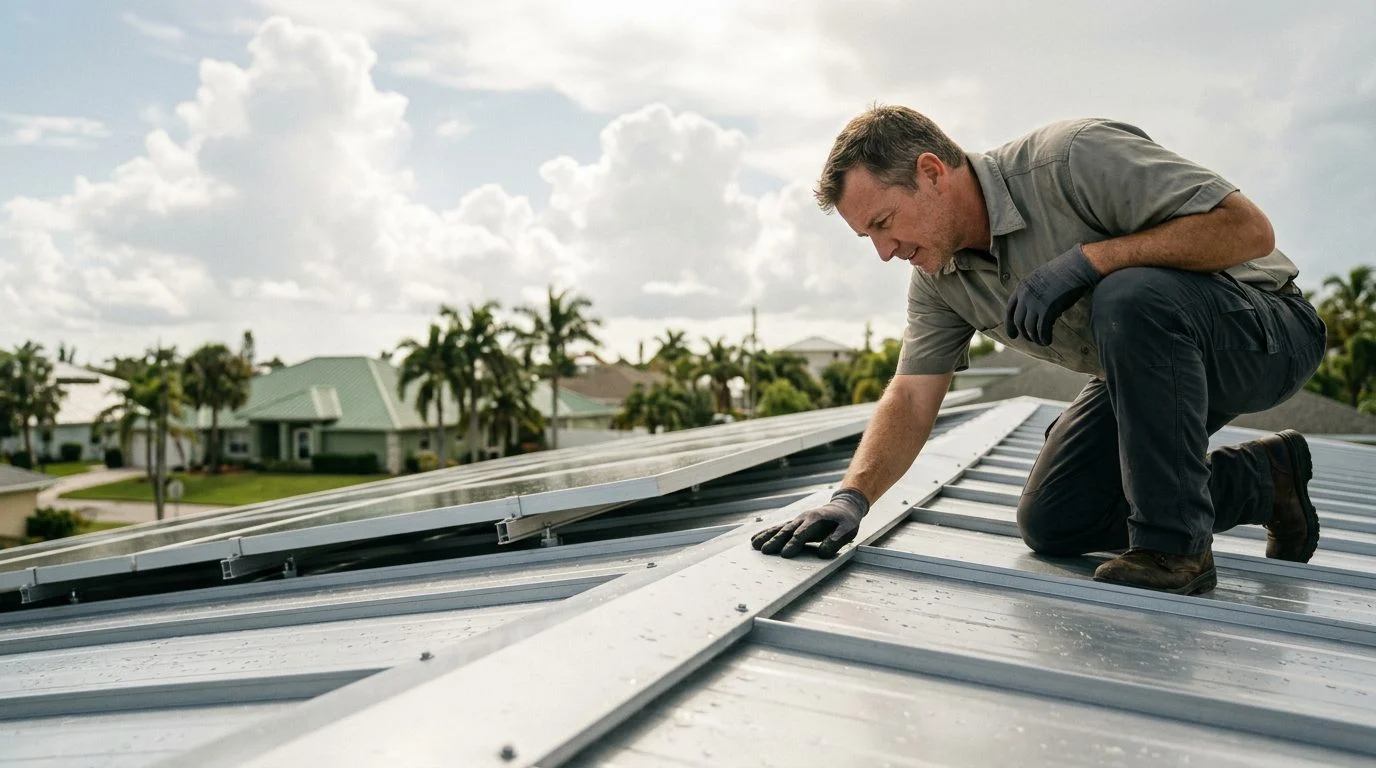
Roofing | South Florida
Metal or tile? Choose the roof that fits your home and the weather it faces
A plain-language guide to metal and tile roofing for Miami, Fort Lauderdale, West Palm Beach, Boca Raton, Naples, Fort Myers and nearby communities.
Start with a free first consultation
Free
First consultation
Confidential
Your details stay private
No obligation
No commitment to continue
By Jonathan Rodriguez · Published October 30, 2026
What’s the best roof to have in Florida? There isn’t one roof that wins everywhere. For most South Florida homes, the real choice is between metal and tile. The right pick depends on the home’s structure, its distance from the coast, and what the owner wants from the roof over time. Florida roofs get tested hard. This guide explains how each material handles Florida’s conditions, where each has limits, and how to think through the decision for your home.
Why the answer to “best roof” starts with Florida’s conditions
The answer starts with the conditions a roof has to survive, because no single material handles all of them equally.
Florida roofs face hurricane-force wind, heavy rain, intense sun, and humidity. Homes near the coast also deal with salt air, which can affect metal finishes and fasteners over time.
Each material responds to those forces differently. Metal sheds water and resists wind well when it’s installed correctly. Tile is durable and long-lasting, but it depends on a sound structure and the layers beneath it.
A roof that suits a home in Miami may not suit a home in Fort Myers with the same footprint. Structure, slope, and the owner’s goals all change the answer. Choosing the right roofing material for a South Florida home comes down to how it fits the structure, its look, and its long-term upkeep.
This guide covers metal roofing and tile roofing, with notes on roof repair and roof replacement. Both come up when an older roof starts to fail.
If a storm or a failing roof has you weighing options for a home you own or help care for, our team can talk it through with you. Talk it through with our team — the first consultation is free, confidential, and carries no obligation.
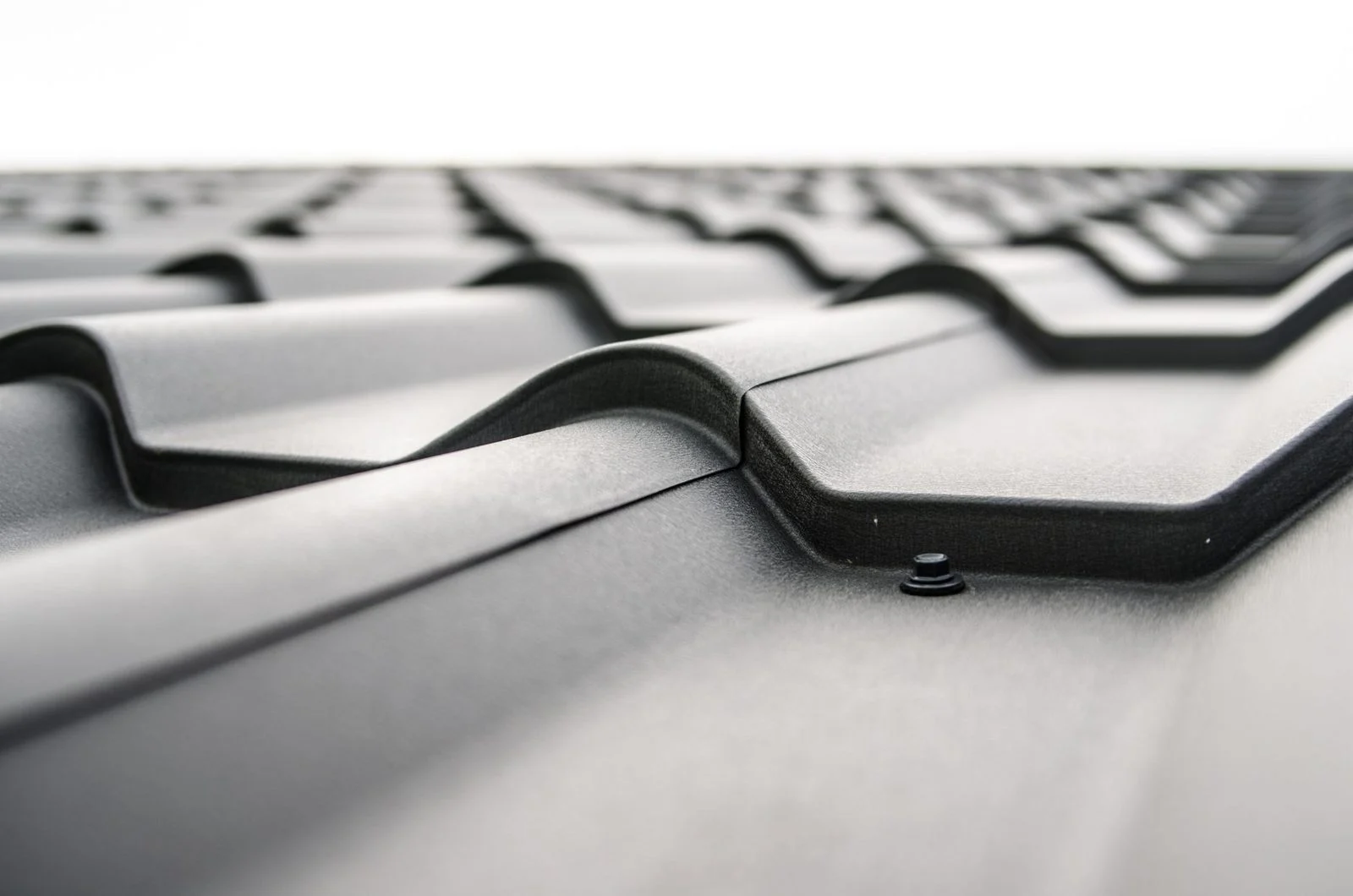
Metal roofing in Florida: strengths and considerations
Metal roofing performs well in Florida when it’s installed and fastened correctly.
Metal panels weigh less than most tile systems. That can matter on homes where the roof structure is a concern. They come in a range of profiles and finishes, so owners can match the look of the home.
Installation drives performance. The 2026 Florida Building Code analysis added a section requiring flashing on metal roof panels to follow the code chapter and the manufacturer’s installation instructions.
Storm results offer real evidence. The Insurance Institute for Business & Home Safety (IBHS) reviewed building performance in Southwest Florida after Hurricane Ian in 2022. It found that metal roofing systems held up well in winds below 130 mph. See the IBHS Hurricane Ian roof assessment.
Metal has limits too. Metal panels can dent from hail or impact. Dents can affect appearance and may need attention, so plan for inspections after severe weather.
Tile roofing in Florida: strengths and considerations
Concrete and clay tile are long-established roofing choices in South Florida and similar climates.
Tile is heavier than metal. Have the home’s roof structure evaluated before you choose it, so you know the load it can carry.
Tile also depends on what sits under it. The 2026 Florida Building Code analysis added a section requiring tile underlayment to meet the component and cladding loads of ASCE 7.
Flashing at concrete and clay tile was also revised for clarity in the same code edition. Small details at edges and penetrations matter. Tile is durable, but it still needs regular inspection of its edges and flashing.
Repairs need care. A broken tile has to be removed and replaced without damaging the tiles around it, so the work calls for skilled handling. Tile suits many architectural styles common across South Florida neighborhoods.
How weight, wind, and maintenance affect the decision
Weight, wind resistance, and upkeep affect metal and tile differently, and installation quality matters for both.
Start with weight. Tile loads a structure more than metal does, so a qualified professional should confirm capacity before tile goes on.
Next, check wind resistance. The 2026 Florida Building Code analysis says Section 1504.1 was revised to clarify that roofs have to comply with all of Section 1504.
Maintenance follows. Both materials need periodic inspection of flashing, fasteners, and seams. Address small leaks early.
Repair or replacement is the next question. Repairs can fix leaks and worn sections on either material. Replacement becomes the better conversation when damage is widespread.
Florida law also sets rules for replacements. For site-built, single-family homes, Florida Statute 553.844 says a roof replacement must incorporate specified techniques. Those include secondary water barriers and stronger roof-decking attachments and fasteners.
For partial work, the same statute says that if 25 percent or more of a roof section is repaired, replaced, or recovered, only that portion must meet the code in effect. This applies when the earlier work met the 2007 code or a later edition.
Choosing between metal and tile for your home
Choose between metal and tile by checking the structure, the roof’s current condition, the location, and your long-term plans.
Start with the structure. Ask whether the home can carry tile. Then ask what the current leaks or wear are telling you. A small leak can point to a larger problem.
Consider location. Homes near the coast face salt air, so finish and fastener quality deserve attention.
Think about how long you plan to keep the home. A longer stay makes durability and upkeep matter more.
After a storm, timing matters. Florida Statute 627.70132 bars a claim unless notice reaches the insurer in accordance with the policy terms within 1 year after the date of loss, and that time limit is tolled during any term of deployment to a combat zone or combat support posting which materially affects a servicemember’s ability to file. Supplemental claims have an 18-month limit. For hurricanes, the date of loss is the date the hurricane made landfall. For tornadoes, windstorms, severe rain, and other weather-related events, it is the date NOAA verifies the event.
If you replace the roof, check permit rules early.
A professional assessment of the specific structure is how you confirm which option fits.
Next steps when you are weighing a roof decision
If you’re weighing a roof decision now, you’re in a common position. Many homeowners start researching after a storm, a leak, or an insurance inspection.
Some readers are researching for a parent or relative who owns the home. That’s a heavy task, especially from a distance.
Is metal or tile better for hurricanes in Florida?
Metal roofing held up well in winds below 130 mph in IBHS’s Southwest Florida assessment. Tile’s performance depends on its structure and underlayment.
Do I have to replace my whole roof if only part is damaged?
Not always. Under Florida Statute 553.844, if an existing roofing system or roof section was built, repaired, or replaced in compliance with the requirements of the 2007 Florida Building Code or any subsequent edition, and 25 percent or more of it is repaired, replaced, or recovered, only that portion must meet the code in effect, as applicable.
When do I need to file an insurance claim after a storm?
Florida Statute 627.70132 sets a 1-year notice limit for most claims. Supplemental claims have an 18-month limit.
Our team can talk through your roof options with you. Our first consultation is free, confidential, and carries no obligation to continue. Request a free estimate.
What to weigh when choosing a roof in South Florida
Wind performance
Hurricane-season winds test every part of a roof. Ask how the full system, including the structure, fasteners and underlayment, is designed to hold up.
Weight and home structure
Tile is heavier than metal. The right choice depends on what your home's framing can support.
Look and lifespan
Metal and tile both come in styles that suit Florida homes. Compare finishes, expected service life and maintenance needs.
Heat and energy
Roof color, material and ventilation all affect how much heat reaches your attic and how hard your cooling system must work.
Don't decide on material alone
A roof's performance depends on the materials, the installation and the condition of the structure beneath it. Before you choose, have the roof and attic inspected so you know what work is actually needed.
Your next step with ASP Superhome
Metal roofing
Lightweight, durable and available in many colors and profiles for South Florida homes.
Tile roofing
A classic look with strong heat resistance, supported by the right structure and underlayment.
Roof repair or replacement
Whether you need targeted repairs or a full replacement, our team will walk you through your options.
Not sure which roof is right for your home?
Start with a free first consultation, confidential and with no obligation to continue.
Related practice areas
- Metal Roofing in South Florida: Types, Costs & Benefits
- Metal Roofing in Kendall
- Concrete Tile vs Metal Roof in South Florida Homes


