


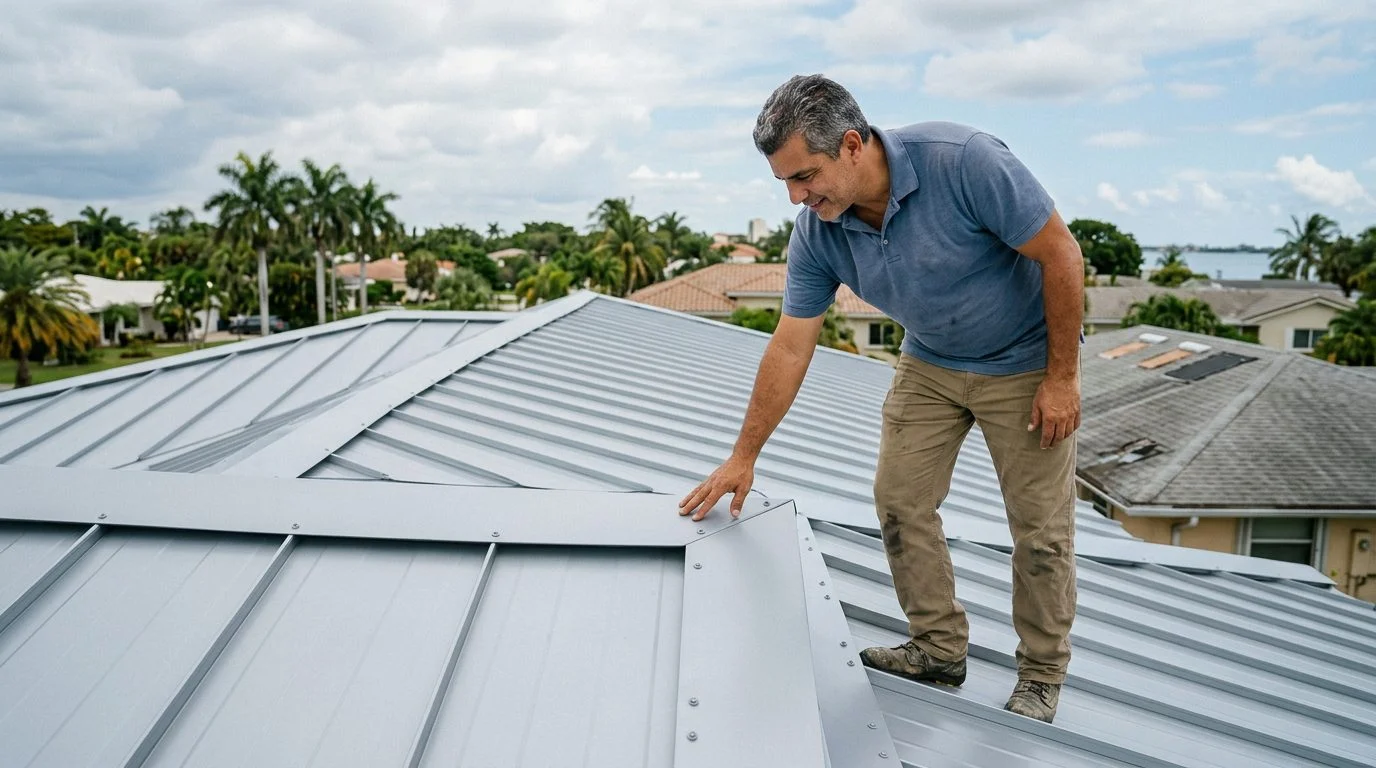
Metal Roofing | South Florida Cost Guide
Are Metal Roofs Cheaper? Here's How the Numbers Add Up
Metal roofs often cost more up front than shingles, but their long service life can change the math over time. See how the upfront price, lifespan, and maintenance compare for South Florida homes.
Start With a Free Consultation
Free
First consultation
No obligation
Confidential, with no pressure to continue
By Jonathan Rodriguez · Published November 1, 2026
Short answer: are metal roofs cheaper?
Are metal roofs cheaper? Usually not at the start. Metal typically costs more upfront than asphalt shingles, but whether it costs less over the life of the roof depends on the facts of your home.
Two numbers matter here. The first is the installed cost today. The second is total cost of ownership, which covers repairs, maintenance, and any later replacement during the years you own the roof. A cheaper roof today can cost more in the long run, and the reverse can also happen.
Homeowners in Miami, Fort Lauderdale, West Palm Beach, and across South Florida face the same basic question. The answer starts with the roof itself. Its size, its pitch, the deck underneath, and the product you choose all move the number.
If an aging roof or a recent storm has you weighing your options, reach out and we'll go over your roof's numbers with you. Talk it through with our team — the first consultation is free, confidential, and carries no obligation.
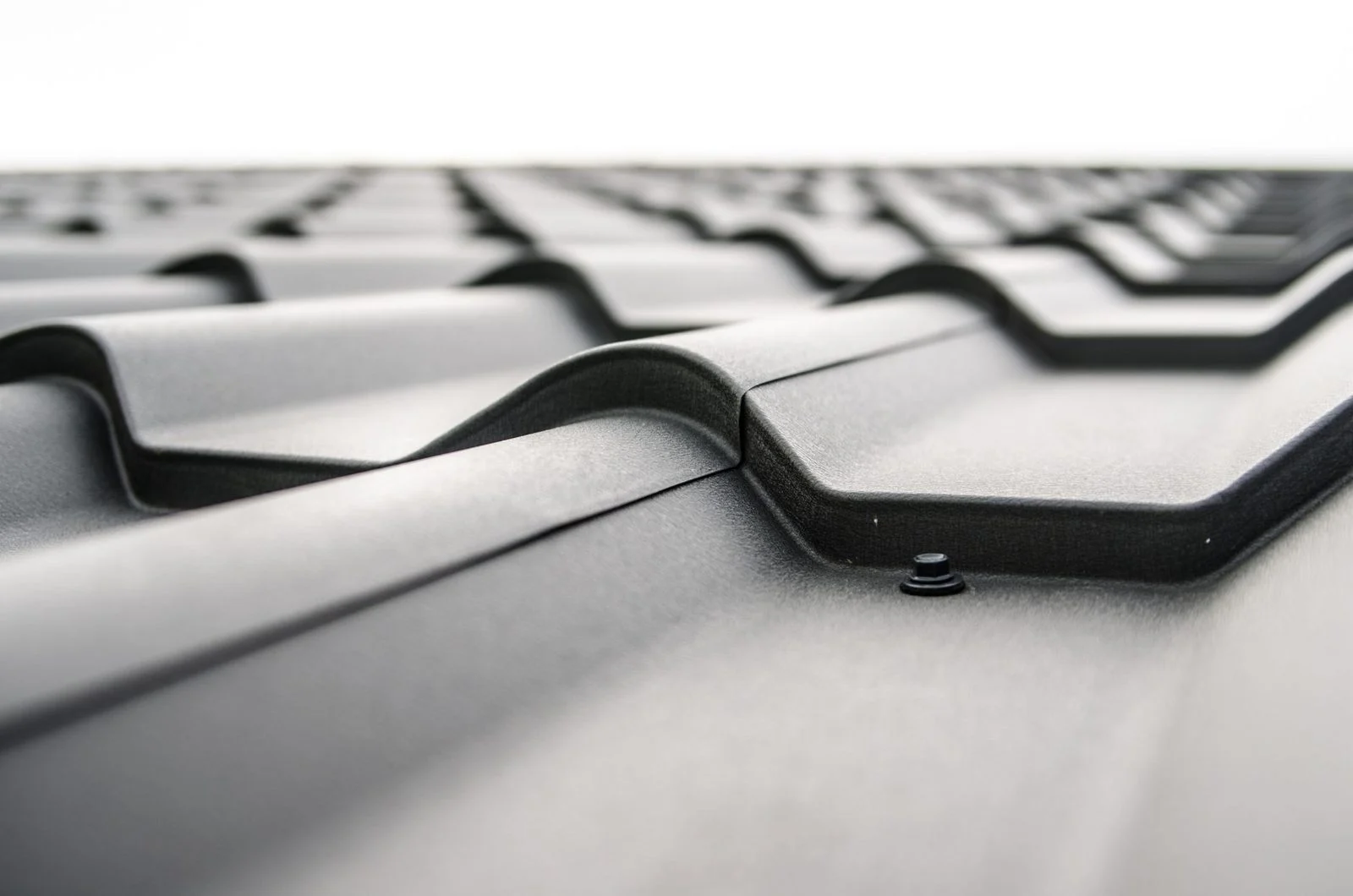
Why metal roofs usually cost more upfront
Metal costs more at installation because the material, the labor, and the parts around it all add to the bill. Metal panels and profiles are priced differently from asphalt shingles. Gauge (panel thickness), finish, and profile also change the price.
Labor is a large part of the gap. Crews must lay out panels, follow a fastener schedule, and install trim and flashing so water stays out. Florida’s code adds detail here. The 2026 Florida Building Code changes require flashing to follow both the code and the manufacturer’s installation instructions. They also require drip edge on roof slopes of 2:12 and greater. That edge must be fastened a maximum of 4 inches on center and installed over the underlayment.
Accessories add more cost. The 2026 Florida Building Code underlayment rules require underlayment to lap over hips and ridges at least 6 inches, except where ventilation openings are provided. Metal hip and ridge covers must also be tested for uplift resistance under ANSI/MCA FTS-1. Each detail takes materials and time. That is why two quotes for the same square footage can differ.
What drives the cost gap between metal and shingles
Roof size is the biggest driver of total price. Roofers measure in roofing squares, and one square covers 100 square feet. A larger roof needs more panels, more fasteners, and more labor. The gap grows with size.
Pitch and complexity matter too. Steep slopes, multiple valleys, dormers, and roof penetrations slow the crew. Each added detail means more time on the roof.
Tear-off is the next factor. Removing old layers adds labor and disposal. Florida’s 2026 revision allows only the upper roof covering to be removed during recovering, but only if the existing or repaired substrate is adequate for the new roof. For some roofs, Florida Statutes § 553.844 limits upgrades. If 25 percent or more of a roofing system built or replaced under the 2007 code or later is repaired, replaced, or recovered, only that portion must meet the current code.
Deck condition can change the bill after removal. Rotted plywood or damaged framing must be repaired before new panels go on. That is why a deck repair allowance belongs in the estimate.
Under Florida Statutes § 553.79, unless otherwise provided by law, it is unlawful for any person, firm, corporation, or governmental entity to construct, erect, alter, modify, repair, or demolish any building within this state without first obtaining a permit. Permit fees belong on your estimate.
How lifespan and replacement cycles change the math
Lifespan is where metal can change the math. Properly selected and installed metal roofs can last 50 years or more, according to the Building America Solution Center. That guide also says these roofs should meet applicable wind-uplift, installation, material, corrosion-resistance, and attachment standards.
Asphalt shingles usually need replacing sooner. Each replacement means a tear-off, new materials, disposal, and disruption at home. Over a long ownership period, a second or third shingle replacement can close or reverse the upfront gap. The Metal Roofing Alliance says quality residential metal roofs may reduce long-term maintenance and replacement costs.
Storm performance is part of the picture. An IBHS assessment of Hurricane Ian found metal roofing systems held up well in Southwest Florida in winds below 130 mph.
Metal roof vs shingles vs tile: how to compare quotes fairly
Compare quotes on the same scope. Each estimate should use the same square footage, the same tear-off assumption, the same underlayment, and the same warranty terms. Without that match, a lower total may just mean less work.
Tile roofing is a separate option with its own cost profile. Tile is heavy, so the condition of the structure matters more. Treat tile as one more option to weigh, not a verdict on metal or shingles.
Ask for an itemized estimate. Materials, labor, disposal, permits, and any deck repair allowance should each appear as a separate line. Line items show what is included. They also show where a headline number leaves something out.
Other cost questions: insurance and drawbacks
Insurance is worth a close look. Florida Statutes § 627.711 requires insurers to notify policyholders of personal lines residential property policies, at issuance and at each renewal, of available premium discounts. Those discounts cover construction techniques that reduce windstorm loss. Confirm with your insurer how any discount applies to your roof before you count on savings.
Drawbacks deserve a fair look. Metal costs more upfront. Some homeowners notice more sound in heavy rain, and how the panels are installed over the deck can affect it. Hail and flying debris can dent panels.
Installation quality matters most. Fasteners and connectors within 3,000 feet of a saltwater coastline must comply with new Section R332, according to the 2026 code analysis. Proper fastening and flashing protect the investment. Color matters too. ENERGY STAR notes that lighter or more reflective metal colors generally stay cooler and can improve energy savings in hot, sunny climates like Florida.
Not sure what your next step is?
Talk it through with our team — the first consultation is free, confidential, and carries no obligation.

Bring these details to a free first consultation
Before you talk with us, gather the basics. Note your roof’s age, how many layers are on it, any leak history, and photos of the roof. These details help us work through the numbers that matter for your home.
For a broader view of options, read our metal roofing guide for South Florida.
Our first consultation is free, confidential, and comes with no obligation to continue.
If a roof that’s aging or a storm has you weighing your options, request a free estimate and we’ll go through your numbers together.
Frequently asked questions
Are metal roofs cheaper than shingles?
Usually not upfront. They can compare more favorably over a long ownership period because they may last longer.
Do metal roofs need a permit in Florida?
Yes. Under Florida law, unless otherwise provided by law, altering, modifying, or repairing a building without first obtaining a permit is unlawful. Your estimate should show permit fees as a separate line. Your estimate should show permit fees as a separate line.
How long do metal roofs last?
Properly selected and installed metal roofs can last 50 years or more, according to the Building America Solution Center.
The amount depends on your insurer and policy, so confirm the details with your carrier.
What Shapes the Cost of a Metal Roof
Material and profile
Standing seam, panel, and tile-style metal systems are priced differently, and the gauge and finish you choose affect the total.
Roof size and pitch
Roof area, slope, and the number of penetrations and valleys all influence labor and materials.
Wind and code requirements
South Florida wind-load requirements and local code can add components and fasteners to the scope of work.
Lifespan and upkeep
Long service life and low maintenance can offset a higher installation price over the years you own the home.
Ask for a Written Estimate
Compare line items, not just totals. Make sure your estimate lists the roofing material, underlayment, fasteners, removal of the old roof, and any permit-related work so you can see exactly what is included.
Metal vs. Shingle vs. Tile: A Quick View
Metal roofing
Higher upfront cost, with a long service life and strong performance in heat and storms common to South Florida.
Tile roofing
Durable and well suited to many Florida home styles, with weight and structural needs to review before choosing it.
Shingle roofing
Typically the lowest upfront cost, but it may need replacement sooner, which adds to the long-term total.
Get a Clear Number for Your South Florida Roof
Related practice areas
- Corrugated Metal Roofing in Florida
- Impact Glass Costs


