


Roofing Guide | South Florida
Choosing a Roofing Brand for Your South Florida Home
Brand names matter less than the product line, its approval for your roof, and how it handles wind, sun and rain. Here is how to compare options for homes from Miami and Kendall to Boca Raton, West Palm Beach, Fort Lauderdale, Naples and Fort Myers.
By Jonathan Rodriguez · Published October 19, 2026
What is the best brand of roofing? For most homes, there isn’t one answer. The right brand depends on the roof type, how much wind the home faces, the budget and how long the owner plans to stay. Below are the key facts to understand about roofing products for a South Florida home.
Short answer: why no single brand is best for every roof
No single brand is the best roof for every house, because the right product depends on the house. A tile roof in Naples and a low-slope roof in Boca Raton don’t have the same needs. Their wind exposure, structure and budget differ.
“Best” describes a fit. A product fits a specific roof when it suits the slope, the structure, the local wind rules and the owner’s budget. A brand that fits one home may not fit another. That’s why this page focuses on how to compare, not on a ranking.
Start with the roof type. Most homes use asphalt shingles, metal or tile, and each has its own product choices. Our metal roofing page covers the full set of metal options, so it’s a good place to start if metal is on your list.
If you're weighing roof options for a home you own or look after, our team can talk through the product, warranty and budget questions with you. Talk it through with our team — the first consultation is free, confidential, and carries no obligation.
What makes a roofing brand worth considering
A brand is worth considering when its specific product performs well for your roof and its paperwork backs up the claims. Check five things: product performance, wind and impact resistance, warranty terms, manufacturer support, and fit with the roof’s slope and structure.
Wind and impact resistance matter most in South Florida. Fla. Stat. § 553.842 says a product may not be marketed as hurricane, windstorm or impact protection unless it has the required approval.
Approval also has limits. Under Fla. Stat. § 553.8425, an approval stays valid only while the product keeps its performance, the code doesn’t raise the required performance, and the approval isn’t suspended or revoked. Code changes do not void the approval of products already installed in existing buildings if they met code requirements when installed.
So ask for paperwork before you compare marketing claims. A brochure is not an approval. The approval for the exact product and use is what counts.
Asphalt shingle brands: what most roofers install
The main U.S. asphalt shingle makers include Owens Corning, GAF, CertainTeed, Atlas, IKO and Malarkey. Each one sells several product lines. The specific line matters more than the company name.
Most of these makers offer standard shingles, architectural shingles and impact-resistant options. Architectural shingles are thicker and have a layered look. Standard three-tab shingles are simpler and flatter. Impact-resistant options should show approval for impact use before you rely on them.
A top-tier line is not always the right line for your roof. A simpler product can fit a low-wind location and a tight budget. A higher-tier product may make more sense where wind is a bigger concern. A roofer installing a brand doesn’t tell you whether it fits your home.
Metal roofing: what to compare beyond the brand name
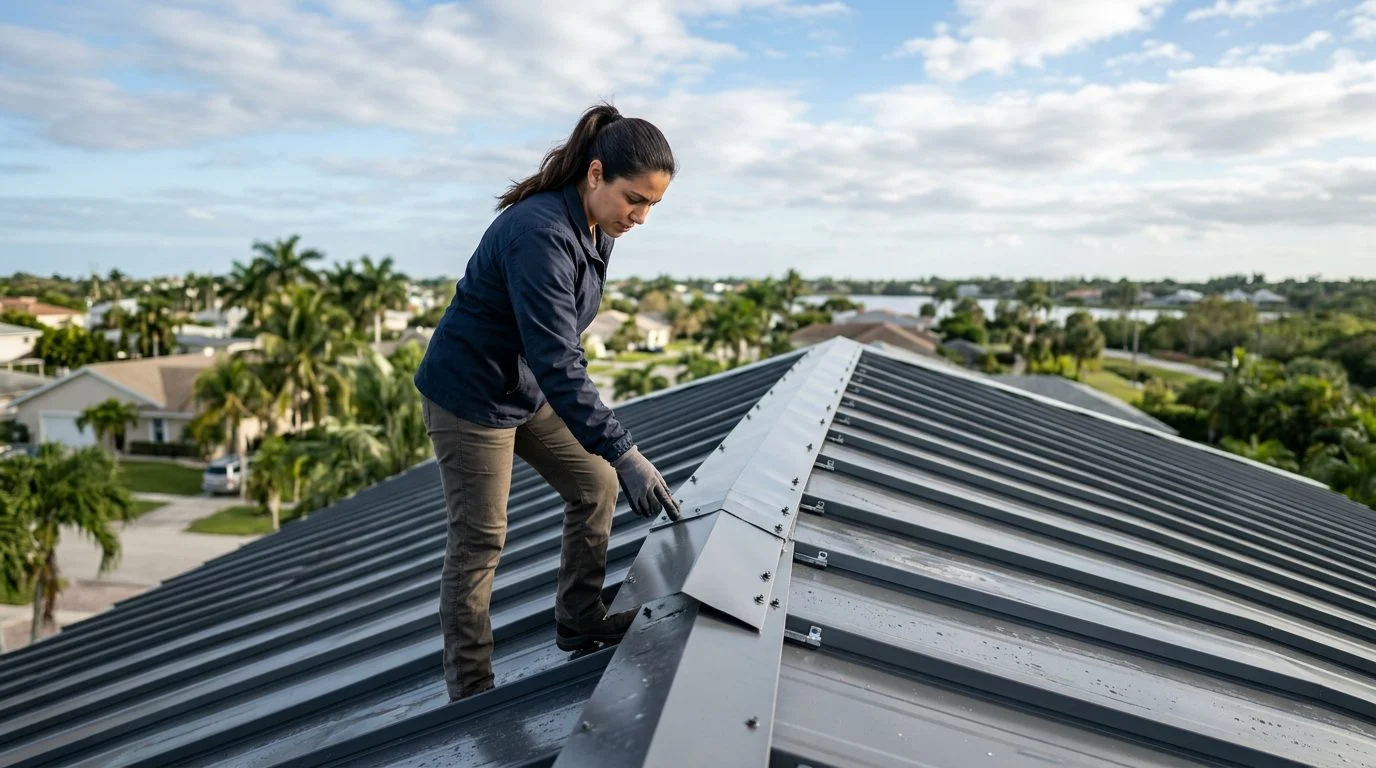
With metal roofing, compare the panel style, metal thickness, finish and fastening system before you compare brands. Two metal roofs from different makers can perform differently if their panels or fasteners differ.
Panel style comes first. Standing seam panels lock together along raised seams and hide the fasteners. Exposed-fastener panels are screwed through the panel face. Each style can perform differently in high wind and rain, so ask which style fits your roof and why.
Gauge means metal thickness. A lower gauge number means thicker metal. The finish, or coating, affects color and long-term protection, so get the product’s written warranty. The fastening system matters because a panel is only as secure as its attachment to the roof.
People often ask how long a metal roof lasts. Our roof lifespan guide explains what affects that, including materials and maintenance. Ask for the specific panel’s documented performance, not a general claim.
Tile roofing: concrete and clay considerations
Concrete and clay tile are heavy, so the roof structure must be checked before you choose a tile product. Weight is the first question, not color or brand. The load should be evaluated before any tile is ordered.
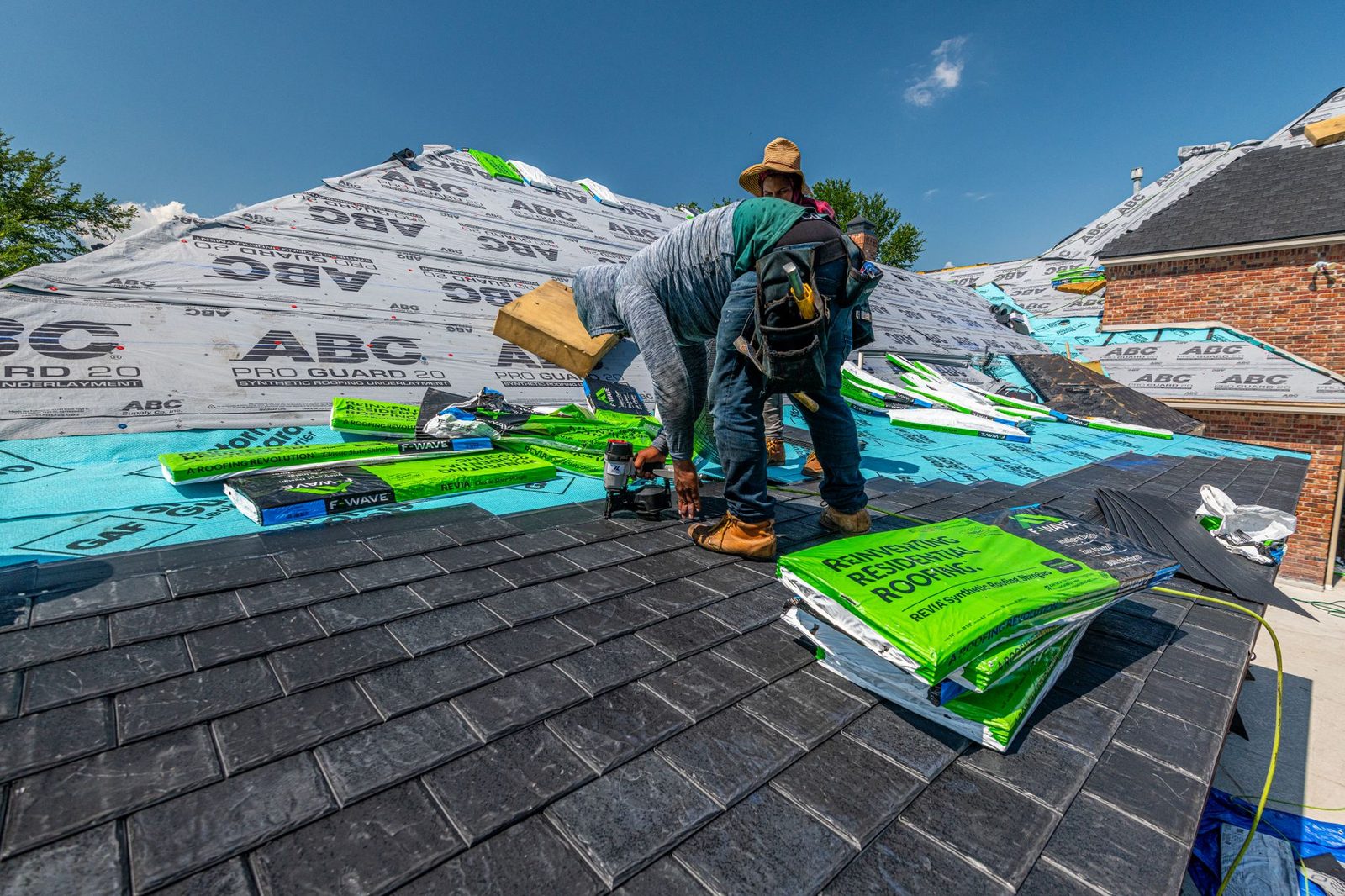
Tile performance depends on more than the tile maker. The underlayment, the tile profile and the installation method all affect how the roof holds up. Underlayment is the water-resistant layer beneath the tile, and its approval is tied to how it’s used.
Take one example. A Florida Building Commission evaluation of one Owens Corning underlayment approves it for specified mechanically fastened roofing under the 2023 Florida Building Code, including high-velocity hurricane zone requirements. The same evaluation excludes wind-uplift resistance. Approval must match the exact use on your roof.
Tile can suit many architectural styles found in South Florida homes. Whether it’s the right choice depends on the structure and the look you want. Once the structure is cleared, compare the product paperwork.
Warranty terms: what to read before comparing brands
Read the written warranty for the specific product line, because terms vary from one product to the next. A brand name alone doesn’t tell you what’s covered. The warranty document is the reliable source, so get a copy before you decide.
Start with two types. A manufacturer’s product warranty covers the materials. A workmanship warranty covers the installation. You need both to know who pays if something fails.
Then check the details. Look at the length of coverage and whether it’s prorated, meaning the payout drops over time. Check whether the warranty transfers to a future buyer, which matters if you sell the home. Confirm whether wind-related damage is covered. Note any conditions that could void coverage, such as required maintenance or a specific installer.
Warranty wording changes by product line. The written terms for your exact product matter most.
Not sure what your next step is?
Talk it through with our team — the first consultation is free, confidential, and carries no obligation.
Is a $30,000 roof too much? How cost relates to brand choice
A roof’s cost comes from its size, pitch, complexity, material, tear-off, deck repairs and permits. The brand name alone rarely explains the total. Two roofs of the same size can carry very different prices because of the work involved.
Higher-priced materials aren’t automatically the best fit. Lower-priced products aren’t automatically a bargain. The best roof for the money is the product that fits the home’s needs and the owner’s budget together. A cheap product that needs early repair can cost more over time.
Some replacements bring extra requirements. For a site-built, single-family residential structure in the wind-borne debris region with an insured value of $300,000 or more, or, if uninsured or without documentation of insured value, a just valuation for ad valorem taxation of $300,000 or more, Florida law provides that a roof replacement must incorporate the techniques specified in subparagraph (2)(b)3 of Fla. Stat. § 553.844. If the building is uninsured or its insured value is not documented, the just valuation for the structure for ad valorem tax purposes is used instead, and that just valuation must be $300,000 or more.
An itemized breakdown shows what drives the price on your roof.
Warning signs in a roofing product, instead of a brand list
The clearest warning signs are vague warranty terms, no approval paperwork and wind claims you can’t check. These signs apply to any brand, so don’t rely on reputation alone.
Florida law addresses misleading claims. Fla. Stat. § 501.204 declares unfair or deceptive acts or practices in trade or commerce unlawful. Under Fla. Stat. § 553.842, marketing an unapproved product as impact protection is also subject to the Florida Deceptive and Unfair Trade Practices Act.
Installation matters as much as the product. Contact our team to discuss your roofing project during a free, confidential, no-obligation initial consultation.
Frequently asked questions
Is there one best brand of roofing?
No. The right brand depends on the roof type, wind exposure, budget and how long you plan to keep the home.
What shingles do most roofers use?
Major makers sell several tiers, so the product line matters more than the name. Compare the specific line and its approval for your roof.
Is a $30,000 roof too much?
It depends on the facts of your roof, including size, pitch, materials and repairs. An itemized breakdown shows what drives the number.
Do impact products need approval in Florida?
Yes. Florida law says a product may not be marketed as hurricane or impact protection unless it has the required approval.
Next step: talk through your roof with ASP Superhome
If you’re weighing roof options for a home you own or look after, you don’t have to sort through them alone. Maybe a storm left wear on your roof. Maybe you’re gathering facts for a parent’s house before a decision.
ASP Superhome offers a free initial consultation that is confidential and carries no obligation to continue.
Request a quote and we’ll review your roof type, product options, warranty terms and budget together.
What to Weigh Beyond the Brand Name
Wind and impact ratings
Coastal South Florida homes face strong wind and wind-driven rain. Look for a product line with the wind resistance and approvals that match your roof and your location.
Roof type and structure
Metal and tile roofs carry different weight, install differently and suit different roof pitches. The right choice starts with what your home's structure can support.
Product line and warranty terms
Major manufacturers sell several tiers within one brand. Read the specific product line and its warranty terms rather than relying on the name alone.
Expected lifespan
Plan for how long you intend to keep the home. Materials that cost more upfront may suit a long-term owner, while budget-driven choices may fit a shorter timeline.
Installation quality
Even a strong product can underperform with poor installation. Ask how flashing, underlayment and ventilation will be handled.
Avoid Choosing by Brand Name Alone
A brand name does not confirm that a product suits your roof, wind exposure or budget. Before deciding, confirm the exact product line, its approval for your roof type, and how it will be installed.
Roofing Options We Can Discuss With You
Metal Roofing
Durable, lightweight and well suited to wind-exposed South Florida homes. Colors, profiles and finishes vary by product line.
Tile Roofing
A classic look with strong performance in heat and sun. Weight and structural needs should be reviewed before choosing a product.
Roof Replacement
When a roof has reached the end of its useful life, replacement lets you choose a new product line suited to your home and location.
Roof Repair
Targeted repairs can address leaks, damaged sections and storm wear. A clear assessment helps you decide between repair and replacement.


