


Roofing Guide | South Florida
Metal and Tile Roofing Built for South Florida Homes
Compare metal and tile options, learn what to watch for after a storm or on a hot afternoon, and see when a roof repair or replacement makes sense for your home.
By Jonathan Rodriguez · Published October 23, 2026
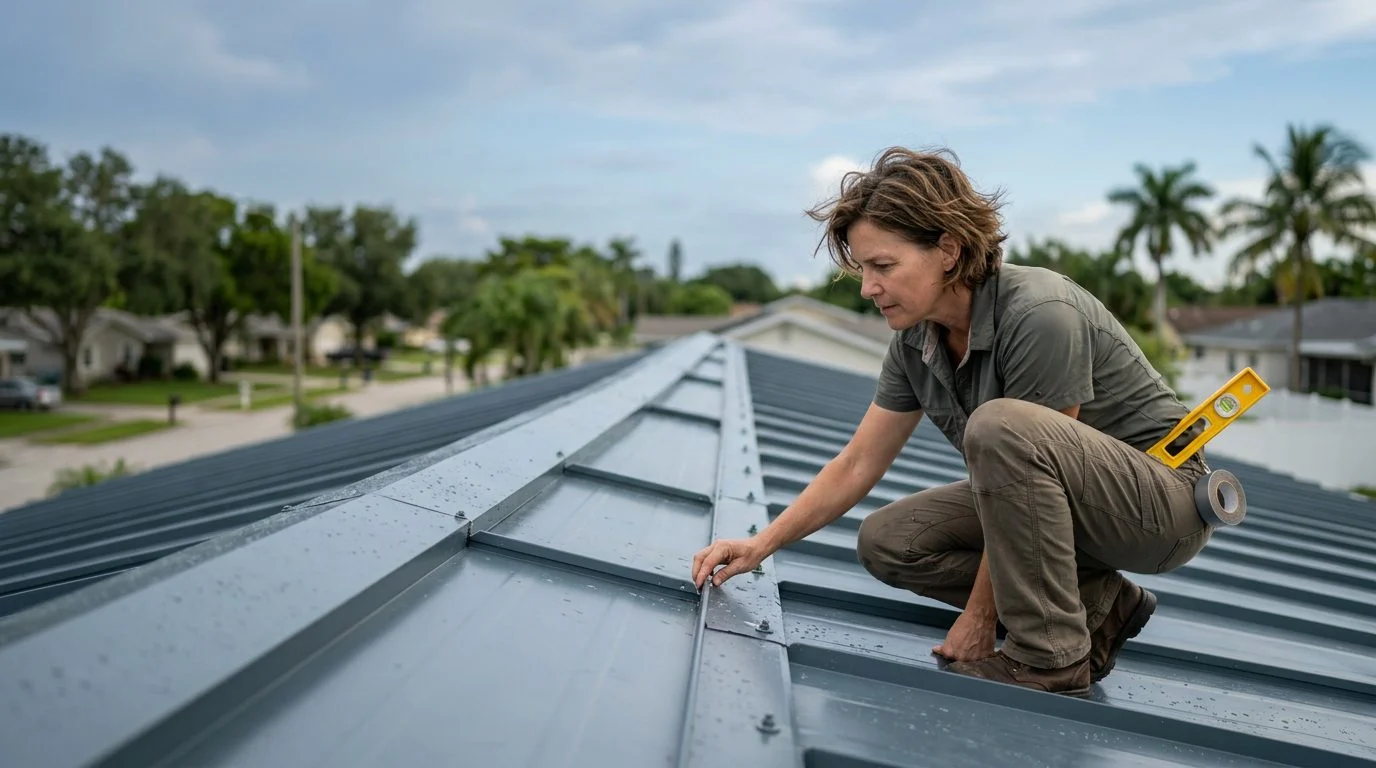
Hear popping or ticking on your roof on a hot afternoon? Often it’s normal metal or tile movement. Sounds that are new, spreading, or tied to wind and rain usually point to a loose fastener, a shifted tile, or lifted flashing.
This guide helps you sort the sound you hear. Use it as a starting point. Only a close look at the roof can confirm the cause.
What Flat Shingle Tile Metal Roofing Means in South Florida
Flat shingle tile metal roofing is a loose label for three looks homeowners often compare: flat concrete or clay tile, shingle-style metal panels, and flat-profile metal. The profile name describes appearance. The material decides how the roof moves, sounds, and gets repaired.
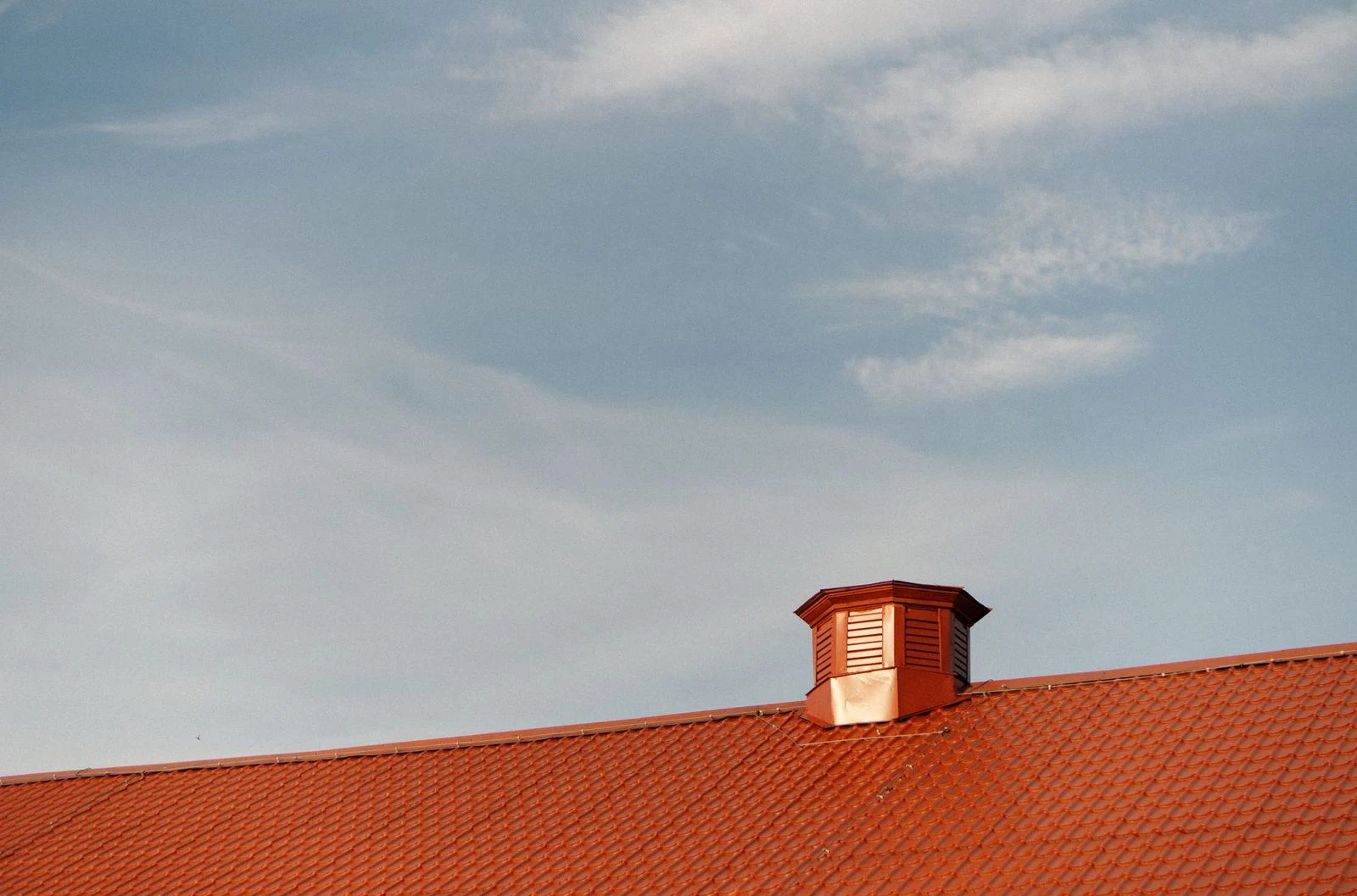
Metal can even mimic tile. Florida-approved metal panels can be made in a barrel-tile profile. The Miami-Dade County Product Control notice of acceptance shows one such product was evaluated for compliance with the Florida Building Code. A roof that looks like tile may still be metal, so the sound often tells you more than the look.
Tile is common here, too. The National Roofing Contractors Association publishes guidance on roofing materials. Heat, humidity, and heavy rain put steady stress on any roof. Homes in Miami, Fort Lauderdale, West Palm Beach, Kendall, Naples, Fort Myers, and Boca Raton all face that mix, so knowing which sounds are normal helps.
Not sure what your next step is?
Talk it through with our team — the first consultation is free, confidential, and carries no obligation.
Why Metal Roofs Pop and Tick in the Heat
Popping or ticking metal is usually thermal expansion, which is normal movement. Metal panels grow slightly when sun warms them and shrink as they cool. That small shift can make a sharp tick or pop, especially near fasteners and trim.
Timing gives you clues. Normal metal sounds tend to show up during temperature swings. Common times are morning sun on the roof, late afternoon heat, or right after a rain shower cools the surface. The sound is usually brief, comes back at similar times, and doesn’t travel around the roof.
A common mistake is treating every tick as a failure. Thermal movement is not a reason to panic. It is a reason to notice when the sound changes.
Sounds That Point to a Problem Instead of Normal Movement
Sounds that change, spread, or follow the wind usually mean a part of the roof needs attention. Three common causes include the following.
First, loose fasteners. Screws on metal panels can back out over time. A loose screw can cause repeated popping or a rattle that shifts with the wind. If the noise follows gusts instead of sunshine, check the fasteners first.
Second, displaced flat tiles. A cracked or slipped tile can rock and knock against its neighbors. That creates a click or grinding sound, often during wind or when pressure moves the tile.
Third, lifted flashing. Flashing around vents, chimneys, and valleys seals the joints where water could enter. When it lifts, it can tap or whistle in wind or rain.
Timing matters most. Sounds that started after a storm, a wind event, or heavy rain deserve a check soon. A roof that was quiet last month and now makes new noise has changed. Don’t wait for a ceiling stain to tell you something is wrong.
How Tile Roofs Differ From Metal When Sounds Start
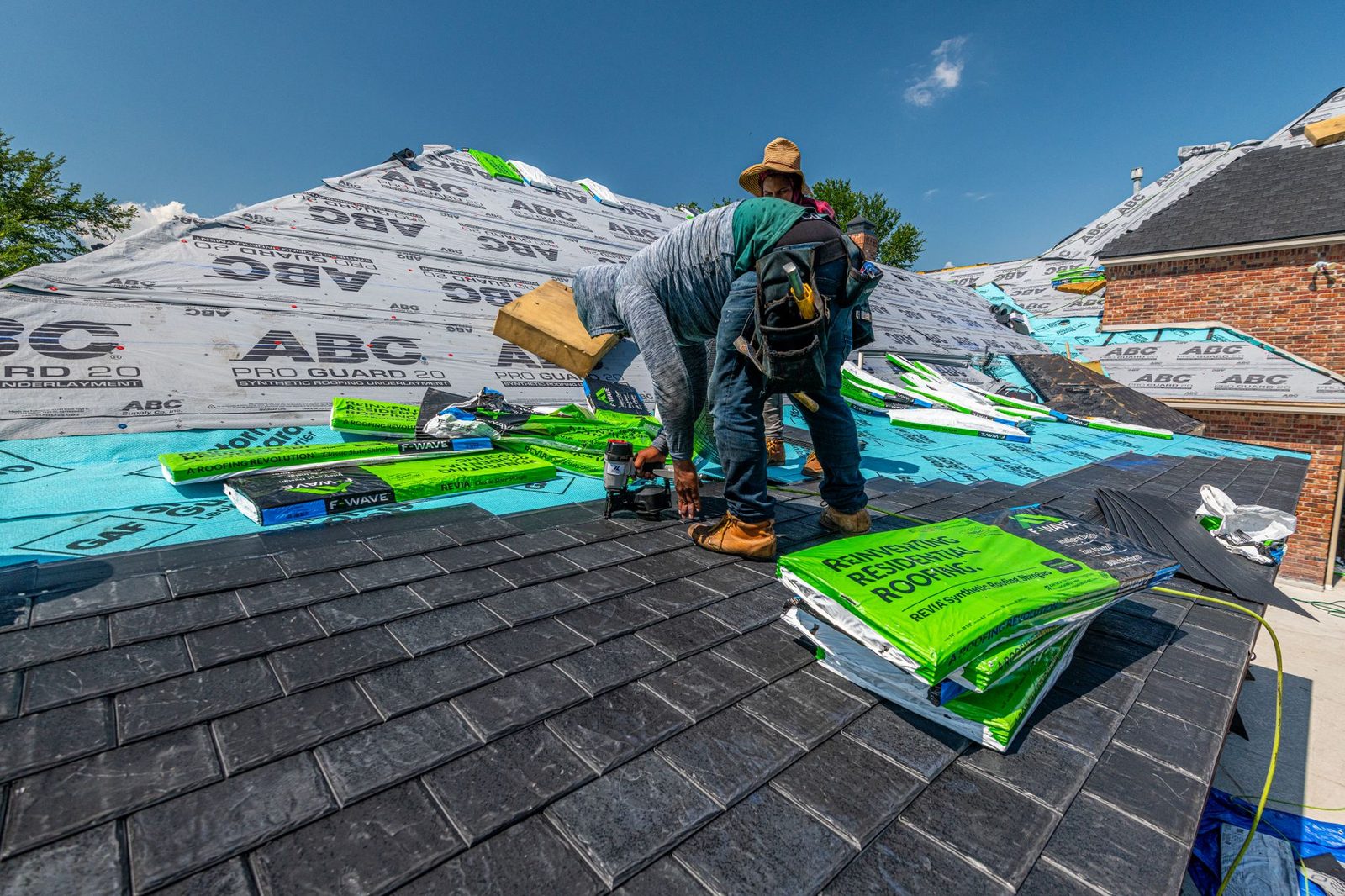
Tile roofs usually make clicks or grinding from shifting tiles, not the metal pop of a panel. Flat tile is heavy. It depends on interlocking pieces and underlayment beneath to keep water out. Movement often shows up as tiles that slip, crack, or rub together.
Sounds that repeat under foot or during wind can mean tiles need to be re-secured or replaced. Walking on tile can also move pieces. That is why inspection should be done carefully by trained roofers, not by a homeowner on the roof.
The Tile Roofing Industry Alliance publishes installation guides that cover industry standards, code requirements, and acceptable practices for high-wind applications in Florida. That background helps when you’re trying to understand why a tile has started to move.
Roof Repair or Roof Replacement: How to Weigh the Decision
A repair usually fixes one loud spot, such as a few fasteners, a single tile, or a section of flashing. Replacement is a wider decision that depends on how much of the roof is affected.
Replacement becomes a broader conversation when damage is widespread, when the underlayment or roof decking is compromised, or when the roof has aged past its useful life. The facts decide the path: material, age, where the sound comes from, and any signs of water getting inside.
Florida law adds a practical layer. Under Fla. Stat. § 553.79, Florida law generally requires a permit before a building is repaired or altered, unless the law provides otherwise. Permit needs depend on the work involved.
Florida Statutes § 553.79(8) lets the building official, after the appropriate construction documents are submitted, issue a permit for the foundation or another part of a structure before the documents for the entire structure are submitted, at the permit holder’s own risk and without assurance that a permit for the entire structure will be granted.
Ask for a written explanation of what was found and what each option would include. Read the scope, materials, and permit steps for each option side by side.
Get the Sound Checked Before It Becomes a Leak
Have a roofer look at new, changing, or wind-linked sounds soon, before water finds its way in. A close look at the fasteners, tiles, and flashing can show what is making the noise. ASP Superhome offers roof repair, roof replacement, metal roofing, and tile roofing for homes across South Florida. Our team can inspect the sound source and explain findings in plain language.
Is it normal for a metal roof to pop in the afternoon?
Yes, popping from heat-driven expansion is normal for metal. Watch for changes in timing, location, or sounds that follow the wind.
Can loose roof tiles cause a leak?
Loose or displaced tiles can let water reach the layers beneath them. Have clicking or shifting tiles checked soon after you notice them.
Does a roof repair need a permit in Florida?
Florida law generally requires a permit before repairing a building, unless the law provides otherwise. Whether your job needs one depends on the work involved.
If the popping or clicking on your roof started after a storm or grows louder in the heat, reach out through the ASP Superhome contact page. Book a free first consultation: confidential, with no obligation to continue.
What to weigh before choosing a roof
Heat and sun exposure
South Florida sun and heat put steady stress on any roof. Consider how each material handles high temperatures and daily expansion and contraction.
Wind and storm resistance
Coastal and inland storms bring strong winds and driving rain. Ask how the roofing system is fastened and sealed, not just which material it uses.
Weight and structure
Tile is heavier than metal. Your home's framing and existing roof layers affect which option is practical, so confirm the structure before you decide.
Maintenance over time
Regular checks of flashing, fasteners, and sealants help any roof last. Pay attention to small changes before they become larger repairs.
Look and style
Metal and tile come in many profiles and colors. Choose a finish that fits your home's architecture and your neighborhood.
Don't wait on loose tiles
Clicking, shifting, or displaced roof tiles can let water reach the layers beneath them. Have them checked soon after you notice the problem.
Common roofing questions
Is it normal for a metal roof to pop in the afternoon?
Yes. Popping from heat-driven expansion is common with metal. Watch for changes in timing, location, or sounds that follow the wind, and have them looked at if they seem new or different.
Can loose roof tiles cause a leak?
They can. Loose or displaced tiles may allow water to reach the underlayment and structure. Have them inspected promptly.
Repair or replace?
Isolated damage can often be repaired. Widespread cracking, recurring leaks, or an aging system may point toward replacement. A site visit helps determine the right path for your home.


