


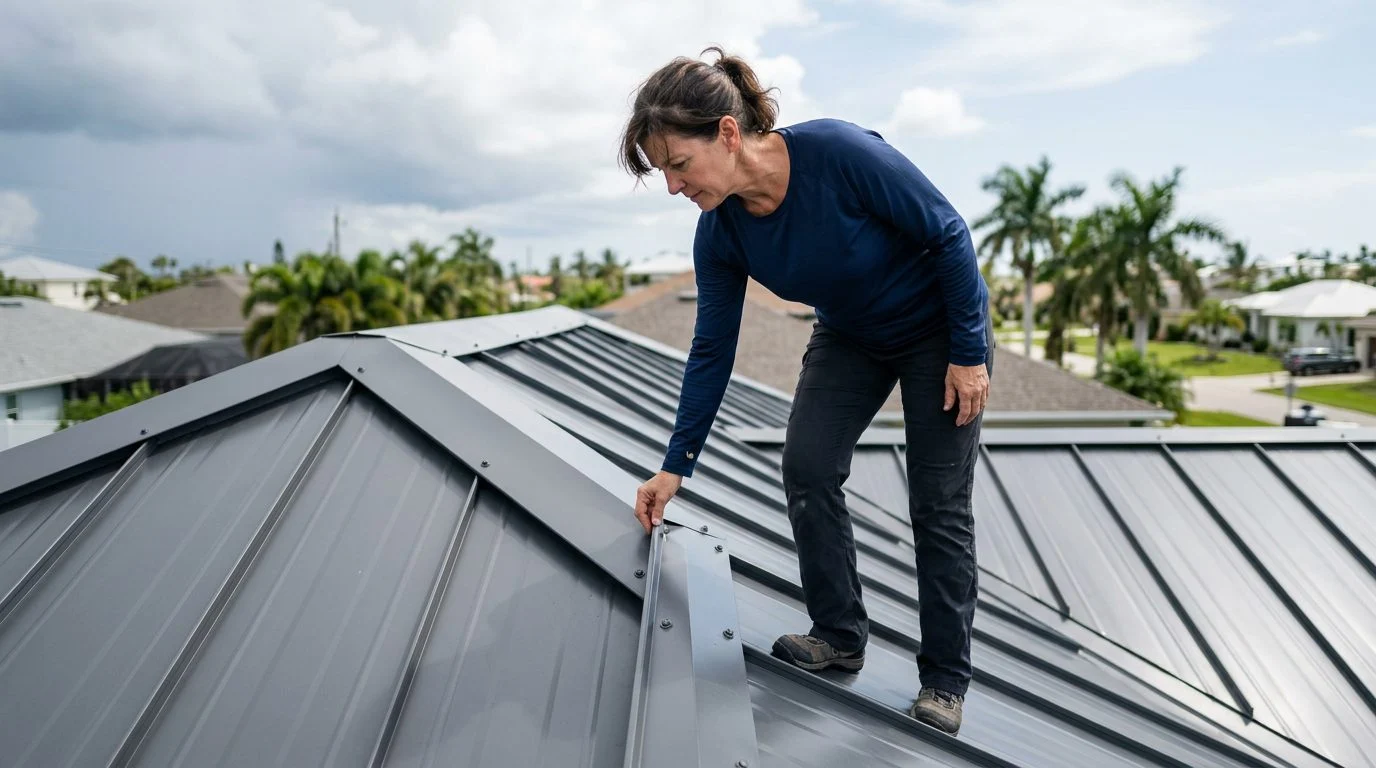
Metal Roofing · Fort Myers
Metal Roofing Built for Gulf Coast Weather
Learn how metal roofing panels perform in Fort Myers storms, humidity, and salt air, and what to look for in a full roofing system.
By Jonathan Rodriguez · Published October 23, 2026
Metal roofing panels can hold up well on the Gulf Coast. They do best when the right panel, coating, and fastening system work together. Salt air, humidity, and strong wind all test a roof near the water. This guide explains what drives durability, how Florida’s rules apply, and how to keep a metal roof in good shape. If you’re weighing metal panels for a home in Fort Myers, read on.
Why Gulf Coast Exposure Is Different for a Roof
Salt spray and humidity wear on metal faster near open water than they do inland. A Gulf Coast roof also faces frequent wind, which pushes and pulls on every panel.
Each part of the roof takes its own hit. The flat surface collects salt and moisture. Edges and ridges catch the wind first. Fasteners sit in spots where water and corrosion can start.
How much exposure a roof gets depends on several things. Distance from open water matters. So does the direction the roof faces. Nearby trees and buildings can shield a roof or channel wind toward it.
After Hurricane Ian in 2022, the Insurance Institute for Business & Home Safety reviewed roof coverings in Southwest Florida. Its assessment found that metal roofing systems held up well in winds below 130 mph. A system is only as strong as its details, though. That is why the sections below matter.
If you're weighing metal panels for a roof that takes salt air and storm wind, our team can talk through your roof and panel options. Your first consultation is free, confidential, and carries no obligation to continue. Talk it through with our team — the first consultation is free, confidential, and carries no obligation.
Which Metal Panels Are Used on Coastal Florida Roofs
Steel and aluminum are the two common metals for metal roof panels. Both usually come with a protective finish. Steel needs its coating to guard against rust. Aluminum is often chosen near salt water because it resists corrosion well.
The Metal Construction Association’s roofing guide describes factory coil coating and a typical two-coat paint system on finished steel and aluminum panels. Factory coatings are applied before the panels reach your home.
Coating performance varies by product. Ask about the coating system itself, not just the color chart.
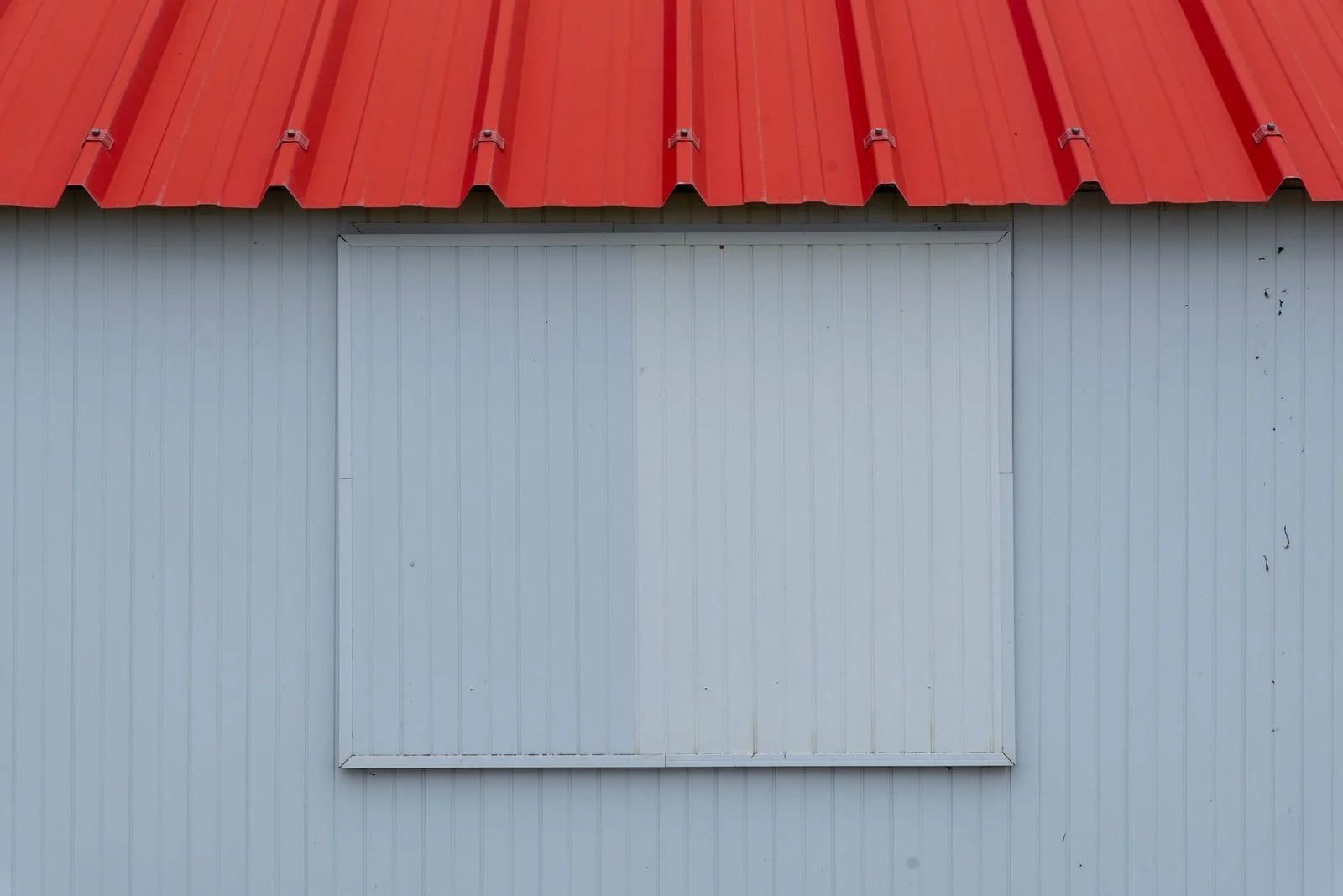
Panels also differ in how they are fastened. Exposed-fastener panels show their screws on the surface. Standing seam panels hide their fasteners under raised seams. Concealed fastening is often discussed for wind and water performance, so it is a common topic when comparing panel types.
How Wind Performance and Fastening Affect a Metal Roof
The attachment system decides how well a metal roof resists wind uplift. Wind lifts on the panels. Clips, fasteners, and the connection to the roof deck hold them down.
Panel gauge, seam design, and the underlayment and deck beneath the panels also matter. Together they form one system.
Florida law puts roofing under statewide approval.
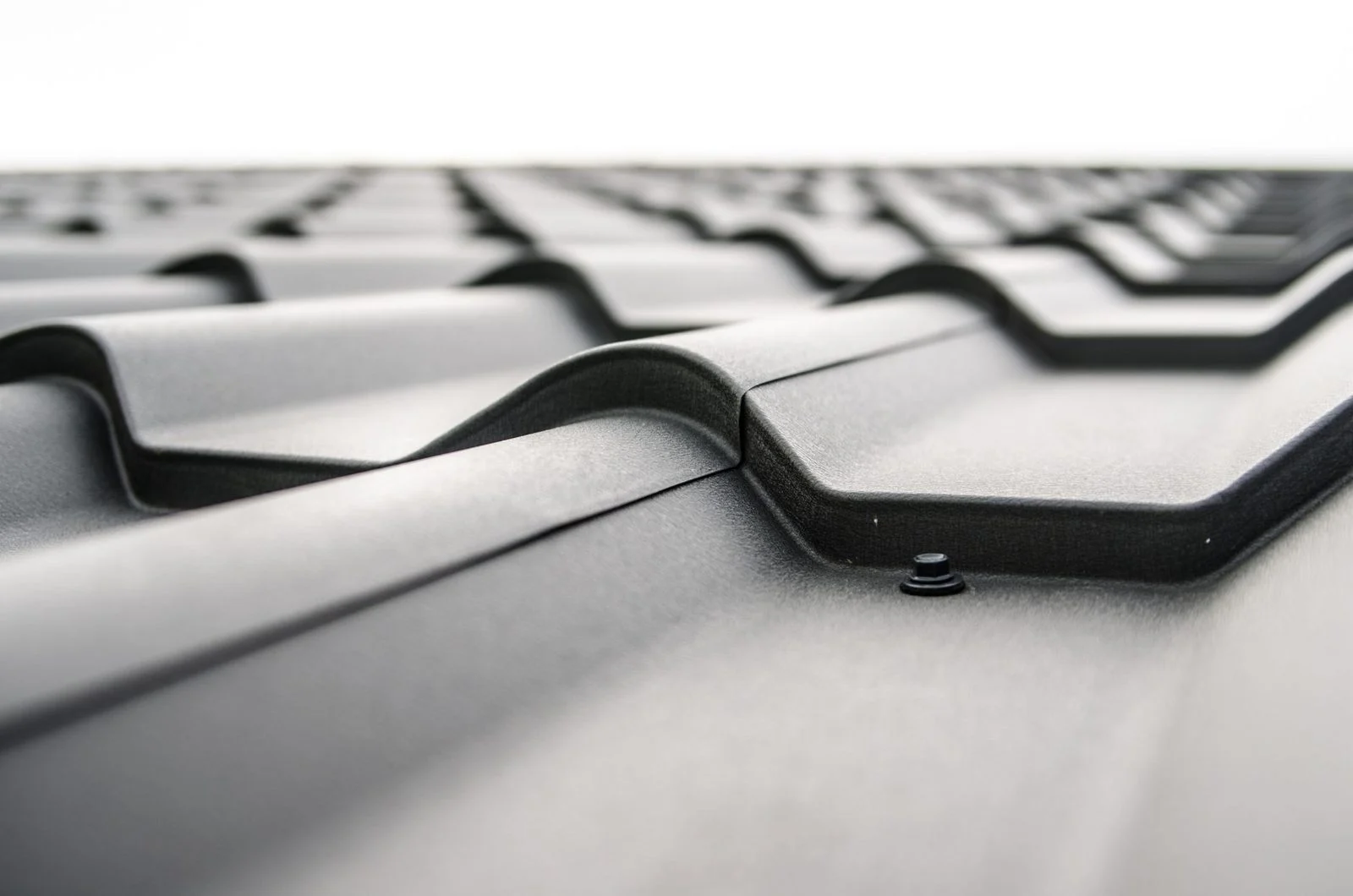
Approval is product-specific. Miami-Dade County publishes approvals for metal roofing panels, including panels made in a barrel-tile profile. See this Miami-Dade County product approval as an example of what an approval covers.
Ask for the product’s evaluation report. Attachment details, such as how a product is anchored to the structure, are an important part of a product’s documentation. It must also list the limitations and conditions of use.
Installation Details That Matter Near the Water
Installation quality often decides how a metal roof performs, even with a strong panel. Flashing at edges, valleys, roof penetrations, and wall transitions needs close attention. Water and salt often get in at these points first.
Two different metals in contact can speed up corrosion. Use fasteners and trim that are compatible with the panels. Mismatched parts are a common source of trouble near salt air.
The Metal Construction Association certification program sets quality standards and states certification requirements for metal roofing. When you review a product, ask whether its maker follows a recognized program like this one.
Maintenance That Helps Metal Panels Last in Salt Air
Rinsing salt off the panels and checking the roof on a regular schedule keeps metal in better shape. Rinse with fresh water, especially after a storm.
Check the fasteners first. Loose or backed-out fasteners can lift a panel and let water in. Look for scratches and damaged coatings, since bare metal rusts faster. Inspect sealant and trim for wear too.
Act quickly on surface rust, exposed bare metal, or water staining at seams. Those signs point to a problem that can spread if left alone.
Is a Metal Roof Worth It for a Coastal Florida Home?
A metal roof can be a sound choice for a Gulf Coast home, but the trade-offs are real. Upfront cost is higher than many roofing types. Weight and noise during rain are other factors to weigh.
The right answer depends on your home, roof pitch, exposure, and budget. Weigh those together before you decide.
Repairs can also raise code questions. This applies to roofs built, repaired, or replaced under the 2007 code or later editions.
Will a metal roof hold up in a Fort Myers storm?
After Hurricane Ian, the Insurance Institute for Business & Home Safety found that metal roofing systems held up well in winds below 130 mph in Southwest Florida. Panel performance still depends on the full system.
Does Florida require approval for metal roofing?
Yes. Roofing falls under Florida’s statewide product approval system, and approved products must be used consistent with their approval conditions.
Is standing seam better than exposed fastening?
Concealed fastening is often discussed for wind and water performance. Your roof’s pitch, exposure, and budget should guide the choice.
Not sure what your next step is?
Talk it through with our team — the first consultation is free, confidential, and carries no obligation.
Request a Metal Roofing Estimate for Your Home
If you’re choosing between panel types for a roof that faces salt air, the next step is a conversation about your roof. Picture a homeowner in Fort Myers or Naples with an aging roof. They’re weighing standing seam against exposed fasteners and unsure what the coating and attachment should look like.
Share your roof’s exposure, your current roof type, and your panel questions with our team. We’ll walk through your options with you. Your first consultation is free, confidential, and carries no obligation to continue.
Request a free estimate for your metal roofing panels today.
What to Consider When Choosing Metal Panels
Wind Resistance
Evaluate the complete roof system, including panels, fasteners, and underlayment, not just the panel finish.
Coastal Exposure
Fort Myers homes face salt air and humidity, so coating and material choices matter for long-term performance.
Product Approval
Ask whether the roofing system carries the approvals required for Florida installations before work begins.
Installation Quality
Proper fastening, flashing, and detailing are as important as the metal itself.
Look at the System, Not Only the Panel
Panel performance depends on the full roofing system. Ask about fastening, underlayment, edge detailing, and how the roof is installed on your home.
Metal Roofing Options for Fort Myers Homes
Standing Seam Panels
Concealed fasteners and continuous seams give a clean profile and help limit exposed fastener points.
Exposed Fastener Panels
A cost-conscious option with a classic look, best installed with careful attention to fastener placement and sealing.
Metal Shingle Systems
Designed to resemble traditional shingles or tile while offering metal's durability and lighter weight.


