


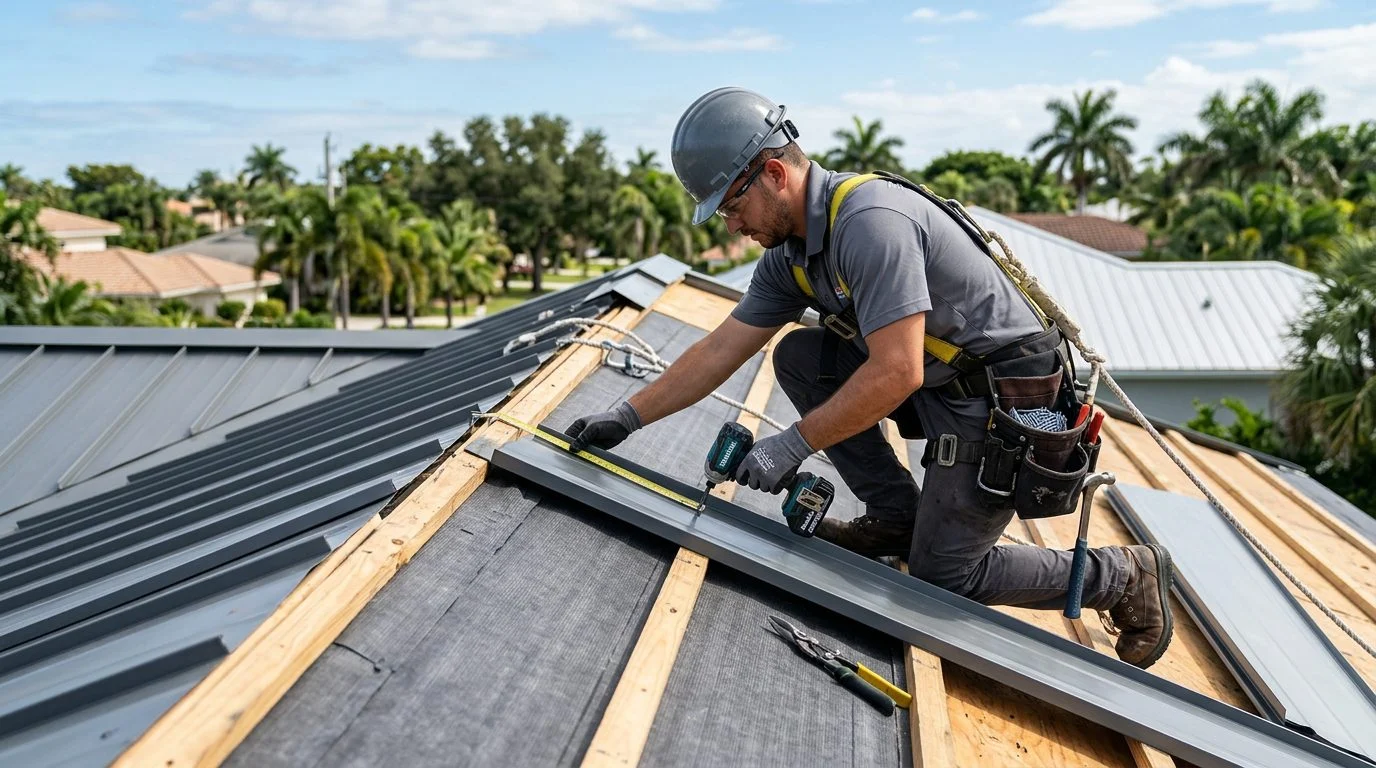
Metal Roofing · South Florida Homes
Take Control of Your Roof with Residential Metal Roofing
Compare metal roofing options for homes in Miami, Fort Lauderdale, West Palm Beach, Kendall, Naples, Fort Myers, and Boca Raton. Start with a free first consultation: confidential and with no obligation to continue.
By Jonathan Rodriguez · Published October 18, 2026
Residential metal roofing independence means a metal roof works as its own long-term system. It doesn’t have to be replaced on the same schedule as the rest of the house. For South Florida homeowners, the real question is how the roof performs and gets paid for over decades, not only the first invoice. This guide compares metal roofing with tile and walks through the cost, code, and insurance points that shape the choice.
What Residential Metal Roofing Independence Means
Residential metal roofing independence describes a roof that stands as its own system. A metal roof is a long-term covering. It isn’t a part that wears out right alongside everything else in the house.
The phrase is about performance over time. It also covers how the roof gets paid for. The price on the first invoice is only one piece of that.
Metal panels are commonly coated at the factory. The Metal Construction Association guide explains that steel and aluminum panels are typically finished with a two-coat paint system. Ask our team about that finish when you contact ASP Superhome.
This guide compares metal roofing with tile for homes across South Florida. It covers cost, upkeep, code, and storm exposure.
If an aging tile roof or a storm leak has you weighing a metal replacement, our team can start with a free first consultation. Talk it through with our team — the first consultation is free, confidential, and carries no obligation.
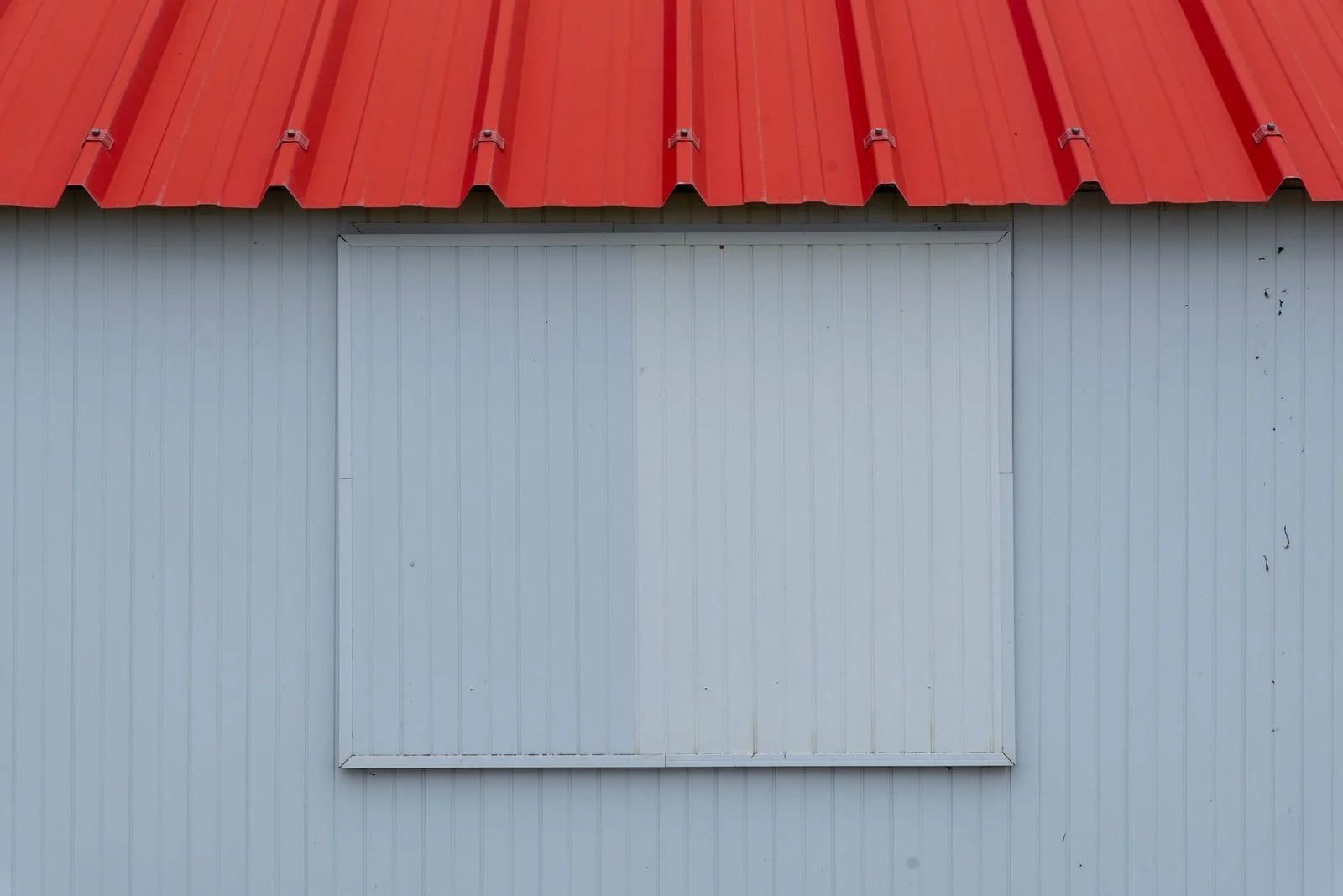
The Cost Drivers That Shape Lifetime Roof Cost
Lifetime roof cost has five main parts. They are installation, routine maintenance, repairs, expected service life, and replacement timing. Each one adds to the total, and they arrive at different times.
Installation is the first bill. Routine maintenance adds smaller costs over the years. Repairs come when something fails, such as a damaged flashing or a loose section. Expected service life sets when the next large bill arrives.
Upfront price and lifetime cost can rank differently. A lower first quote can cost more in the end if it brings more repairs and an earlier replacement. Put both options on the same timeline before you compare them.
Materials, roof pitch, roof area, and access all change the quote. A steep roof or a tight lot adds labor. No one can give an accurate price without seeing your roof, so a site inspection turns a rough idea into a real number.
Metal Roofing Versus Tile Roofing Over the Long Term
Metal and tile can both serve South Florida homes for a long time. They ask different things of your roof and your budget.
Tile is heavy. The structure beneath it has to carry that load. The underlayment and fastening under the tiles matter as much as the tiles themselves. The Insurance Institute for Business & Home Safety describes residential tile materials, steep-slope applications, and common installations in its Roof 101 overview. When a few tiles break, a repair often means lifting and resetting the tiles around them.
Metal roofing needs periodic inspection of fasteners, seams, and flashing. Keep debris off the surface too. A small problem at a seam is easier to fix when someone catches it early.
Repair exposure is a key difference. A tile repair can touch many nearby pieces. A metal repair often focuses on one panel, seam, or fastener area.
Neither material fits every home. Your roof’s structure, your budget, and your plan for upkeep should drive the choice.
Repair Versus Replacement Under Florida Code
Under Florida law, when 25 percent or more of a roof section is repaired, replaced, or recovered, only that portion must meet the current code. It applies when the existing roof was built, repaired, or replaced under the 2007 Florida Building Code or a later edition. Whether it applies to your roof depends on the facts of its prior work.
Permits add time to any roof project. Permit requirements for roofing work can vary by city and county, so our team can explain what may apply to your project. Permit review timelines vary, so our team can discuss expected timing for your project. Roofing permit paperwork varies by project, so our team can explain what your project may need.
Build the schedule around the permit, not only the work. Set the start date after the permit clears. That keeps the crew, the materials, and the homeowner on the same timeline.
Wind, Storm Exposure, and South Florida Building Requirements
The Florida Building Code governs how buildings are designed, built, and repaired. That includes roofs. The Legislature has found that the code reduces property damage to buildings built to its requirements.
Field evidence helps too. The Insurance Institute for Business & Home Safety found that metal roofing systems held up well in winds below 130 mph in its Hurricane Ian roof cover assessment of Southwest Florida.
Installation details matter as much as the material. How a roof is fastened, sealed, and attached affects how it handles wind. The label on the panel doesn’t settle that alone.
Insurance rules also touch the decision. For a roof at least 15 years old, an insurer must allow an inspection by an authorized inspector, at the homeowner’s expense, before requiring replacement.
Planning a Metal Roof Alongside Solar Panels and Other Upgrades
A roof replacement and a solar project can be planned together. That way, the mounting work happens once. Roof age and condition matter here, because solar panels attach to the roof structure.
Sequencing is the practical question. Replacing an aging roof before panels go on can avoid a second round of removal and reinstallation. Check the roof’s condition before you set the solar order.
Federal tax rules say a solar panel installed as a roof is not treated as ineligible solely because it is a structural component.
Other upgrades can share the same timeline. Solar battery backup, impact windows, impact doors, and kitchen remodeling are separate projects. Planning them in one conversation keeps the schedule clear.
Not sure what your next step is?
Talk it through with our team — the first consultation is free, confidential, and carries no obligation.
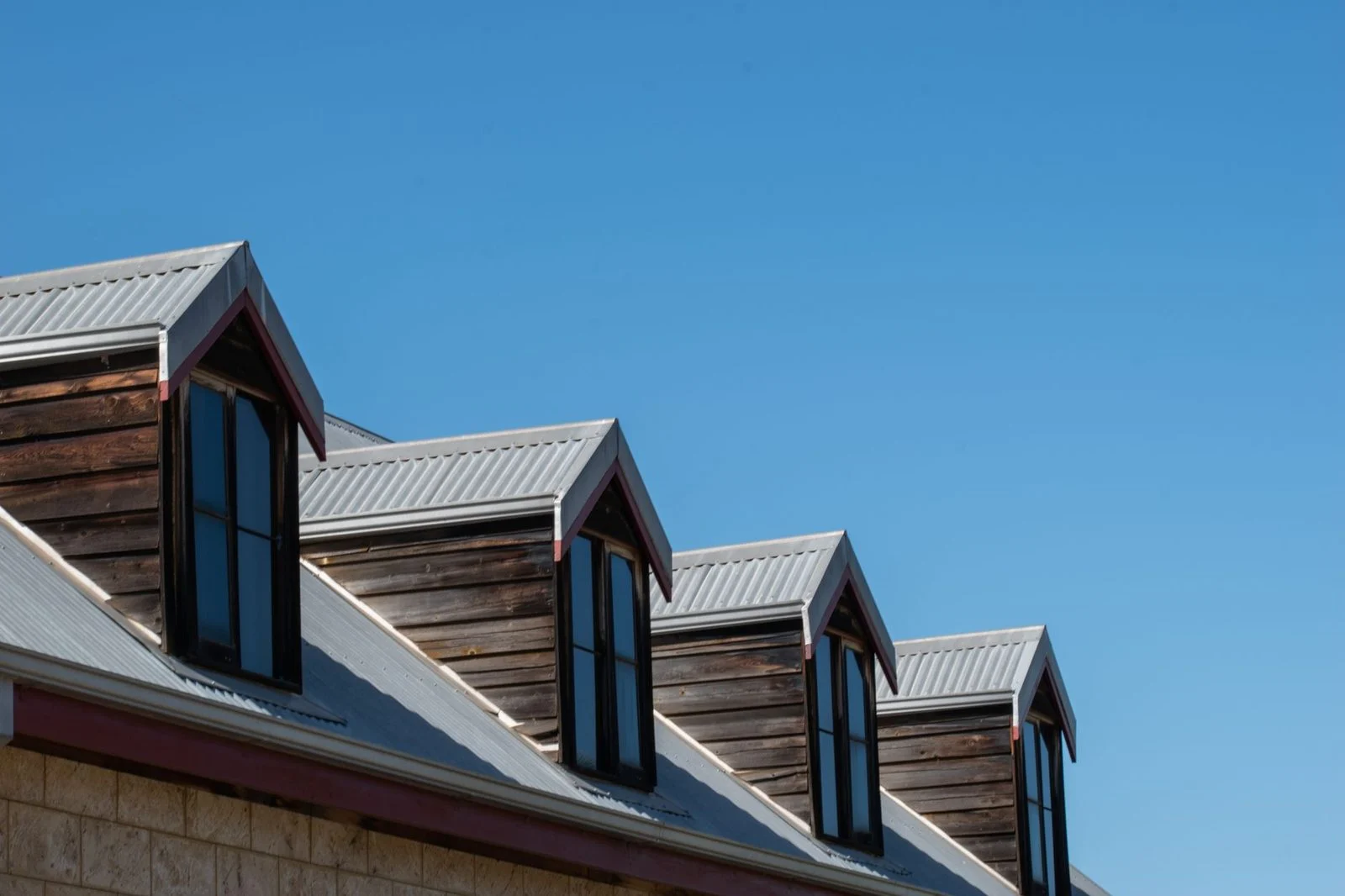
Talking Through Your Roof Decision With ASP Superhome
Start with a free first consultation if you’re choosing between metal, tile, or a full replacement. Maybe your tile roof is aging. Maybe a leak showed up after a storm. Maybe you need a decision this season. Residential metal roofing independence is one piece of that decision, not the whole decision.
Our first consultation is free, confidential, and carries no obligation to continue. Our team can compare metal and tile options for your home and explain what a site inspection involves. Request your free first consultation when you’re ready to talk.
Frequently Asked Questions
Is metal roofing better than tile in South Florida?
Neither material fits every home. Your roof’s structure, budget, and upkeep should guide the choice.
Do I need a permit to replace a roof in Miami?
Permit rules depend on where the property sits. Miami-Dade County and the City of Miami may apply different requirements, and some minor repairs may be exempt. Contact our team to confirm what applies to your roof.
Can solar panels and a new roof be planned together?
Yes. Scheduling them together lets the mounting work happen once.
Does residential metal roofing independence affect my insurance?
Florida’s inspection rule covers any roof at least 15 years old, whatever its material. The inspection is performed by an authorized inspector, and the homeowner pays for it.
Why Homeowners Consider Metal Roofing
Built for South Florida Weather
Metal roofing is one of the materials homeowners consider when they want a durable roof for the region's heat, humidity, and storm season.
Options That Fit Your Home
Metal roofing comes in several profiles and finishes, so you can match the look of your home and your neighborhood.
Clear Planning Steps
We explain the structure, budget, and upkeep factors that shape the right choice before any work begins.
Support From Our Team
Our team of assistants and office staff helps you schedule your consultation, gather details, and follow up on your questions.
Check Permit Requirements Before You Start
Permit rules depend on your property's location and on the scope of the work. Some roofing projects require permits and others may not. Ask us how permit requirements apply to your home before you schedule installation.
Planning Your Metal Roof
Review Your Roof Structure
Your roof's framing, decking, and existing layers affect which metal system is practical for your home.
Set a Realistic Budget
Metal roofing costs vary by material, profile, and project scope. Clear numbers help you compare options with confidence.
Plan for Upkeep
Routine inspection and cleaning help a metal roof perform well over time. We can outline a maintenance approach for your home.
Get Your Free Estimate
Share your home's details and we will review your options with you in a confidential, no-obligation consultation.


