


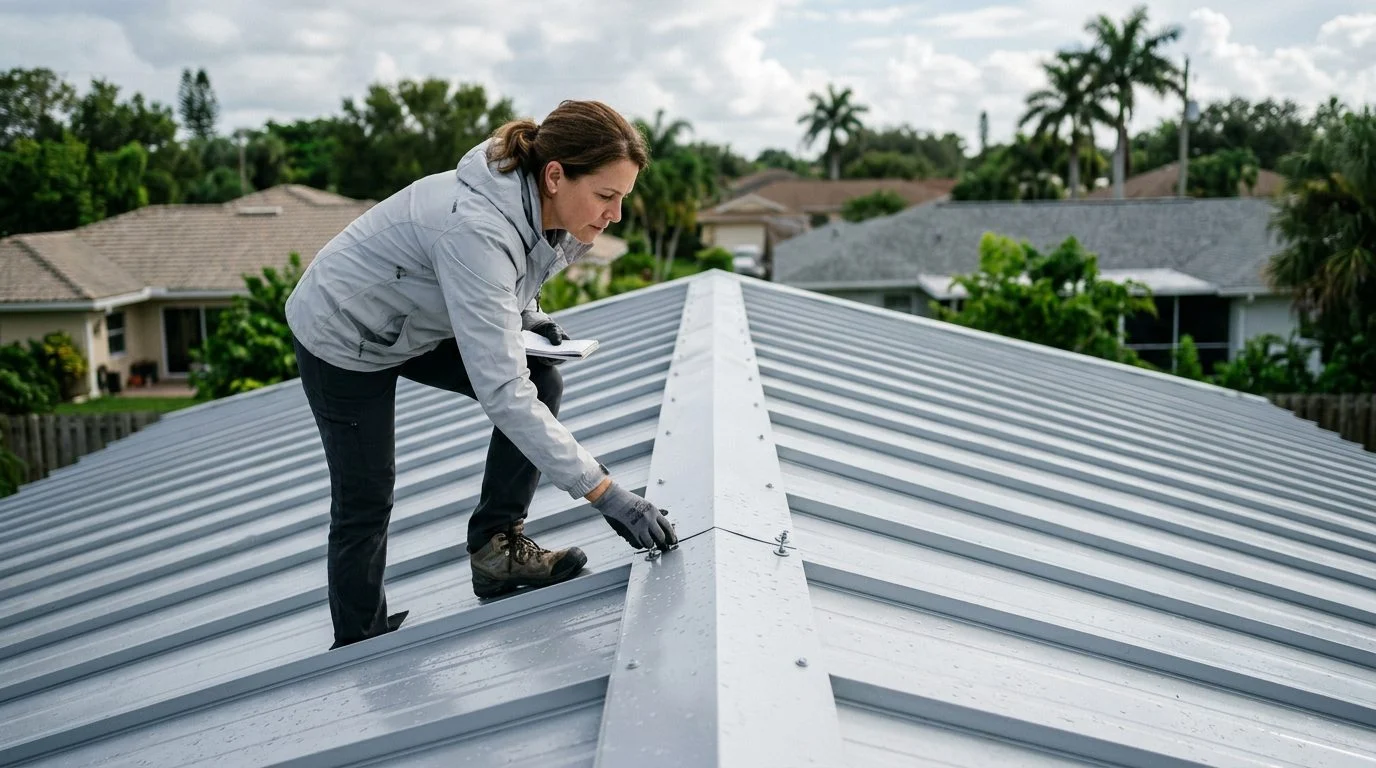
Metal Roofing | South Florida
How Much Is Metal for a Metal Roof?
A plain-language guide to what drives metal roofing costs in Miami, Fort Lauderdale, West Palm Beach, Boca Raton, Naples, Fort Myers and Kendall, and how to read a quote with confidence.
By Jonathan Rodriguez · Published October 19, 2026
How much is metal for a metal roof? It depends on whether the number covers only the panels or the full installed roof. Many quotes combine both, and that is where confusion starts. This guide explains how metal roofing is measured, priced, and checked in South Florida. It’s written for anyone reading a quote for a home in Miami, Fort Lauderdale, Naples, or another local city, whether that’s you or someone you’re helping.
What the question usually means: material cost versus installed cost
When people ask how much metal costs, they usually mean one of two things. They may mean the price of the metal panels themselves. Or they may mean the full installed price of the finished roof.
The installed price is the material plus labor. It also covers tear-off of the old roof when one is needed, underlayment, flashing, and trim. Each of these adds to the total. A panel price alone will always look lower.
Labor is a large part of the bill, and it changes with roof size, slope, and access. Ask ASP Superhome to show these costs on separate lines.
Before you rely on any figure, ask what it covers. A free first consultation with ASP Superhome can clarify exactly what work is included. A clear estimate states its scope in writing, so you know exactly what is included.
If a metal roof quote for your home has you stuck on the numbers, our team is ready to review it with you. Talk it through with our team — the first consultation is free, confidential, and carries no obligation.
How metal roofing is measured and priced
Most roof quotes measure the roof in squares. One roofing square equals 100 square feet of roof area.
Roof area is not the same as the square footage of the house. Pitch, overhangs, and roof shape all change the roof area. A steep roof with several planes covers more surface than its footprint. That means a 2,000 square foot house does not translate directly into a 2,000 square foot roof.
Here is a simple example. Suppose the roof planes add up to 2,400 square feet of roof area. Divided by 100, that is 24 squares. Your quote should show the squares it used, so you can check the math against your own measurements.
For a sizing example based on a smaller home, see the 900 sq ft house cost guide.
Reading panel sizes: what a 3 ft by 10 ft or 20 ft sheet covers
A panel’s listed width is not the width it covers on your roof. Metal panels overlap at their ribs or seams. Part of each panel sits under its neighbor.
That overlap means a 3 ft wide panel covers less than 36 inches of new roof. The exact coverage depends on the profile. A panel’s length is set by the roof run, which is the distance from the eave to the ridge.
Longer sheets mean fewer seams. They are also heavier and harder to handle on the roof and to move to the job site.
When you see a length such as 10 feet or 20 feet, don’t stop there. Ask the quote to state coverage per panel, in square feet or squares. A length alone doesn’t tell you how much roof a panel covers. Clear coverage figures make it easier to check whether the panel count matches the roof area.
Cost factors: material type, gauge, and profile
Metal type, steel gauge, and panel profile each shift the material side of a quote.
Steel, aluminum, and premium metals such as copper or zinc are the main options. According to the Metal Construction Association, finished steel and aluminum panels are commonly factory coil coated, with a typical two-coat paint system. Copper and zinc usually cost more in material. Ask the quote writer how each option is finished and cared for.
Steel gauge works in reverse. A lower gauge number means thicker steel. Thicker steel generally costs more, so gauge is a direct lever on price.
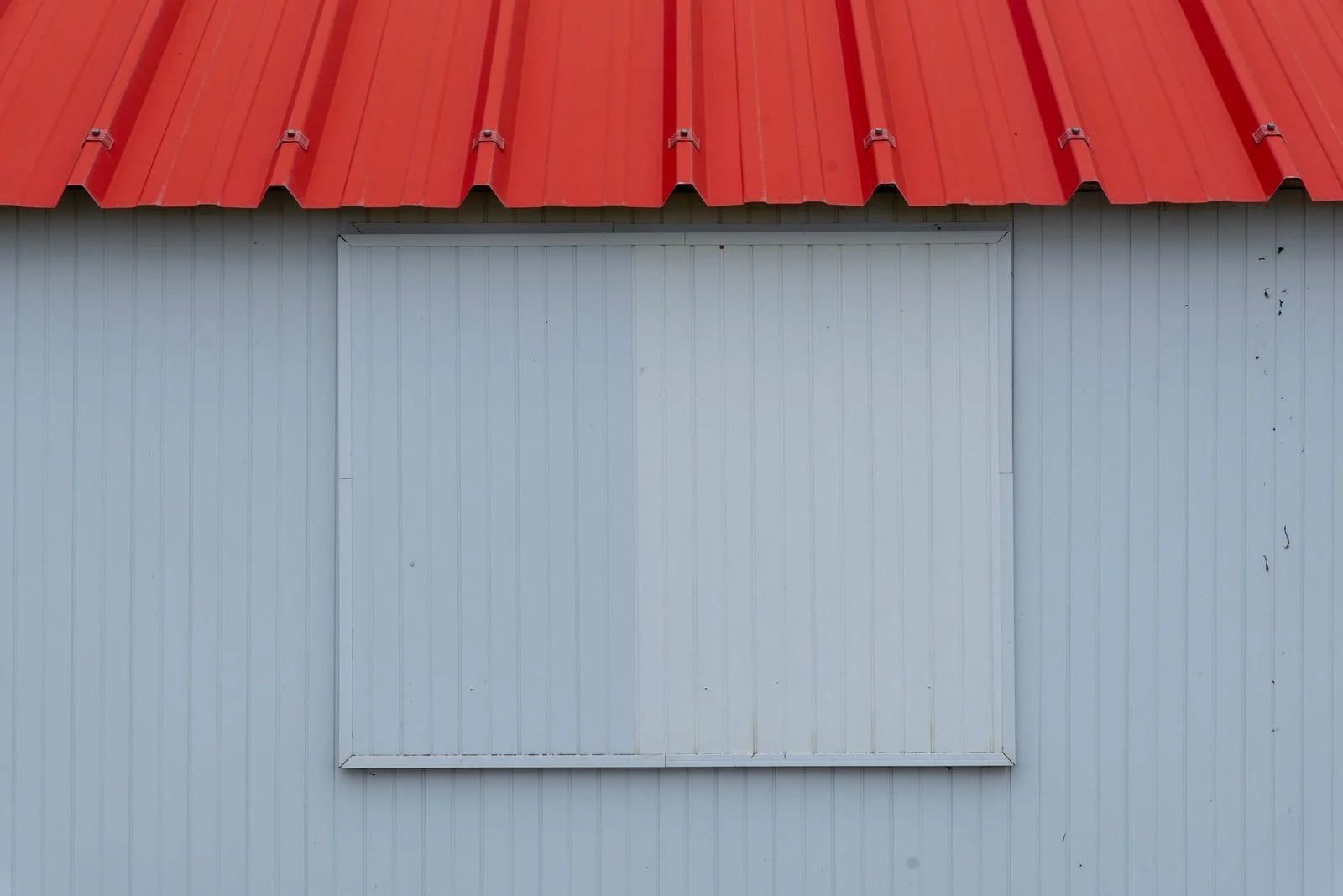
Standing seam panels hide their fasteners under raised seams. Corrugated and exposed-fastener panels show fasteners on the surface. Seam profiles usually take more labor to install, so the quote should itemize that labor.
For background on product choices, start with the metal roofing options overview.
South Florida factors: wind ratings, code, and the old roof
Florida code rules can change the material list on a South Florida roof. A changed material list changes the price.
Under Fla. Stat. § 553.842, roofing is one of the product categories that must receive statewide approval. Under Fla. Stat. § 553.73, the Florida Building Code governs the design, construction, and repair of buildings. Your quote should name the products and approvals it relies on.
Permits add steps too.
Removing an existing roof layer, repairing the decking underneath, and hauling away old materials each add line items. Some quotes list these separately. Others bundle them into one number. Ask which approach your quote uses.
How long metal roofing lasts and why that matters to the budget
A higher upfront price is easier to judge when you also look at how long the roof is expected to last.
One published assessment looks at metal roofs in a major storm. The Insurance Institute for Business & Home Safety reports that metal roofing systems held up well in winds below 130 mph in Southwest Florida during Hurricane Ian. That is a finding about one storm and one region. It is not a promise about your roof.
Expected service life is a separate question. For how often a metal roof may need replacing, read our replacement timing guide.
Ask for the warranty in writing. Read what it covers, how long it lasts, what it excludes, and what you must do to keep it in force.
Not sure what your next step is?
Talk it through with our team — the first consultation is free, confidential, and carries no obligation.
What a written estimate should include
A clear written estimate lists roof area in squares, panel type and gauge, profile, underlayment, flashing and trim, tear-off, permits, and cleanup.
Ask ASP Superhome to confirm that your estimate describes the full scope of your roof before you decide. Look for the same square count, metal and gauge, profile, and tear-off scope. Every line item should appear in your estimate, so ask ASP Superhome to list each one.
Permit timing matters to the budget.
Frequently asked questions
How much is metal for a metal roof?
It depends on whether the number covers only the panels or the full installed roof.
What is a roofing square?
One roofing square equals 100 square feet of roof area.
What does a lower steel gauge number mean?
A lower gauge number means thicker steel, which generally costs more.

Talk through your metal roof budget with our team
If you’re reading a metal roof quote for a parent’s home, a rental you manage, or an aging or storm-damaged roof, the numbers can feel like too much at once. You don’t have to work through them alone.
Our first consultation is free, confidential, and carries no obligation to continue. Bring your quote and your questions. Our team can review roof area, material choice, and scope with you.
Request your free estimate and we’ll start with your roof measurements. For more on metal roofing in South Florida, see the metal roofing guide.
What to Confirm Before You Compare Numbers
Scope of the number
Some figures cover only the metal panels. Others cover the full installed roof, including underlayment, trim and fasteners. Confirm which one you are looking at.
Roof measurement
Roofing is commonly measured in squares, where one square equals 100 square feet of roof area. Ask how the roof was measured and what waste allowance was included.
Steel gauge
A lower gauge number means thicker steel. Thicker steel generally costs more, so the gauge should match the panel system and the wind and weather demands of your home.
Impact and wind considerations
South Florida homes face demanding weather. Ask how the roofing system is designed to hold up to wind-driven rain and storms.
Tip: Make Sure the Quote Matches Your Roof
Before you decide, confirm whether the quote includes tear-off, disposal, underlayment, flashing and labor. A low figure that leaves out key components can change the final cost.
Factors That Shape Metal Roof Pricing
Panel style and profile
Standing seam, corrugated and other profiles differ in material use, installation time and appearance.
Roof size and pitch
Larger roofs and steeper pitches need more material and more labor, which raises the overall estimate.
Roof condition
Removing an old roof, repairing decking or addressing hidden damage can add to the scope of the project.
Related upgrades
Solar panels, attic ventilation or other improvements planned at the same time can affect how the work is sequenced and priced.


