


Metal Roofing · Fort Myers, FL
Metal Roofing in Fort Myers: Clear Costs, Panel Options and Wind Facts
Understand what drives the price, which panels suit South Florida's weather, and how metal holds up to wind and salt air before you commit.
By Jonathan Rodriguez · Published October 15, 2026
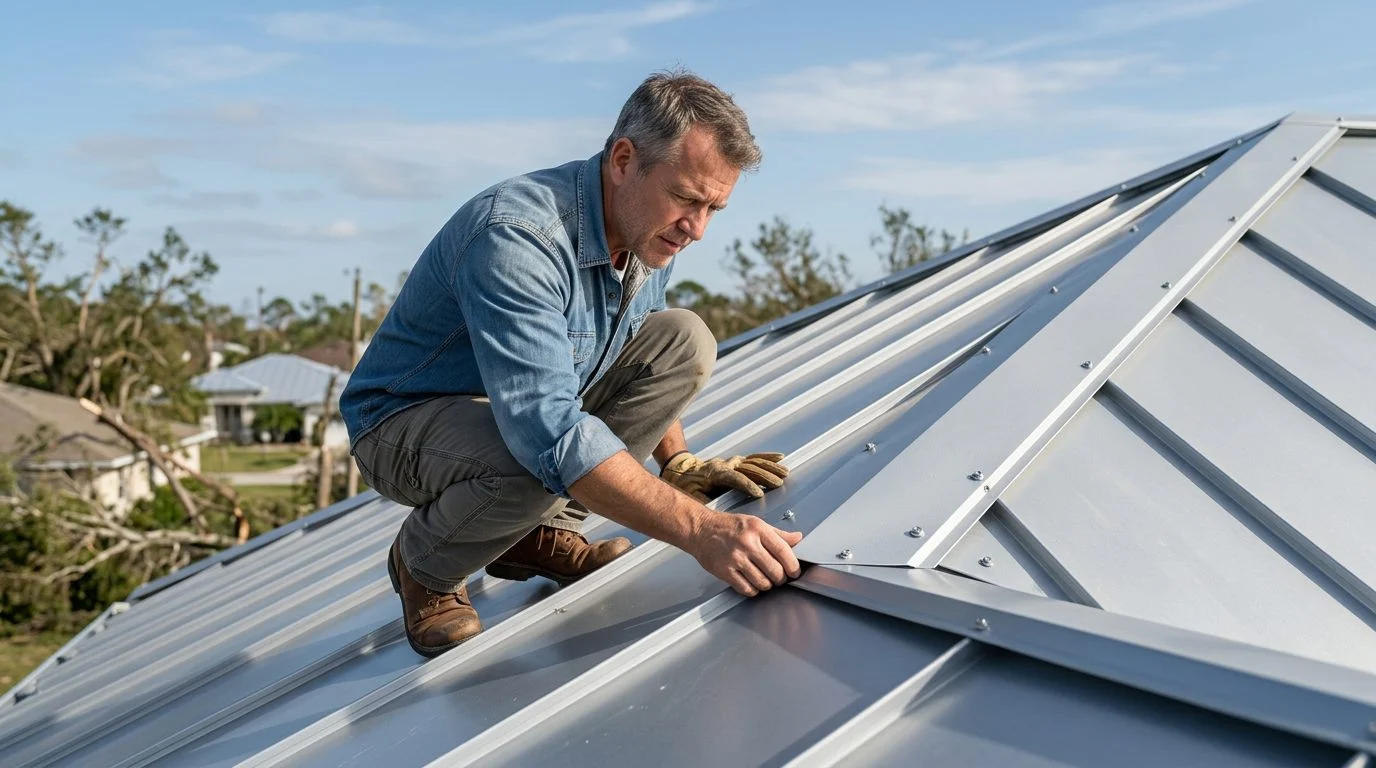
Metal roofing Fort Myers Florida projects have no single price. The final cost depends on roof area, panel type, roof shape, and the work hidden under the old roof. Metal can hold up well in South Florida winds when the panel, fasteners, and installation match the site.
This guide covers cost drivers, panel types, wind and salt air, common problems, and the trade-offs. Maybe you’re researching this for a parent or a rental property you manage. Maybe a leak or storm started the search. Either way, you need clear information to decide well.
What Does Metal Roofing Cost in Fort Myers?
Metal roofing cost follows the size and shape of the roof, not the floor plan. A 2,000 square foot home does not have a 2,000 square foot roof. Roof area is usually larger than floor area because of pitch, overhangs, and separate roof planes.
Complexity adds cost. Valleys, hips, and penetrations like vents, skylights, and chimneys each need extra cutting, flashing, and labor. The more breaks in the roof, the more detailed work the crew must do.
Hidden work matters too. Tear-off, which means removing old layers, adds labor and disposal. Rotted decking must be repaired before new panels go on. Underlayment and flashing are required parts of a sound roof.
When you book your free estimate, you can ask ASP Superhome which work your project includes, such as whether removing existing materials applies to your home. Each project’s specifics are confirmed with you during your free initial consultation, which is confidential and carries no obligation to continue.
For a broader look at materials and costs, see our metal roofing overview for South Florida.
If a storm or leak has you weighing metal against repair, you don't have to sort it out alone. Our team offers a free, confidential first consultation with no obligation to continue. Talk it through with our team — the first consultation is free, confidential, and carries no obligation.
Which Metal Roof Panel Type Fits Your Home?
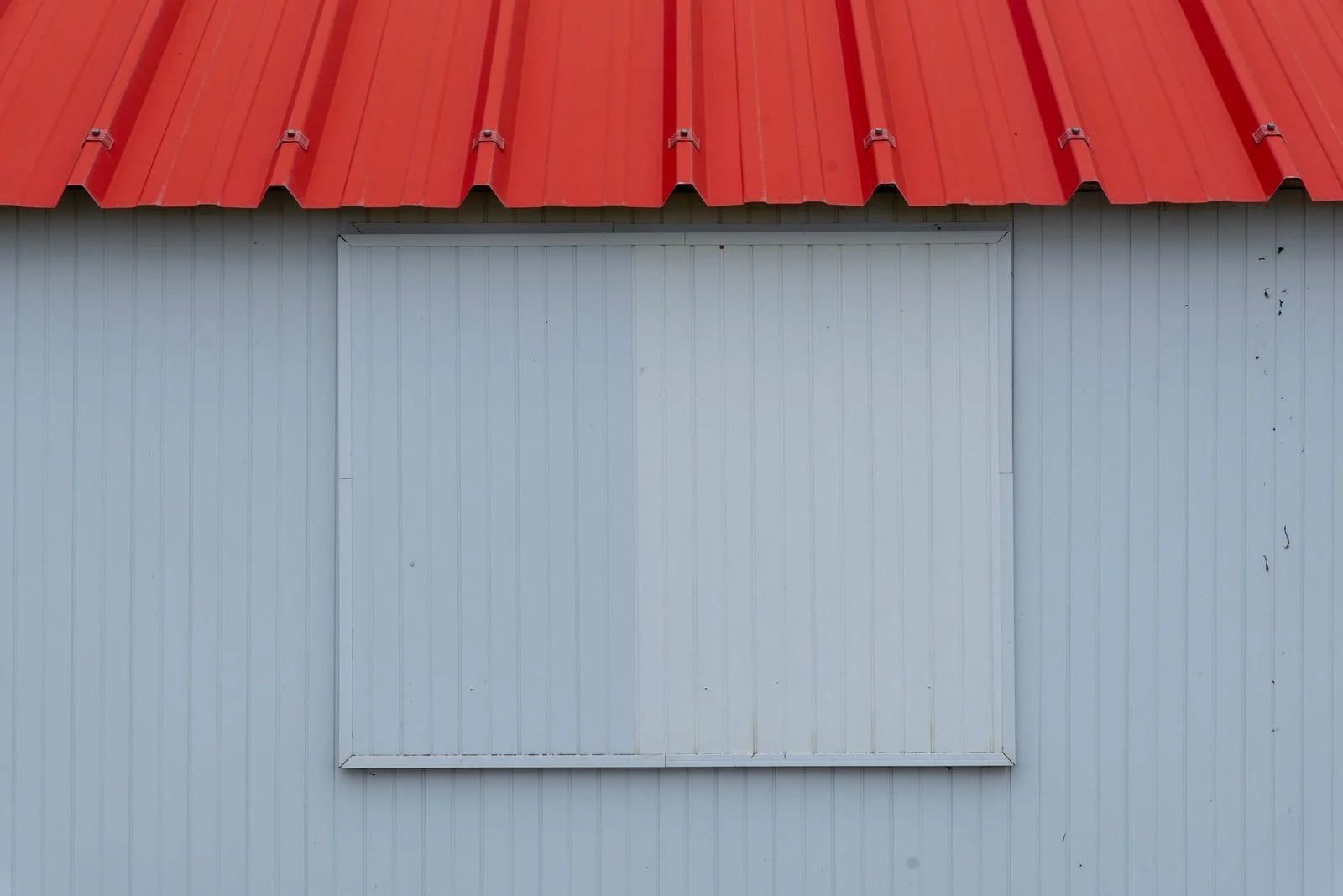
The common residential choices are 5V crimp, ribbed (R-panel style), standing seam, and metal shingle or tile-look systems. Each one looks different and installs differently.
5V crimp panels have sharp V-shaped ribs. Ribbed panels have wider, flatter ribs and a plainer look. Standing seam panels have raised seams that lock together. Metal shingle and tile-look systems copy traditional roof shapes in metal.
Fastening is the bigger practical difference. Exposed-fastener panels show screw heads on the surface. Those screws pass through washers that can crack over time. Screws can also back out as metal expands and contracts. Concealed-fastener panels hide their clips under the seams, so they often look cleaner.
Custom lengths and on-site roll forming can reduce the number of seams. Availability depends on the project. Ask whether these options fit your roof. No panel type is automatically the best choice for every home.
How Do Wind, Rain, and Salt Air Affect Metal Roofs in Lee County?
Metal roofing Fort Myers Florida installations must meet wind requirements for both the product and the site. Under Fla. Stat. § 553.842, roofing products may be approved through more than one route, including local product approval under Fla. Stat. § 553.8425. A product may not be advertised as hurricane or windstorm protection unless it is approved.
Fla. Stat. § 553.8425 lists how a product shows windload compliance. A product with a certification mark, label, or listing from an approved agency needs no further documentation to show code compliance.
Real storm data helps too. An IBHS study of Hurricane Ian in Southwest Florida reported that metal roof systems held up well in winds below 130 mph. That finding covers the winds in that study, not every storm.
Salt air adds another test near the coast. Coating type, panel metal, finish, and fastener corrosion resistance all matter. Ask which of these your proposal specifies. Confirm wind ratings in writing before you sign.
What Are the Biggest Problems With Metal Roofs?
The most common complaints are noise in rain or hail, oil canning, fastener backout, dents, and flashing mistakes. Most of these trace to panel choice, underlayment, fastening, or installation rather than the metal alone.
Noise depends on what sits under the panels. Decking and underlayment affect how loud rain sounds on the roof.
Oil canning is the waviness that can show up in large, flat panel sections. Panel profile and careful installation can affect how visible it is.
Metal expands and contracts with heat. That movement can loosen exposed fasteners over time, so fastener choice and periodic inspection matter.
Dents can come from hail or flying debris. Thicker gauge panels generally resist dents better than thin ones. Flashings and penetrations are where installation errors often show up, so ask how each one is detailed.
Weigh the upfront cost against how long you plan to keep the home. This guide does not promise a lifespan for any roof.
How Does Metal Roofing Compare With Tile Roofing?
Metal is lighter than most tile, so the structure underneath affects which option works. Tile is heavy and needs framing that can carry the load. ASP Superhome offers both metal roofing and tile roofing, and both need an on-site check.
Appearance differs. Metal comes in standing-seam, panel, and shingle-look styles. Tile has its own shapes and textures. Both can be finished in many colors.
Maintenance also differs. Metal roofs need attention to fasteners, sealants, and flashings. Tile roofs need checks for cracked or slipped pieces and the underlayment beneath. Both benefit from regular inspection.
Check framing, decking, and existing layers before you choose. The right material depends on your home’s structure, your look, and your budget.
What Should You Check Before You Accept a Metal Roof Quote?
Before you accept any quote, confirm these items in writing:
- Panel profile and gauge, named exactly
- Fastener type and where each one goes
- Underlayment and flashing details
- Which permits apply to your property, and who pulls them
- Tear-off and disposal of old materials
- Warranty terms, without assuming a length
Permit rules vary by location. Miami-Dade County’s roofing permit guidance shows how one county lists required forms and checklists. Confirm your own permit path with your contractor.
Florida also sets contract rules for roof work. A contractor may not sign a roof repair or replacement contract without a required notice, and you may void the contract within 10 days if it is missing (Fla. Stat. § 489.147). If the work relates to an insurance claim, the contract must advise you to verify coverage before signing.
Partial work has a threshold. This applies when the existing system was built or repaired to the 2007 code or later.
Quick Answers
How much does metal roofing cost in Fort Myers? No single price applies. Roof area, pitch, panel type, and tear-off drive the total.
Are metal roofs good in hurricanes? An IBHS study of Hurricane Ian reported that metal roof systems held up well in winds below 130 mph. Approval and installation still matter.
Do metal roofs need a permit? Roof work generally involves permits, and the rules vary by county and city. Confirm the permits for your property in writing.
Not sure what your next step is?
Talk it through with our team — the first consultation is free, confidential, and carries no obligation.
If You’re Looking Into This for Someone Else or After a Roof Problem
The decision in front of you is usually repair, replace with metal, or wait. A storm, a leak, or an insurance question may have started this search. You may be helping a parent or managing a rental property you didn’t plan to deal with.
You might see lifted panels, ceiling stains, or water after heavy rain. Those signs don’t tell you which path is right. They do tell you that the roof needs a closer look.
Gather a few details first. Note the roof’s age, where the leak appears, whether an insurance claim is open, how many layers are on the roof, and photos of the damage. These details shape whether repair or replacement makes sense.
Once you have those details, request a free first consultation with ASP Superhome. It is confidential and carries no obligation to continue.
Why Homeowners Start With ASP Superhome
Built for South Florida storms
We plan metal roofing around wind exposure, panel profile and fastening so the system fits your home, not a generic template.
Clear, itemized estimates
Our team explains roof area, panel type, roof shape and possible hidden repairs so you can see what each line of your quote covers.
One team for the whole home
ASP Superhome also handles impact windows, impact doors, roof repair, solar panels, solar battery backup and kitchen remodeling.
A confidential first step
Your free first consultation is confidential and comes with no obligation to continue.
Panel, Fasteners and Installation Work Together
A metal roof is only as strong as its weakest component. Wind performance depends on the panel profile, the fasteners, and how the system is installed on your specific roof. Ask for a written scope that names each of these.
What Shapes Your Metal Roofing Project
Roof area and shape
Square footage, pitch and roof complexity all change material and labor. Hips, valleys and multiple planes take more time to flash and seal.
Panel type
Standing seam, exposed fastener and other profiles differ in appearance, installation method and wind performance. The right choice depends on your home and budget.
Hidden condition
Decking, underlayment and old-roof layers are often revealed only after removal. Planning for possible repairs keeps the project on track.
Coastal exposure
Salt air near the Gulf and in Fort Myers neighborhoods calls for corrosion-resistant finishes and fasteners suited to the environment.


