


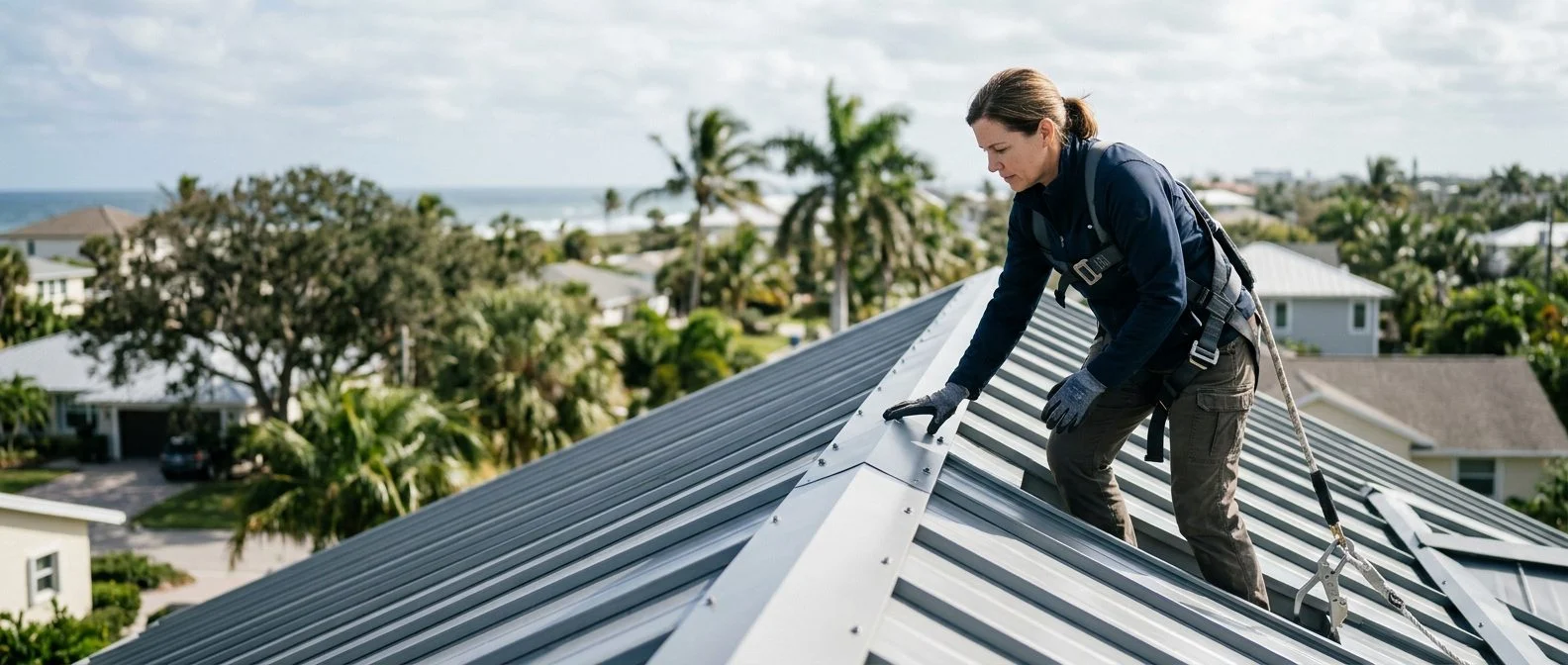
Roofing Codes | South Florida
Know the Roofing Codes Before Your South Florida Project Begins
A plain-language guide to how Florida building codes affect roof repair, roof replacement, impact windows and doors, and solar installations across Miami, Fort Lauderdale, West Palm Beach, Naples, and beyond.
By Jonathan Rodriguez · Published October 23, 2026
The short answer: the Florida Building Code sets roofing rules statewide
What are the current roofing codes in Florida? The main rulebook is the Florida Building Code, and it applies to roof repair and replacement across the state. The Florida Building Commission adopts it by rule, covering the design, construction, alteration, and repair of buildings (Fla. Stat. § 553.73).
Which code edition applies to a permitted project can depend on the facts of the job, so ask our team to confirm the requirements for yours. That makes the filing date a key detail for any re-roof.
Local building departments enforce the code, so statewide rules and local permit steps work together. For the full picture on metal roofs, start with our metal roofing guide.
If a storm damaged your roof or a permit notice has you stuck on code terms, our team can walk through your options with you. Talk it through with our team — the first consultation is free, confidential, and carries no obligation.
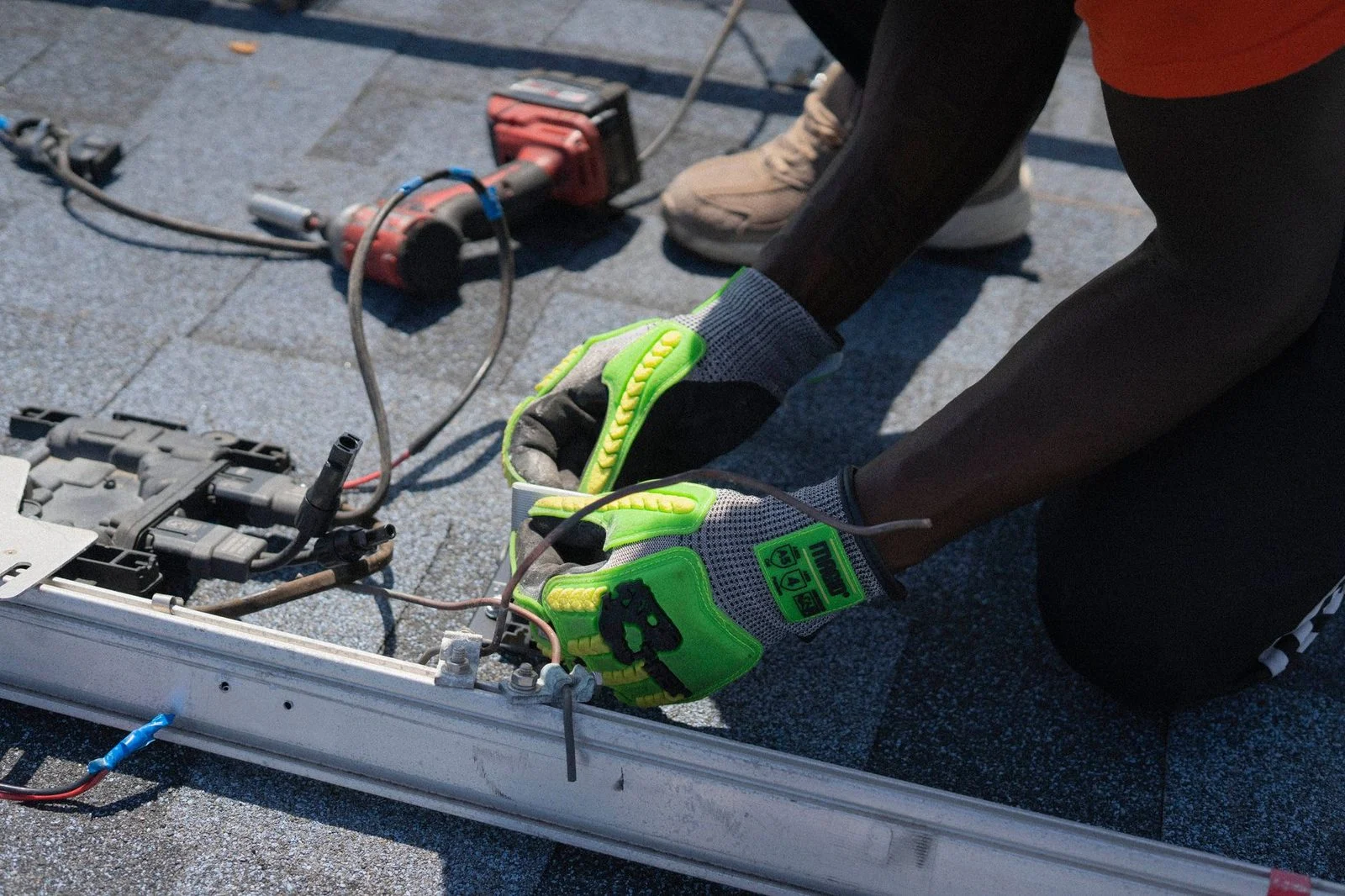
Why South Florida cities follow one code but still need local permits
Miami, Fort Lauderdale, West Palm Beach, Kendall, Naples, Fort Myers, and Boca Raton all work under the same statewide code. The differences show up in product approval and local permit steps.
Some roofing products need statewide approval before anyone installs them. The statute names roofing, windows, exterior doors, and impact protective systems among these categories (Fla. Stat. § 553.842). Once a product has statewide approval, a local government cannot require more testing, as long as the product is used as approved.
Permit timing also depends on the city. The City of Miami requires permits for residential and commercial roof repair or replacement. Plan your schedule with that window in mind.
Wind-load and installation rules that apply to every roof
Wind resistance is an important consideration for any roofing system in South Florida.
Florida law also limits how far a retrofit must go. During a roof replacement, roof-to-wall connections apply to a site-built single-family home in the wind-borne debris region if its insured value is $300,000 or more. If the home is uninsured or has no documentation of insured value, the trigger is a just valuation of $300,000 or more. Even then, the retrofit cost should not exceed approximately 15 percent of the cost of reroofing. Roof-to-wall connections shall not be required unless evaluation and installation of connections at gable ends or all corners can be completed for 15 percent of the cost of roof replacement (Fla. Stat. § 553.844). That threshold matters on older homes.
Opening protection is a separate rule. For permitted work of $50,000 or more that is applied for on or after July 1, 2008, opening protections are required for a structure in the wind-borne debris region as defined in the 2006 International Building Code, if its insured value is $750,000 or more (or, if uninsured or without documentation of insured value, a just valuation for the structure of $750,000 or more) (Fla. Stat. § 553.844). Certain roofing work done to protect a residence from deterioration is not subject to one opening-protection requirement for large permitted projects. This matters when roof work and impact window or door work are planned together.
How metal and tile roofs fit under the code
Metal and tile roofs follow the same code, but each raises its own product questions. Products with a certification mark, listing, or label from an approved certification agency need no further documentation to show code compliance (Fla. Stat. § 553.8425).
Approval stays valid only until the product changes in a way that lowers performance, the code’s standards change in a way that requires more, or the approval is otherwise suspended or revoked (Fla. Stat. § 553.8425). Changes to the code do not void approvals for products already installed that met the code when installed.
The IBHS roof cover assessment reviews how roof coverings performed in Southwest Florida during Hurricane Ian. For installation detail, see our standing seam metal roofing guide.
Tile needs its own structural check. The National Roofing Contractors Association states that clay and concrete tile is durable and used in Florida. It also says structural load capacity must be verified when replacing another roof covering with tile (NRCA roofing materials).
Permits, inspections, and what a re-roof involves
Permit requirements for repairs depend on the scope of the work, so our team can confirm what applies to your project. The permit ties together the scope, the approved product, and the installation method.
Partial work can matter too. When a roofing system installed in compliance with the Florida Building Code of 2007 or any later edition has work performed on at least a quarter of its area, then just the portion receiving that work is required to comply with the Florida Building Code currently in force, as applicable.
Does a roof replacement in Florida need a permit?
Whether a roof repair or replacement needs a permit depends on the project and applicable rules, so ask our team to confirm before work begins.
Which code edition applies to my roof?
How long does a City of Miami roofing permit take?
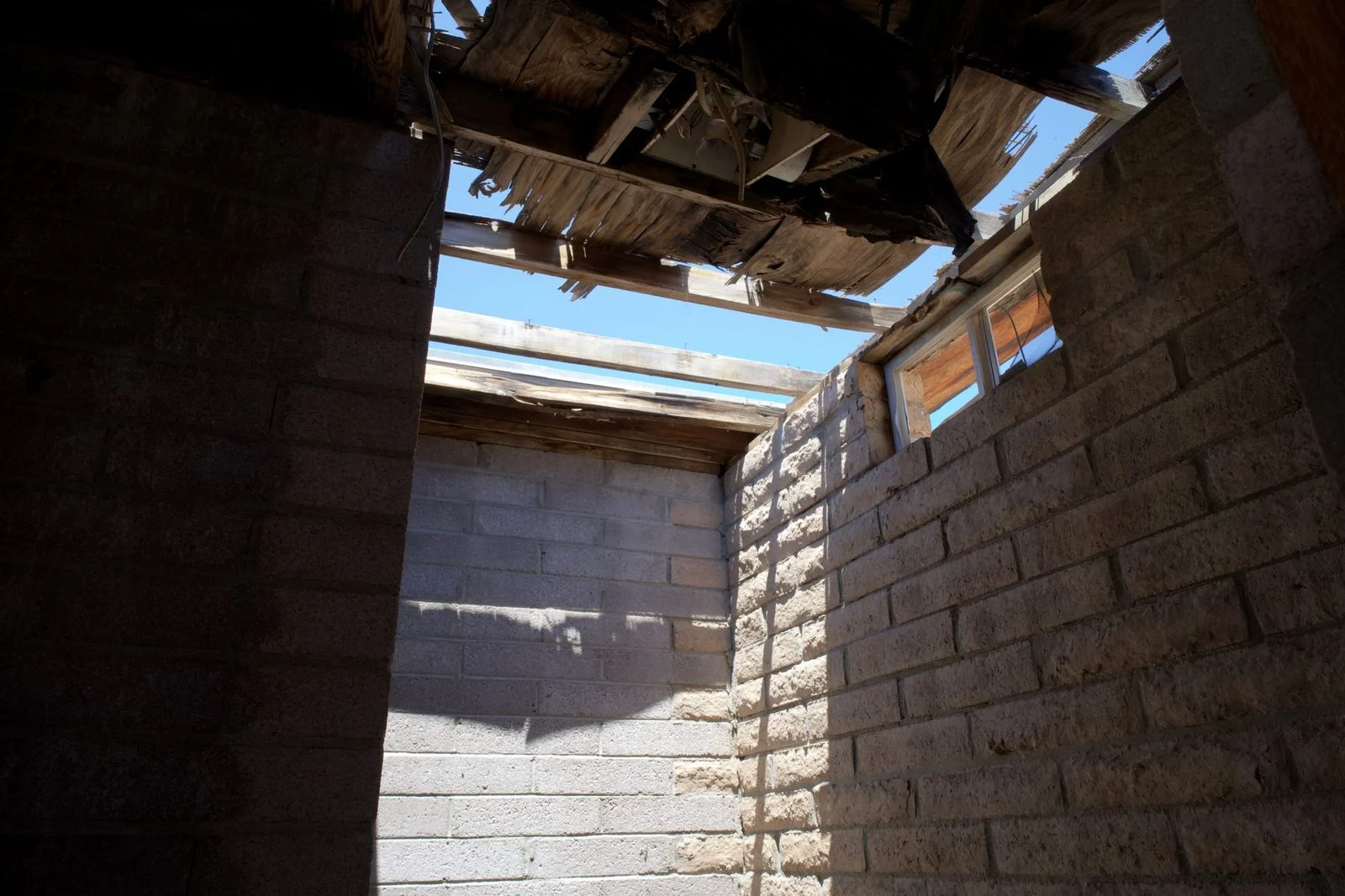
Talk through your roof situation with our team
If a storm left your roof damaged, or a permit notice or contractor quote has you stuck on code terms, you don’t have to sort it out alone. You may be reading this for a parent’s house or a rental you manage, and that’s a lot to carry.
Our first consultation is free, confidential, and comes with no obligation to continue. If you’d like help with your questions about the current roofing codes in Florida, reach out through our contact page and we’ll talk through your roof with you.
How ASP Superhome Can Help With Code Questions
Code Review for Your Project
Our team can walk you through the code requirements that may apply to your roof, windows, doors, or solar system before work starts.
Built for South Florida Conditions
We focus on roofing, impact windows and doors, and solar projects designed for the weather and building conditions common in South Florida.
Clear Answers, Plain Language
We explain options and requirements in straightforward terms so you can make informed decisions about your home.
Support From Start to Finish
From the first conversation through the final installation, our team keeps you informed at every step.
Check Before You Build
Code requirements can depend on the specific details of your home and project. Confirm which requirements apply before you sign a contract or begin work.
Code Considerations by Project Type
Roof Repair and Replacement
Florida Building Code requirements can apply to repairs and full replacements alike. The scope of your project often determines which requirements come into play.
Metal and Tile Roofing
Metal and tile roofing each have their own installation considerations. Our team can help you understand how the code applies to the material you choose for your home.
Impact Windows and Doors
Impact-rated windows and doors are a key part of building protection in South Florida. Ask our team how the code applies to your openings and your home's design.
Solar Panels and Battery Backup
Solar systems and battery backup units involve electrical and structural considerations. We can review how your roof and installation plan fit within the applicable requirements.


