


Roofing · South Florida
Concrete Tile or Metal Roof? Choose the One That Fits Your South Florida Home
Compare weight, wind and impact performance, lifespan, and repair needs before you commit to a roofing system built for South Florida conditions.
How we help you decide
A clear side-by-side comparison
We explain how concrete tile and metal roofing differ in weight, installation, and upkeep, so you can compare them on the same terms.
Focused on South Florida homes
Our work covers roof replacement, roof repair, and metal and tile roofing across Miami, Fort Lauderdale, West Palm Beach, Kendall, Naples, Fort Myers, and Boca Raton.
Options that fit your whole home
Roofing decisions often connect with impact windows, impact doors, solar panels, and battery backup. We can help you plan them together.
A free first consultation
Start with a confidential conversation and no obligation to continue.
By Jonathan Rodriguez · Published October 30, 2026
Concrete Tile vs. Metal Roof at a Glance
The key differences between a concrete tile roof and a metal roof come down to weight, wind performance, lifespan, repairs, and upkeep. Concrete tile is made of individual heavy concrete pieces laid in rows. Metal roofing uses formed metal panels or shingles that interlock or seam together.
South Florida makes these differences matter more. Roofs here face strong sun, high humidity, salt air, and hurricane season. A roof that works well in a dry climate may age differently near the coast.
You may be reading this because a roof problem came up after an inspection or a storm. Or a family member or property manager asked you to look into the choice. That’s a hard spot to be in, and it’s normal to want plain answers first.
The sections below compare the two materials side by side, so you can see where each one fits.
If you're weighing tile against metal after a storm or an inspection, our team can talk through your specific roof with you. Talk it through with our team — the first consultation is free, confidential, and carries no obligation.
Weight and What Your Structure Must Carry
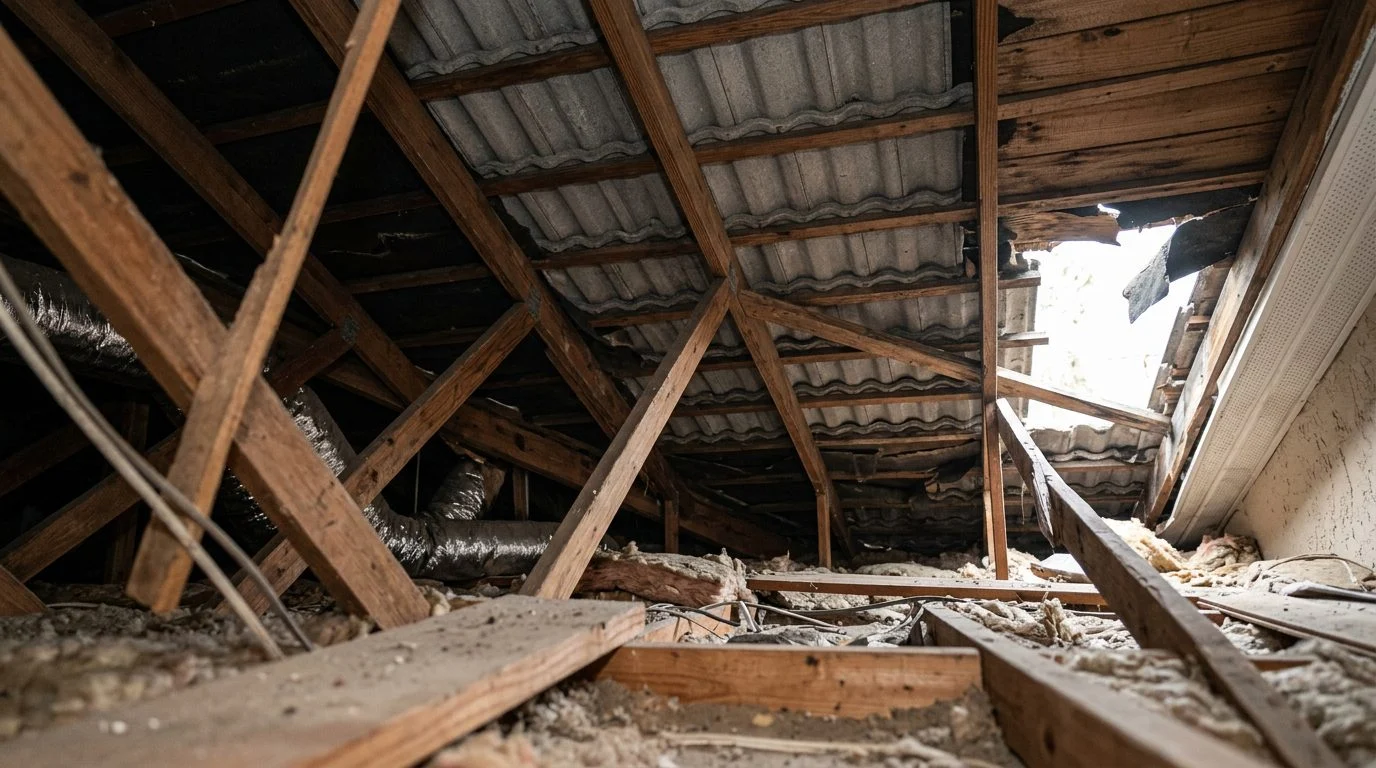
Concrete tile is much heavier than metal, so your home’s framing has to carry that load. Contact our team to have the roof structure assessed before choosing a new material.
The NRCA roofing materials guidance states that structural load capacity must be verified when replacing another roof covering with tile. That check comes first, before any material is chosen.
Metal is considerably lighter. That often makes it a practical option for re-roofing over an existing structure, but only when the framing and code requirements allow it. A lighter material doesn’t remove the need for a structural check.
Weight also affects the job itself, including labor, underlayment, and how the roof handles stress over time. The Florida Building Commission’s 2026 code analysis confirms that all buildings must be designed to resist the effects of dead loads.
Wind Resistance and Hurricane Performance
Both materials can handle Florida wind when the specific product is approved and installed correctly. Product approval and installation matter more than the material name alone.
Concrete tile has Miami-Dade County approval. One flat-profile, interlocking concrete tile system was tested under TAS 112 and approved for specified Florida Building Code and High-Velocity Hurricane Zone uses. You can read the Miami-Dade concrete tile approval for the details.
Metal has approvals too. Miami-Dade County evaluated a Florida-approved metal panel that can be made in a barrel-tile profile. The evaluation covered Florida Building Code compliance, including High Velocity Hurricane Zone provisions. See the Miami-Dade metal panel approval.
These approvals apply to specific products.
Code also covers the underlying system. The 2026 Florida Building Code analysis says tile underlayment uplift resistance must meet ASCE 7 component and cladding loads. Fastening, underlayment, and flashing decide how well either roof performs in a storm.
Lifespan, Durability, and Impact Damage
Tile can be long-lived when it stays intact, and metal is also built to last. Neither material has a fixed lifespan. Condition and installation shape how each roof ages.
The Tile Roofing Industry Alliance describes clay and concrete tile roofs as long-lasting, durable, and low-maintenance. It also says they resist weather-related damage, including Florida hurricane conditions.
So can a concrete tile roof last 100 years? Tile can last a very long time when it’s intact. In practice, the usual limits are cracking, underlayment failure, and wear on fasteners. Those are the parts to watch.
Impact damage looks different for each material. Concrete tile can crack or break from a hard hit. Metal can dent from hail or flying debris. A dent may be cosmetic or may affect how the panel works, so it needs a closer look.
Maintenance, Repair, and Inspection After Storms
Tile upkeep focuses on cracked or slipped pieces, debris, and the underlayment and flashing beneath. Metal upkeep focuses on seams, fasteners, coatings, and flashing. The two systems need different checks.
Repairs differ too. A single damaged tile can often be replaced on its own. Metal repairs more often involve a panel, a seam, a fastener, or a coating problem.
Flashing matters for both. The 2026 Florida Building Code analysis says new language requires metal roof panel flashing to follow the chapter and the manufacturer’s installation instructions.
After a storm, a professional inspection is worth doing for either material. Damage to underlayment, flashing, or fasteners often can’t be seen from the ground.
Energy Efficiency, Heat, and Cost
Roof color and coating affect heat more than the material name does. Compare the finish of each option, not only whether it’s tile or metal. Ventilation and attic insulation also keep a home cooler, whichever roof you choose.
Cost depends on several drivers. These include roof size, pitch, tear-off of the old roof, decking condition, the material you choose, and labor. Comparing upfront cost alone can mislead you. Look at expected maintenance and when the roof will need replacing too.
Not sure what your next step is?
Talk it through with our team — the first consultation is free, confidential, and carries no obligation.
Which Roof Fits Your Home and Your Situation
The right roof matches your structure, local wind exposure, weight limits, look, upkeep tolerance, and budget. Different homes lead to different answers.
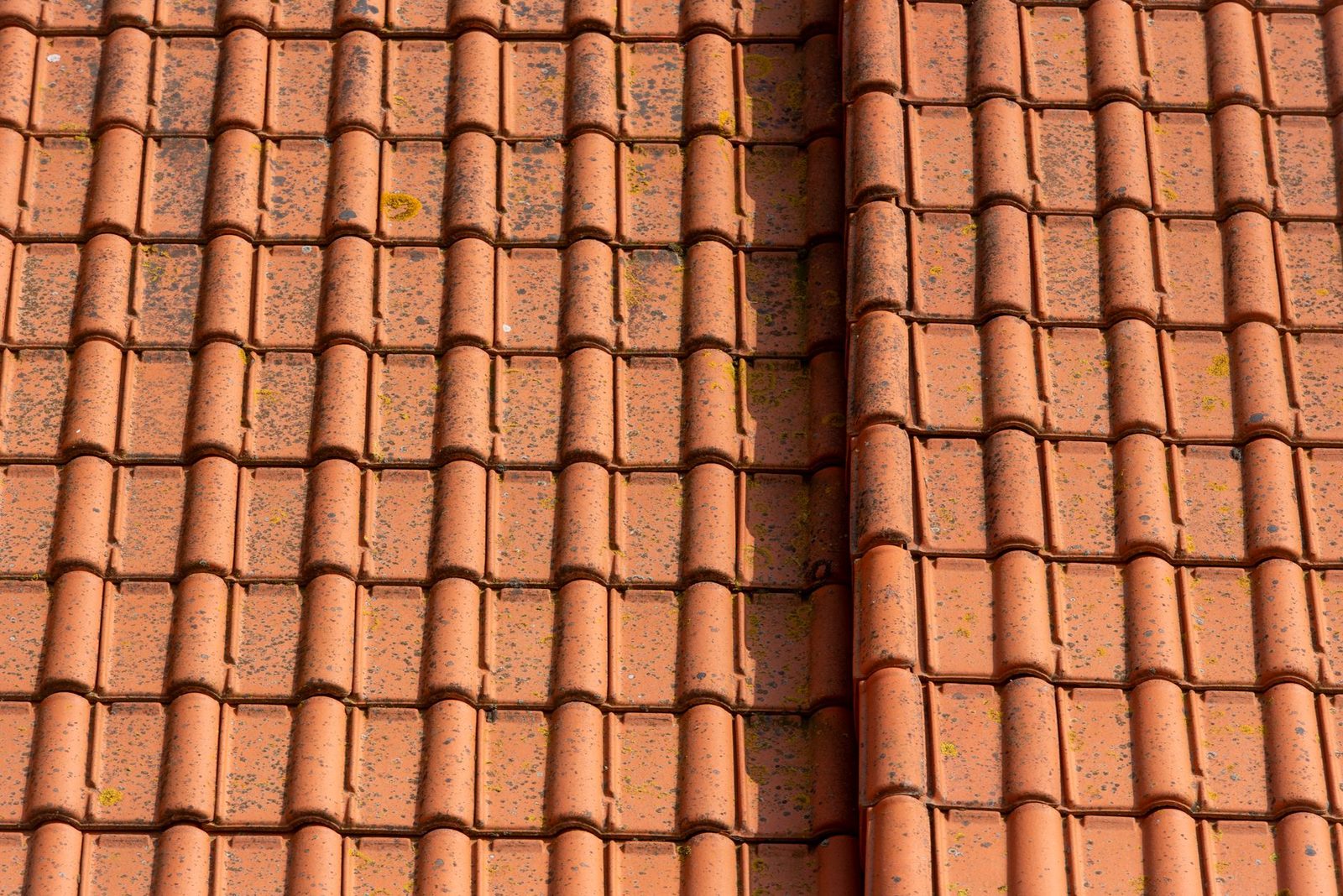
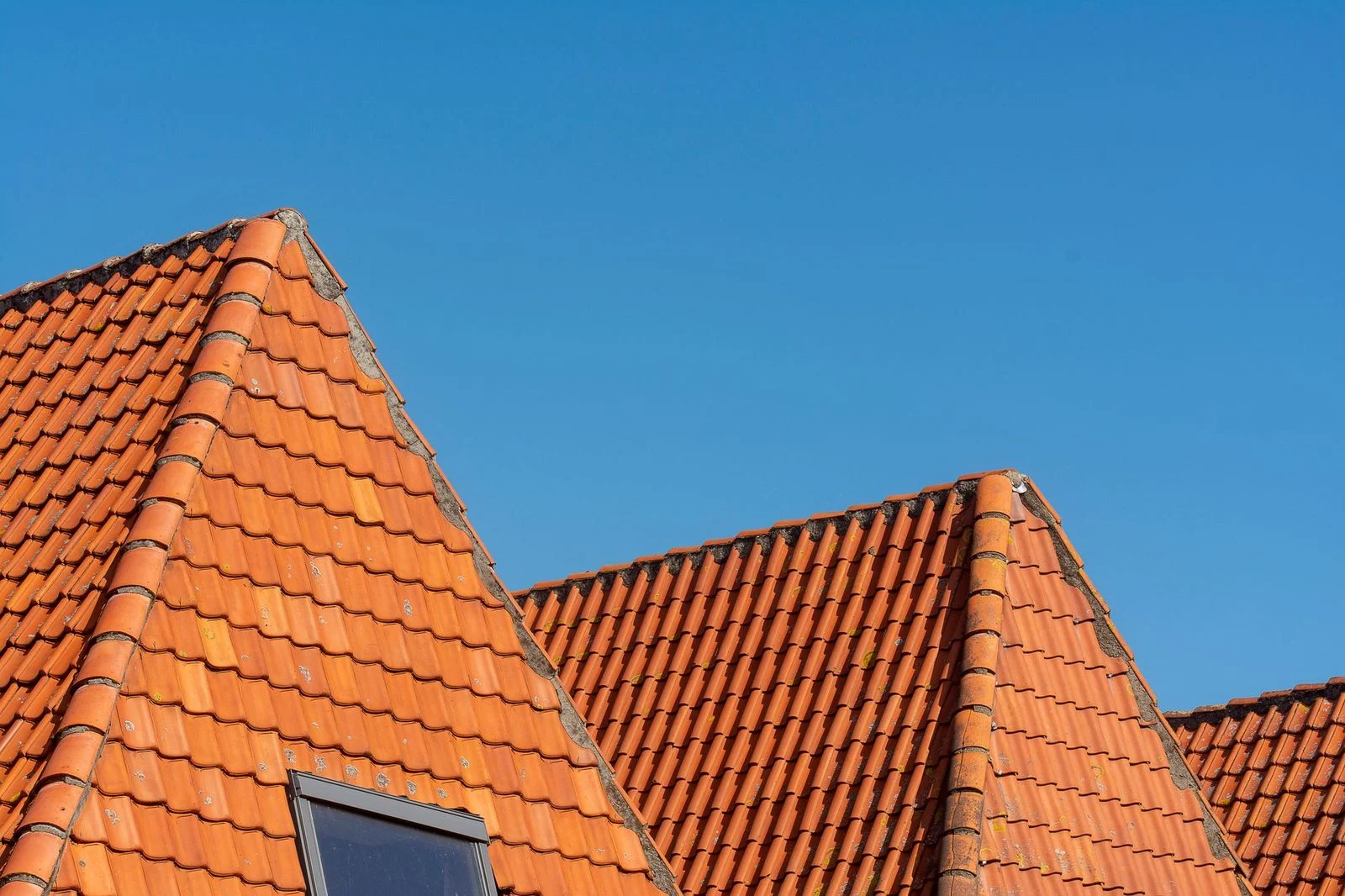
You can often tell the roof type by its look. Tile roofs show individual pieces, often in barrel or flat shapes. Metal roofs show long panels with visible seams or ribs, or shingle-style pieces. A closer look from a professional can confirm what’s on the roof.
What are the key differences between a concrete tile roof and a metal roof?
Concrete tile is heavier and made of individual pieces. Metal is lighter and uses formed panels or shingles. Lifespan, impact damage, and repairs also differ, and product and installation shape each one.
Can you put a metal roof over an existing tile roof?
It can be possible, but only if the framing and code requirements allow it. Contact our team for a structural evaluation, which answers that question.
Is metal better for hurricanes in Florida?
Neither material is automatically better. Approved products installed correctly can both handle Florida wind.
Talk Through Your Roof With Our Team
If you’re weighing tile against metal after an inspection, a storm, or a request from someone who owns or manages the property, you don’t have to sort it out alone. Our team can walk through your specific roof with you, from weight and wind to repair options.
Our free first consultation is confidential and comes with no obligation. Contact ASP Superhome to talk through your roof.
Check your roof structure before choosing
Roof weight, existing layers, and the condition of the roof deck all affect which system is practical for your home. Ask for an inspection before you decide on tile or metal.
Key factors to weigh
Weight and structure
Concrete tile is heavier and made of individual pieces. Metal is lighter and installed as formed panels or shingles. Your home's structure should guide the choice.
Wind and impact
South Florida homes face storms and flying debris. Compare how each system holds up in wind and how it may be paired with impact-rated windows and doors.
Lifespan and maintenance
Each roofing material ages differently and needs different routine care. Discuss expected upkeep as part of your decision.
Repairs and replacement
Tile and metal roofs can differ in how damage is spotted and fixed. Understanding repair paths helps you plan the long-term cost of ownership.


