


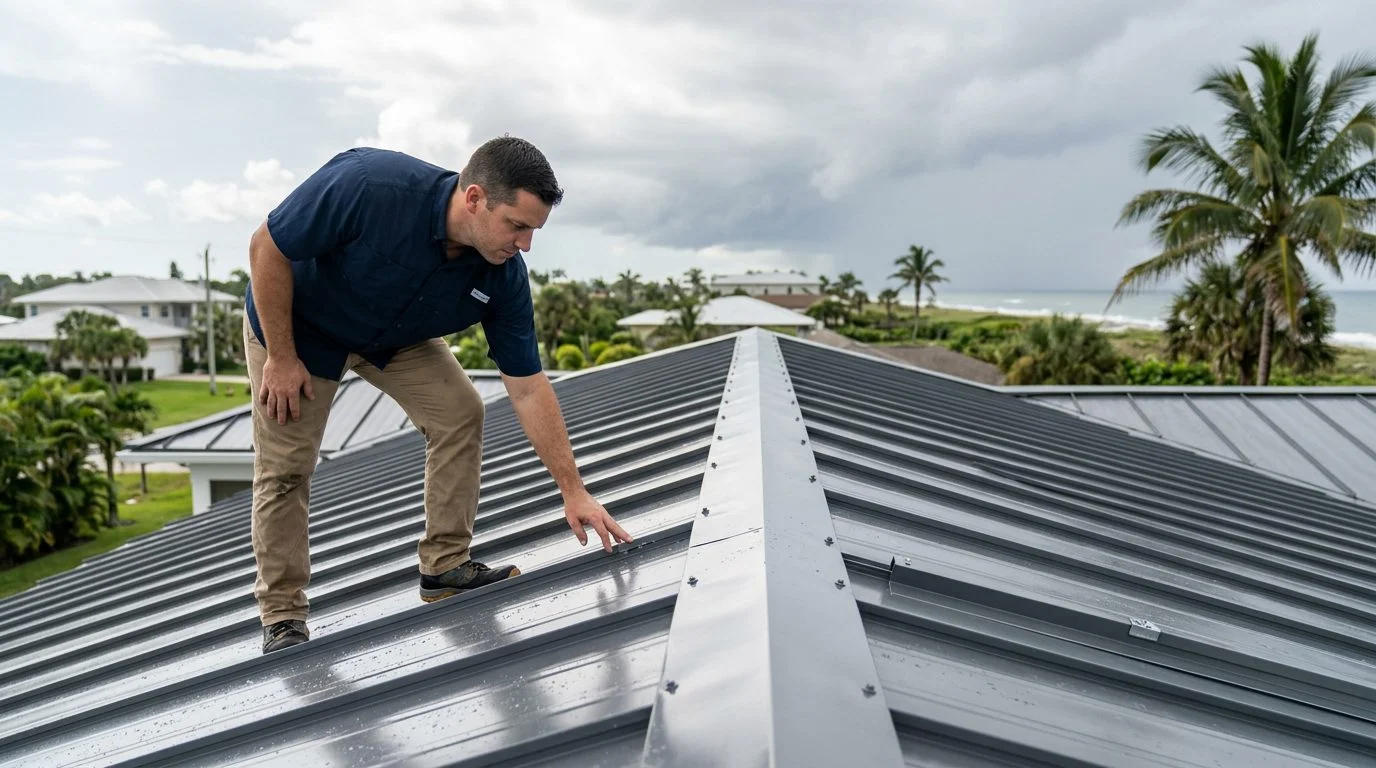
Metal Roofing | South Florida
Do Metal Roofs Attract Lightning? What South Florida Homeowners Should Know
Lightning doesn't target roofing materials. Here's what actually affects strike exposure for homes from Miami to Naples, and how to plan your roof with confidence.
The short answer
Metal isn't a lightning magnet
Lightning isn't drawn to a specific roofing material. Metal and tile roofs face similar strike exposure.
Height and location matter more
Taller structures and open areas tend to be more exposed than the material on top of them.
Metal roofs don't add lightning risk
Choosing a metal roof doesn't make your home more likely to be struck. The decision should rest on durability, wind performance, and energy needs.
Planning starts with the whole home
Grounding, surge protection, and the surrounding landscape all play a role in how your home handles storms.
By Jonathan Rodriguez · Published November 1, 2026
No, a metal roof does not attract lightning more than asphalt, tile, or other roofing does. Lightning follows the easiest path to the ground, and the roof’s material is only one small part of that path. If you’re asking “do metal roofs attract lightning?” during a storm, or for a worried family member, this guide covers the facts and the steps that matter most in South Florida.
Do Metal Roofs Attract Lightning? The Short Answer
A metal roof is no more likely to be struck than other roofing types. The myth persists for a simple reason. Metal conducts electricity well, so many people assume it must pull strikes toward it. Conducting electricity and attracting lightning are two different things. A conductive roof can give a strike’s energy a path toward the ground when it is properly connected. That connection, not the metal alone, is what protects the home. Many people search this question right after a storm scare. Knowing how the mechanism works helps you ask better questions before you buy or repair a roof. The sections below explain how lightning picks a target, what happens when a strike hits metal, and the safety steps to take.
Not sure what your next step is?
Talk it through with our team — the first consultation is free, confidential, and carries no obligation.
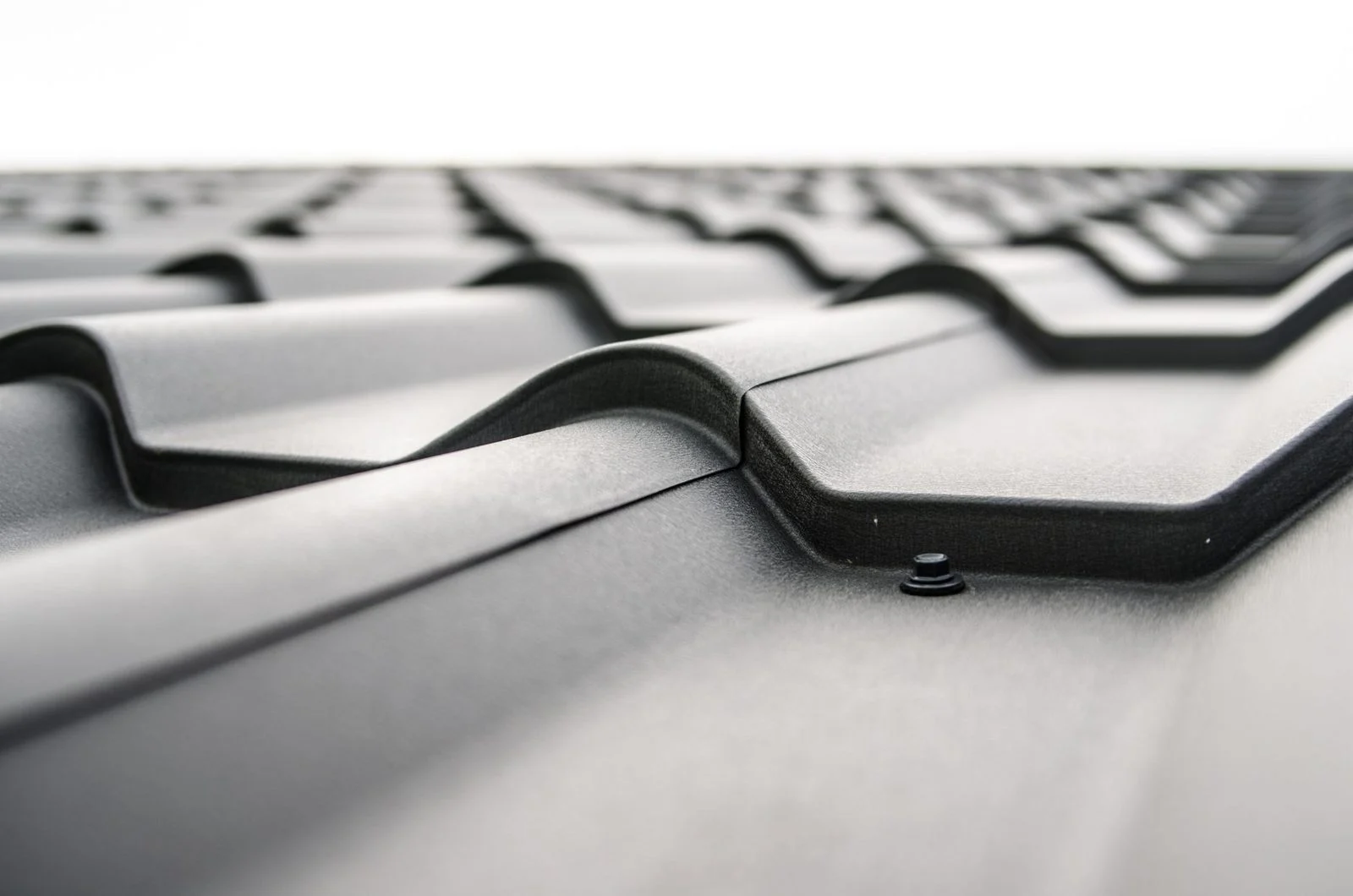
How Lightning Chooses Where to Strike
Lightning travels from a storm cloud toward the ground along the easiest available path. That path is usually the tallest, most direct route to the earth. Tall and isolated objects often become strike points. Trees, utility towers, and tall buildings stand above their surroundings, so they catch the storm first. A house’s height and its location in open land matter more than the material on its roof. Two similar houses on one street face similar exposure, even if one has a tile roof and the other has metal. South Florida’s frequent afternoon thunderstorms mean almost any home can be exposed. Roof type does not remove that exposure, and it does not create it. Thinking about the whole structure, and how it connects to the ground, gives a clearer picture than focusing on one material.
What Happens When Lightning Hits a Metal Roof
A metal roof that is struck carries the current across its panels and toward the ground. When it is properly grounded, that path keeps the current moving away from the home’s interior. Lightning can still cause harm, though. A strike can start a fire, send a power surge through wiring, or send a shock through plumbing. These effects come from the strike’s electrical energy. They are not unique to metal. A tile or shingle roof can face the same electrical risks. Plumbing and wiring carry surges deep into the home, far from the roof itself. That is why running water, corded phones, and plumbing fixtures are a poor choice during a storm. Protection comes from planning the path of the current in advance, not from hoping the roof material will handle it alone.
Grounding and Lightning Protection for Metal Roofs
Grounding ties the roof and the structure to the earth. It controls where a strike’s energy goes. Florida’s 2026 building code now addresses lightning protection on metal roofs. Section 1510.8.6 covers attaching lightning protection systems directly to or through metal edge systems, gutters, or roof coverings. It requires those attachment methods to be designed by a registered design professional to resist design wind loads. That makes the attachment an engineered detail, not a guess. Flashing matters too. The 2026 residential code requires flashing on metal roof panels to follow the chapter and the manufacturer’s installation instructions. Our team can explain how the roof ties into the home’s grounding system during your free, no-obligation consultation. Our team can also walk you through how the flashing is detailed. Clear answers tell you the work is planned, not improvised.
Staying Safe in a Storm at Home
When you hear thunder, move indoors and stay inside until the storm passes. Stay away from running water, corded phones, and plumbing fixtures while storms are overhead. Unplug sensitive electronics before a storm arrives. Surge protection can lower the risk to appliances and electronics. These steps protect the people inside. Lightning safety outdoors is the same whatever the roof is made of. Keep clear of trees, open fields, and roof work during storms. A solar battery backup can help keep essentials running if a storm cuts power, so it’s worth planning ahead for outages. Plan before storm season starts. Know where your breakers are and which devices to unplug first.
Metal Roofs in South Florida Thunderstorms
In South Florida, metal roofs are judged on wind, heat, and code compliance, not on lightning alone. An IBHS assessment of Hurricane Ian found that metal roofing systems held up well in winds below 130 mph in Southwest Florida. Heat matters too. ENERGY STAR states that lighter or more reflective metal roof colors generally stay cooler and can improve energy savings in hot, sunny climates such as Florida. The Building America Solution Center states that properly selected and installed metal roofs can last 50 years or more. Local permits also follow product approval rules. Local building requirements can affect which roofing materials are allowed on a given project, so our team can review the specifics for your property. Palm Beach County’s product approval page says metal roofing is subject to Florida’s statewide product-approval system. Florida Statute 553.844 also sets rules for roof replacement on certain homes, including windstorm mitigation techniques for site-built, single-family structures.
Not sure what your next step is?
Talk it through with our team — the first consultation is free, confidential, and carries no obligation.
Talk With ASP Superhome About Your Roof
If a storm has left you uneasy, or a family member keeps asking whether the roof is safe, you don’t have to work it out alone. ASP Superhome handles metal roofing, tile roofing, roof repair, roof replacement, and solar battery backup. Our team can talk through grounding, flashing, and storm concerns with you. Our free first consultation is confidential, with no obligation to continue. If you’re ready to talk, request a free estimate and bring your questions about your roof.
Do metal roofs attract lightning more than tile roofs?
No. Lightning is not drawn to a specific roofing material, so metal and tile face similar strike exposure. Height and location matter more.
Are metal roofs safe during lightning storms?
Metal roofs do not add lightning risk. Stay indoors, and avoid running water and corded phones until the storm passes.
Can a metal roof be grounded?
Yes. Grounding ties the roof and structure to the earth through a conductive path, which controls where a strike’s energy goes.
Factors that shape lightning exposure
Building height
Taller structures stand out to the sky and can be more exposed, regardless of roofing material.
Surrounding landscape
Open ground, isolated buildings, and nearby tall trees all influence how a property sits in a storm.
Electrical protection
Surge protection and proper grounding help safeguard the electrical systems in your home during storms.
Roof type and condition
Metal, tile, and other roofs all require sound installation and maintenance to perform well in South Florida weather.
Storm safety tip
Metal roofs do not add lightning risk. During a storm, stay indoors and avoid running water and corded phones until the storm has passed.
Planning a metal roof or other home upgrade?
Start with a free first consultation: confidential and without obligation to continue.


