


Solar Energy Guide
Solar Panels in South Florida: Your Complete Homeowner's Guide
Harness abundant sunshine to lower energy bills. Learn what solar can do for your home—and what to expect.
By ASP Superhome · Published September 13, 2026
Solar Panels & Battery Backup in South Florida: A Homeowner’s Guide
Solar panels in South Florida make sense because the region gets abundant sunshine and long, hot cooling seasons that drive high electric bills. Solar is designed to offset that power use, and adding battery backup gives your home stored energy for nights and outages. This guide walks you through how it all works so you can decide with confidence.
If you’re a homeowner in Miami, Fort Lauderdale, West Palm Beach, Kendall, Naples, Fort Myers, or Boca Raton, you’re probably comparing your options right now. Should you go solar? Do you need a battery? How much will it cost? At ASP Superhome, we install solar as part of a whole-home approach. That means we look at your roof, your windows, and your energy use together—not in isolation.
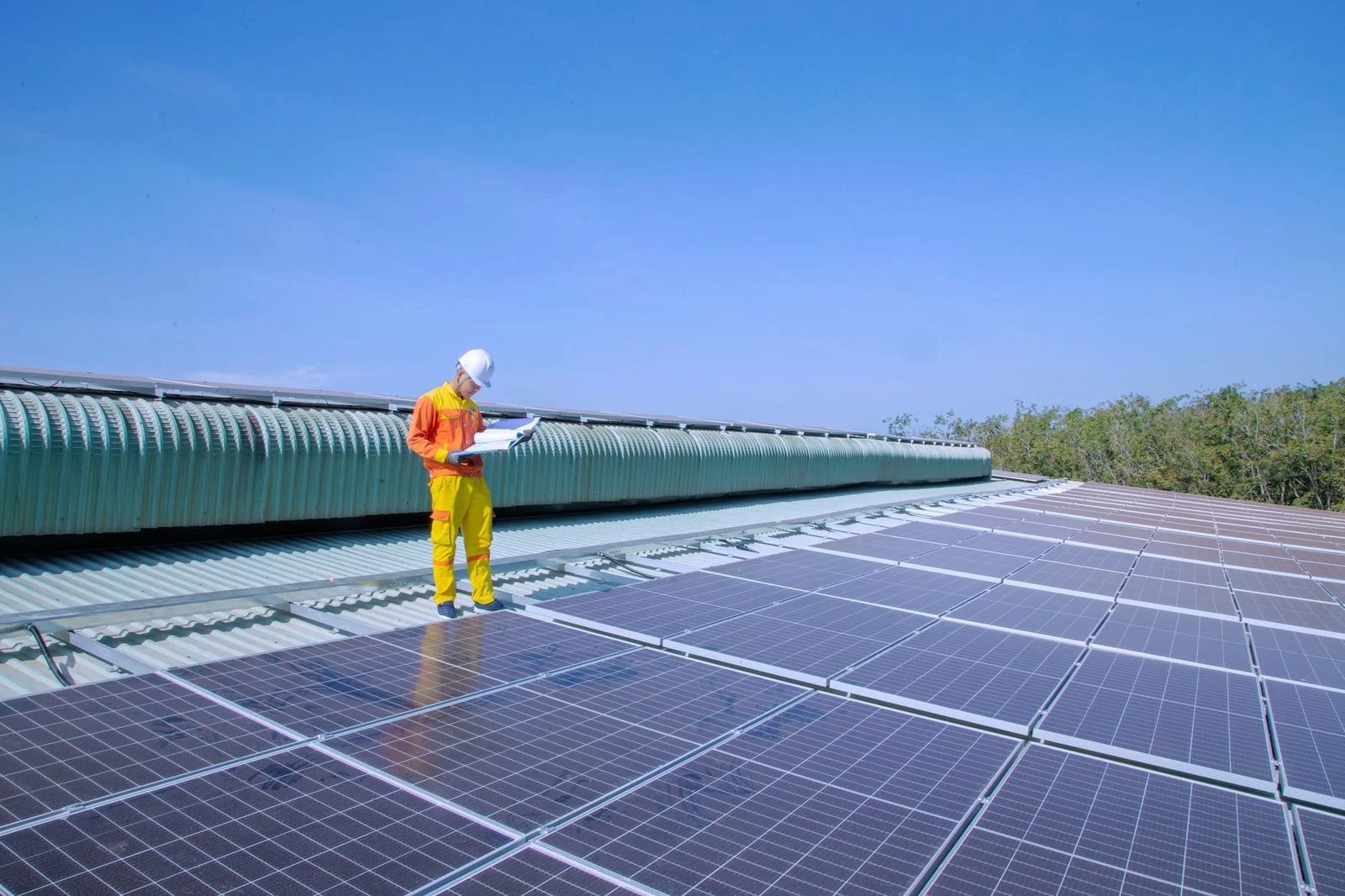
If your roof is near the end of its life, we can plan a roof replacement first, then mount your panels on a fresh, strong surface. Talk it through with our team — the first consultation is free, confidential, and carries no obligation.
Why solar panels make sense in South Florida
South Florida’s steady sun and year-round air conditioning create some of the highest household electric bills in the state, which is exactly what solar is built to offset. Long cooling seasons mean your AC runs hard for most of the year. That drives up your monthly power costs.
Utility rates also tend to climb over time. When you generate your own power, you reduce how much you buy from the grid. Many homeowners like the idea of locking in home-produced energy instead of paying rising rates year after year.
This page is for homeowners who are still deciding. Maybe you’re not sure if solar fits your home. Maybe you’re weighing panels alone against panels plus a battery. That’s the exact stage this guide is meant to help with.
We treat solar as one piece of a bigger picture. Your roof and your solar panels work together for decades. Because ASP Superhome also handles roof replacement, metal roofing, and tile roofing, we can plan both at once. That coordination matters more in our climate than most standalone solar pages admit.
How residential solar works on a Florida home
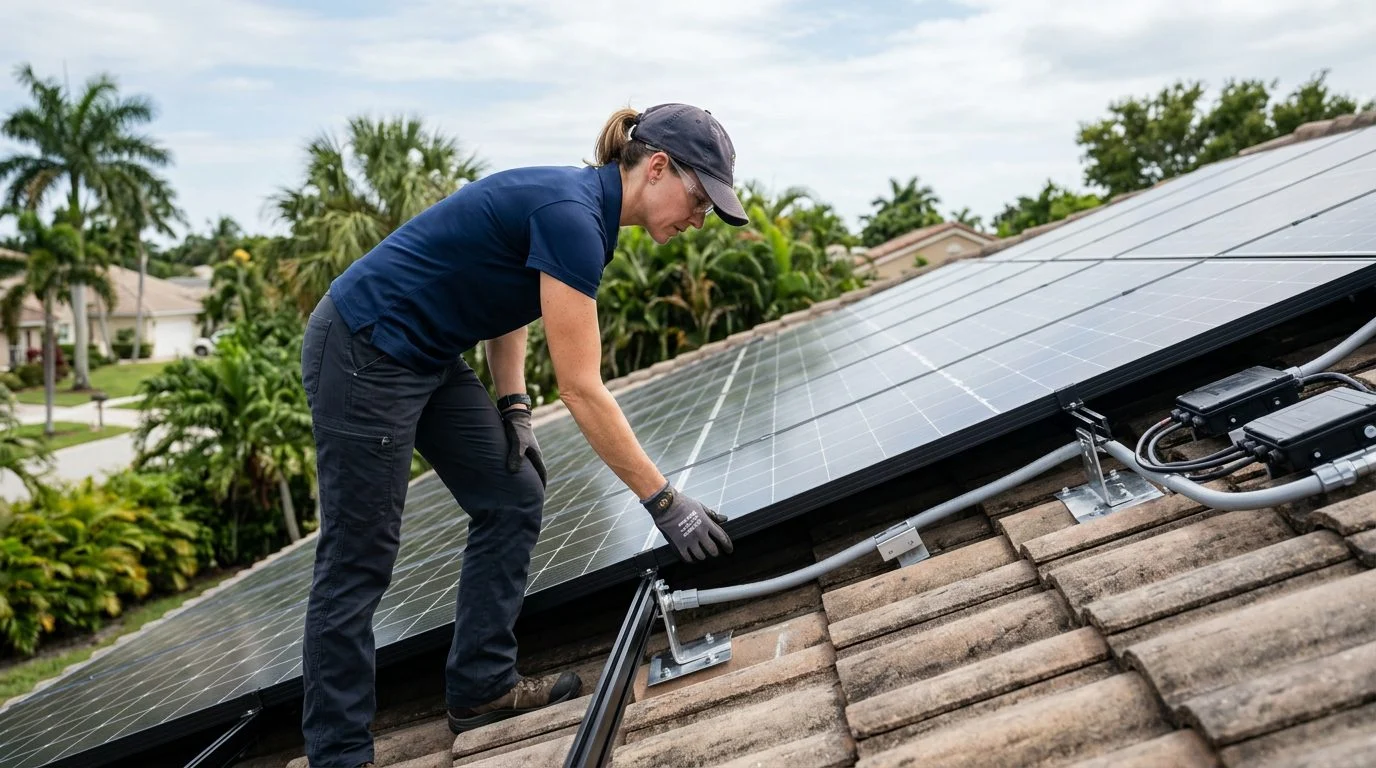
A home solar system captures sunlight with roof-mounted panels, converts it to usable electricity through an inverter, and feeds that power to your home. The main parts are the panels, the inverter, the mounting hardware, a monitoring system, and the electrical connection to your house.
During the day, your panels produce power. Your home uses what it needs first. Any extra can flow back to the grid, depending on your setup and utility.
At night and on cloudy days, your panels make little or no power. That’s when your home draws from the grid—or from a battery, if you have one. This day-night pattern is central to how you plan a system.
What net metering does and doesn’t do
Net metering lets some Florida utilities credit you for extra power your panels send to the grid. The exact rules and credit values depend on your utility and current policy. Net metering can lower your bill, but it does not keep your power on during an outage. That’s a common point of confusion, and it’s why battery backup exists.
Want the step-by-step? See our solar installation process page and our guide on how many solar panels you need.
Solar panels vs. solar with battery backup
The key difference is that a grid-tied system without a battery shuts off during a power outage, while a system with battery backup keeps chosen circuits running. This distinction matters a lot in South Florida.
How grid-tied systems behave
Most basic solar systems are grid-tied. They connect to the utility and rely on it. For safety, a grid-tied system automatically shuts down during an outage. This prevents your panels from back-feeding power into lines that crews may be repairing. So even on a sunny day, a grid-only system won’t power your home when the grid is down.
How battery backup changes things
A battery stores power your panels make during the day. You can use that stored energy at night. You can also use it when the grid fails. During an outage, the battery keeps your essential circuits alive—things like your refrigerator, some lights, and a few outlets.
In South Florida, this is more than a convenience. Hurricane season runs June through November. Outages can last hours or days after a storm. Battery backup gives your home resilience when you need it most.
To go deeper, compare grid-tied vs. battery backup solar, learn how solar battery backup works, and explore solar panels with battery backup.
What solar costs in Florida and how to think about the investment
Solar cost in Florida depends on system size, your roof, your energy use, and whether you add battery storage—so there’s no single price for every home. A larger home with high AC use needs more panels. Adding a battery raises the upfront cost but adds outage protection.
Rather than quote a number that may be wrong for your home, we assess your actual roof and bill. That’s the honest way to price solar.
Incentives and tax exemptions
A federal residential clean energy tax credit exists for qualifying home solar systems. Florida also offers solar-related tax exemptions. These programs can reduce your net cost.
Here’s the responsible truth: these rules are set by law and can change. Because incentive amounts and terms are statutory, you should verify current figures with official sources instead of trusting outdated summaries. You can review the official text of Florida law directly through Florida Statutes — Online Sunshine, the state’s own portal published by the Florida Legislature. Since tax provisions can be amended, confirming the exact current language matters before you count on any specific benefit.
Thinking about savings over time
Solar is a long-term investment. The value comes from the electric-bill savings you collect month after month. As you reduce grid purchases, those savings add up over the system’s life. Whether solar pays off for you depends on your usage, your roof, and current rates.
For a fuller breakdown, see our pages on solar panel cost in Florida, Florida solar incentives, solar savings on your electric bill, and are solar panels worth it.
Not sure what your next step is?
Talk it through with our team — the first consultation is free, confidential, and carries no obligation.
Solar and your roof: durability in the South Florida climate
Your roof must be in good shape before installation, because panels are designed to stay on that roof for decades—so roof condition drives the whole solar decision. Installing panels on a worn roof means you may have to remove them later for roof work. That’s costly and avoidable.
This is where our whole-home approach helps. ASP Superhome coordinates roofing and solar together. If your roof is near the end of its life, we can plan a roof replacement first, then mount your panels on a fresh, strong surface. We can also match your solar plan to a durable metal roofing or tile roofing system.
Wind, hurricanes, and lifespan
South Florida sits in some of the toughest wind zones in the country. Solar panels and mounting systems here must be engineered and permitted for local wind loads. Proper attachment and permitting are not optional—they’re how the system meets code for high-wind areas.
Panels generally have a long service life, and most systems need modest maintenance over the years. We won’t promise how any single system will perform in a specific storm. But we will design and permit yours to meet the standards that apply to your area.
Read more in solar and your roof, solar panels and Florida hurricanes, how long solar panels last, and solar panel maintenance. If you’re also protecting your home’s openings, our impact windows pair well with a storm-ready roof.
The installation process with ASP Superhome
The process starts with a free estimate and home energy assessment, then moves through design, permitting, installation, inspection, and activation. Here’s what to expect at each stage.
First, we visit your home. We look at your roof, your sun exposure, and your electric bills. This tells us what size system fits and whether battery backup makes sense for you.
Next, we design the system and handle permitting. We also manage utility interconnection—the paperwork and approvals needed to connect your system to the grid. Florida permitting has strict rules, and we take care of them.
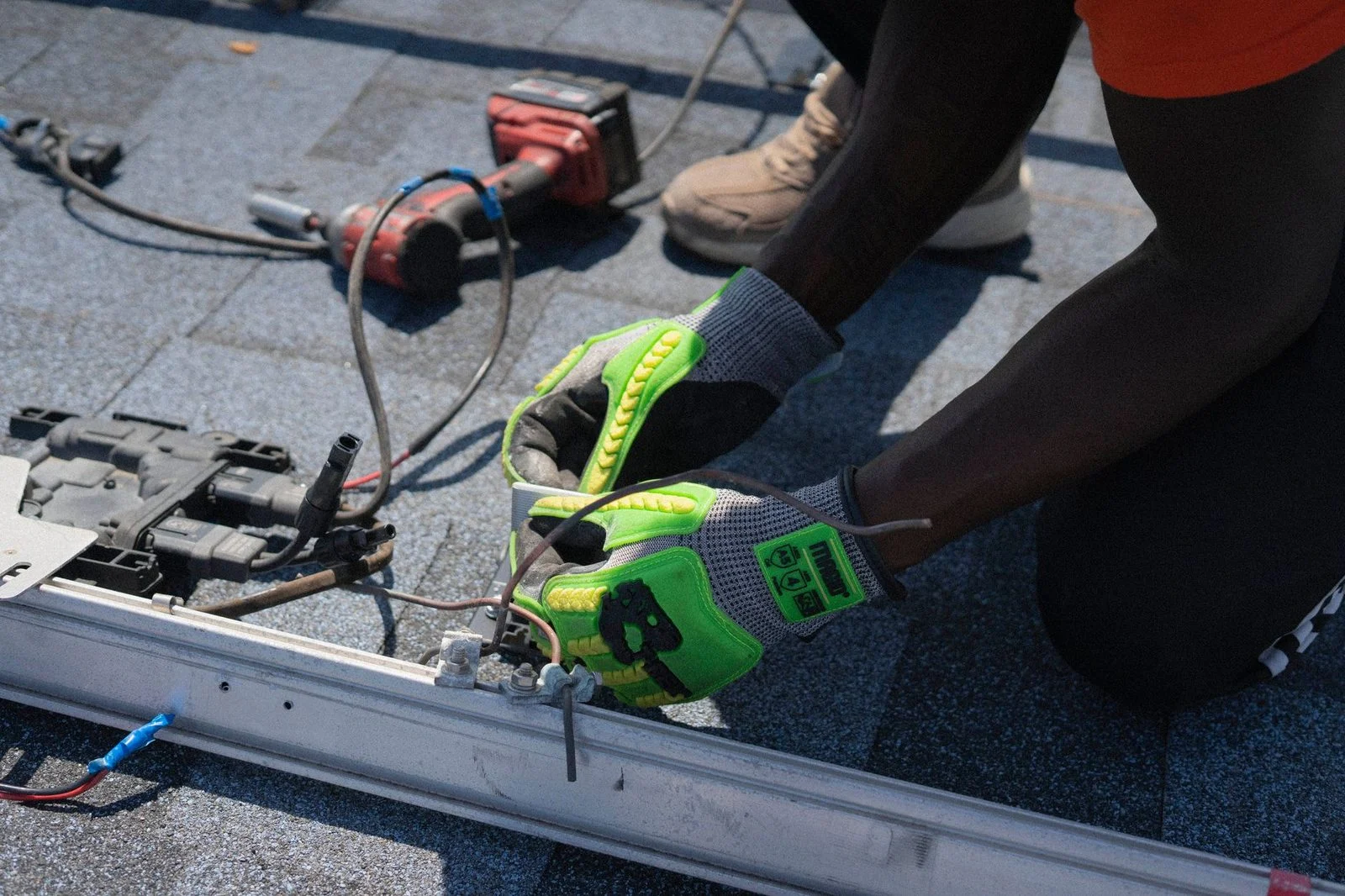
Then we install the panels, inverter, and any battery. After installation, your system goes through inspection. Once it passes and the utility signs off, we activate it. From there, you get ongoing monitoring and support so you can track how your system performs.
See the full walkthrough on our solar installation process page, or go straight to a free solar estimate.
Solar panel installation across South Florida
ASP Superhome installs solar throughout South Florida, including Miami, Fort Lauderdale, West Palm Beach, Kendall, Naples, Fort Myers, and Boca Raton. Local conditions vary from city to city, and that affects your design.
Sun exposure differs by neighborhood and roof orientation. Coastal homes deal with salt air, which calls for corrosion-aware hardware. Utility service areas and net metering rules also change depending on where you live. A system built for a Boca Raton home isn’t automatically right for a Naples home.
Find your area on our city pages: Miami, Fort Lauderdale, West Palm Beach, Kendall, Naples, Fort Myers, and Boca Raton.
Common questions homeowners ask before going solar
Most homeowners want to know if solar is worth it, how many panels they need, how panels handle storms, and what happens to their bill.
These are the right questions to ask.
Wondering if solar fits your home and usage? Start with are solar panels worth it. Not sure about size? See how many solar panels you need. Worried about storms and lifespan? Read solar panels and Florida hurricanes and how long solar panels last. Curious about your bill? Check solar savings on your electric bill.
FAQ
Are solar panels worth it in South Florida?
It depends on your energy use, roof, and current rates, but the region’s strong sun and high bills make solar a serious option for many homeowners. A home assessment gives you real numbers for your situation.
Do solar panels work during a power outage in Florida?
A basic grid-tied system shuts off during an outage for safety. Only a system with battery backup keeps your chosen circuits running when the grid goes down.
How much do solar panels cost in Florida?
Cost depends on system size, your roof, your energy use, and whether you add a battery. There’s no single price, so an on-site estimate is the only accurate way to know.
What tax incentives apply to Florida solar?
A federal residential clean energy tax credit exists, and Florida offers solar-related tax exemptions. Because these rules can change, verify current terms through Florida Statutes — Online Sunshine.
Do I need a new roof before installing solar?
If your roof is worn or near the end of its life, replacing it first is smart, since panels are meant to stay put for decades. We coordinate roofing and solar together to avoid double work.
How does solar battery backup work at night and during outages?
A battery stores power your panels make during the day. Your home uses that stored energy after sunset or when the grid fails.
Have questions about what happened?
Ask our team directly. The first conversation is free, confidential, and there is no obligation to continue.
Ready to compare solar options for your home?
You’ve read this far because you’re deciding something real: panels alone or panels plus a battery, and whether the cost and savings pencil out on your specific roof and electric bill. That’s a big call, and it’s hard to answer from a chart when every home in South Florida is different. Request a free solar estimate from ASP Superhome, and we’ll assess your roof, review your usage, and lay out the numbers side by side so you can see your options clearly. Homeowners across Miami, Fort Lauderdale, Naples, and the rest of the region reach out at exactly this comparing stage every week—get in touch with us here.
Is Solar Right for Your South Florida Home?
Energy Use & Your Bills
South Florida's heat means high cooling costs year-round. Solar works best if your current electric bills are substantial. A home assessment shows your actual savings potential based on your usage patterns.
Roof Condition & Sunlight
Solar panels need a roof in good shape and clear sun exposure. If your roof is aging or damaged, addressing that first ensures your solar system performs well for decades.
Local Sun & Climate
South Florida's abundant sunshine and long daylight hours make the region ideal for solar. Even on cloudy days, panels generate power—and the region's weather patterns favor consistent year-round output.
Battery Backup Options
Solar battery backup stores energy for use at night or during outages. This adds resilience and can further reduce reliance on the grid, especially valuable in Florida's hurricane season.
Why Solar Makes Sense in South Florida
Lower Monthly Bills
Generate your own power and reduce dependence on rising utility rates. The more sun your home receives, the more you save.
Protection from Outages
Pair solar with battery backup to keep power flowing during grid outages—critical during hurricane season and summer storms.
Cleaner Energy
Solar produces electricity without emissions, letting you power your home sustainably while lowering your carbon footprint.
Long-Term Value
Solar panels are built to last decades. Over time, the energy savings add up significantly, protecting you from future rate increases.
Start with a Home Assessment
Every South Florida home is different. Roof age, shading, energy use, and local weather all affect how much solar can save you. A professional assessment gives you real numbers for your specific situation—not estimates or guesses.
Solar + Battery Backup: A Complete System
Solar Panels
Capture sunlight and convert it to electricity for your home. Modern panels are durable, efficient, and designed to withstand South Florida's weather.
Battery Backup
Store excess solar energy for use when the sun isn't shining. During outages or at night, your battery keeps essential systems running without drawing from the grid.
System Monitoring
Track your energy production and usage in real time. Understand how much you're generating, saving, and storing—and optimize your system's performance.
Preparing Your Roof for Solar
Roof Inspection
Before installing solar, your roof needs a thorough evaluation. Damage, leaks, or age can affect both the installation and the system's lifespan.
Roof Repair or Replacement
If your roof needs work, address it before going solar. A sound roof—whether metal, tile, or another material—ensures your solar system performs reliably for decades.
Optimal Mounting
A healthy roof allows for proper panel placement and secure mounting. This maximizes sun exposure and ensures your system generates the power you need.
Ready to Explore Solar for Your South Florida Home?
Related practice areas
- Roof Repair South Florida | ASP Superhome
- Roof Replacement South Florida: Homeowner’s Guide


