


Solar Panels | South Florida
Thinking About Installing Your Own Solar Panels?
Find out what a home solar installation involves in South Florida, from your roof and wiring to permits and utility approval, and talk with ASP Superhome about your options.
By Jonathan Rodriguez · Published November 6, 2026
Short Answer: Can You Install Your Own Solar Panels?
Can I install my own solar panels at home? A homeowner can often buy panels and attempt a do-it-yourself install, but the panels are the smaller part of the job. The real question is whether your roof, wiring, permits, and utility connection can all be handled safely and correctly. This guide covers the workload, the roof, permits, safety, sizing, and tradeoffs. Many people reading this are looking into it for a family member or for a home they didn’t plan to change. The facts below apply either way.
If solar is on your mind for a home you didn't plan to change, our team can help you sort through the roof, wiring, and permit questions for your property. Talk it through with our team — the first consultation is free, confidential, and carries no obligation.
What a DIY Solar Installation Actually Involves
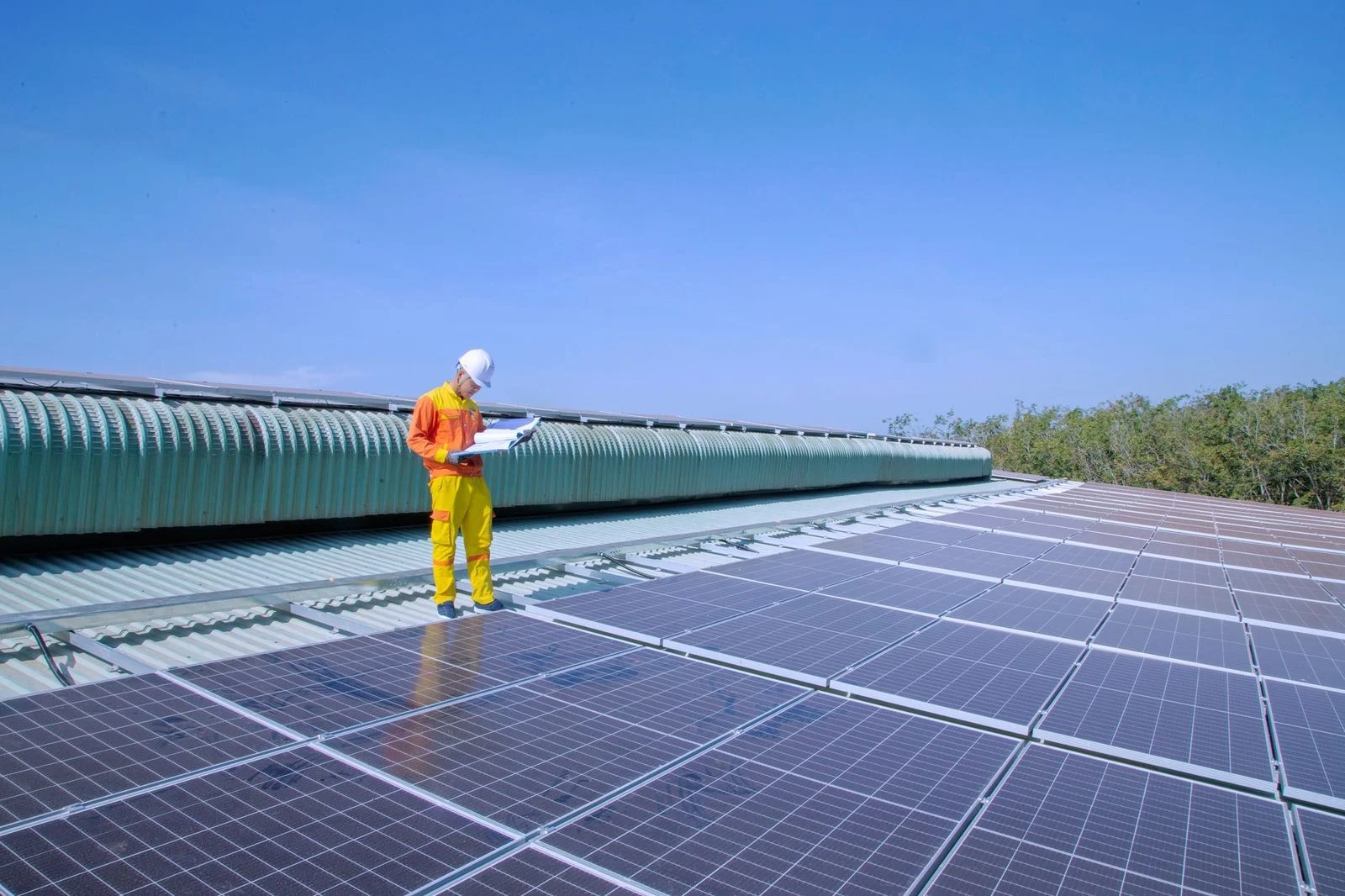
A DIY solar installation includes much more than mounting panels on a roof. The full job includes racks bolted to the roof, flashing sealed around each mount, panels wired into strings, and an inverter that turns the panels’ direct current into household power. Most systems also need a disconnect and a connection to your home’s electrical panel. If you add battery backup, the battery needs its own wiring and controls.
Each step depends on the one before it. A rack set in the wrong spot can’t be fixed by good wiring. A string sized wrong can cut output for the whole array. The safe order is layout first, then roof work, then electrical work, then inspections and utility paperwork.
Tools matter too. You need roofing tools, torque tools for fasteners, electrical testing gear, and a safe way to lift heavy panels up a ladder. People often underestimate how long each step takes. They also underestimate how much rework one error can create.
Roof and Structural Concerns in South Florida
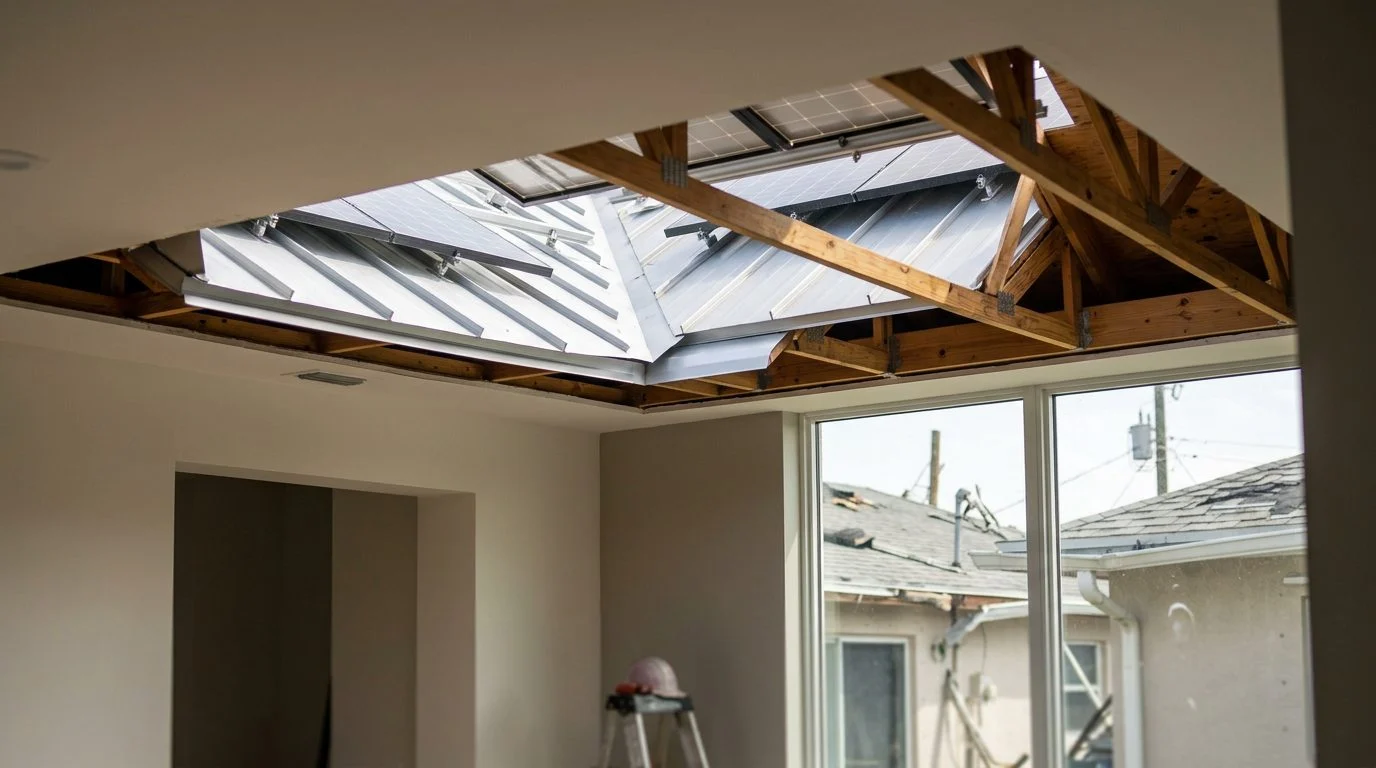
Yes, the roof must be checked and sealed correctly before panels go on. Roof penetrations are the most common place a new solar system can start to leak. Each mount passes through the roof covering, so the flashing around it has to be installed correctly. The Florida Building Commission’s 2026 residential analysis reports a new section requiring flashing for photovoltaic panels to follow the code chapter and the manufacturer’s instructions.
Roof type shapes the job. Tile and metal roofs call for different mounting methods. The same analysis says new language requires building-integrated photovoltaic roof coverings to be listed and labeled under UL 7103.
The U.S. Department of Energy says rooftop solar suitability depends on climate, roof age, tree cover, size, shape, and slope. Roof age deserves a close look. A leaking or aging roof should be assessed before panels go on. Removing panels later to repair or replace the roof adds cost and labor.
Wind rules matter in South Florida. If you replace the roof, Florida Statutes § 553.844 says a roof replacement on a site-built, single-family home must incorporate specified techniques. The statute also says that, for a roof replacement on a home in the wind-borne debris region with an insured value (or, if uninsured, a just valuation) of $300,000 or more, roof-to-wall connections must be improved, but they are not required unless evaluation and installation of connections at gable ends or all corners can be completed for 15 percent of the cost of roof replacement. Plan roof and wind work together, not one after the other. Our roof replacement, roof repair, tile roofing, and metal roofing services can cover those options.
Permits, Inspections, and Utility Approval
A solar system usually needs a building permit, a local inspection, and utility approval before it runs. One Florida city’s solar guidance, from the City of Leesburg, lists utility interconnection applications, a building permit, and a local inspection before operation.
Florida law also sets review clocks for permit applications. Under Florida Statutes § 553.792, a local government must approve, approve with conditions, or deny a complete roofing permit application for an existing single-family residential dwelling within 5 business days when the work is under $15,000 and the applicant uses a local government plans reviewer. For a single-family roofing permit on a structure under 7,500 square feet, the window is 30 business days.
Utility rules add their own steps. Fla. Admin. Code R. 25-6.065 requires you to notify the investor-owned utility at least 10 days before your system goes into service. The utility may have personnel present on that in-service date. Increasing the system’s size later requires a new application at least 30 days before the change.
Check for HOA rules early. Maitland’s solar guidance says homeowners’ associations may require approval for solar but may not prohibit it. They must apply reasonable, uniform restrictions. Rules vary by county and utility, so plan these steps before any panels arrive.
Electrical and Fall Safety
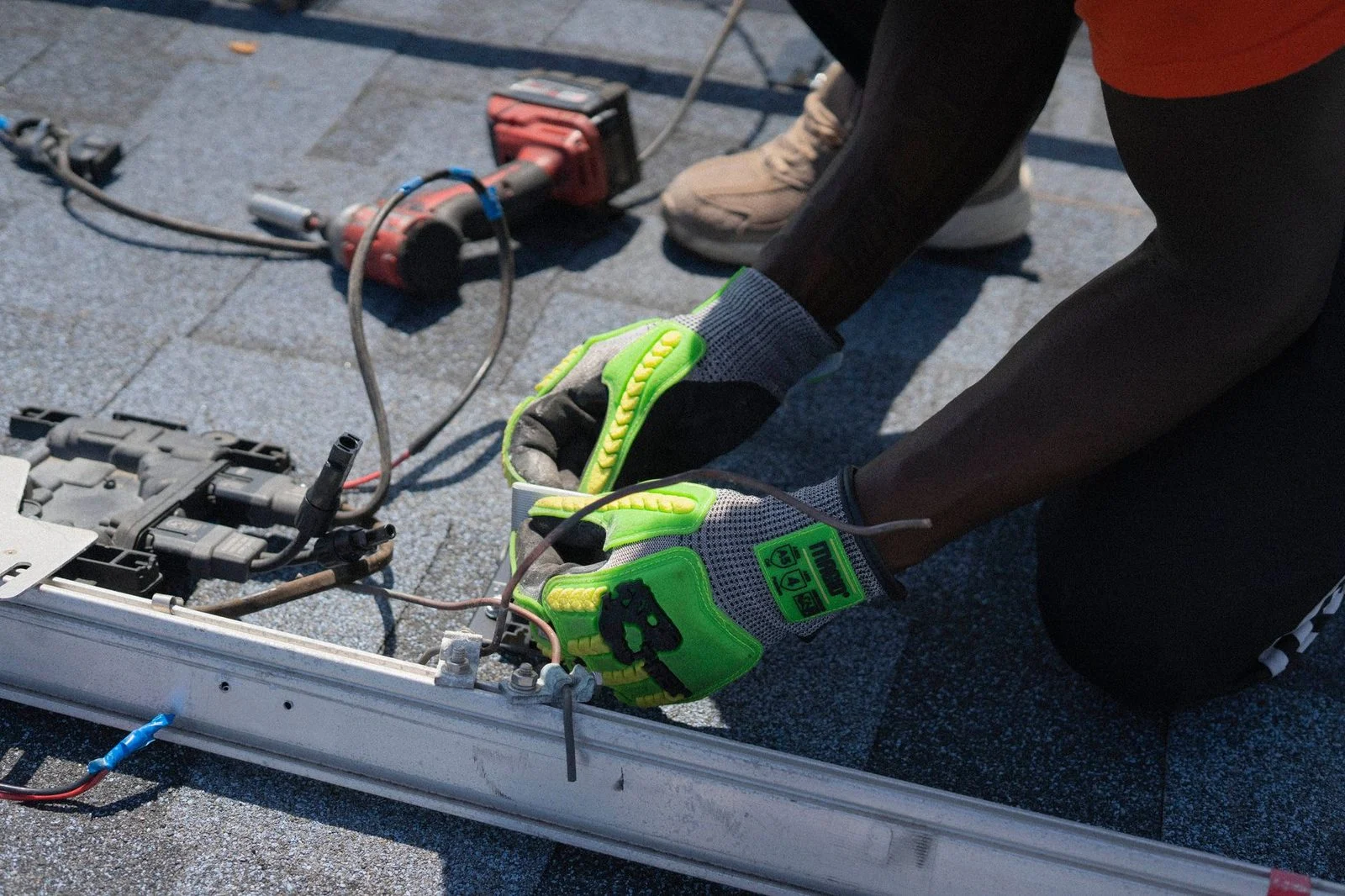
Solar panels make direct current whenever light hits them, so parts of the system stay live during daylight. That raises shock and arc-fault risk for anyone working on the wiring. Never assume a circuit is dead just because the sun is down.
Roof work adds fall risk. A sloped roof with panels, rails, and tools is a hard place to stand. Fall protection is part of the job, not an extra.
Code R. 25-6.065 describes. The utility’s interconnection agreement may also require a customer to install, at the customer’s expense, a manual disconnect switch that the utility can lock open, though inverter-based Tier 1 systems are exempt unless the utility pays for the switch.
Grounding and wiring mistakes can create fire hazards and may void equipment warranties. Mistakes found after installation can be expensive to correct, because fixing them often means taking parts apart.
How Much Power a Panel Can Actually Run
A single panel can help run a small load, such as a refrigerator, during sunny hours. It won’t carry a whole house on its own. Panel output changes with weather, time of day, and roof direction.
Air conditioning draws much more power than one panel can supply. An AC-scale system needs several panels and an inverter sized for the load. Sizing starts with a load calculation. List what you use and when you use it, then size the panels and any storage to match.
Batteries can store daytime output for evening use, but they add cost and their own wiring rules. The Florida Building Commission’s 2026 residential analysis reports that the 2026 code renamed its battery section from Stationary Storage Battery Systems to Energy Storage Systems.
Not sure what your next step is?
Talk it through with our team — the first consultation is free, confidential, and carries no obligation.
Tradeoffs: Savings, Performance, and the Biggest Drawback
DIY can lower labor costs, but the savings can disappear fast. An undersized, poorly designed, or badly wired system can underperform for years. The biggest drawback is usually the cost of a mistake, not the panels themselves.
Incentives can help, but they have limits. The IRS residential clean energy credit page says the credit may apply to qualifying residential solar, including potential eligibility for home battery storage. Eligibility for the federal residential clean energy credit depends on the timing of the installation, qualifying residences and expenses, and other limitations.
Federal grants work differently. The U.S. Department of Energy says its Solar Energy Technologies Office does not directly fund individuals or companies to install solar systems. Don’t build your budget around a federal grant.
Check manufacturer and installer warranty terms before you buy equipment. Warranty coverage can depend on how the system was installed, so read those terms closely.
Key Takeaways and Your Next Step
Panels can be bought, but roof work, permits, electrical safety, and sizing are where DIY projects get hard. Plan the roof, wiring, and paperwork together, not one at a time. Our solar panels and battery backup services cover the full range of options.
If you’re researching this for someone else, or for a home you didn’t choose to change, the load can feel heavy. You don’t have to sort out every step alone.
Can I install my own solar panels at home?
Possibly, but the roof, wiring, permits, and utility approval make it far more involved than mounting panels.
Do solar panels need utility approval?
Florida’s rule requires you to return the executed Standard Interconnection Agreement to the investor-owned utility at least 30 calendar days prior to beginning parallel operations and within one year after the utility executes the Agreement.
Can solar panels damage a roof?
They can if the roof penetrations are flashed wrong. Poor flashing at each mount can cause leaks, so that work matters most.
Our team offers a free first consultation, which is confidential and has no obligation to continue. We can talk through the roof, electrical, and permit questions for your property. Contact our team to start that conversation.
Before you start on the roof
Solar panels are mounted on your roof, and wiring connects them to your home's electrical system. Mistakes in either can lead to leaks, structural damage, electrical hazards, or a system that does not operate safely.
What a home solar project involves
Roof condition
Panels are fastened to your roof for decades. Checking the roof's age, material, and structure helps determine whether it is ready for solar or needs repair or replacement first.
Electrical work
Connecting panels to your home's wiring and inverter requires careful planning to keep the system safe and working as intended.
Permits and utility approval
Solar systems typically require permits and an interconnection process with your utility company before they can be switched on. Missing steps can delay or stop the project.
Battery backup
If you plan to add battery storage, the battery, inverter, and electrical connections need to be designed together with your solar panels.
How ASP Superhome can help
Start with a plan
We look at your home, roof, and energy goals so you understand what your project will involve.
Protect your roof
Our solar work is coordinated with our roofing services, including roof repair and roof replacement, so your roof is ready for the system.
Help with the process
Our team can guide you through the paperwork and steps that come with permits and utility approval.
Clear answers
We explain your options in plain language, including solar panels and solar battery backup, so you can decide with confidence.
Have questions about solar for your South Florida home?
Start with a free first consultation. It is confidential and comes with no obligation to continue.


