


Solar Panels | Miami, Fort Lauderdale, West Palm Beach & More
Solar Panels Planned Around Your South Florida Home
Residential solar panel installation from ASP Superhome, coordinated with your roof, windows, and battery backup options. Start with a free first consultation.
Start With a Free Consultation
Free
First consultation
No obligation
Confidential, with no commitment to continue
Full home
Solar, roofing, windows, and doors under one team
By Jonathan Rodriguez · Published November 6, 2026
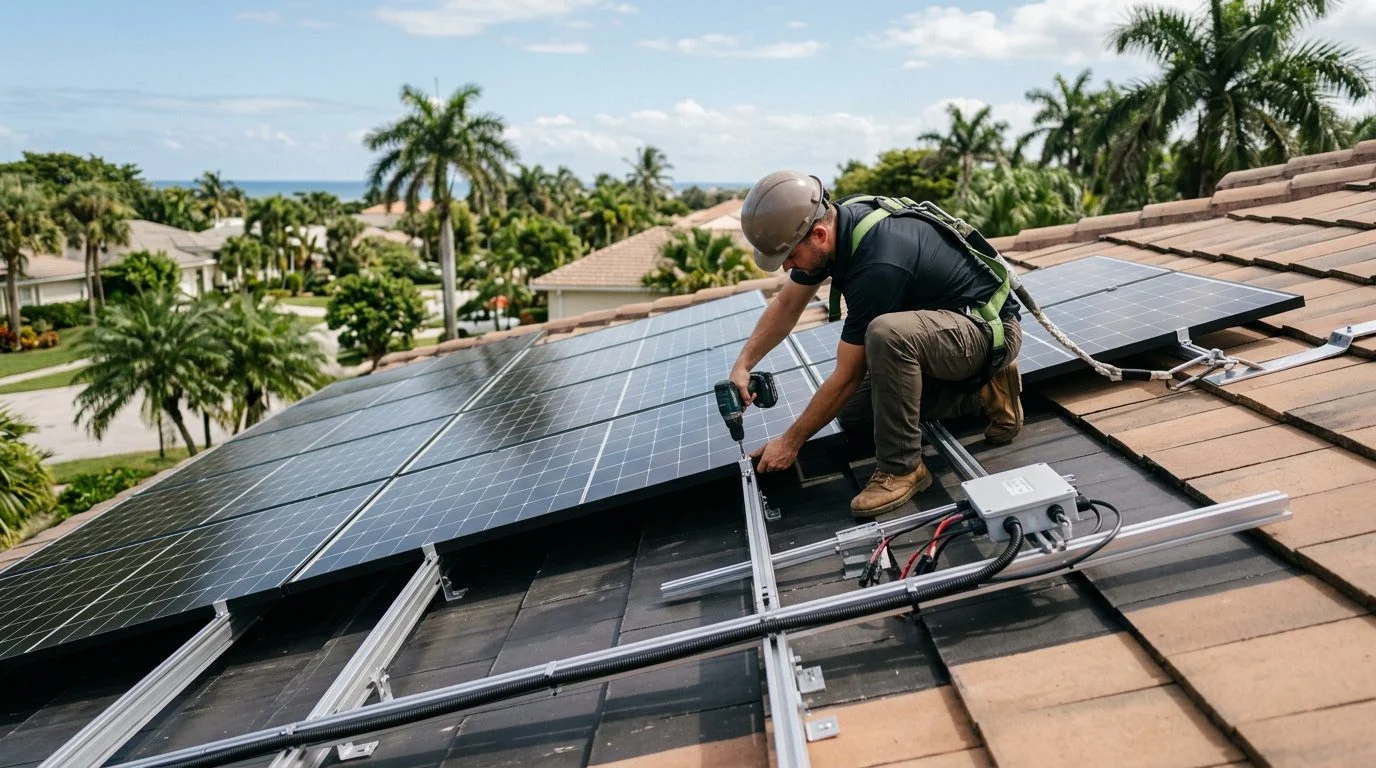
Residential solar panel installation means mounting solar panels on your home’s roof and wiring them into the home’s electrical system. The panels turn sunlight into electricity on site. A full project moves through a site check, system design, permits, installation, and a final inspection.
What Residential Solar Panel Installation Covers and Who It Suits
Residential solar panel installation covers photovoltaic (PV) panels, the mounting system that holds them, and the electrical equipment that connects them to your home. A battery can store some of that power for later use.
It suits homeowners who want to rely less on the grid and plan for the long term. South Florida gets strong sun for much of the year. Still, your roof decides a lot. Roof age, shape, and direction all shape what’s possible.
Sometimes the roof should come first. If your roof is near the end of its life, a repair or replacement before the panels go up can save you from removing the system later. We cover that sequencing below.
Our first consultation is free, confidential, and comes with no obligation to continue.
If you're still weighing solar for your home, talk with our team about your roof and your power bill, with no obligation to continue. Talk it through with our team — the first consultation is free, confidential, and carries no obligation.
What a Complete Solar Installation Includes
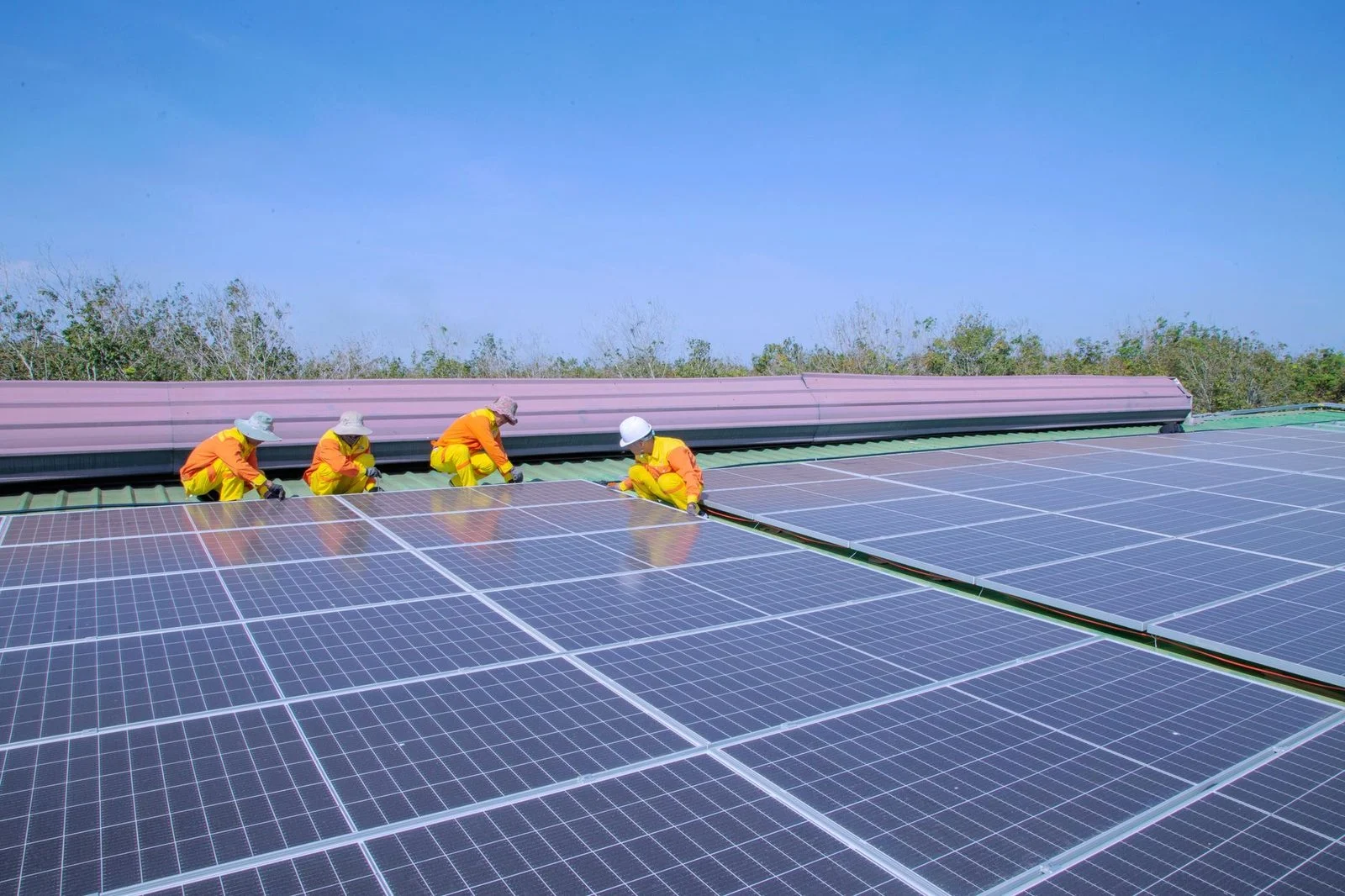
A complete installation has four core parts:
- Panels and mounting hardware. Crews fasten the mounts to your roof structure.
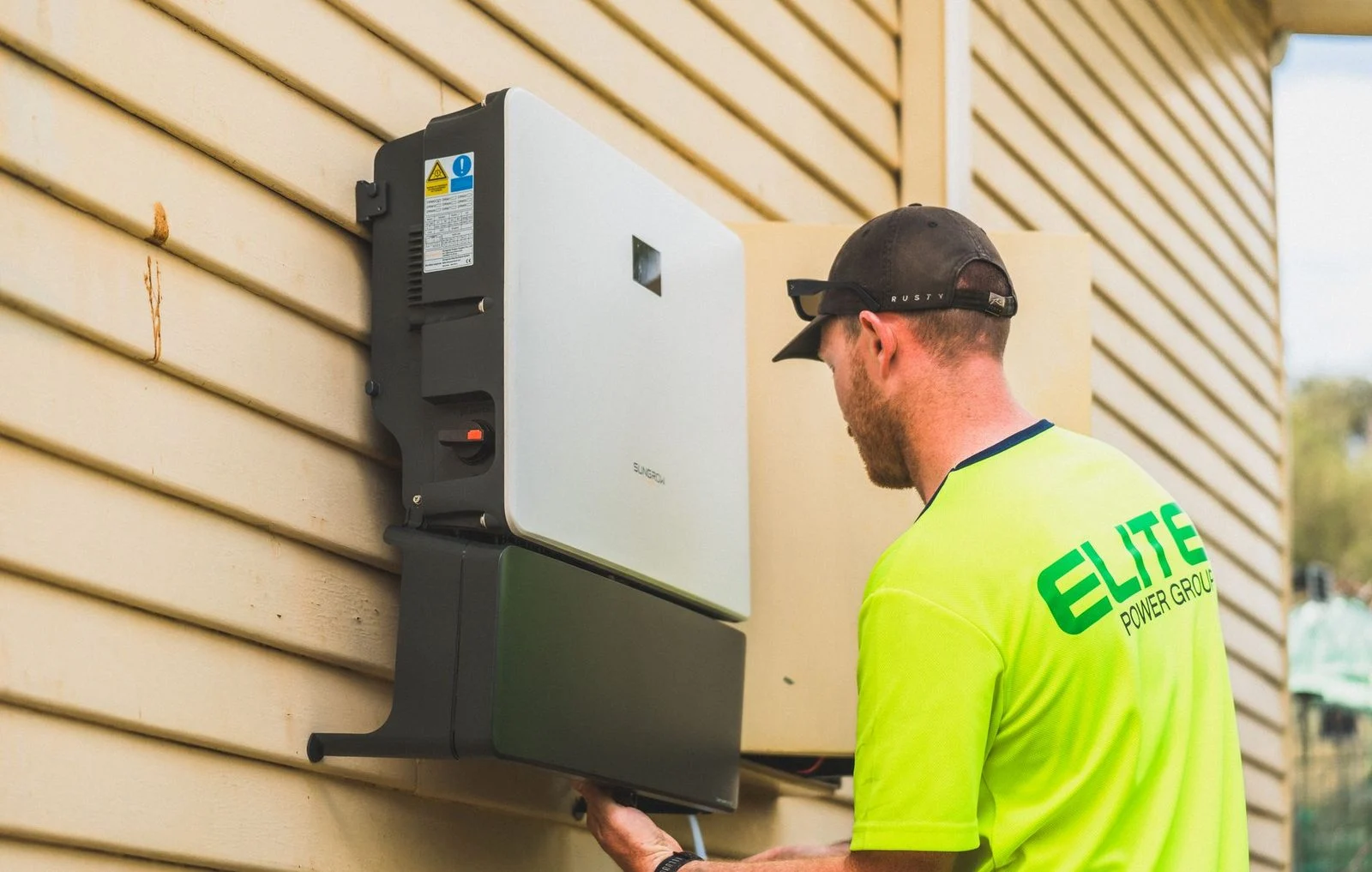
- Electrical connections. Wiring and an inverter link the panels to your home’s electrical service.
- Optional battery backup. A battery stores power so you can use it when grid power goes out. The U.S. Department of Energy’s Solar Energy Technologies Office is a federal office focused on solar energy technologies.
- System sizing. The layout is matched to usable roof space and your electric use. We review both during the site assessment.
To talk through panel and battery options, contact our team for a free, confidential initial consultation with no obligation to continue.
Step-by-Step: How the Residential Solar Panel Installation Process Works
A residential solar panel installation usually moves through seven steps, from your first call to switch-on. Permit review and scheduling set most of the timing. We confirm the schedule with you at each step.
- First consultation. We talk about your goals, your electric bills, and your home’s details.
- Site assessment. We review roof condition, roof direction, shade, and your electrical service.
- System design. We set the panel layout and decide whether battery backup fits.
- Permits and approvals. Unless otherwise provided by law, Florida law requires a permit before a building is altered, modified, or repaired.
- Equipment and scheduling. We confirm materials and an install date with you. If you pay more than 10 percent of the contract price up front, Florida law requires the contractor to apply for permits within 30 days of that payment and start work within 90 days after permits are issued, unless the contractor has just cause or you agreed in writing to a longer period.
- Installation. Crews mount the panels, connect the wiring, and finish the electrical work.
- Inspection and activation. The system is switched on only after the final inspection passes.
Can I Install My Own Solar Panels at Home?
As a general rule, homeowners should not plan to install their own panels: residential solar work is subject to permitting and inspection, and whether any exception, such as an owner-builder exemption, applies to your property must be confirmed before work begins.
Roof work and electrical work both affect safety. A poor roof seal can cause leaks, and a loose connection can cause electrical faults. Inspections check the work before the system goes live. Permits also create a record of what was installed.
Bring your roof and electrical questions to the consultation. We can look at your specific setup and explain what it means for your project.
Will Solar Panels Work on Cloudy Days, and Can They Run My AC?
Yes, panels still make electricity on cloudy days, but output falls compared with clear, sunny days. A solar system’s output depends on sun and weather, so expect some variation.
Whether a system can run your air conditioning depends on three things. Those are system size, your home’s cooling load, and whether battery backup is included. A single panel does not typically power a whole home. System design decides what the system can run.
Bring your monthly electric bills to the consultation. That helps us discuss a realistic design for your home, not a generic number.
Permits, Inspections, and Coordinating Your Home Project
Solar projects can involve permitting and review steps, so it helps to ask about them early. The steps and paperwork vary by city and utility.
Roof timing matters too. That’s why planning a roof repair or replacement first can make sense.
Coordinating roof, electrical, and solar work in one project can also cut down on handoffs between separate crews. Metal roofs and tile roofs each need their own planning before panels go on.
Not sure what your next step is?
Talk it through with our team — the first consultation is free, confidential, and carries no obligation.
Why Homeowners Work With ASP Superhome
ASP Superhome offers solar panels, solar battery backup, roof repair, roof replacement, metal roofing, tile roofing, impact windows, impact doors, and kitchen remodeling under one brand. That means roof and solar planning can happen together, not as separate projects.
We serve homeowners in Miami, Kendall, Fort Lauderdale, West Palm Beach, Boca Raton, Naples, and Fort Myers. Roof work and solar work often touch the same home, so we plan them in order.
Our process is simple. We explain each step before we start it. Florida law also gives you written protections. Residential contracts over $2,500 must include a recovery fund notice under Florida law. Fla. Stat. § 489.1425 reads: “(1) Each agreement or contract for repair, restoration, improvement, or construction to residential real property must contain a written statement explaining the consumer’s rights under the recovery fund, except where the value of all labor and materials does not exceed $2,500.”
Frequently Asked Questions About Residential Solar Panel Installation
How long does a residential solar panel installation take?
The timeline depends on permit review and scheduling. We confirm it with you at each step.
Can solar panels work on cloudy days?
Yes. Output is lower than on clear, sunny days.
Can I install solar panels myself?
Installation requires permits and inspection. Section 489.113(2), Florida Statutes, provides that a person must be certified or registered to engage in the business of contracting in this state. An uncertified subcontractor may take part only if the work falls within the scope of that contractor’s license, the contractor is responsible for it, and the subcontractor is not performing work that requires its own license under § 489.105(3)(d)-(o).
Do I need a permit for solar panels in Florida?
Yes. Under Florida law, a permit must first be obtained before a building is altered or repaired, unless otherwise provided by law.
Is battery backup included with every system?
No. Battery backup is an optional addition that we discuss during design.
If you’re still weighing solar for your home, reach out to our team to talk through your roof and your power bill.
How Your Solar Installation Works
1. Free consultation
We talk through your home, your electric use, and your goals. The first consultation is free, confidential, and carries no obligation to continue.
2. Roof and site review
We look at your roof condition and layout to confirm where panels can go and whether roof work should come first.
3. Permits and scheduling
We prepare the paperwork and schedule the work. The timeline depends on permit review and scheduling, and we confirm each step with you.
4. Installation and activation
Our team installs your panels and can add solar battery backup so you keep power when the grid goes down.
Why Homeowners Choose ASP Superhome
Built for South Florida
We focus on homes in Miami, Fort Lauderdale, West Palm Beach, Kendall, Boca Raton, Naples, and Fort Myers.
Solar planned with your roof
We also handle metal and tile roofing, roof repair, and roof replacement, so panels can be planned with the roof they will sit on.
Battery backup options
Pair your panels with solar battery backup to keep key circuits running during outages.
Clear communication
Our team keeps you informed at every stage, from first call to final installation.
Check Your Roof Before You Install
Panels are typically mounted for many years, so the roof underneath should be sound first. If your roof is aging or has leaks, we can review repair or replacement options before panels go on.


