


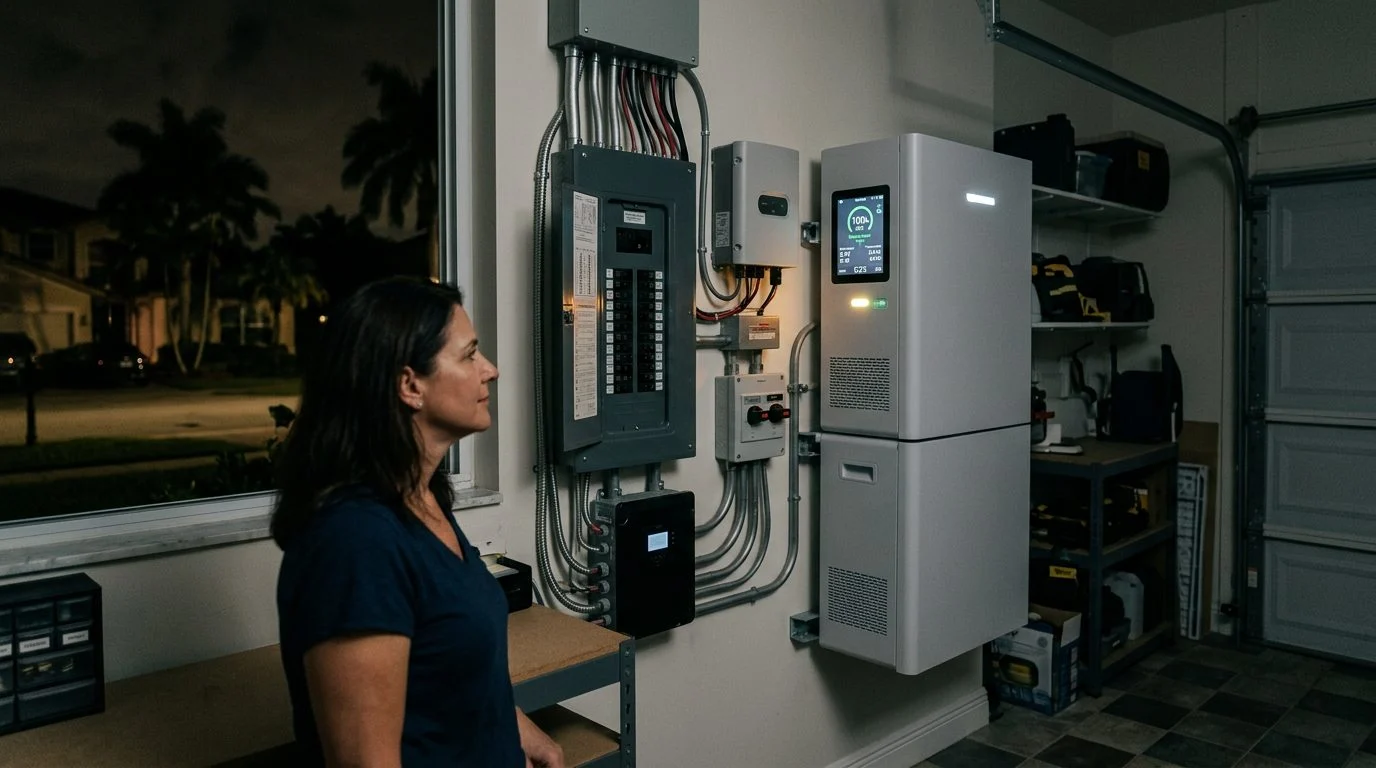
Solar Battery Backup | Miami
Keep Your Miami Home Powered When the Grid Goes Down
ASP Superhome designs solar battery backup systems for Miami homes, from covering essential circuits to whole-home backup. Start with a free first consultation.
By Jonathan Rodriguez · Published October 14, 2026
Solar battery backup in Miami keeps some of your home’s power running when the grid goes down. Solar panels alone usually shut off during an outage, so a battery and the right equipment make backup possible. This guide explains how the system works, what it can cover, and what shapes the cost.
Why Miami Homeowners Are Adding Battery Backup to Solar
Most Miami homeowners add a battery because standard solar panels don’t keep the home running during a grid outage. Grid-tied systems are built to shut down when the utility loses power, so the panels can’t supply the house on their own.
Miami is hurricane country. Storms can knock out power for long stretches, and wind can damage roofs and panels at the same time. Outages are a practical concern across Miami-Dade, from Kendall to downtown, not just a rare event.
A battery can keep essentials running, such as a refrigerator, some lights, phone chargers, and a Wi-Fi router. How much a system covers depends on its size and design. No solar battery backup system can promise to power everything in your home.
If your Miami home has solar panels, or you're planning them and need power through storm outages, request your free estimate and we'll review your home. Talk it through with our team — the first consultation is free, confidential, and carries no obligation.
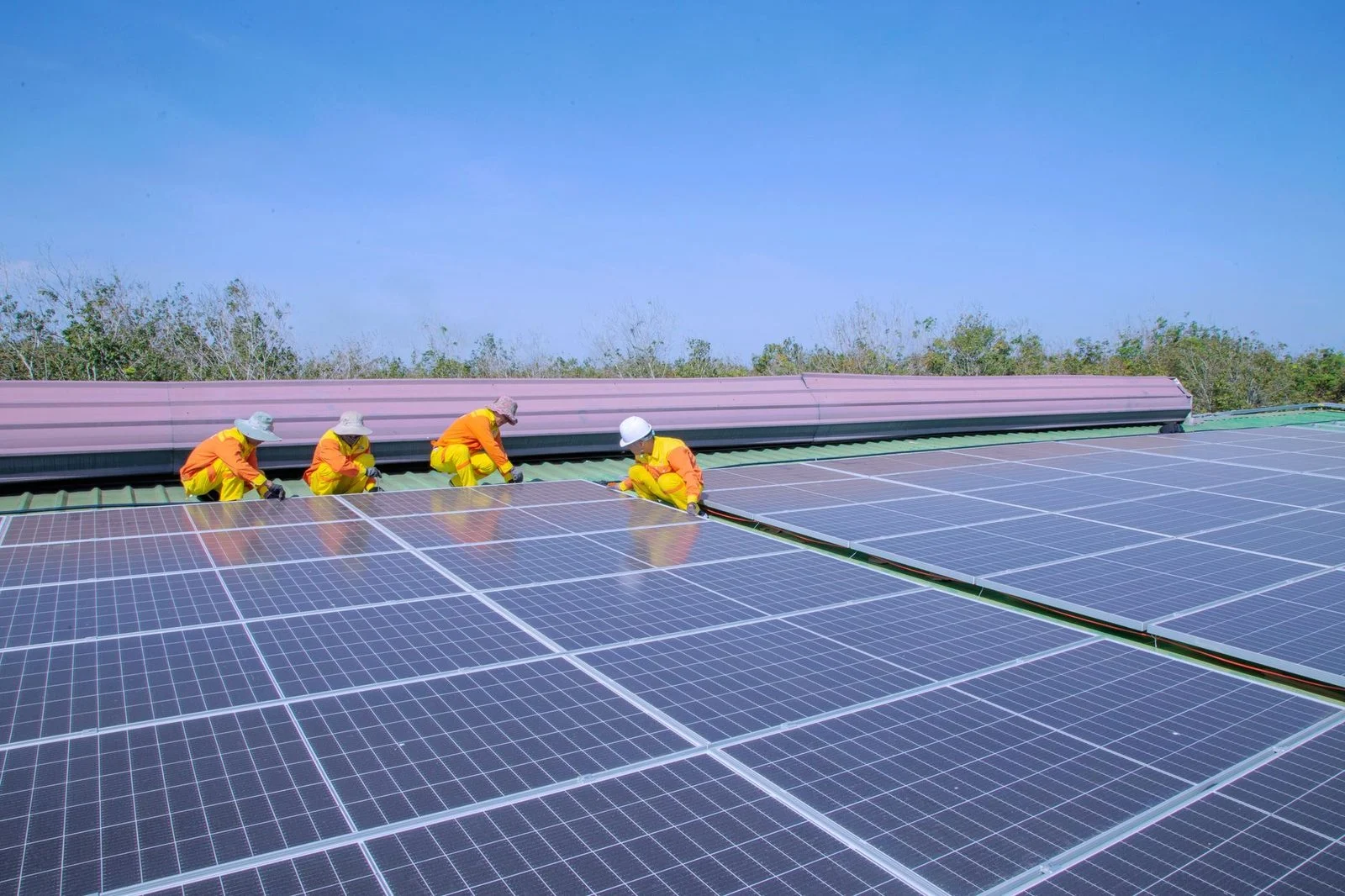
How a Solar Battery Backup System Works With Your Panels
Solar charges the battery during the day, and the battery supplies stored energy when the sun is down or the grid is out. That two-part job is the heart of the system.
The main parts are:
- Solar panels that turn sunlight into direct current (DC) electricity.
- An inverter that converts that power to alternating current (AC), which your home uses.
- Battery storage that holds extra energy for later use.
- A connection to your electrical service panel, which feeds the house.
Florida’s interconnection rule explains one key detail. Fla. Admin. Code R. 25-6.065 states that its purpose is to promote the development of small customer-owned renewable generation, particularly solar and wind energy systems, and it applies to all investor-owned utilities, except as otherwise stated in subsection (10). Fla. Admin. Code R. 25-6.065 also requires the customer to notify the investor-owned utility at least 10 days before the system goes into service.
Battery-ready solar and a new combined install are different. An existing solar system may need a compatible inverter or added equipment before it can store energy. A new combined install designs the panels and battery together from the start.
We describe these systems as solar-charged and name solar as the source. The federal guidance on renewable energy claims states that misrepresenting, directly or by implication, that a product or package is made with renewable energy, or that a service uses renewable energy, is deceptive, and that marketers who lack substantiation for all their express and reasonably implied claims should clearly and prominently qualify those claims.
What Whole-Home Battery Backup Can and Cannot Cover
Whole-home backup powers the entire house, while essential-circuit backup powers only selected circuits. Essential-circuit systems usually need less battery capacity, so they cost less. Whole-home systems need more capacity and more power output.
The load plan decides which option fits. Central air conditioning is one of the largest power draws in Miami homes. Pool pumps, electric water heaters, and EV chargers add to that load. Refrigerators run around the clock, so they belong on almost every backup list.
Runtime depends on battery capacity, how much power the household uses, and how the system is designed. No one can guarantee a set number of hours. During your review, we walk through the load numbers for your home, so you can see what the battery can and can’t carry.
Sizing Your Battery System for Your Household
The right size comes from your electricity use, the loads you want to back up, and how long you want power to last. Those inputs set the battery and inverter sizes.
Start with your monthly kilowatt-hour (kWh) use from the utility bill. Then add peak loads, such as central air starting up, and the backup duration you want. Roof space and panel capacity set the final limits.
Oversizing spends money on capacity you may never use. Undersizing leaves you short during the outage the system was meant to cover. An on-site review catches both problems early.
Homes differ across Miami neighborhoods. Older single-family homes may need electrical service upgrades before a battery fits. Newer builds may already have the wiring and capacity to add one. Fla. Stat. § 553.79 generally requires a permit before a building is altered or repaired, so this electrical work goes through the permit process.
Is Solar Battery Backup Worth It in Miami, and What Affects the Cost
Battery backup is worth it when outages and backup needs matter more to your household than the added cost. Your outage risk, the loads you care about, and how often you’d rely on stored energy all shape that answer. We can’t promise savings or a return on the investment.
Cost depends on several factors:
- Battery capacity, and whether you want whole-home or partial backup
- Whether your solar system is new or already installed
- Electrical panel work and any service upgrades
- Permitting and inspection requirements
A specific price depends on your home. We give a quote after reviewing the property, not a flat figure. The federal incentive for home battery systems ended for expenditures made after December 31, 2025, under Public Law 119-21. You can review the IRS guidance for details.
Our Installation Process for Miami Homes
Our process moves from a free first consultation to design, permits, installation, and inspection. Each step builds on the last, so nothing starts before your home is reviewed.
- Initial consultation. We talk through your goals and your current solar setup. The first consultation is free, confidential, and carries no obligation to continue.
- On-site assessment. We check the roof, the panels, and the electrical service.
- System design. We size the battery and inverter to your load plan.
- Permitting. The work moves through the permit process that Florida law generally requires.
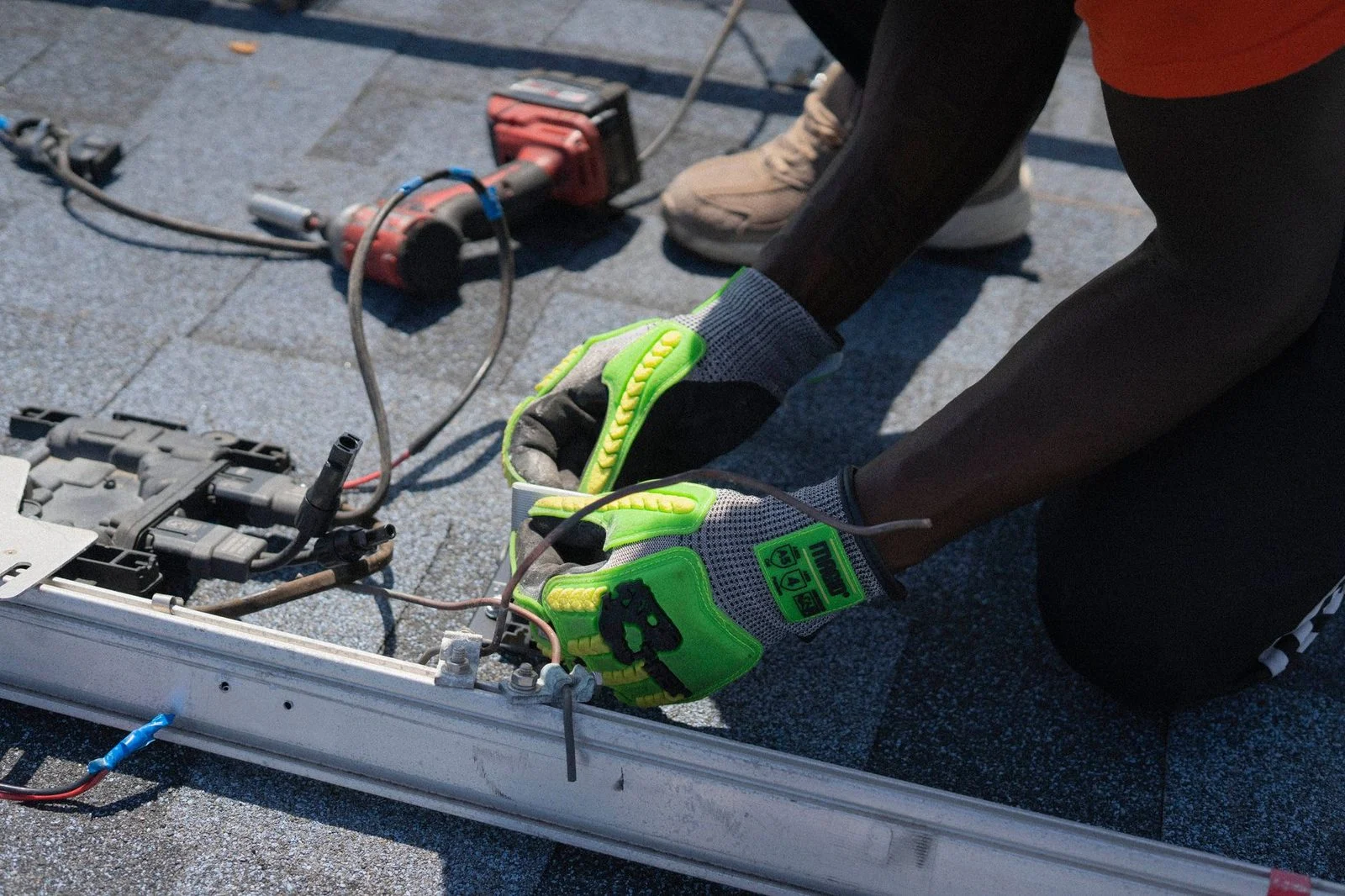
- Installation. Our team coordinates the equipment and the work on site.
- Inspection and activation. The system is inspected, and the utility is notified before it goes live.
Some Florida contracts carry extra notice rules. Fla. Stat. § 489.1425 requires a written recovery-fund statement in residential repair or improvement contracts when labor and materials exceed $2,500. If your agreement is a home solicitation sale, Fla. Stat. § 501.025 gives you until midnight of the third business day after you sign to cancel.
For broader solar and storm-prep options, see our South Florida solar and battery guide.
Not sure what your next step is?
Talk it through with our team — the first consultation is free, confidential, and carries no obligation.
Request Your Free Estimate for Battery Backup in Miami
If your Miami home has solar panels, or you plan to add them and want backup power for storm outages, a free estimate is the next step. Reach out through our contact page to request a quote for your home.
Frequently Asked Questions
Does solar keep working during an outage?
Standard grid-tied panels usually shut down during a grid outage. A battery with the right equipment is what makes backup possible.
Can a solar battery power a whole house?
It can, if the system is designed for whole-home backup. Battery size and your load plan decide what it covers.
What does solar battery backup cost in Miami?
The price depends on the home, battery size, panel work, and permits. We give a quote after reviewing your property.
Why Homeowners Choose ASP Superhome for Battery Backup
Designed Around Your Home
We look at your daily energy use, the circuits you want to keep running, and your budget before recommending a battery size and layout.
Built for South Florida
Our systems account for Miami's heat, humidity, and storm season, so your backup plan fits the conditions your home actually faces.
Solar and Backup Together
Your solar panels, battery storage, and inverter are planned as one system, so they work together during the day and during an outage.
Confidential, No-Obligation Consultation
Your first consultation is free, confidential, and comes with no obligation to continue. Talk through your options before you decide anything.
Check Your Setup Before You Need It
Standard grid-tied solar panels usually shut down during a grid outage for safety reasons. If you want power during an outage, confirm that your system includes a battery and the equipment that supports backup operation.
Ways to Plan Your Backup Power
Essential Circuits
Power the refrigerator, lights, medical equipment, and communications your household relies on most. This is often the most cost-conscious starting point.
Whole-Home Backup
Design a system to cover a larger share of your home's load. Battery size and your load plan determine how much of the house it can support.
Solar-Charged Storage
Store excess energy from your solar panels during the day and use it in the evening or during a grid interruption.
Future-Ready Expansion
Start with the battery capacity you need now and plan for additional storage as your energy needs change.
Talk With ASP Superhome About Your Miami Home's Backup Power
Related practice areas
- Small Kitchen Remodel in South Florida | ASP Superhome


