



Solar Panels | South Florida
By Jonathan Rodriguez · Published October 23, 2026
How does the 30% federal tax credit for solar work? Available tax incentives for solar installations can vary, so our team can review current options with you during your free initial consultation, which is confidential and carries no obligation to continue. It doesn’t pay you cash on its own. The credit in IRC § 25D is unavailable for expenditures made after December 31, 2025, so check that date before you buy. This guide explains the math in plain words so you can check your own South Florida project.
What the 30% federal solar tax credit is
IRC § 25D covers expenditures for property that uses solar energy to generate electricity for a dwelling unit used as a residence by the taxpayer. It covers solar electric property, which uses solar energy to make electricity for a home in the United States. Section 25D(a)(6) lists qualified battery storage technology expenditures among the costs this credit covers, and under §25D(h) the credit does not apply to any expenditures made after December 31, 2025. For the official federal rules, see the IRS residential clean energy credit page.
The credit is a percentage of cost, not a fixed dollar amount. So your final number depends on what the system costs.
If you're comparing solar and battery backup for a parent's home or your own, our team can talk through your roof, your power needs, and your budget with you. Talk it through with our team — the first consultation is free, confidential, and carries no obligation.
How the 30% is calculated
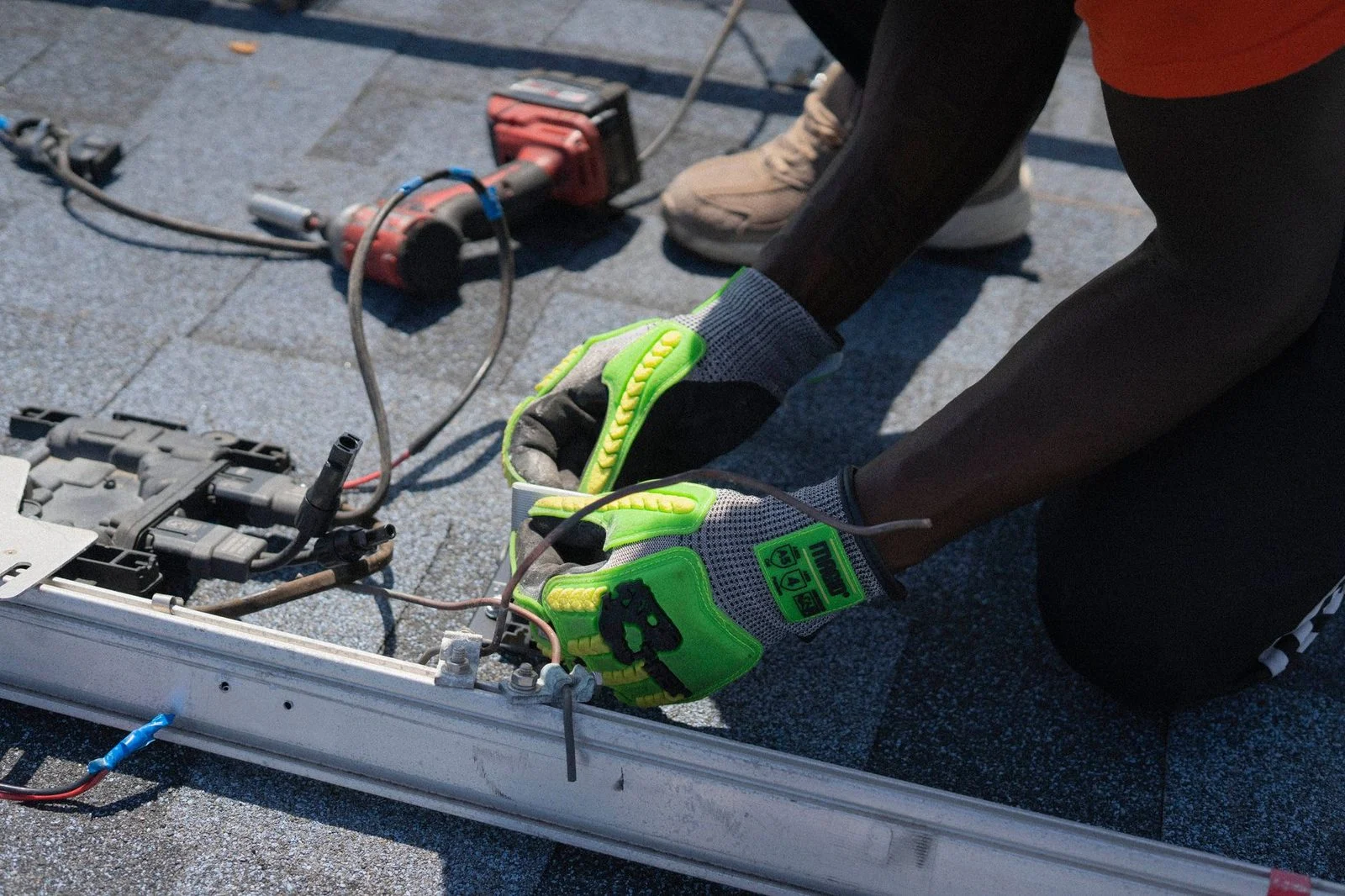
The 30% applies to qualifying costs. Those costs include equipment and installation labor. The law counts labor for the onsite preparation, assembly, or original installation of the system. It also counts piping or wiring that connects the system to your home, under IRC § 25D.
Here’s a sample with made-up numbers:
- Solar panels and equipment: $18,000
- Installation labor and wiring: $4,000
- Battery storage: $10,000
- Separate roof repair: $6,000 (not tied to the solar equipment)
In this example, the qualifying items total $18,000 + $4,000 + $10,000 = $32,000, for expenditures made on or before December 31, 2025. Then multiply: $32,000 × 30% = $9,600. In this example, the roof repair stays out of the base.
Keep itemized invoices. Separate lines for panels, labor, batteries, and unrelated work make the base easy to prove.
Why the credit reduces tax owed instead of producing a refund
A tax credit lowers the federal income tax you owe. It works like a reduction in your tax bill, not a check from the government. If the credit is larger than your tax for that year, the law includes a rule for carrying unused credit forward to later years, under IRC § 25D. How much you can use, and in which year, depends on your full tax picture.
The credit also affects your tax basis. Basis is your cost for tax purposes. Under the same section, the basis increase from a credited expense is reduced by the credit amount. Under IRC § 25D, any increase in basis that an expenditure would otherwise cause is reduced by the amount of the credit allowed for that expenditure. Check these numbers against your own federal return before you count on them.
Who qualifies and what counts
The credit applies to a solar system at a home in the United States that you use as your residence. The law calls this a qualified solar electric property expenditure, as defined in IRC § 25D. A solar panel installed as part of a roof doesn’t lose eligibility only because it’s a structural part of that roof. Roof condition still matters. The DOE homeowner’s guide to solar says rooftop suitability depends on climate, roof age, tree cover, size, shape, and slope.
Don’t mix this with the business credit. IRC § 48E describes a separate clean electricity investment credit for qualified facilities and energy storage. Check which one fits your project before you rely on either.
Timing and the current status of the credit
The federal solar credit has an end date you need to plan around. Keep records that show when the work was installed and paid for. Then confirm the rules for your year against the IRS residential clean energy credit guidance and the Form 5695 instructions.
Federal help for installs isn’t always direct. The U.S. Department of Energy states its Solar Energy Technologies Office does not directly fund individuals or companies to install solar systems, according to DOE federal financial assistance programs. Keep your signed contract, invoices, and payment receipts together.
Talk through your home’s solar and battery options with our team
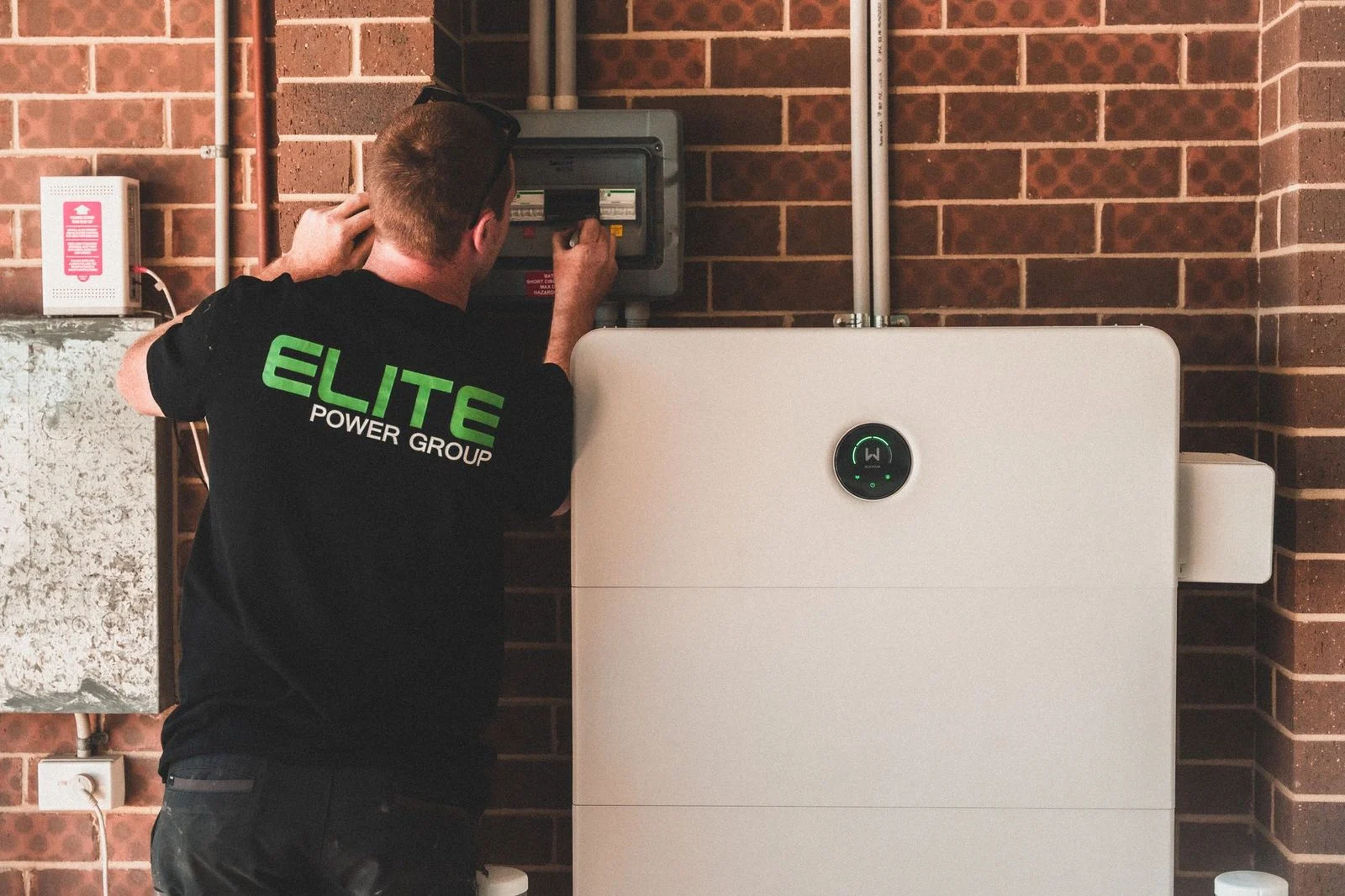
Maybe you’re helping a parent who faces a higher power bill. Or maybe you’re worried about backup power during storm season. You may also be unsure whether the roof is ready for panels. The tax credit is one piece of the cost picture. System size, roof condition, and battery backup needs shape what the project costs before any credit applies.
Frequently asked questions
Federal solar tax credit cutoff date
Under IRC § 25D(h), the credit does not apply to expenditures made after December 31, 2025, so our team can review the timing and options that apply to your home. Check your installation and payment dates against IRS guidance before you count on it.
Is the solar tax credit a refund?
No. It lowers the federal income tax you owe, so it works like a reduction in your tax bill.
Does the credit include labor?
Yes.
Our team offers a free first consultation, which is confidential and carries no obligation to continue. Request yours here to review your home’s solar and battery backup options.
Why Homeowners Start With a Conversation
Clear explanations
We walk you through how the credit works, step by step, without the jargon.
Planning around your project
We help you see how solar panels and battery backup fit your home and budget.
Confidential, no obligation
Your first consultation is free, confidential, and comes with no obligation to continue.
Important: The Credit Is Not a Refund
How much it is worth to you depends on your own tax situation, so review your numbers before you plan your purchase.
Three Things to Know About the Credit
It reduces your tax bill
It works like a reduction in your tax bill rather than a check from the government.
Your project plan matters
Solar panels and solar battery backup are often planned together. Our team can help you compare system options for your South Florida home.


