


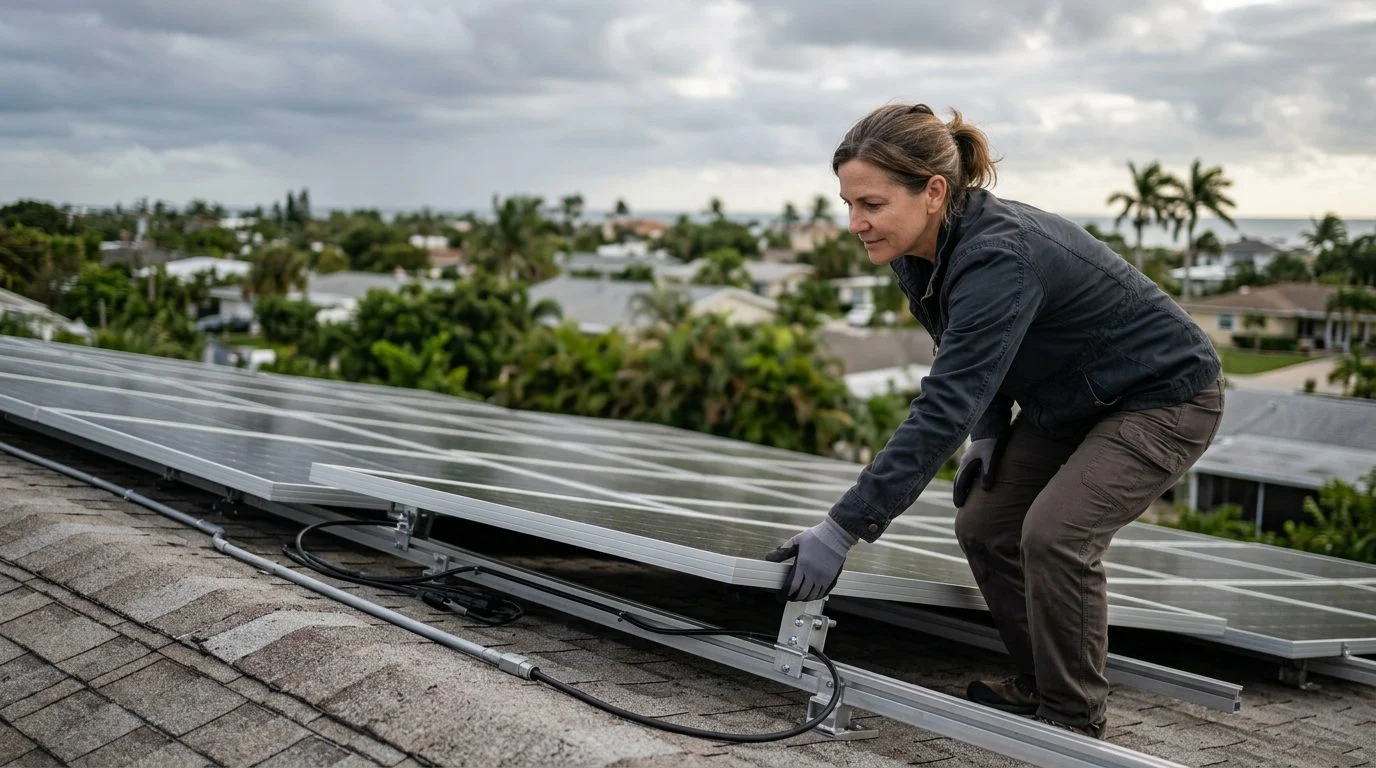
Solar Panels | South Florida
What Happens When Your 20-Year Solar Lease Ends?
Your contract decides your options. Here is what to check before the end date, and how ASP Superhome can help you plan your next step.
Start With a Clear Conversation
Free
First consultation
Confidential
Every conversation
No obligation
To continue
By Jonathan Rodriguez · Published October 31, 2026
What Happens After a 20 Year Solar Lease? South Florida Guide
A 20-year solar lease usually ends with one of four choices: renew, buy the system, have it removed, or transfer it to someone else. Which choices you get, and the deadlines for each, come from your signed agreement. This guide explains each path, the questions that come up when you leave early or sell, and what to gather before the end date. It’s written for South Florida homeowners, whether you signed the lease yourself or inherited it with a home.
If you're reviewing a lease you didn't choose, our team can talk through your options with you; the first consultation is free, confidential, and carries no obligation to continue. Talk it through with our team — the first consultation is free, confidential, and carries no obligation.
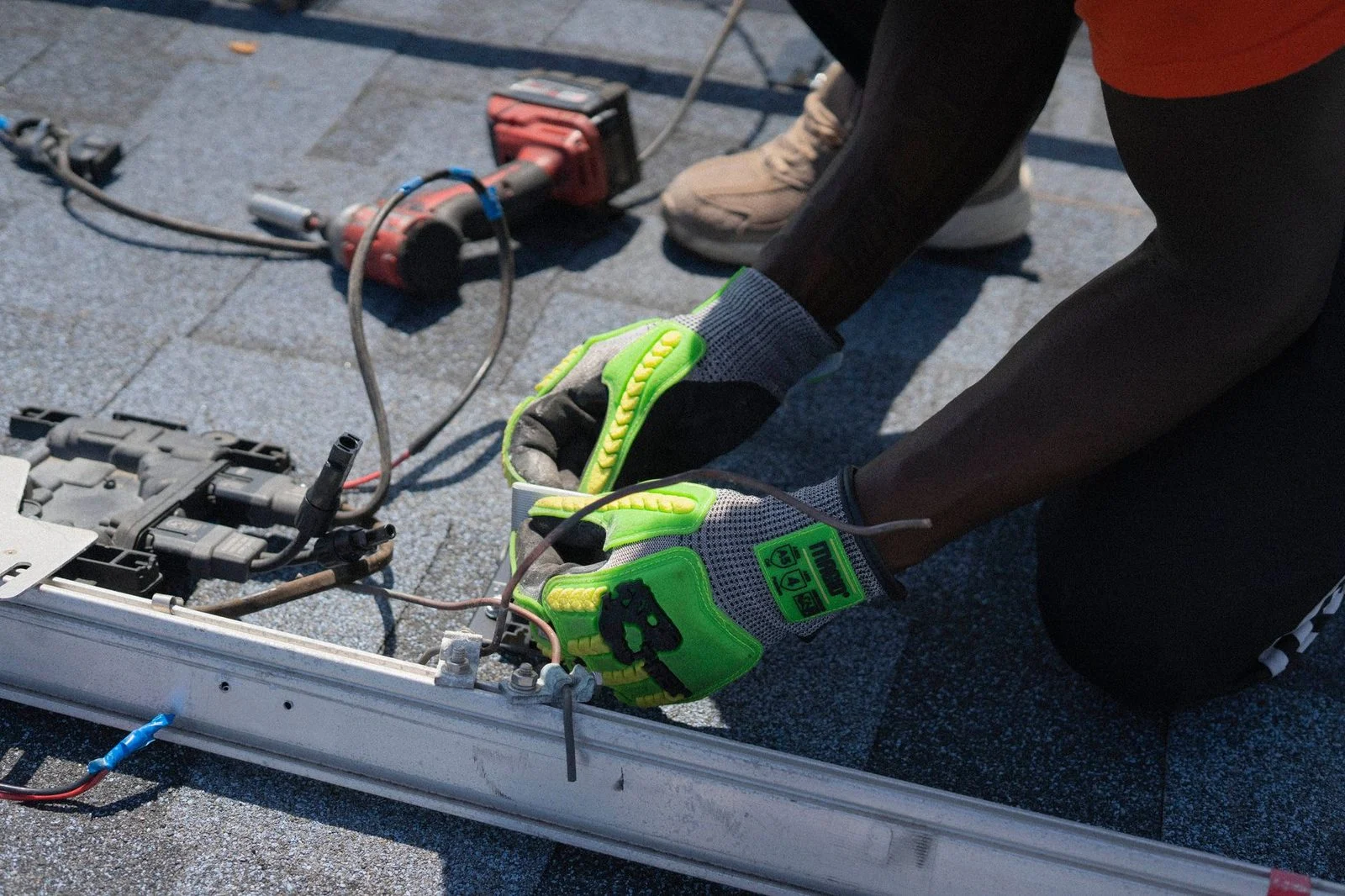
What happens after a 20 year solar lease? The contract decides.
The lease ends on the date in your signed agreement, and the contract sets your options from there. A 20-year lease usually runs for two decades from the day the system goes into service. The end date is written in the agreement, so start by finding it.
Under a typical lease, the leasing company owns the panels and equipment. You pay to use the system. Florida’s rule on customer-owned renewable generation applies to investor-owned utilities, except as otherwise stated in subsection (10). It covers the rule’s purpose and scope, and requires that customer-owned renewable generation be inspected and approved by local code officials before it operates in parallel with the utility. Fla. Admin. Code R. 25-6.065 Fla. Admin. Code R. 25-6.065
Ask whether your lease covers those steps.
Find three sections first: the term, the renewal clause, and the end-of-term or buyout clause. Those sections decide what happens next.
Your usual choices are to renew, buy, remove, or transfer
Lease agreements typically offer a few paths at expiration. Each one carries its own costs and duties.
Renew. A renewal extends the lease for a new term. Check whether it renews automatically and how much notice you must give to stop it.
Buy. A buyout lets you purchase the system. The contract sets the price, either as a fixed amount or at fair market value. After you buy, the equipment and its upkeep become yours.
Remove. The company takes the panels down. Check who pays for removal and what condition the roof must be left in. The array sits on your roof, so roof condition matters.
Transfer. The lease moves to a new owner. This comes up most often when a home changes hands.
Compare each path against the exact words in your contract. Keep copies of every notice and payment record.
Leaving early and the downsides of a solar lease
Getting out of a solar lease early is set by the early-termination terms in your contract, including any fees. Lease downsides usually come from three features. Payments stay fixed for many years. Escalator clauses raise payments on a set schedule. The obligation often stays with the property, not only with the person who signed.
That last point matters most when you sell, refinance, or when a new person moves in. Those events can bring the lease terms into play for someone who never signed it.
Before you decide anything, list what you would owe if you exited. Note the fee terms and the notice period. Then add up the payments that remain.
The panels and battery backup can have separate end-of-term rules
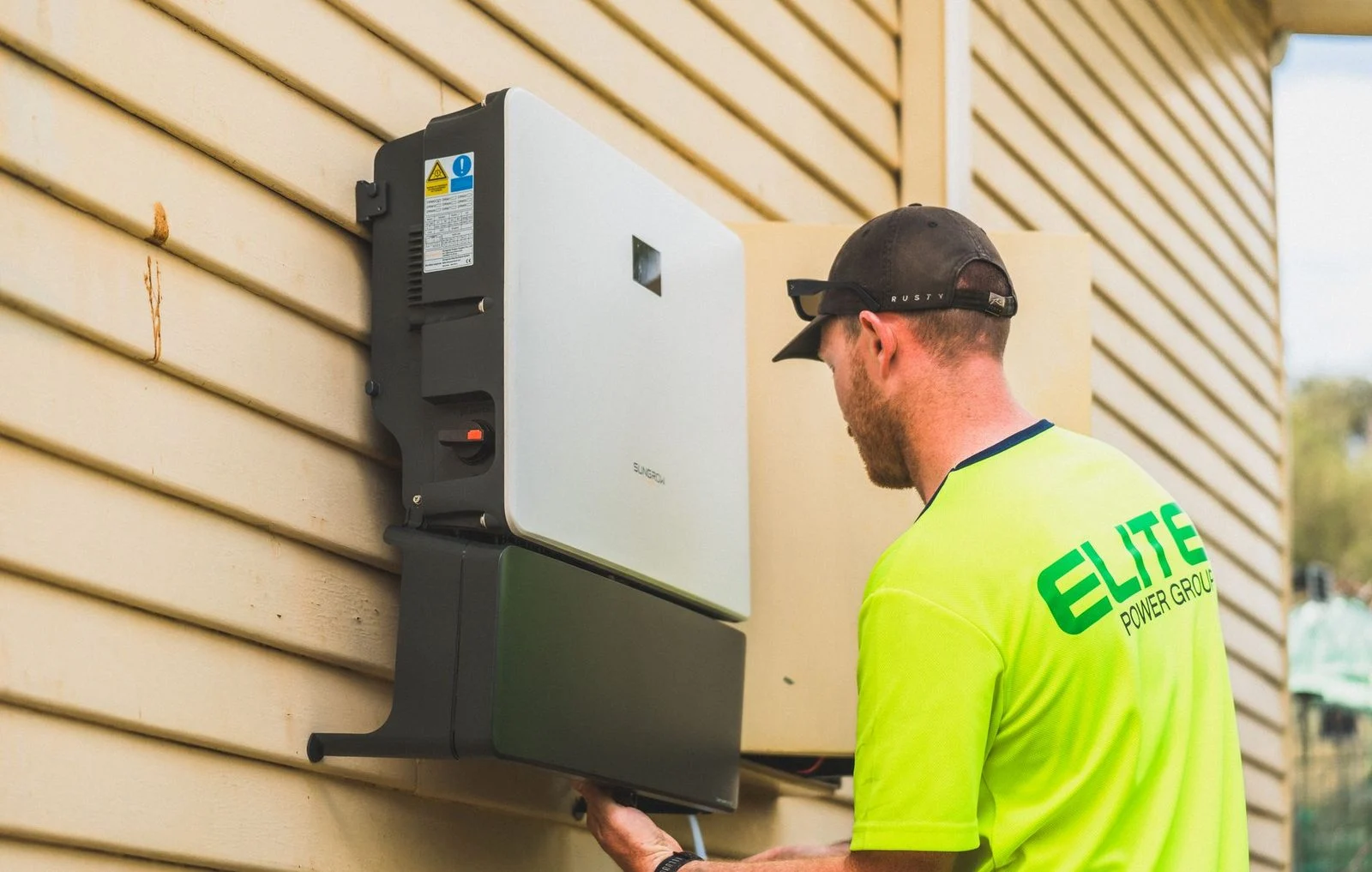
A battery backup can have its own end-of-term terms, separate from the panels. Check whether the battery came with the lease. Your agreement should say whether it is included, removed, or replaced at expiration. Don’t assume the panel clauses cover it.
Equipment warranties often run on different timelines than the lease. Find the warranty dates for the panels, inverter, and battery. Inverter and battery age can shape whether a buyout or renewal makes sense.
Don’t assume a federal tax credit still applies. ENERGY STAR The IRS Residential Clean Energy Credit page explains the credit’s rules and limits.
Selling a home with a leased solar system usually means transfer or buyout
Selling a home with leased solar is workable when you plan the lease early. The two common paths are a transfer to the buyer or a buyout before closing.
Transfer timing matters. The leasing company may require the buyer to qualify before the lease moves over. Start that review before you list the home, not in the final weeks.
Buyers also look at the remaining years and the escalator schedule. A lease with many years left and rising payments can change how a buyer weighs the home.
Florida law also says that, in determining the assessed value of real property used for residential purposes, the just value of the property attributable to a renewable energy source device may not be considered, for devices installed on or after January 1, 2013. Fla. Stat. § 193.624 That rule concerns how the property is assessed. It does not decide how the lease transfers.
Not sure what your next step is?
Talk it through with our team — the first consultation is free, confidential, and carries no obligation.
Gather these lease terms before the end date
Before the end date, gather the lease terms that decide your options. Knowing what happens after a 20 year solar lease starts with the paperwork. Pull these items together:
- The exact end date
- Renewal terms and the notice deadline
- The buyout price method
- Removal duties and roof condition rules
- Transfer rules
- Warranty dates
- Any battery-specific clauses
Mark the notice deadline on a calendar. Missing it can narrow your options.
Can I buy my solar panels at the end of a lease?
Only if your contract includes a buyout option. The contract also sets how the price is calculated.
Can a solar lease be renewed?
Your contract sets whether renewal is available, whether it renews automatically, and how much notice you must give to stop it.
Do I have to pay to remove solar panels when a lease ends?
Your contract sets who pays for removal. Check that clause before the end date.
Does a solar battery stay with the house after a lease?
Only your contract answers that. Look for battery clauses that say whether it is included, removed, or replaced.
If you’re reviewing a lease you didn’t choose, our team can talk through your options with you. The first consultation is free, confidential, and carries no obligation to continue. You can contact ASP Superhome to start that conversation.
How We Approach Your Solar Lease Questions
Review the contract first
Your lease or power purchase agreement sets the terms for the end of the 20-year period. We help you understand what it says before you make decisions.
Compare your options
Depending on your contract, you may have choices about renewal, equipment, or a buyout. We walk you through how each one would work for your home.
Plan with your household
Solar decisions affect your budget and your home for years. Our team takes time to answer your questions so you can plan with confidence.
Built for South Florida homes
We work with homeowners across Miami, Fort Lauderdale, West Palm Beach, Kendall, Naples, Fort Myers, and Boca Raton.
Check Your Dates Early
Lease end dates and notice requirements vary by contract. Find your agreement now, note the dates that matter to you, and do not wait until the last minute to ask questions.
Common Questions to Ask About Your Lease End
Can I buy the panels?
Only if your contract includes a buyout option. Ask how the buyout price is calculated and whether it changes over time.
Can the lease renew?
Some contracts renew automatically and some do not. Read the renewal terms closely so you know how to stop or continue the agreement.
What about removal?
Find out who is responsible for removing the equipment and whether there are costs. Ask for these details in writing.
How does battery backup fit in?
If your home also has solar battery backup, check whether it is covered by the same agreement and how it affects your end-of-lease choices.
Not Sure What Your Contract Means?
Let's Talk. Our first consultation is free, confidential, and comes with no obligation to continue.


