


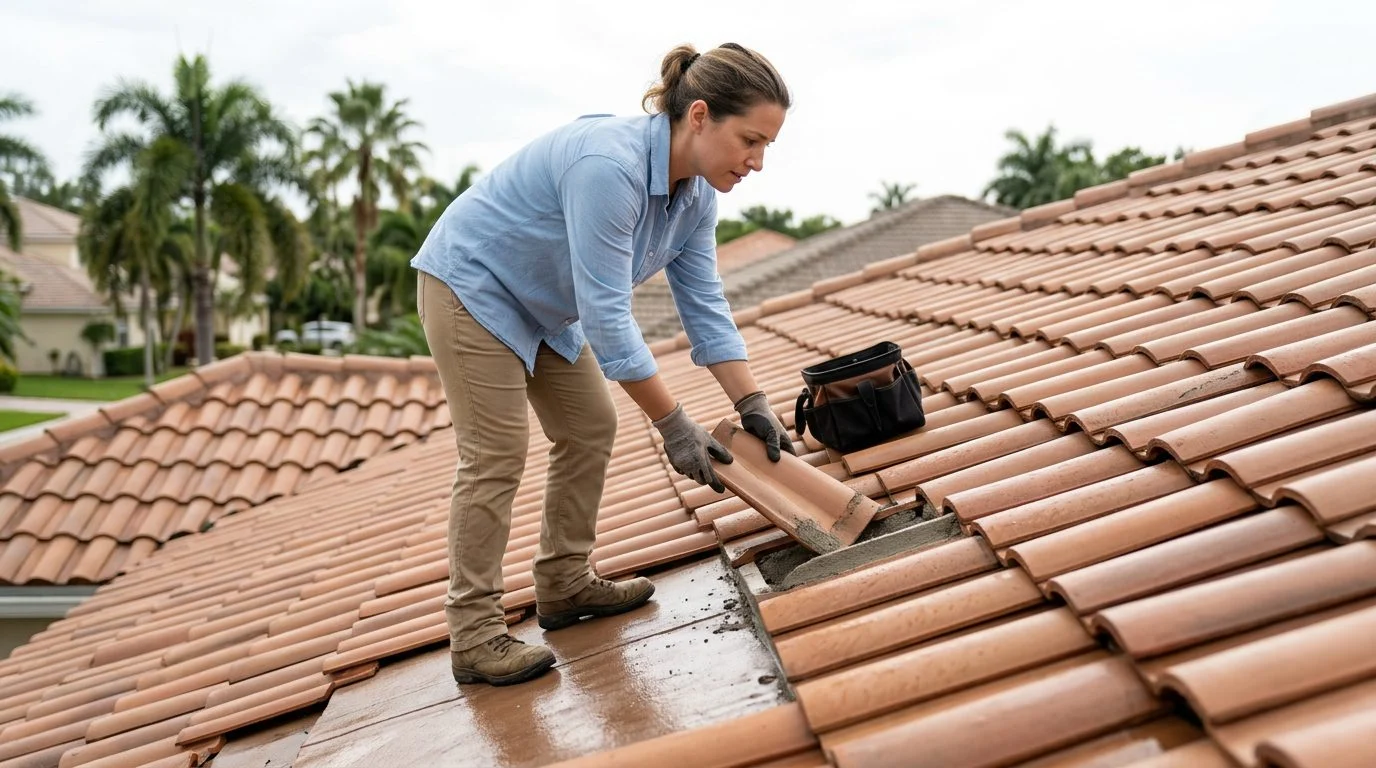
Tile Roofing | South Florida
Why Are My Roof Tiles Slipping?
Loose or shifting roof tiles are a common concern across South Florida. Learn what causes them, what to watch for, and how a free first consultation with ASP Superhome can help you find out what's going on.
By Jonathan Rodriguez · Published November 2, 2026
Why Are My Roof Tiles Slipping?
Roof tiles usually slip because they have lost their grip on the fasteners, underlayment, or roof deck below them. Wind, age, and poor installation are the most common reasons. Once tiles move, water has a path to the layers underneath. South Florida roofs face heavy rain, strong sun, and storm wind, so movement is worth checking early. This guide covers the likely causes, a safe first look, and when a shifted tile becomes urgent.
Not sure what your next step is?
Talk it through with our team — the first consultation is free, confidential, and carries no obligation.

What Slipping Roof Tiles Look Like on a South Florida Roof
Slipping tiles sit out of line with the rows around them. They may sit lower, higher, or farther out than their neighbors. From the ground, look for these signs:
- Gaps between tiles that used to sit tight.
- Tiles offset along a row, so the line looks broken.
- Tiles that look pushed up, or tiles hanging past the roof edge.
The tile layer is your roof’s first line of protection. Beneath it sit the underlayment and the roof deck. When tiles shift, those layers can be exposed to rain and wind-driven water. Small shifts are easy to miss because the roof still looks whole from the street. That is why a quick check after storms matters.
What Causes a Roof Tile to Slip?
Most slipping comes from one of six problems. Often, more than one is involved.
- Fastening problems. Tiles rely on clips, nails, battens, or adhesive. When these are missing, broken, or worn, the tile has nothing holding it in place.
- Installation issues. Tiles set out of course alignment, or not interlocked as designed, may not stay put.
- Underlayment and deck condition. If the underlayment or roof deck has deteriorated, fasteners may not hold firmly.
- Wind uplift. Wind can get under tiles that are not well secured. Edges, ridges, and corners take the most stress.
- Age and weathering. Years of sun, heat, and storms wear down fasteners and sealing materials.
- Structural movement. If the roof framing shifts, the tile layer can move with it.
Should Roof Tiles Move in the Wind?
No. A properly installed and fastened tile should stay in place during ordinary wind. Rattling, lifting, or visible movement is a sign to have the roof checked.
Tiles that lift or slide during storms often point to a fastening problem, not normal wear. Damage from wind tends to show up first at roof edges, corners, and ridges, so start your check there.
Modern building codes set wind standards for roofs. Florida’s 2026 Building Code also added a section requiring tile underlayment uplift resistance to meet component and cladding loads of ASCE 7, per the Florida Building Commission analysis.
What Should I Do If My Roof Tiles Have Slipped?
Stay off the roof. Tiles can crack or break under foot, so document what you can see from the ground.
- Take clear photos from a safe spot. Include close-ups and wider shots that show each tile’s position next to its neighbors.
- Note where the shifted tiles are: edge, ridge, valley, or corner. Note whether any tile has fallen.
- Check the ground and gutters for broken tile pieces. Check ceilings and walls for new stains or moisture.
- Write down the date and any recent storm activity.
Loose tiles can expose the underlayment, so a leak may start before any stain shows inside. Insurance timing matters too, and deadlines can differ by claim type. For windstorms and other weather events, the date of loss is the date the hurricane made landfall, or the date the event is verified by the National Oceanic and Atmospheric Administration.
How to Stop Roof Tiles From Slipping
Stopping slipping means fixing the cause you find. That usually means re-fastening or replacing the affected tiles, checking the underlayment, and correcting alignment. A spot repair fixes one area. Replacement fits when underlayment, decking, or fasteners are deteriorated across a large section. Whether a spot repair is enough depends on the facts of your roof, so the scope should come from an inspection.
Flashing around valleys and roof penetrations also matters. Water tends to enter there once tiles move. For site-built, single-family homes, Florida law says a roof replacement must incorporate secondary water barriers and strengthening or correcting roof-decking attachments and fasteners during reroofing. For tile roofs, the 2026 Florida Building Code adds a drip edge requirement on roof slopes of 2:12 and greater, per the Florida Building Commission analysis.
If you plan repairs in Miami, the City of Miami roofing permit guide explains that permits are required for residential roof repair or replacement. A repair can address the cause you find. No repair can promise that tiles will never move again.
Not sure what your next step is?
Talk it through with our team — the first consultation is free, confidential, and carries no obligation.
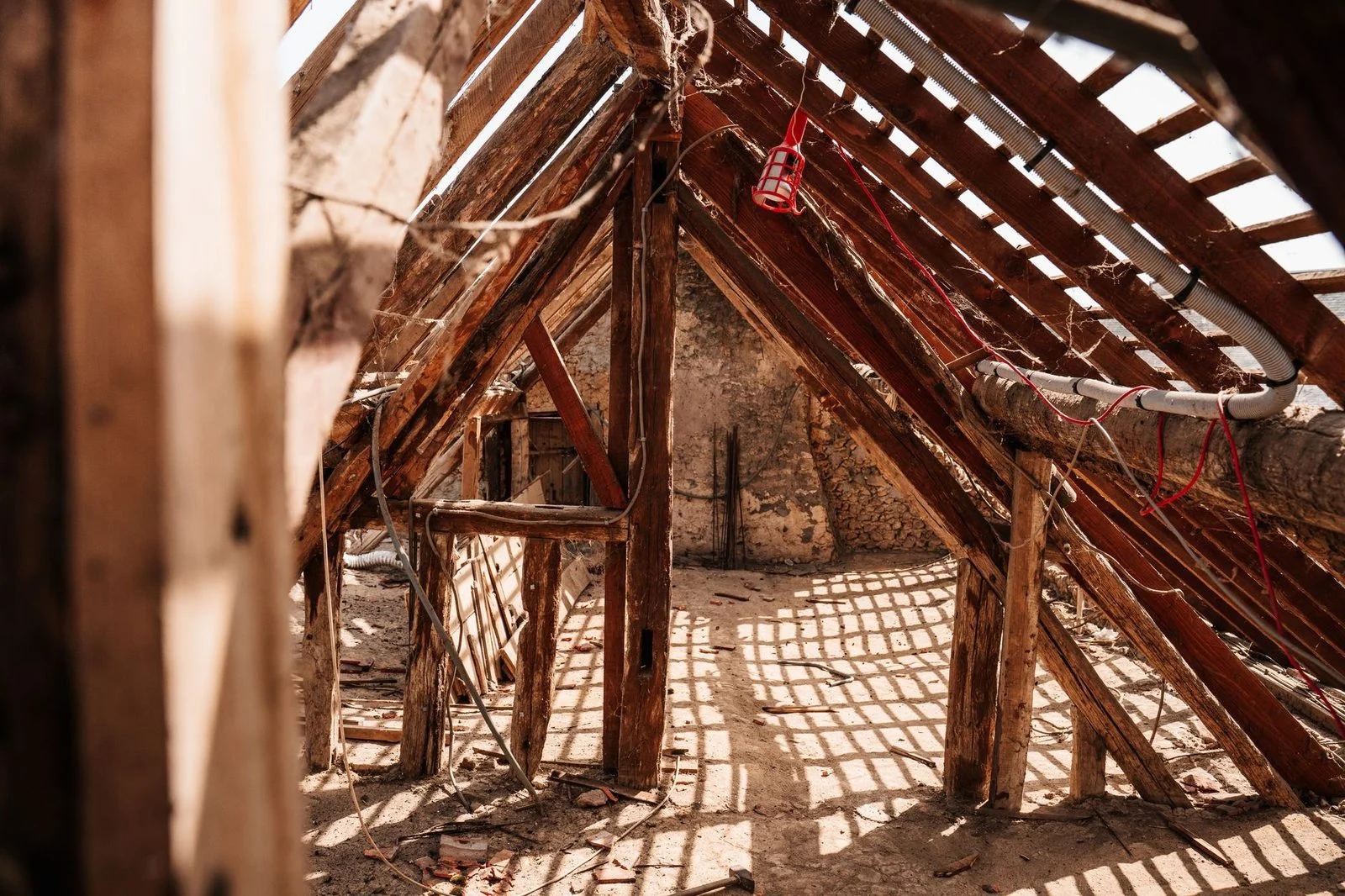
When Slipping Tiles Become Urgent and Your Next Step
Shifted tiles are urgent when tiles are missing, water shows inside, a section sags, or large areas are out of line after a storm. A few shifted tiles with no leak, no fallen pieces, and no new interior damage are less urgent, but still worth a professional look.
If you’ve noticed tiles slipping on your roof in Miami, Fort Lauderdale, or elsewhere in South Florida, ASP Superhome offers a free first consultation. It is confidential and carries no obligation to continue. Contact ASP Superhome to talk through what you’re seeing.
Frequently Asked Questions
Why are my roof tiles slipping after a storm?
Storm wind can lift tiles that were already loose or poorly fastened. Movement after a storm often points to a fastening problem.
Can a slipped roof tile be repaired without replacing the whole roof?
A few tiles can sometimes be re-fastened or replaced. An inspection shows whether that fits your roof.
Do I need a permit to repair roof tiles in Miami?
The City of Miami requires permits for residential roof repair or replacement.
Does insurance claim timing vary by claim type?
Claim deadlines depend on the type of claim involved.
What to Expect When You Reach Out
Free first consultation
Talk with our team about the tiles you're seeing. The first consultation is free, confidential, and comes with no obligation to continue.
Focus on fastening and wind
Our team looks at how your tiles are attached and how they've been affected by wind, since movement after a storm often points to a fastening problem.
Clear options, in plain language
We explain whether tile roof repair, re-fastening, or a larger roof replacement fits your roof, so you can decide with the facts in hand.
Serving South Florida homeowners
ASP Superhome serves homeowners in Miami, Fort Lauderdale, West Palm Beach, Kendall, Naples, Fort Myers, and Boca Raton.
Common Reasons Tiles Start to Slip
Storm wind uplift
Strong wind can lift tiles that were already loose or poorly secured. Tiles that shifted during or after a storm deserve a closer look.
Worn or failed fasteners
Nails, clips, and other fasteners can weaken over time, leaving tiles without the hold they were designed to have.
Heat and moisture cycles
South Florida's heat, humidity, and rain put repeated stress on roofing materials, which can loosen attachments and accelerate wear.
Previous repairs or installation issues
Tiles that were replaced or installed without proper fastening may move more easily than the rest of the roof.
Safety First
Avoid walking on a sloped tile roof to check for slipping tiles. Tiles can crack or shift under foot, and a fall is a serious risk. Look from the ground for tiles that appear out of line, missing, or displaced, then have a professional inspection done.


