


Tile Roofing & Roof Repair | South Florida
Cracked Roof Tile? Don't Wait for the Next Storm to Find the Leak
Get a free, confidential first consultation with ASP Superhome, with no obligation to continue. We'll look at the damage and walk you through your options.
By Jonathan Rodriguez · Published October 21, 2026
A cracked roof tile can leak, but it often doesn’t drip right away. The answer depends on how deep the crack goes, where the tile sits, and whether the layer beneath it still works. Here’s what to know about tile roofs in South Florida.
Short answer: will a cracked roof tile leak?
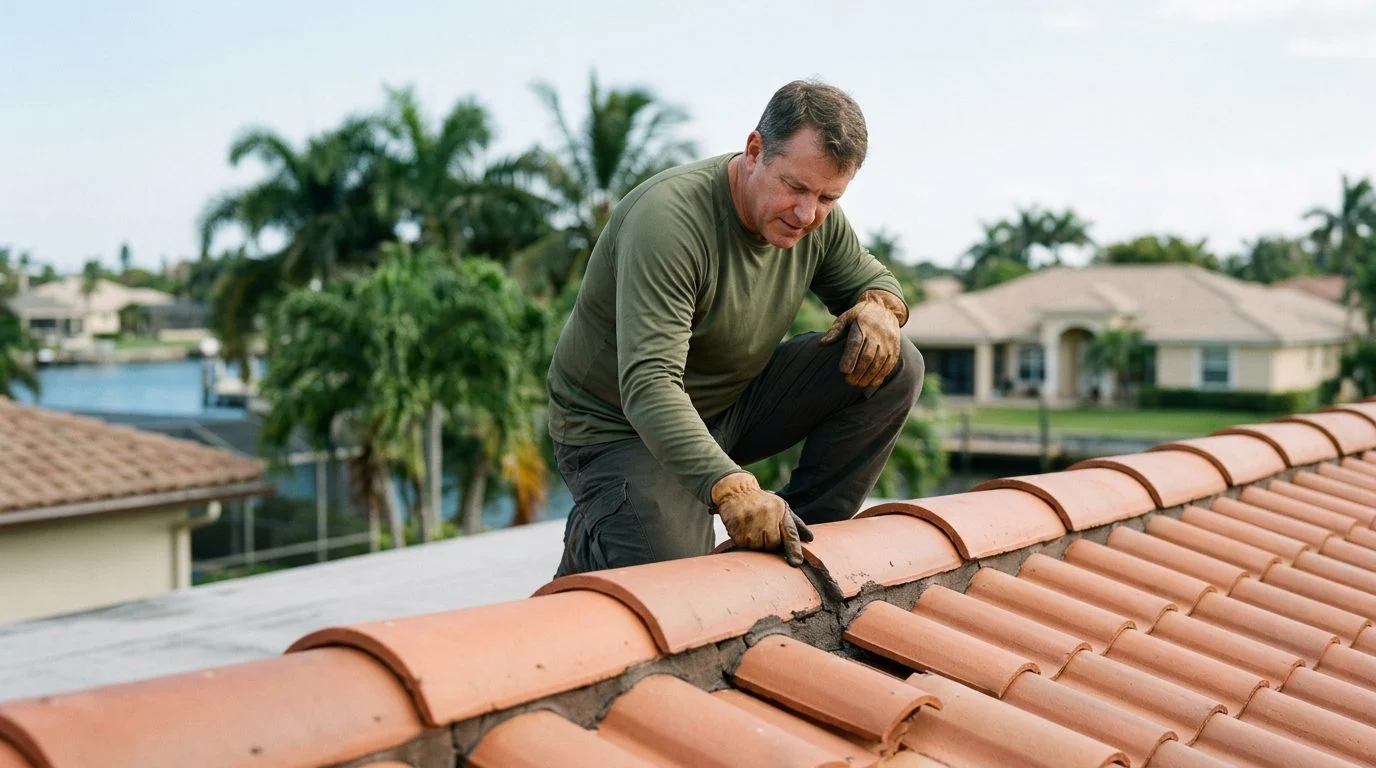
A cracked tile can let water in, but many cracked tiles stay dry for a while. Tile does most of the work of shedding rain. Beneath it sits the underlayment, a waterproof sheet that acts as the backup barrier. A crack becomes a leak risk when it lets water reach that backup layer, or when the tile shifts out of place. Tile roofs are built in layers: tile, underlayment, fasteners, and roof deck. If one layer is damaged, the next one has to hold. For an overview of how these roofs work, read our tile roofing guide for South Florida.
If you spotted that cracked tile while checking a home for someone else, you don't have to work out the next step alone. Our team can help you understand what the crack means. Talk it through with our team — the first consultation is free, confidential, and carries no obligation.
Why roof tiles crack in South Florida
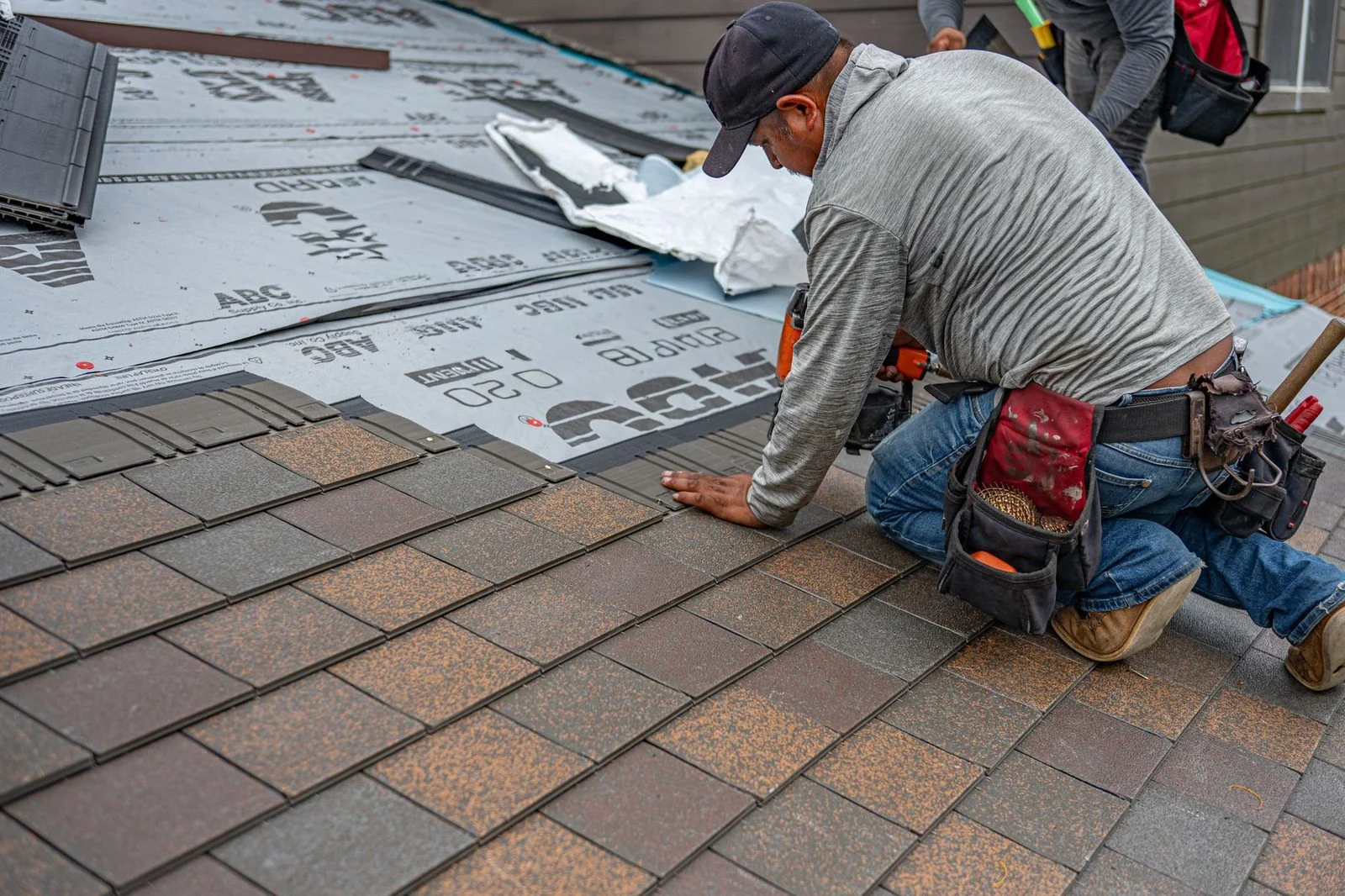
Strong wind is one of the most common causes. Wind can lift tiles, flex them, or drive debris into them. Hail, flying branches, and loose objects also crack tile. Heat and sun age tile over time, and repeated expansion and contraction in hot weather adds stress. Foot traffic during maintenance or storm cleanup can break a tile that looked fine before. How a tile is fastened and interlocked also matters. A tile that isn’t secured well can move in strong wind.
The National Roofing Contractors Association roofing materials guidelines describe clay and concrete tile as durable roofing materials and note their use in Florida. Tile is built to last, but it still breaks under the right stress. Installation details also count. The Tile Roofing Industry Alliance installation guides cover proper installation practices and code requirements for high-wind applications in Florida.
A crack may not show from the ground. The roof surface can look fine while a tile underneath has a break.
How a small crack becomes a bigger leak
Hairline cracks often stay dry in calm weather. Wind-driven rain changes that. Wind pushes water sideways and up under tile edges, and the crack gives it a way in. Once water passes the tile, the underlayment is the next line of defense. If that sheet is torn, aged, or worn, water can reach the roof deck.
A broken or displaced tile can also expose fasteners and nail heads. These spots are common points where water finds its way in. Water often travels along framing or across the deck before it shows up as a stain. The visible spot can sit far from the actual break. That’s why a stain on a ceiling doesn’t always point straight up to the tile above it.
Spotting the signs: exterior clues and interior warning signs
Start from the ground. Look for tiles that are shifted, slipped, missing, cracked, or chipped. Check whether tiles in one row sit unevenly. Look in gutters for tile pieces, granules, or debris. These clues suggest a tile may have moved or broken.
Inside the home, watch for water stains on ceilings or walls. Bubbling or peeling paint is another sign. In the attic, look for damp insulation or a musty smell. Timing matters too. A stain that appears after a storm or wind-driven rain points to a moisture path that should be checked.
Don’t climb onto a tile roof to inspect it. Cracked tiles can break underfoot, and a fall can cause serious injury. A ground-level check is a starting point, not a full inspection.
How bad is a cracked roof tile, and will one missing tile leak?
A single cracked tile in a spot sheltered from wind may carry lower immediate risk. A cracked tile on an exposed edge, ridge, or slope facing storm winds deserves faster attention. Ridge and edge tiles take more wind load, so they’re worth a closer look.
A missing tile is a more direct concern. The underlayment and fasteners beneath it sit open to rain, so a leak becomes more likely. Several damaged tiles together raise the risk too. So does damage after a major storm. In those cases, a full roof check is more useful than a look at one tile. Severity also depends on the tile type, the roof pitch, and what lies beneath the tile.
Repair options and what affects the cost
Repair options range from replacing one tile to fixing a leak path. The right fit depends on the tile type, its age, and whether a matching tile is still available. Swapping one tile is sometimes possible. Tile matching and the condition of the surrounding tiles can change the scope of the job.
Costs vary with roof pitch, access, the number of tiles involved, the underlayment’s condition, and any interior damage already present. A repair can fix the entry point. A broader replacement may fit better when damage is widespread. For leak repair details, see our tile roof leak repair guide for South Florida. For area information, see our Miami-Dade tile roof replacement page and our Broward County tile roof replacement page.
Florida law also sets a rule for partial repairs. Florida law provides that when 25 percent or more of a roofing system that was built, repaired, or replaced in compliance with the requirements of the 2007 Florida Building Code, or any subsequent edition, is repaired, replaced, or recovered, only the repaired, replaced, or recovered portion must be constructed to the code in effect.
Not sure what your next step is?
Talk it through with our team — the first consultation is free, confidential, and carries no obligation.
Talk through your cracked tile with our team
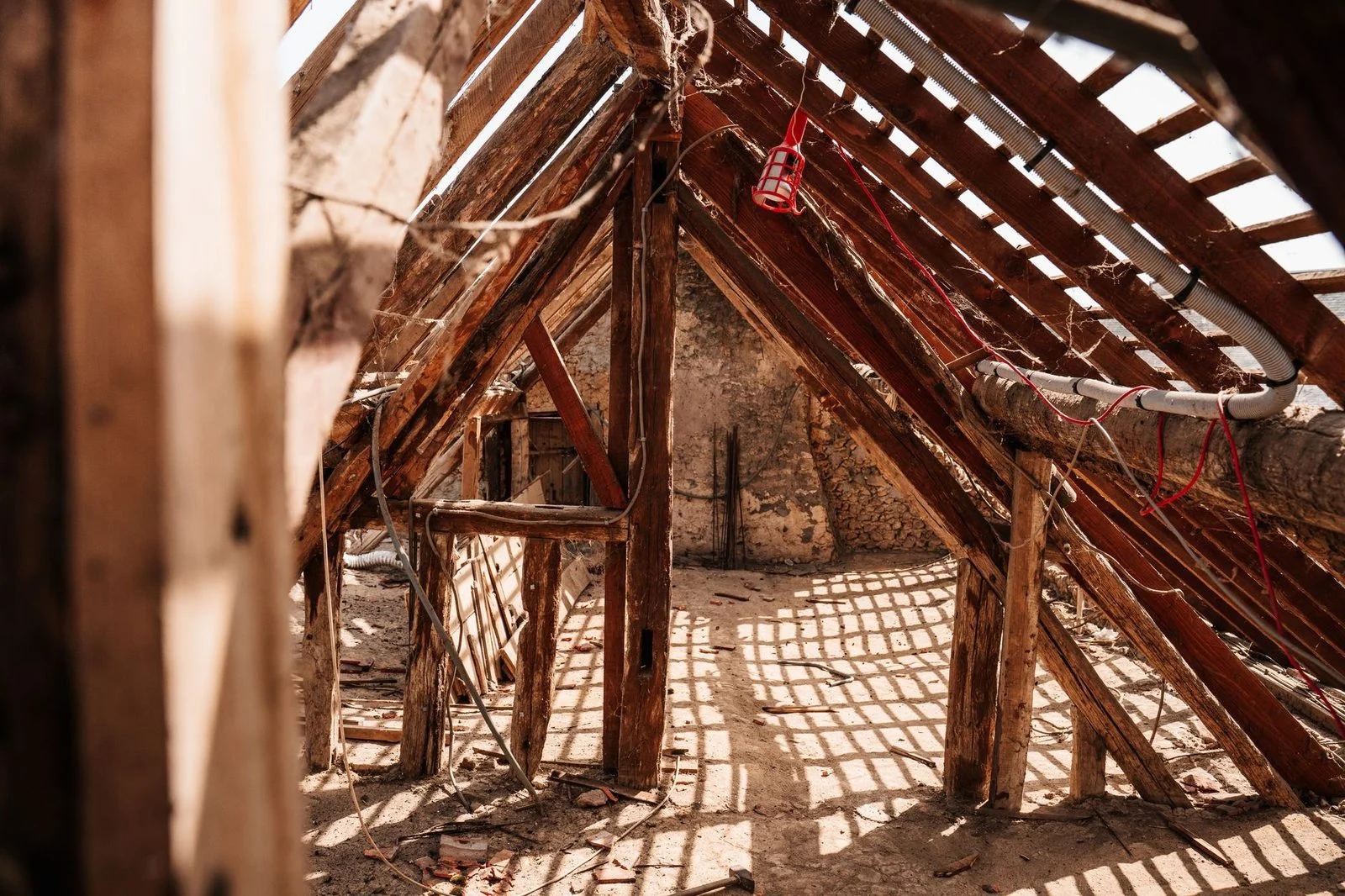
You may have noticed that crack while checking a home you don’t live in. Or you may have seen it after a storm, or while reviewing a rental. Plans change fast when a roof is in question. A qualified look at the roof, the underlayment, and the signs inside the home is the clearest way to tell a current leak from a future risk.
Quick answers
Will a cracked roof tile leak right away?
Not always. A crack can stay dry until wind-driven rain reaches it.
Will one missing roof tile leak?
It can. The underlayment and fasteners under that spot are open to rain.
Can you fix a cracked tile without replacing the roof?
Sometimes. Tile matching and the condition of nearby tiles can change the scope.
Our first consultation is free, confidential, and comes with no obligation to continue. If you’d like someone to look at your cracked tile, contact our team to schedule it.
Common Signs of Tile Roof Damage
Cracked or broken tiles
Even a hairline crack can let wind-driven rain reach the layers beneath the tile. Check for cracks after storms, especially on exposed slopes.
Tiles that shift or slide
Loose or displaced tiles leave the underlayment and fasteners open to water. A tile that has moved should be inspected, even if it still looks attached.
Stains or damp spots indoors
Water staining on ceilings or walls, or a musty smell in the attic, can point to a leak that started on the roof above.
Tile fragments in gutters
Pieces of broken tile in gutters or on the ground near the house are a clear sign that the roof has been damaged.
How ASP Superhome Helps With Tile Roof Leaks
Roof repair for targeted problems
When a leak comes from a few cracked or missing tiles, our team can focus on the damaged area and the materials beneath it.
Roof replacement when repair isn't enough
If damage is widespread or the roof is near the end of its service life, we can discuss full tile roofing or replacement options.
Clear, free first consultation
Our first consultation is free, confidential, and comes with no obligation to continue, so you can understand the problem before making any decisions.
Serving South Florida and Southwest Florida
We serve Miami, Fort Lauderdale, West Palm Beach, Kendall, Boca Raton, Naples, and Fort Myers.
Don't Wait on a Cracked Tile
A crack that looks minor can still let water reach the underlayment and roof structure. Water damage often grows out of sight, so have the area inspected rather than waiting to see if it gets worse.


