


Tile Roofing | South Florida
Flat Concrete Roof Tiles in South Florida: Are They Right for Your Home?
Weigh the look, the weight, the installation, and the upkeep before you choose. Then talk with our team about your roof.
Start with a free first consultation
Free
Initial consultation, confidential and with no obligation to continue
By Jonathan Rodriguez · Published October 25, 2026
Are flat concrete roof tiles good? For the right South Florida home, they can be. They offer a clean, modern look and a durable surface. They also need a roof structure that can carry the weight and an installation done with care. This guide covers the upsides, the drawbacks, and the Florida rules that shape the decision.
What Flat Concrete Roof Tiles Are
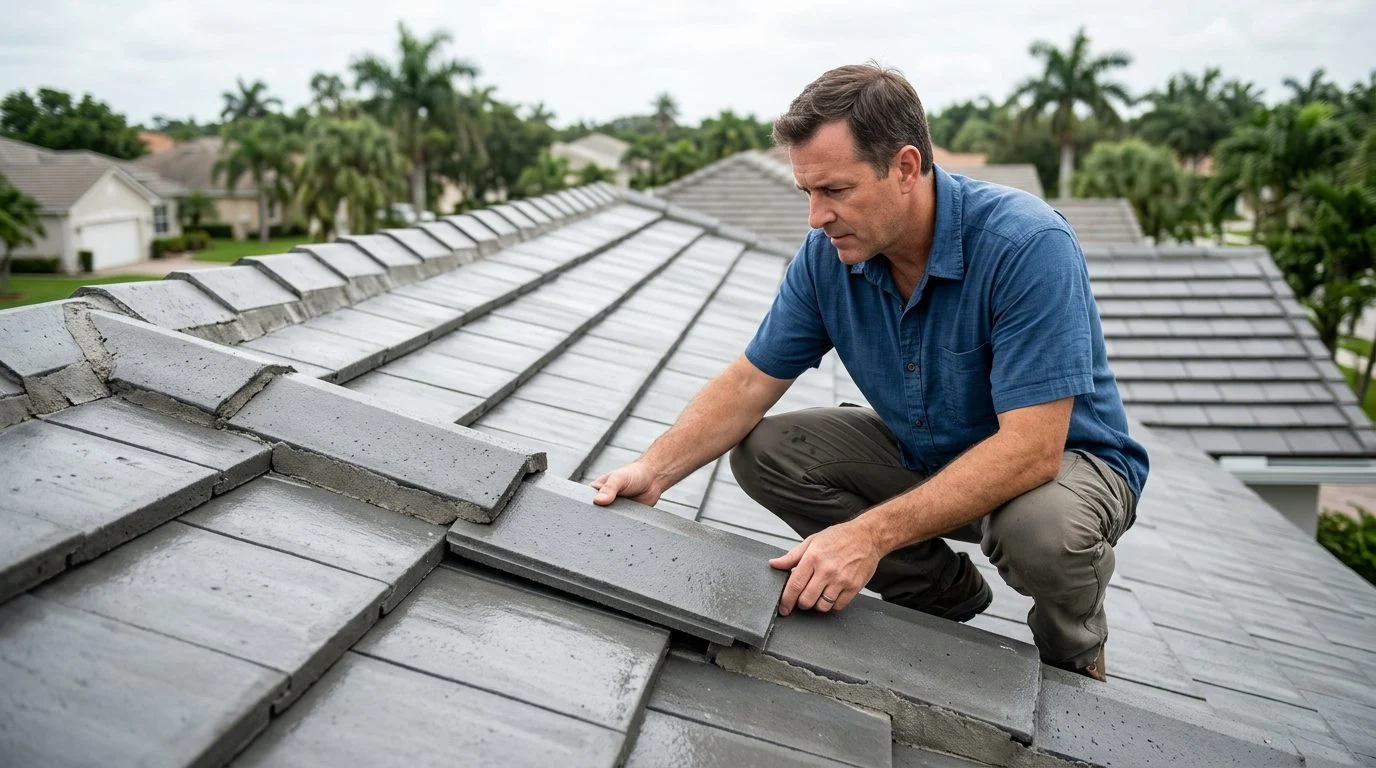
Flat concrete roof tiles are molded concrete tiles with a low, flat surface. They lie flatter than wavy profiles, such as the Spanish (Mission) style or the M-shaped Malibu profile.
Flat tiles belong to the wider tile roofing family, which includes clay and other concrete profiles. Many installation rules apply across the family, including battens, underlayment, and fastening. For an overview of your options, see our tile roofing guide for South Florida.
Florida has approved flat tile systems, too. Miami-Dade County Product Control approved a flat-profile, interlocking concrete tile system called Plantation. It was tested under TAS 112 and approved for specified Florida Building Code and High-Velocity Hurricane Zone applications. The Miami-Dade County product approval lists the approved uses.
If you're weighing tile after a storm inspection or a question from a family member who owns the home, our team can talk through your specific roof with you. Talk it through with our team — the first consultation is free, confidential, and carries no obligation.
Where Flat Concrete Tiles Are a Good Choice
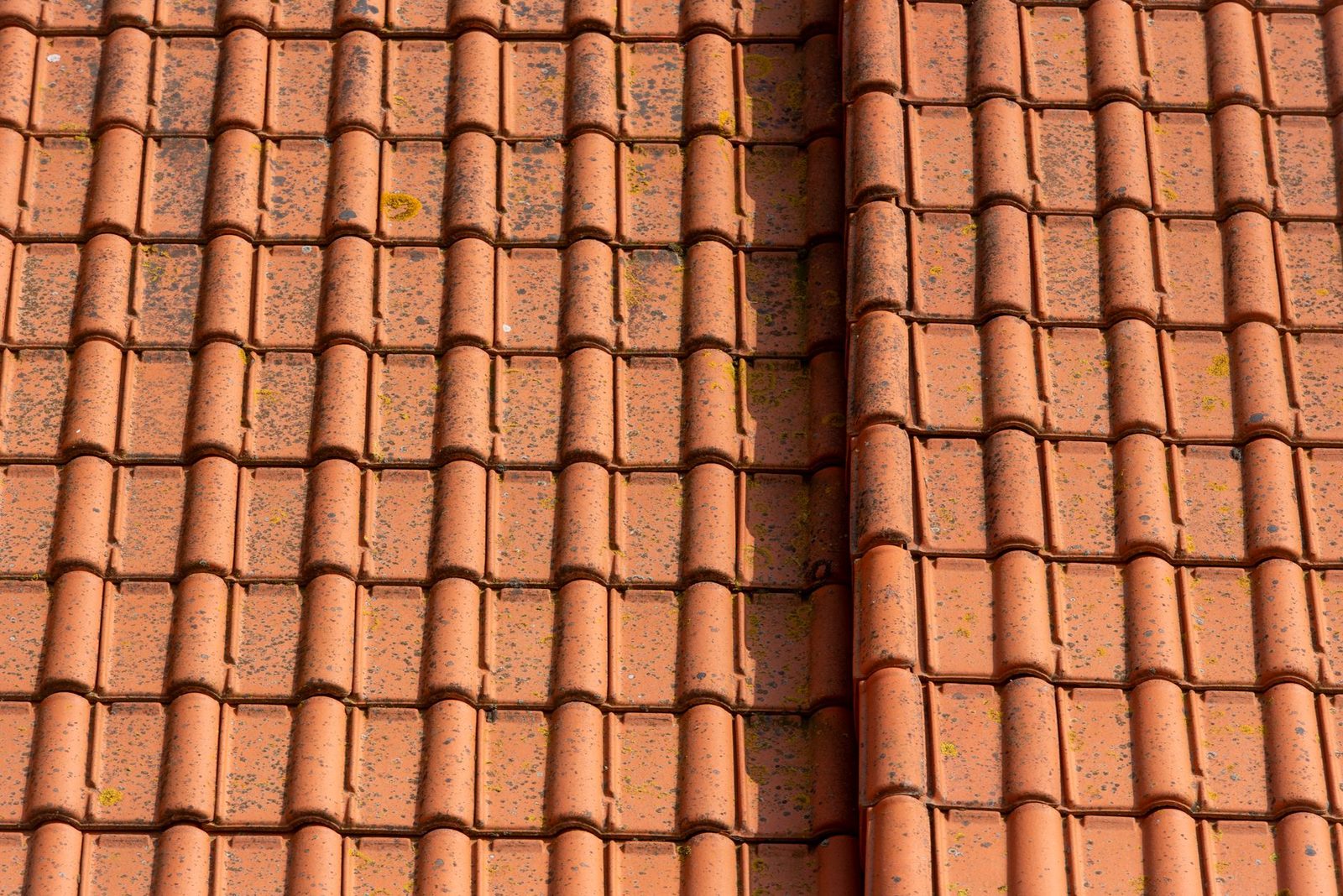
Flat concrete tiles fit best on modern homes with clean lines. Their low profile suits contemporary and minimalist designs where a sleek roofline is the goal.
The uniform shape helps too. A flat tile lays out evenly across a large roof plane. Wavy profiles break up the view, while flat tiles show every course. That makes the roof deck’s straightness more visible, so the deck should be checked before installation.
Durability is the other reason homeowners choose concrete. The National Roofing Contractors Association notes that clay and concrete tile roofing is durable and is used in Florida. For a homeowner who wants an even, sleek roof built to last, flat concrete tile deserves a close look.
Drawbacks to Weigh Before Choosing Flat Tiles
The main drawbacks are weight, a heavier reliance on underlayment and installation, and the need to match tiles for repairs. Each one affects cost and long-term results.
Concrete tile is heavy. The roof frame, trusses, and deck must be checked before installation. This check can add time and cost to a project.
Flat profiles shed water differently than wavy ones. Wavy tiles create channels that carry water down the roof. Flat tiles have fewer channels, so they depend more on the underlayment, correct laps, and sealed ridges, edges, and penetrations.
Concrete can crack under careless foot traffic. Plan safe access for future service, and use crews who know how to work on tile roofs.
Repairs need matching tiles. Color and profile can change over time, so confirm availability before a problem starts.
Cost depends on roof size, pitch, and any structural work needed. A written estimate for your specific roof gives the clearest answer.
Weight, Battens, and the Roof Structure
A flat concrete tile roof needs a frame that can carry its weight, so a structural check comes first. Without that check, the system can’t be expected to perform as designed.
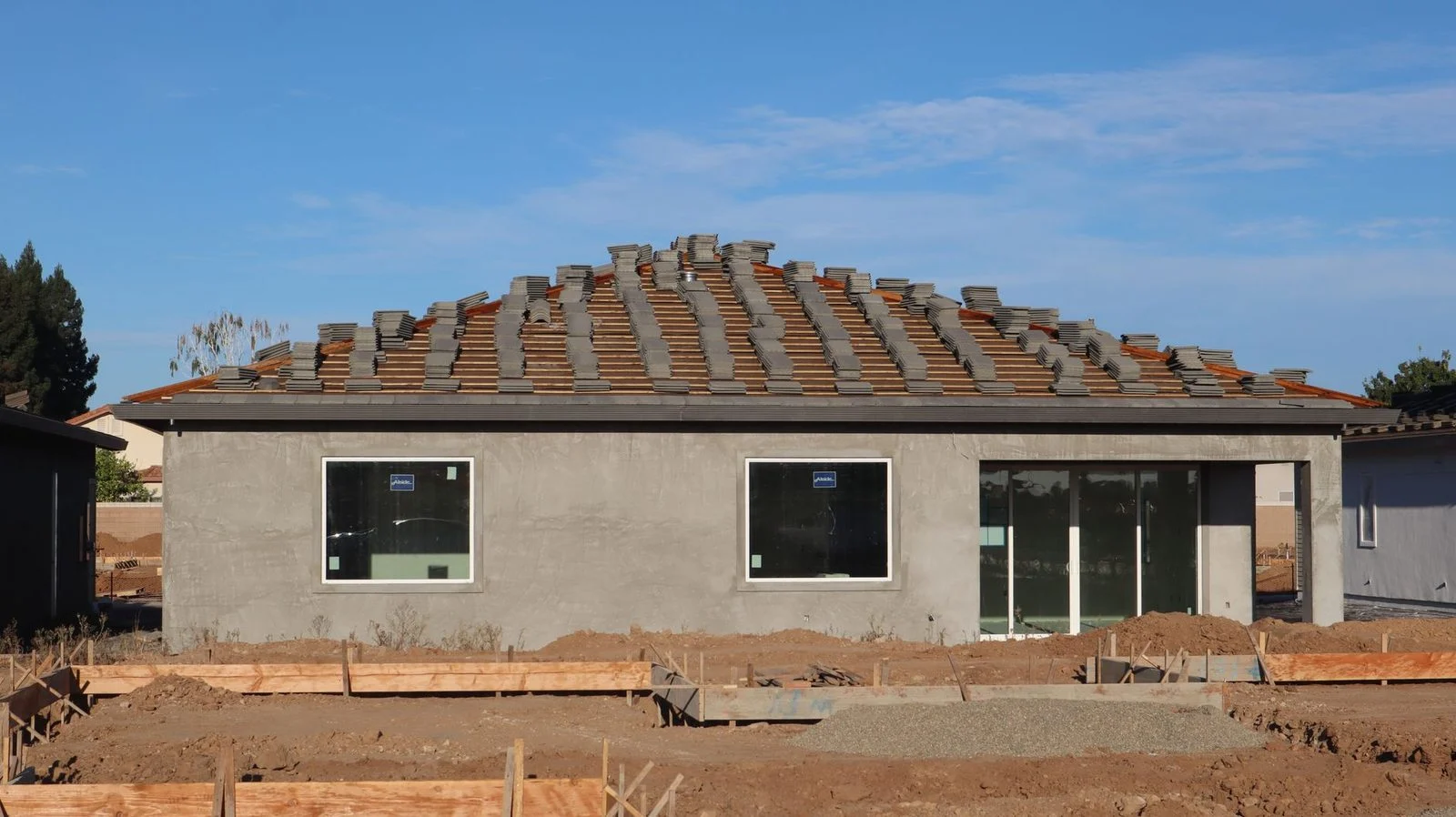
Concrete tile sits on battens over an underlayment on the roof deck. Together, the battens, underlayment, and tile add significant load. The National Roofing Contractors Association states that when another roof covering is replaced with tile, the building’s structural load capacity must be verified.
An inspection of the rafters, trusses, and deck shows whether the house can carry that load. This check matters most when tile replaces a lighter roof covering.
Battens, fasteners, and underlayment all matter. Flat tiles rely on correct laps, alignment, and fastening, so a rushed installation shows up later as leaks or displaced tiles.
Installation quality often matters as much as the tile itself. A good crew checks alignment course by course and follows the approved system.
How Flat Concrete Tiles Handle South Florida Conditions
Flat concrete tiles can handle South Florida heat, humidity, and storms when the full roof system is installed to code. The tile alone does not decide wind performance.
Intense sun puts steady heat stress on any roof covering. Concrete’s mass affects how the roof handles daily temperature swings, so a sound underlayment matters.
Humidity and frequent rain make sealed ridges, edges, and flashing important. Water that gets past the tile must be stopped beneath it.
Wind is where the code matters most. Roof coverings in hurricane-prone areas of South Florida are often selected with wind resistance in mind, and our team can discuss those options during a free initial consultation, which is confidential and carries no obligation to continue. The Miami-Dade approval mentioned earlier gives a checkable reference for High-Velocity Hurricane Zone work.
Permit rules depend on the project type and the local jurisdiction, and some minor work may be exempt. Local requirements for roofing projects vary by municipality, so our team can explain what your project may involve during a free initial consultation, which is confidential and carries no obligation to continue.
How Long Flat Concrete Tile Roofs Last
A flat concrete tile roof lasts as long as its tile, underlayment, installation, and upkeep allow. Those factors vary from roof to roof, so no single number fits every home.
Regular inspection helps. Look for cracked, displaced, or loose tiles, and check flashing around vents, pipes, and skylights. Small problems caught early are easier to fix than leaks that reach the deck.
Partial work follows a specific rule. Ask about this percentage early when you weigh a partial repair or a re-cover.
Not sure what your next step is?
Talk it through with our team — the first consultation is free, confidential, and carries no obligation.
Is a Flat Concrete Tile Roof Right for Your Home?
Flat concrete tiles suit homes with the right structure, a modern look, and a careful installation plan. They need more attention to weight, underlayment, and installation than some other roof coverings.
Many homeowners first think about tile after a storm inspection, an insurance-driven roof review, or a question from a family member who owns the house. That situation can feel rushed, and a clear comparison helps.
Talking through your roof’s structure, permit path, and tile profile is a practical next step. Our first consultation is free, confidential, and carries no obligation to continue. Contact ASP Superhome to talk through your home.
Are flat concrete roof tiles good for South Florida homes?
They can be a good choice when the roof structure can carry the weight and the installation is done carefully.
How long do concrete tile roofs last?
Lifespan varies with tile quality, underlayment, installation, and upkeep, so no single number fits every roof.
What are the main disadvantages of concrete roof tiles?
The main drawbacks are weight, greater reliance on underlayment and precise installation, cracking from careless foot traffic, and matching tiles for repairs.
Do I need a permit to replace part of my tile roof in Florida?
Permit requirements can depend on the type and scope of a project, and our team can talk through your project details with you before work begins.
What to evaluate for a South Florida roof
Roof structure
Flat concrete tiles are heavy. Confirm that the roof framing and decking can carry the added weight before installation begins.
Underlayment and fastening
Quality underlayment and correct fastening matter as much as the tile itself, especially with South Florida rain and wind.
Installation quality
Careful, consistent installation affects how well a tile roof performs over time, so the crew and the process matter.
Ongoing upkeep
Regular inspection and prompt repair of cracked or displaced tiles help protect the roof and the home below.
Check the structure first
Do not assume any roof can take concrete tile. Have the roof structure evaluated before you commit to a material, because weight limits vary from home to home.
Questions to ask before you choose
Can my roof carry the weight?
Ask for a structural review of the framing and decking. This is the first step for any heavy roofing material.
How does it compare to other tile or metal options?
Flat concrete tile, other tile profiles, and metal roofing differ in weight, look, and maintenance needs. Compare them against your home's design and your priorities.
What does repair look like?
Individual tiles can often be replaced, but the underlayment and flashing beneath them also need attention. Ask how repairs are handled.
Is replacement the right move?
Age, widespread cracking, leaks, and the condition of the underlayment all factor into whether repair or full roof replacement makes more sense.


