


Roofing · South Florida
Tile or Shingles? Picking the Right Roof for South Florida's Weather
Heat, humidity, wind, and hurricane season all shape which roof makes sense for your home. Here is how tile and shingle roofs compare.
By Jonathan Rodriguez · Published October 18, 2026
The short answer: are tile roofs better than shingles?
Tile roofs are not better for every home. Tile usually lasts longer and fits many South Florida styles, but it is heavier and costs more to install. Asphalt shingles weigh less and cost less up front, but they generally have a shorter expected life. Which one fits best depends on the facts of your home.
Many people reading this are not planning a roof project. A storm may have damaged the roof, or a home purchase may have brought the question up. If that’s your situation, this guide walks through the differences in plain terms. We cover materials, weight, lifespan, storm repair, cost, and appearance.
If you're weighing a roof after storm damage or for a home you're about to buy, we can talk through your roof's condition and options with you. Talk it through with our team — the first consultation is free, confidential, and carries no obligation.
What each roof is made of
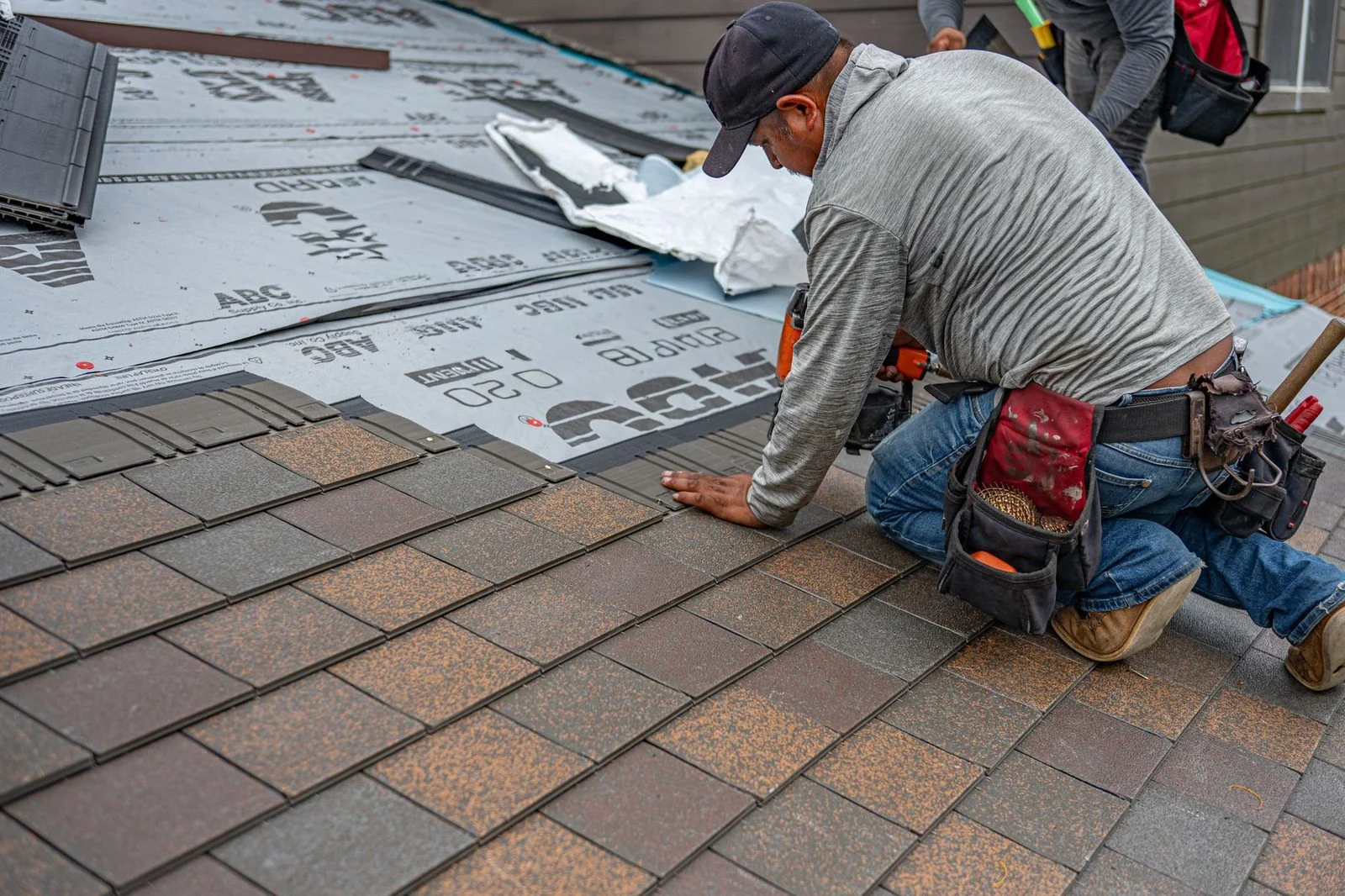
Asphalt shingles are a mat, usually fiberglass or organic, coated with asphalt and topped with mineral granules. They lay in overlapping rows across the roof deck. Tile roofs use concrete or clay pieces. They interlock or overlap over underlayment, a water-resistant layer below the surface.
The surface is only one part of the roof. The underlayment, the roof decking, and the fasteners all affect how well either system handles wind and rain. The Tile Roofing Industry Alliance publishes installation guides covering proper tile installation, industry standards, and code requirements for tile roofs in Florida. The Insurance Institute for Business & Home Safety’s Roof 101 guide describes residential tile materials and common installations. Those installation steps matter no matter which material you choose.
Weight and structural load
Tile is much heavier than asphalt shingle. That weight is the biggest structural difference between the two. Before a tile roof goes on an existing home, the framing needs to be checked.
The National Roofing Contractors Association’s roofing materials guidance names the need to verify structural load capacity when replacing another roof covering with tile. That check is a core step, not an extra. A shingle-for-shingle replacement usually adds less weight, so the framing review is often simpler.
Florida law also shapes this work. Under Fla. Stat. § 553.844, roof-to-wall connection requirements apply only to certain site-built single-family homes in the wind-borne debris region that meet a valuation threshold. For a deeper look at tile on Florida homes, see our tile roofing overview.
Lifespan and durability in South Florida conditions
Tile usually outlasts asphalt shingles, but only when it’s installed well and kept up. The life of either roof depends on installation quality, maintenance, roof pitch, sun and salt exposure, and storm history. When you compare life estimates, look at what they assume about those factors.
Tile holds up well to hot sun and humidity. Its heavy, dense pieces do not burn. Shingles can age faster under constant heat. Over time they can lose granules, the small stones that shield the asphalt from the sun. Visible granule loss is a sign that a shingle roof is wearing down.
For more on how long tile lasts in Florida, read our tile roof lifespan guide.
Wind, storms, and repair
Both roofs need an inspection after a major storm, because wind and flying debris can damage either one. Tile pieces can slip, crack, or shift in high winds. Shingles can lift or tear at the edges.
Repair works differently for each material. A few damaged shingles can often be replaced one at a time. Broken or displaced tile needs a matching profile and careful handling, so neighboring tiles don’t crack. Roof repair and roof replacement are separate decisions. The age, condition, and extent of the damage decide which one fits.
Timing matters for insurance. Under Fla. Stat. § 627.70132, a claim generally must be reported to the insurer within 1 year after the date of loss. A supplemental claim generally must be reported within 18 months. For hurricanes, the date of loss is the date the hurricane made landfall. Impact windows and impact doors are also part of home protection. Florida law says a product may not be marketed as impact protection from wind-borne debris unless it is approved, under Fla. Stat. § 553.842.
Cost, maintenance, and appearance
Asphalt shingles usually cost less up front. Tile costs more to install. Many owners weigh that higher price against tile’s longer expected life.
The main cost drivers are roof size, pitch, material, structural work, underlayment, and removing the old roof. Structural work can add cost on a tile job, which is why the framing check matters. Both materials need periodic inspection, debris clearing, and replacement of damaged pieces.
Permits add time and paperwork. Permit requirements for roof work can vary by location, so our team can review what may apply to your project during your free first consultation. Its first building-permit review may take up to 14 business days. See the City of Miami roofing permit page for details.
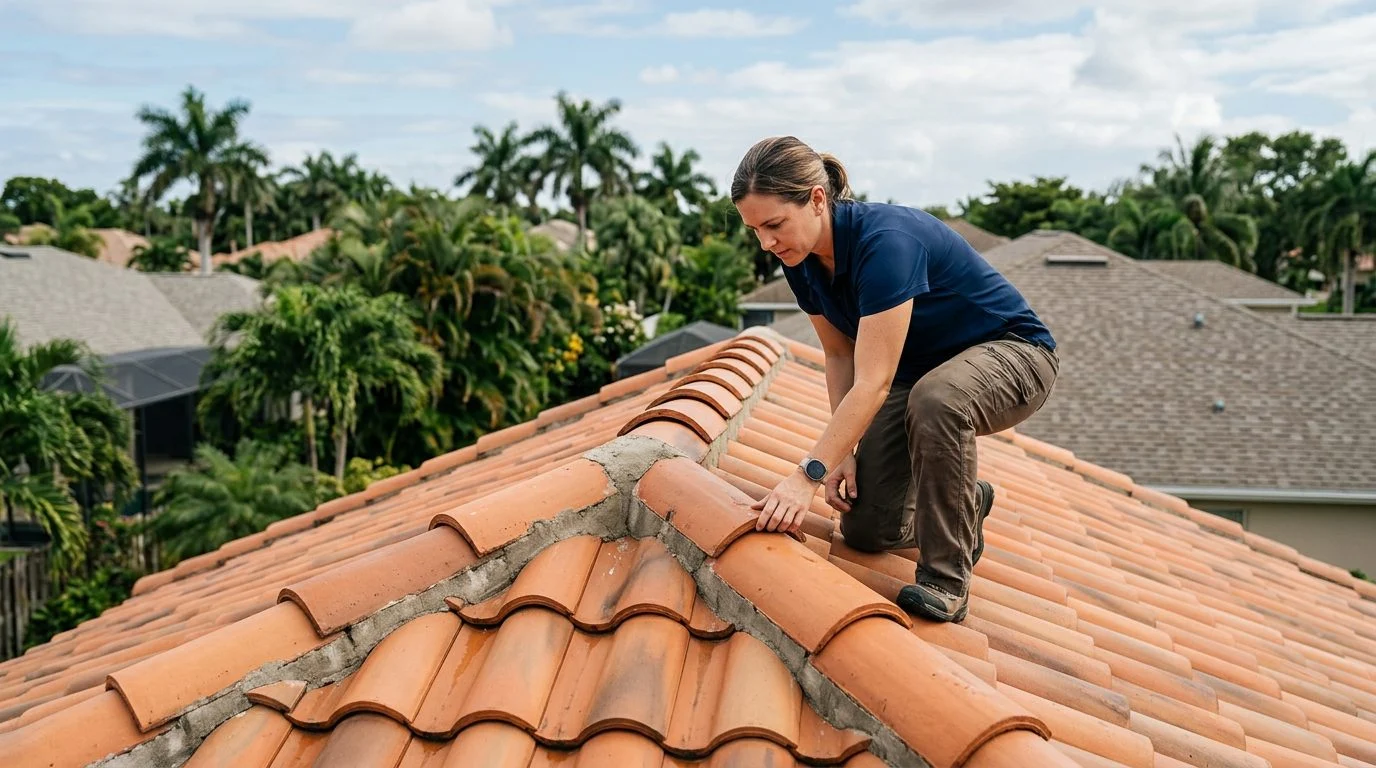
Appearance is a clear difference. Shingles come in a wide range of colors and simpler profiles. Tile offers a distinct Mediterranean or Spanish-style look that many people associate with South Florida homes. Our tile roofing service page covers the tile options we install.
Not sure what your next step is?
Talk it through with our team — the first consultation is free, confidential, and carries no obligation.
How to decide for your home, and next steps
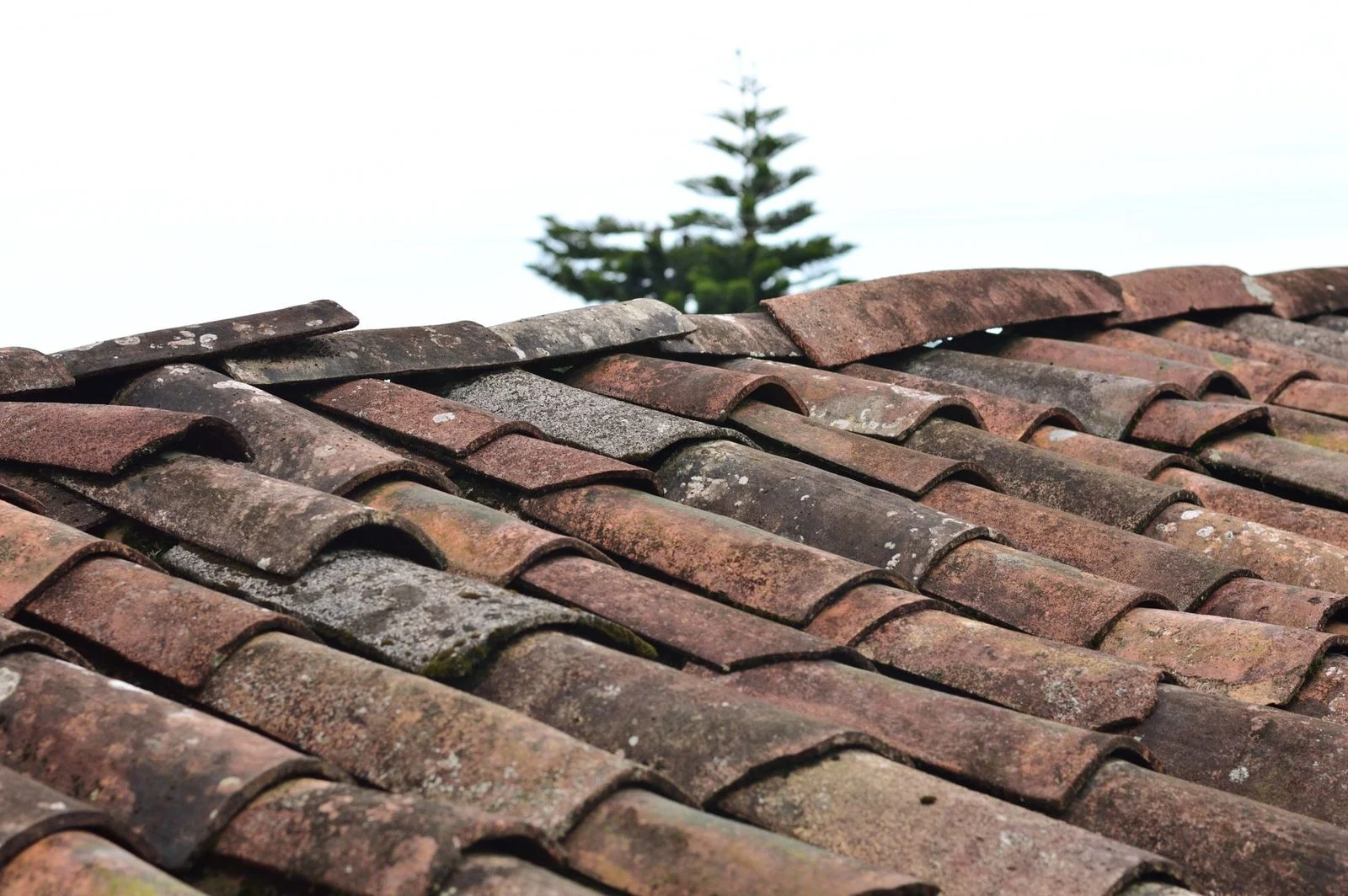
Tile often suits a home whose structure can carry the extra weight and whose owners want long durability. Shingles often suit a lighter structure, a tighter budget, or a simpler look.
Roof age also matters.
Common questions
Are tile roofs heavier than shingles?
Yes. Tile is much heavier, so the framing should be checked before installation.
Do tile roofs last longer than shingles?
Usually, when they’re installed well and kept up. Maintenance and exposure also shape how long either roof lasts.
Do I need a permit to replace a roof in Miami?
Yes. The City of Miami requires permits for residential roof repair or replacement.
If you’re weighing a roof after storm damage or for a home you’re about to buy, talk it through with us. Our free first consultation is confidential and comes with no obligation to continue. You can reach us through our contact page.
What to weigh before you choose
Wind and storm resistance
South Florida roofs face strong winds and heavy rain. Ask how each option is installed and secured, not just what it is made of.
Weight and structure
Tile is considerably heavier than most shingle systems, so the roof framing needs to be checked before installation begins.
Lifespan and upkeep
Both roof types can last many years when installed well and maintained. Exposure to sun, salt air, and storms affects how long either one holds up.
Look and home value
Tile offers a classic Mediterranean look that suits many Florida homes. Shingles come in a wider range of styles and colors at different price points.
Check the structure first
Because tile is much heavier, confirm that the framing can carry the load before you commit to a tile roof. A structural check protects your home and keeps the project on track.
Questions to ask before you decide
How will my roof handle hurricane season?
Ask about installation methods, underlayment, and fastening for your specific home and location.
Can my existing framing support tile?
A roof replacement project should include a review of the structure so you know your options.
What will maintenance look like?
Plan for periodic inspections and quick repairs after storms, whichever roofing material you choose.
What fits my budget and timeline?
Compare total project costs, including any structural work, rather than material prices alone.


