


Roofing | South Florida
Are Tile Roofs More Expensive Than Shingles in South Florida?
The honest answer depends on more than the price per square. Start with a free first consultation: confidential and with no obligation to continue.
By Jonathan Rodriguez · Published November 5, 2026
The Short Answer: Tile Usually Costs More Upfront
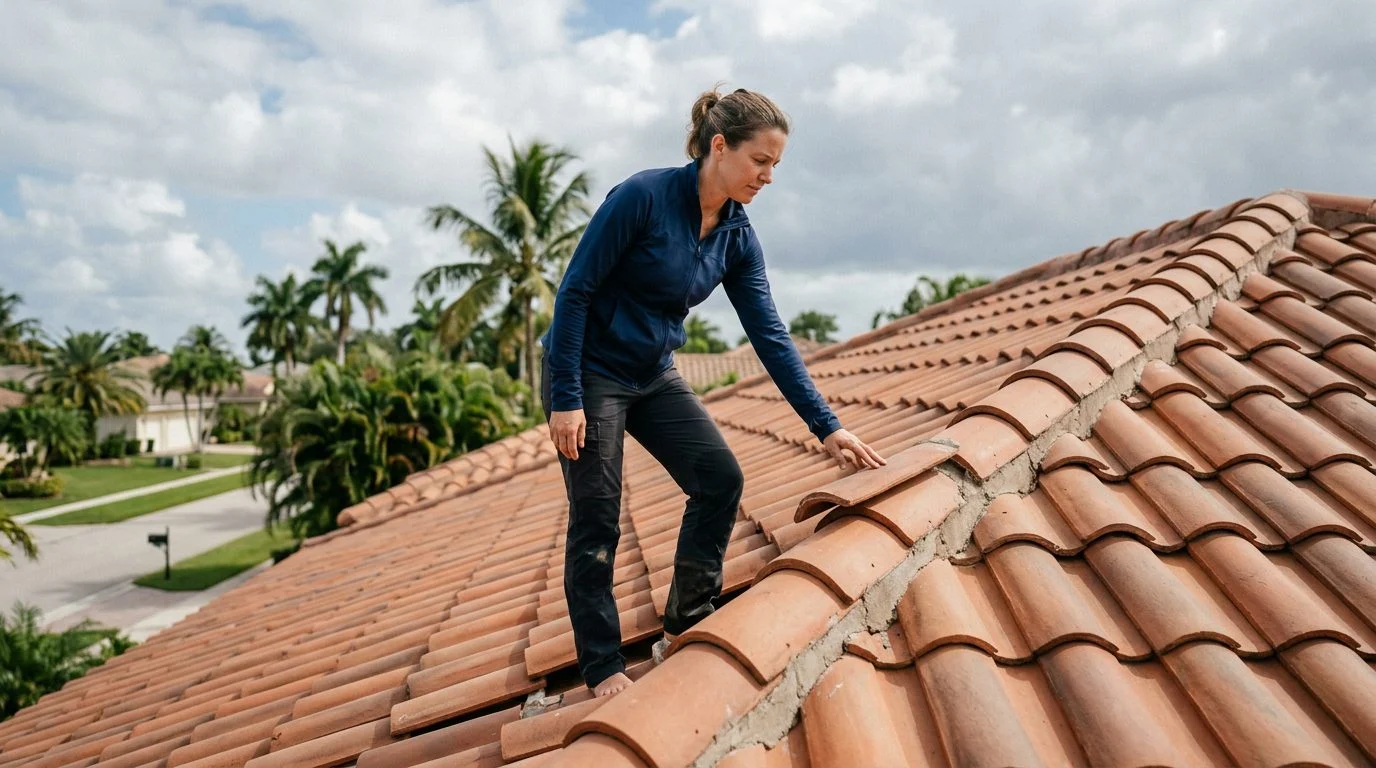
Are tile roofs more expensive than shingles? Usually, yes. Tile carries a higher starting price than asphalt shingles, and the gap covers the whole installed system, not just the tiles.
Tile is heavier, more specialized, and slower to install. That shows up in materials, labor, and extra components.
A fair comparison puts both roofs side by side. Use the same roof area, the same pitch, and the same scope of work. Otherwise the numbers can mislead you. A small repair quote and a full replacement quote aren’t the same thing.
Price is only part of the picture. Lifespan, repair needs, and insurance requirements also shape what a roof costs you over the years. We cover each one below. For a wider look at tile in South Florida, read our tile roofing guide for South Florida.
If you're comparing tile and shingles for a roof that's already showing wear, our team can look at your specific home and talk through the options with you. Talk it through with our team — the first consultation is free, confidential, and carries no obligation.
What Is an Asphalt Shingle Roof, and Why It Is Priced Lower
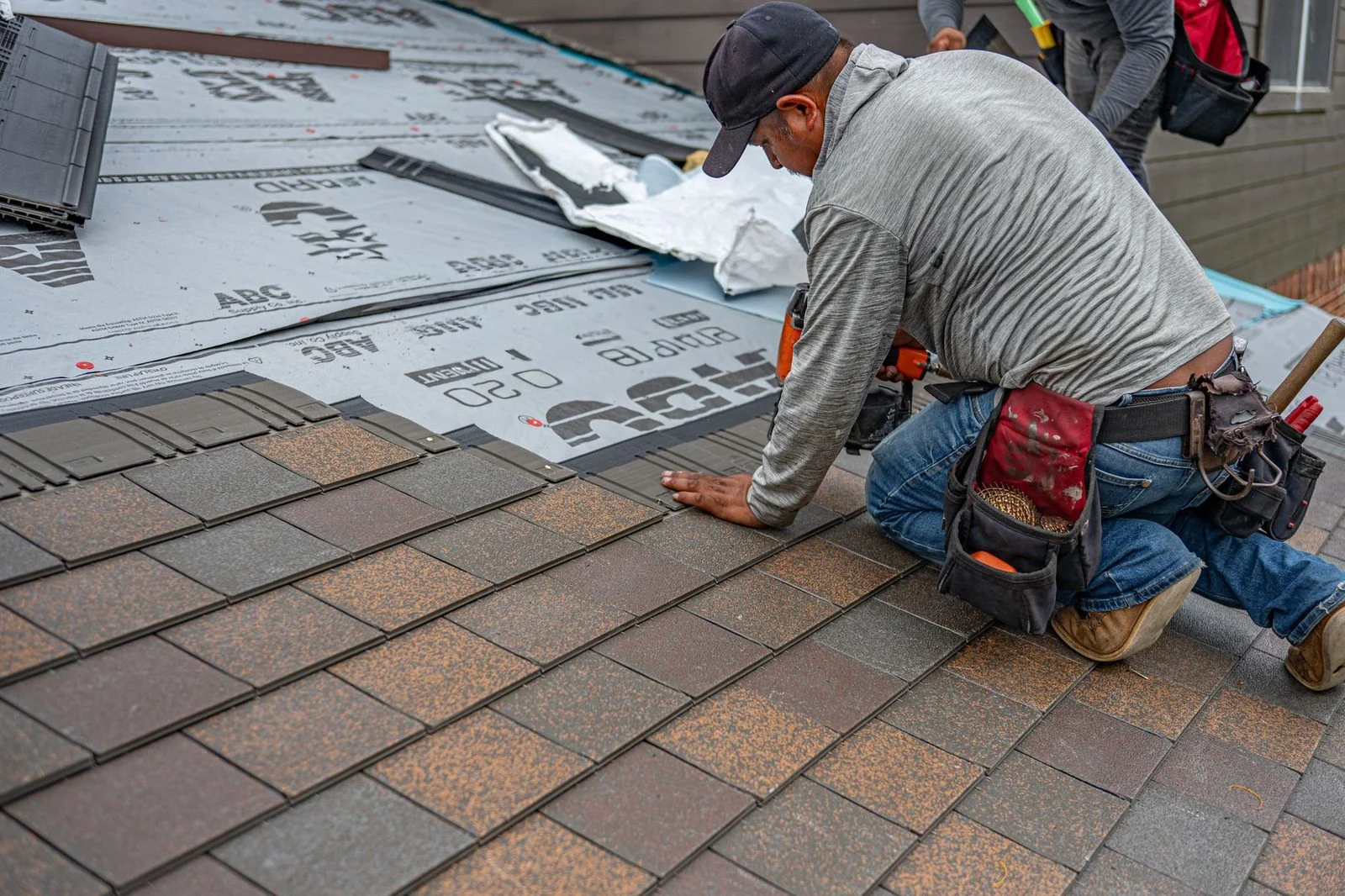
An asphalt shingle roof uses lightweight, overlapping shingles on a pitched roof. It’s the most common reference point when people compare roof prices.
Shingles weigh less than tile. That matters because the roof frame and decking usually need less added evaluation before a new shingle roof goes on.
Shingle installation also follows a simpler sequence. Crews lay underlayment, set shingles row by row, and add flashing and a ridge cap. There are fewer specialized parts than a tile system needs.
Less material and less labor both push the starting price down. The lower price also reflects how shingles are typically expected to perform over time. A lower price today doesn’t always mean a lower cost over the full life of the roof.
Why Tile Roofs Typically Cost More
Tile roofs cost more mainly because of four things: the tile, the weight, the labor, and the extra parts.
Concrete and clay tiles are heavier, more specialized products than asphalt shingles. The material cost is higher before anyone climbs a ladder.
Weight matters too. Tile is heavy, so the roof structure and decking may need evaluation before a tile roof goes on. A professional should confirm the home can carry the load.
Installation takes more time. Tile comes in many individual pieces, and each one needs careful fastening and flashing. A crew doing this work moves more slowly than a shingle crew.
Tile systems also use extra parts, such as added underlayment, battens, and ridge or hip components. The Florida Building Commission’s analysis of the 9th Edition (2026) code adds rules on this. A new section requires tile underlayment uplift resistance to meet the component and cladding loads of ASCE 7 (Florida Building Commission tile underlayment analysis). Another new section requires drip edge on tile roof slopes of 2:12 and greater, applied in line with the FRSA/TRI Florida High Wind Concrete and Clay Roof Tile Installation Manual (Florida Building Commission drip edge analysis).
What Is the Most Expensive Part of a New Roof?
Materials and labor are usually the largest line items on a roof bill. Their share shifts with the roof type you choose. A tile roof puts more weight on materials and specialty labor.
The costs that surprise homeowners often sit under the surface. Once the old roof comes off, crews may find damaged decking, worn underlayment, or structural issues. Those problems weren’t visible from the ground, and fixing them changes the scope and the total.
That’s why a clear, written scope matters. Ask what happens if the decking needs repair, and ask how that work will be priced. For a closer look at how deck condition changes a tile project, read our tile roof decking guide.
How Roof Size, Pitch, and Condition Change the Price
Cost scales with roof area. The same material can produce very different totals on a small home and a large one. A 2,000 square foot house is only one example of how size changes the total.
Pitch and shape matter too. Steep pitches, multiple roof planes, and complex valleys or hips take more labor time for any material. The Florida Building Commission’s analysis notes that a new section requires drip edge for tile roofs on slopes of 2:12 and greater (Florida Building Commission analysis of changes).
Condition decides whether you repair or replace. A targeted tile repair usually costs far less than a full replacement. The Florida Building Commission’s analysis notes that Exception 3 of Section 706.3 was revised to allow the upper roof covering or roof system only to be removed during roof recovering, provided the existing or repaired substrate is adequate for the new roof covering (Florida Building Commission recovering analysis).
Averages can’t see your roof’s pitch, decking, or damage. A written estimate after an on-site inspection is the reliable way to price a specific home.
Do Tile Roofs Last Longer Than Shingles?
Tile is commonly associated with a longer service life than asphalt shingles. Concrete and clay tile are durable materials, and that durability is a big reason owners choose them.
Actual lifespan depends on the whole system, not the material alone. Installation quality, underlayment, ventilation, and maintenance all matter. A tile roof with poor underlayment or weak maintenance won’t reach its potential. That’s a mistake owners make often.
A longer life spreads the upfront cost over more years of service. When you compare total ownership cost, count how many years each roof will likely serve. Tile roofs can also be repaired by replacing individual tiles, which is one reason owners keep a tile system in service.
Roof condition is one factor to consider when preparing a home for strong winds. Age and wind exposure still matter for any roof.
Not sure what your next step is?
Talk it through with our team — the first consultation is free, confidential, and carries no obligation.
Tile, Shingle, and Metal: How the Three Compare on Cost
Tile sits at a higher upfront price than shingles. Metal is often priced above shingles too, and its price varies with profile, gauge, and installation details.
Metal can last a long time when it’s done right. The Building America Solution Center says properly selected and installed metal roofs can last 50 years or more. Those roofs should also meet applicable wind-uplift, installation, material, corrosion-resistance, and attachment standards.
Color matters in South Florida. ENERGY STAR says lighter or more reflective metal colors generally stay cooler and can improve energy savings in hot, sunny climates like Florida.
The right choice among the three depends on the home’s structure, its style, and how long the owner plans to stay. Tile is often compared on both cost and look. For a closer look at one tile profile, read our crown tile overview.
Weighing the Decision and Next Steps for Your Home
Are tile roofs more expensive than shingles over the life of a home? Count five factors: upfront price, structural readiness, expected lifespan, repair history, and the look your home needs.
Many readers research this for a home they didn’t choose to own. You might manage a rental, care for a parent’s house, or face a roof that already leaks. That’s a stressful spot, and you don’t need to settle everything at once.
Insurance can change the math. The Florida Office of Insurance Regulation says premium savings may be available for qualifying hurricane-loss mitigation measures.
Can a tile roof support solar panels?
Maybe, and the answer varies. The U.S. Department of Energy says suitability depends on climate, roof age, tree cover, size, shape, and slope.
Can you repair a tile roof instead of replacing it?
Often, yes. Individual tiles can be replaced, and a targeted repair usually costs far less than a full replacement.
If you’re looking at a leak or tile damage, our Spanish-language guide to fixing a tile roof leak in Miami walks through the first steps.
If you’re carrying this decision for a roof that’s already showing wear, you don’t have to sort out every cost alone. Our free initial consultation is confidential and comes with no obligation to continue. Request your estimate and our team will look at your specific roof.
What Shapes the Price of a Roof
Materials
Tile, metal, and shingle products vary widely in cost, and the right choice depends on the style of home and the look you want.
Structure and Weight
Tile is heavier than many other roofing materials, so the existing framing and decking may need to be evaluated before installation.
Removal and Preparation
The cost of tearing off the old roof, replacing damaged decking, and installing underlayment can change the total significantly.
Lifespan and Upkeep
Compare how long each material is expected to last in South Florida's heat, humidity, and storms, along with the maintenance it needs.
How ASP Superhome Can Help You Decide
Written, Itemized Estimates
Our team outlines materials, underlayment, removal, and labor so you can see exactly what each option includes.
Options Across Materials
We discuss tile roofing, metal roofing, roof repair, and full roof replacement to match your home and budget.
Serving South Florida
We work with homeowners in Miami, Fort Lauderdale, West Palm Beach, Kendall, Boca Raton, Naples, and Fort Myers.
Confidential Consultation
Your first consultation is free, confidential, and comes with no obligation to continue.
The upfront price is only part of the picture.


