


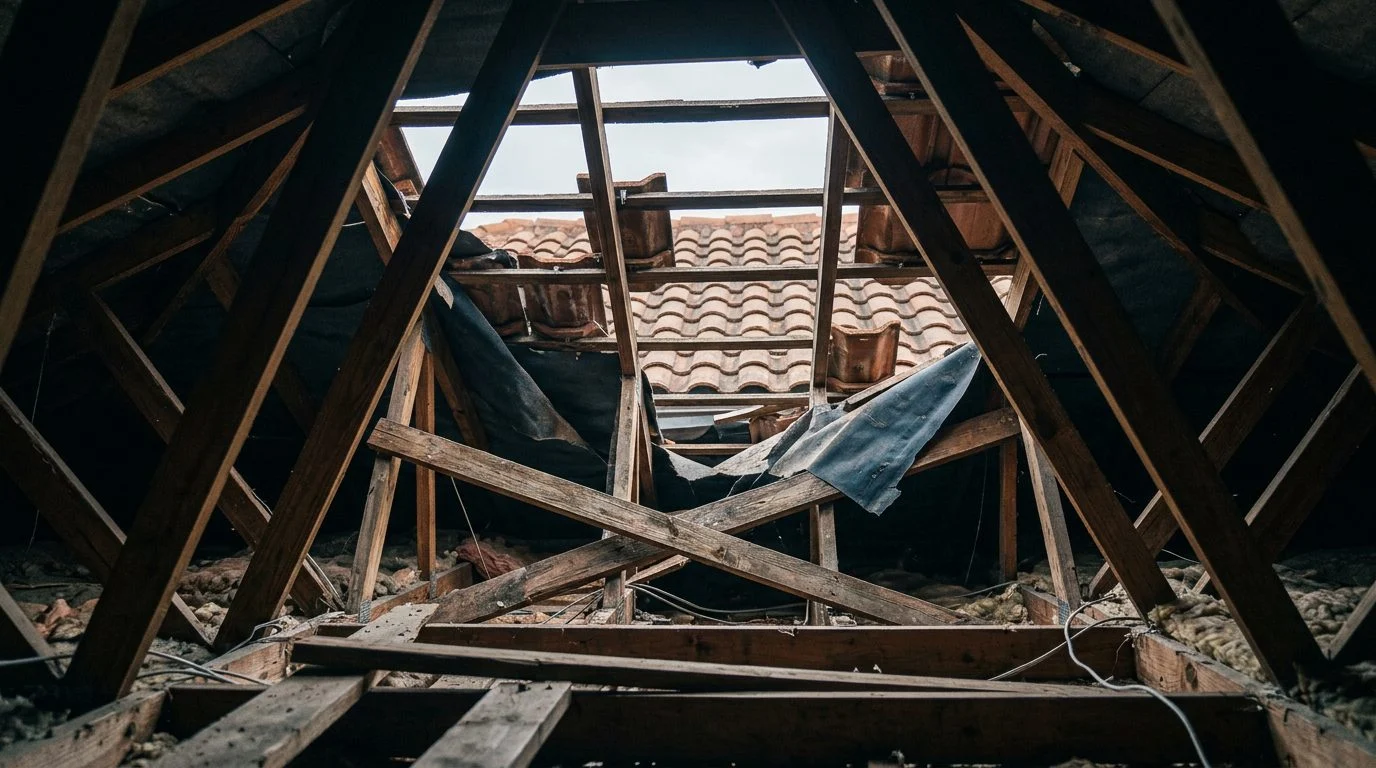
Tile Roofing | South Florida
Tile Roofs in Florida: Why So Many Homes Have Them
Heat resistance, wind performance, and the classic look South Florida homeowners love. Here is what makes tile such a common choice.
By Jonathan Rodriguez · Published November 4, 2026
Why Do a Lot of Homes in Florida Have Tile?
Why do a lot of homes in Florida have tile? Mostly because tile roofs handle Florida’s heat, sun, and wind well when they are designed and installed correctly. Tile also fits the architectural look many South Florida homes are known for. This page covers tile roofing, the material on top of a house, not floor tile.
If you're weighing a tile roof for a home you're buying or inheriting, our team can talk through what you're seeing with you. Talk it through with our team — the first consultation is free, confidential, and carries no obligation.
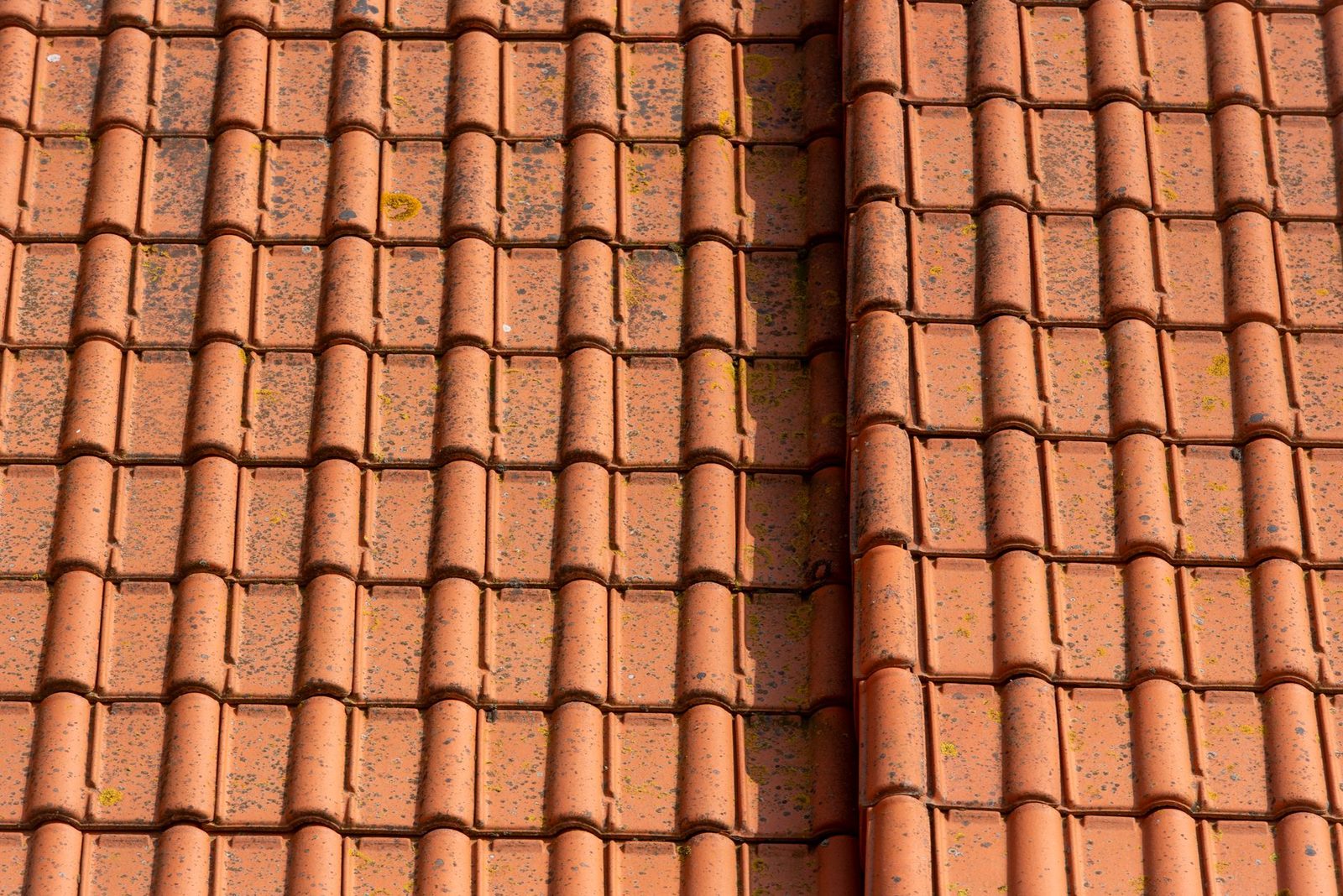
The short answer: climate, style, and durability
Florida homes have tile roofs for four main reasons: heat and sun, wind performance, architectural tradition, and long service life. Each reason depends on how the roof is built, not on the tile alone. A tile roof is a system. It includes the tile, the underlayment beneath it, the flashing at edges and openings, and the way everything is fastened to the deck. When one part is weak, the whole roof is weaker. Buyers often notice the tile first, but the roof’s age and condition matter as much as its look. The sections below explain each reason and what it means in practice for homes in Miami, Fort Lauderdale, Boca Raton, and West Palm Beach.
How tile handles Florida’s sun and heat
Tile sits above the roof deck. That raised layer creates an air gap, which can help reduce how much heat moves into the attic below.
Color matters too. Tile color and reflectivity are worth discussing when choosing a roof. Many owners choose a dark color for looks and then notice the upstairs rooms run hot. Pick the color with the afternoon sun in mind, not just the look from the curb.
Attic ventilation works with the roof. A trapped, hot attic adds stress to the roof’s underside and to the home’s cooling system. Keep vents clear and the attic airflow working. Keep expectations realistic, too. A tile roof helps manage heat, but it does not replace insulation, ventilation, or good air sealing in the attic.
Wind performance and the Florida Building Code
Florida’s building rules treat wind as a whole-roof problem. The state’s windstorm law finds that the Florida Building Code has reduced property damage to buildings built under its requirements. Florida Statutes 553.844 states that the effects of recent hurricanes on the state have demonstrated the effectiveness of the Florida Building Code in reducing property damage to buildings constructed in accordance with its requirements.
Newer rules add detail for tile.
Edges and transitions are where wind and water find weak spots. Details like drip edge and flashing matter as much as the tile itself. Wind performance depends on design, installation, and condition, not on material alone.
Architectural style and the look of South Florida neighborhoods
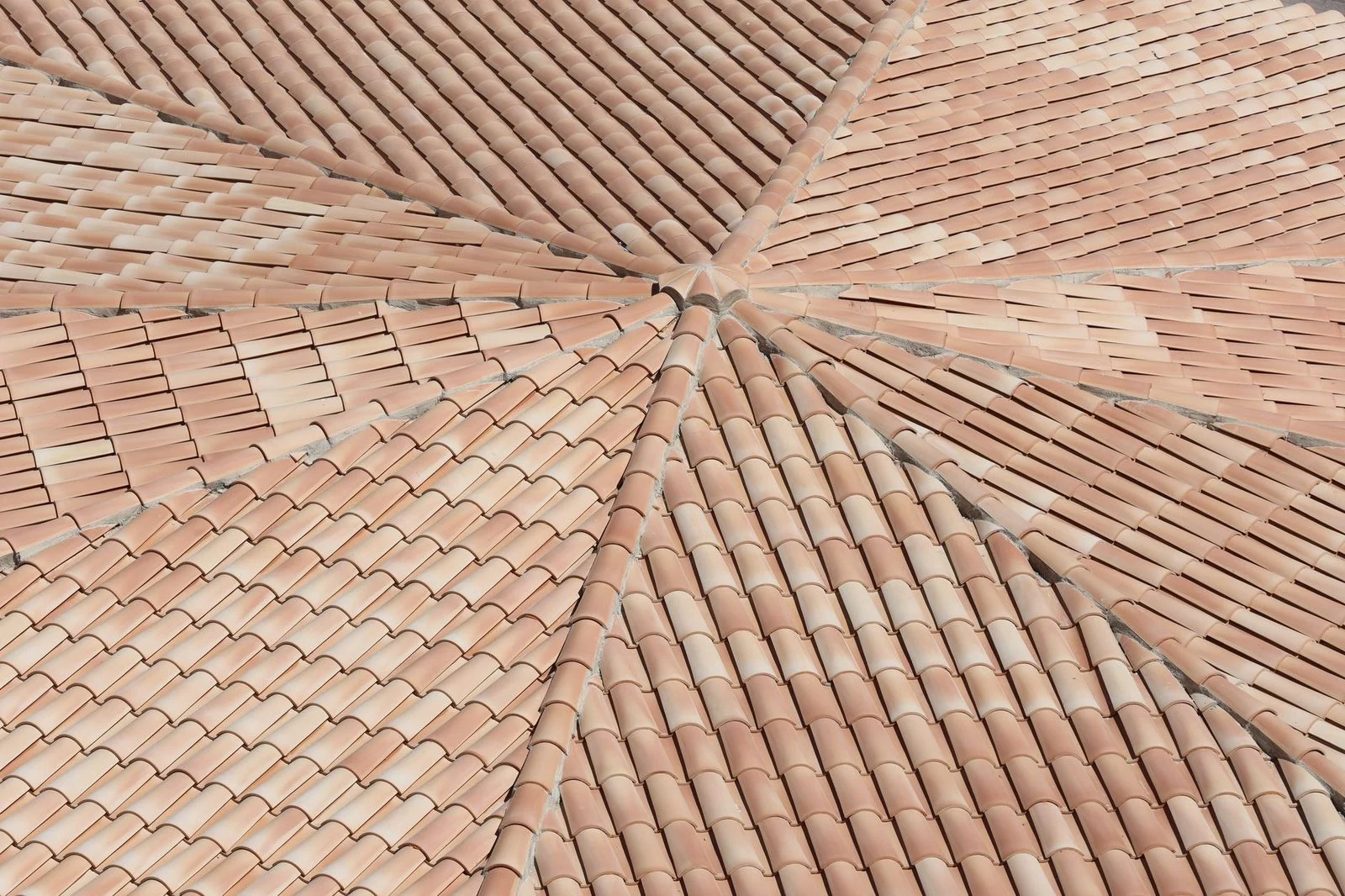
Barrel and S-shaped clay tiles became closely tied to South Florida’s look. Spanish Colonial and Mediterranean-style homes often use these shapes. That design tradition is one reason tile remains a familiar choice in Miami, Fort Lauderdale, Boca Raton, and West Palm Beach.
Tile comes in many profiles and colors. A low-profile tile suits a sleek modern home better than a deep barrel shape does. A deep barrel profile often suits a Mediterranean-style home. Tile can also suit a house that is not Spanish in style, when the profile is chosen carefully.
Match the profile and color to the house’s architecture so the roof looks like it belongs. Then check that the product works with the roof’s slope and structure. Style should guide the choice. It cannot override the wind and installation rules described above.
Longevity and fire resistance
Tile’s service life can vary with installation, material, and maintenance. How long a tile roof lasts depends on the tile type, the installation, and how well it’s maintained. No single number fits every home. Ask how the roof was installed and maintained, not just how old the tile is.
The most common mistake is waiting for a leak. After storms, look for cracked or slipped tiles, lifted edges, and damaged flashing. Small problems found early are usually easier to fix than water damage inside the home.
Many owners also value tile for fire resistance.
Not sure what your next step is?
Talk it through with our team — the first consultation is free, confidential, and carries no obligation.
Weight, underlayment, and why installation matters
Tile is heavier than many roofing materials. That makes the roof structure part of any review, not just the tile itself. The underlayment is the water barrier beneath the tiles, and flashing seals the edges and penetrations.
Older tile roofs often need repair or inspection before any decision. Florida’s windstorm law also sets a 25 percent rule. If an existing roof was built, repaired, or replaced under the 2007 code or a later edition, and 25 percent or more of it is repaired, replaced, or recovered, only that portion must meet the Florida Building Code in effect. Florida Statutes 553.844 states that rule.
Clay versus concrete tile in Florida homes
Clay and concrete are two tile roofing types used in Florida. Both can look alike from the street. They differ in weight, finish, and cost, and those differences affect which product suits a given structure and budget. Our team can review those trade-offs with you in more detail.
Recovering a roof means installing new covering over the old one. Replacement means removing the old covering.
A common mistake is assuming a new tile roof can always go over an old one. Whether that works depends on what’s underneath. A tile-over-tile reroof needs a close look at the existing roof first. Readers weighing that option can also contact our team to discuss tile roof replacement.
Talk with our team about your tile roof
If you’re looking into tile for a home you’re buying, inheriting, or helping a family member manage, the roof may be hard to judge from the outside. You might not know its age, its underlayment, or whether past repairs followed current rules.
Frequently asked questions
Why do a lot of homes in Florida have tile?
Tile roofs handle heat, sun, and wind well when they are designed and installed correctly. They also suit the architectural look common in South Florida.
Are tile roofs good for Florida’s heat?
Tile can help reduce heat moving into the attic. Lighter colors generally absorb less heat, and results depend on design, color, and attic ventilation.
How long do tile roofs last in Florida?
Lifespan depends on the tile type, installation, and maintenance. No single number fits every home.
How did the 2026 Residential code change underlayment at hips and ridges?
Per the Florida Building Commission’s analysis of changes, the underlayment section was revised so that underlayment laps over hips and ridges by no less than 6 inches, except where ventilation openings are provided.
If you’re weighing a tile roof for a home you’re buying or inheriting, our team can talk it through with you. Our free initial consultation is confidential and comes with no obligation to continue. Contact our team to start that conversation.
What Makes Tile a Common Choice
Built for Sun and Wind
When designed and installed correctly, tile handles Florida's intense sun, UV exposure, and strong winds.
Classic Architectural Look
Tile suits the Spanish, Mediterranean, and modern-classic styles common across South Florida neighborhoods.
Heat-Conscious Color Choices
Lighter tones generally absorb less heat. Results depend on the tile, color, and overall roof design.
Long Service Life
Tile is known for durability when it is paired with quality underlayment, fastening, and flashing.
Installation Makes the Difference
A tile roof is only as strong as the layers beneath it. Before any work begins, ask for a detailed inspection of the underlayment, fastening, and flashing.
Common Questions About Tile Roofs
Is tile good for Florida's heat?
Tile can help reduce heat moving into the attic. Lighter colors generally absorb less heat, and results depend on design, color, and installation.
Is tile heavier than other roofing?
Yes, tile is heavier than many roofing materials, so the roof structure should be evaluated before installation.
Does tile suit my home?
Tile fits many South Florida architectural styles. The right choice depends on your home, your roof pitch, and your neighborhood.
Can damaged tile be repaired?
Individual cracked or displaced tiles can often be replaced. Our team can inspect the roof and explain the practical next steps.


