


Tile Roofing & Roof Repair | South Florida
Sliding Roof Tiles? Find Out What's Causing It Before the Next Storm
A slipping tile is an early warning sign. Learn what drives it, what to check, and when a repair or replacement makes sense for homes from Miami and Kendall to Naples and Fort Myers.
By Jonathan Rodriguez · Published November 1, 2026
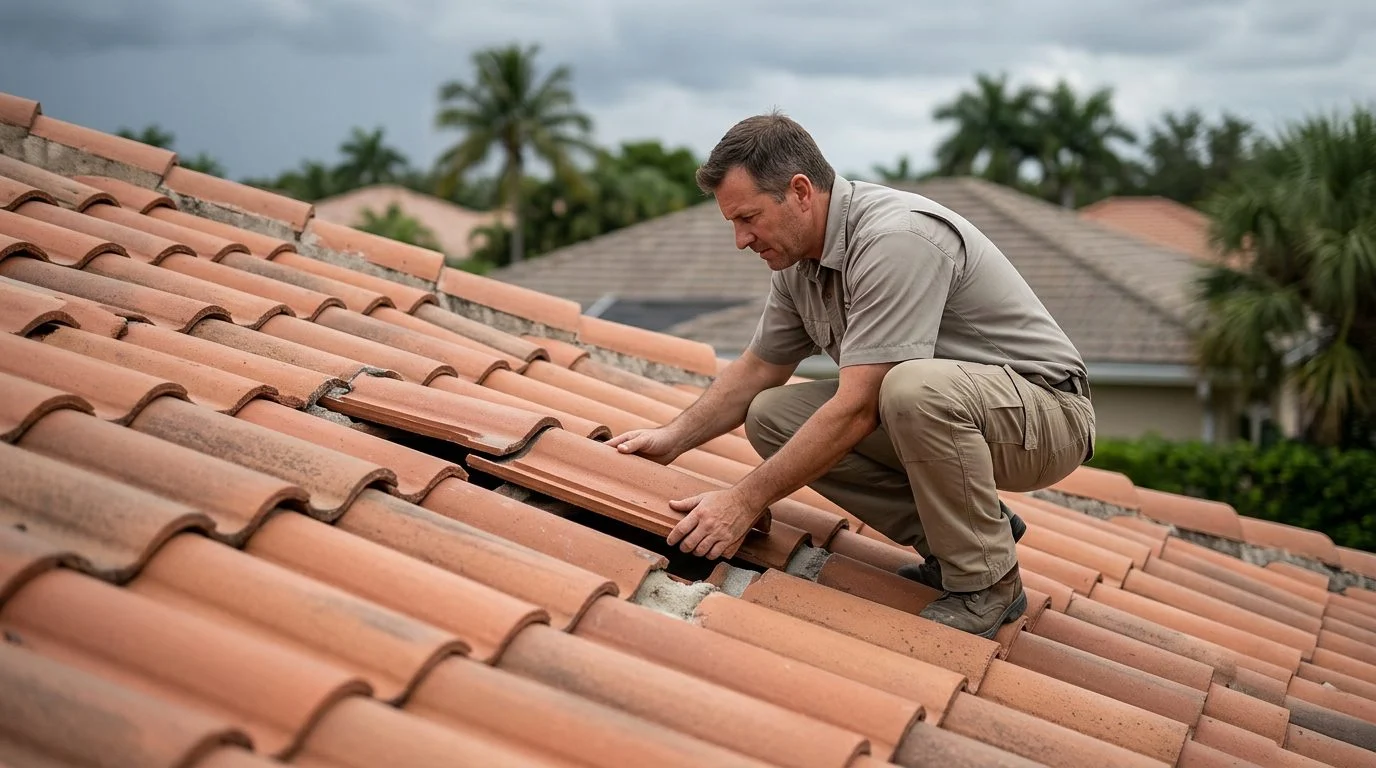
Roof tiles usually slide because wind lifts and pulls at them until the parts holding them give way. Weak fasteners, worn adhesive, and strong gusts are the most common causes. If you’re asking why are my roof tiles sliding off, the answer usually starts at the edges of the roof. This guide explains the causes, how to check from the ground, and when a repair is simple.
Why a roof tile slides after a storm
A tile slides when wind gets under its edge and the holding system fails. Each tile depends on fasteners or clips, adhesive or mortar, and the tiles around it. When one part weakens, a gust can push the tile out of place.
Common reasons include:
- Fasteners or clips that have loosened or backed out.
- Adhesive or mortar that has broken down with age.
- Tiles that were set without proper securing.
- Strong wind hitting exposed edges, ridges, and hips.
A tile can slide before it looks broken. So a shifted tile is worth checking even when nothing looks cracked. Florida’s 2026 Florida Building Code changes added a new requirement that tile underlayment uplift resistance meet the component and cladding loads of ASCE 7.
If a tile slid after the last storm and you're not sure it's a quick fix, our team can help you sort it out. Talk it through with our team — the first consultation is free, confidential, and carries no obligation.
What causes a roof tile to crack
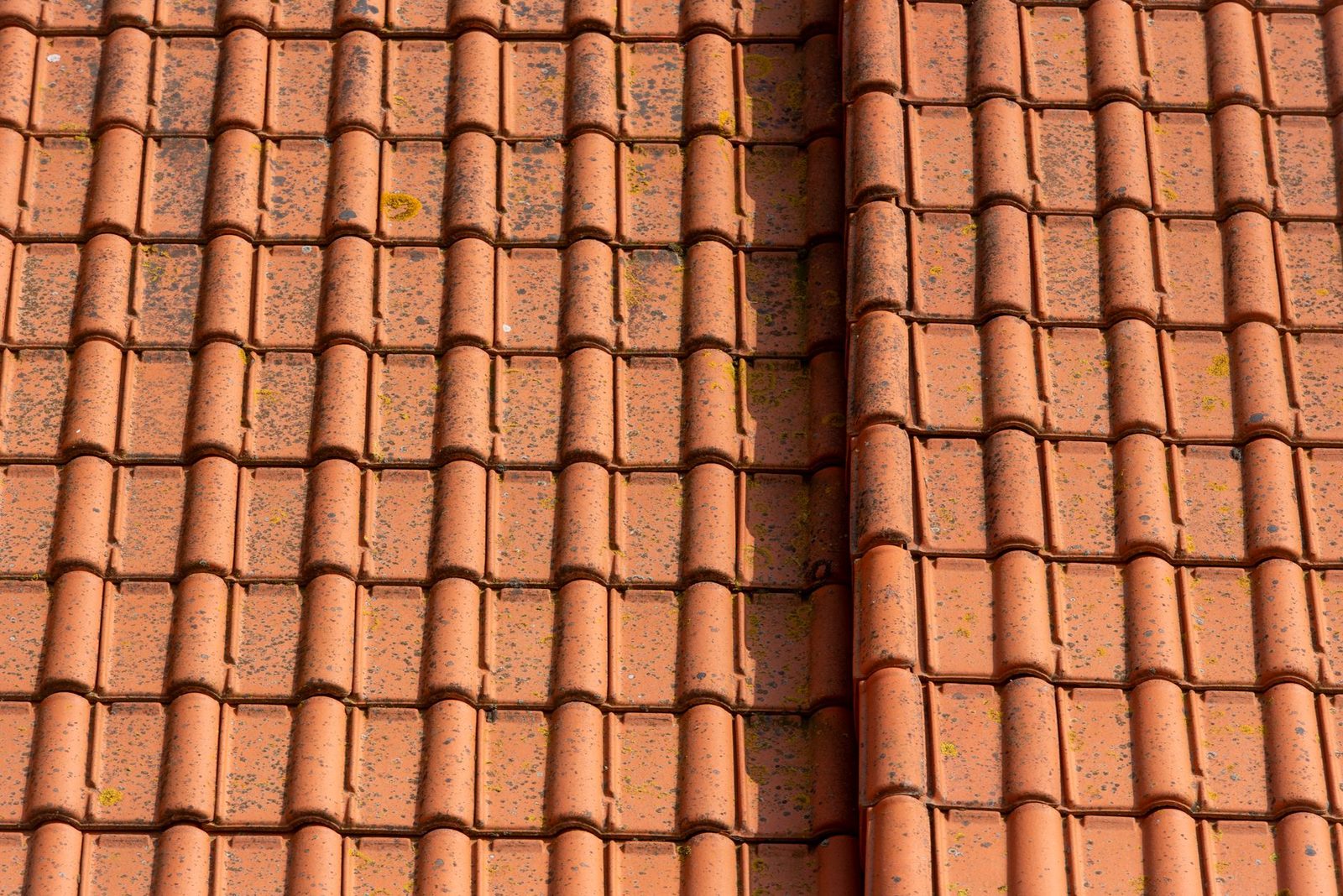
Cracking usually comes from impact or stress. Flying debris during a storm can hit a tile hard enough to break it. Foot traffic can crack a tile that is already weak. A tile that rocks or shifts can also press against its neighbors until it splits.
A cracked tile may still sit in place. That’s why cracks are easy to miss from the ground. Look for chips, hairline lines, and broken pieces in gutters or on the ground. Don’t assume a tile is sound just because it hasn’t fallen off.
Investigate why the tile moved
One slipped tile and a cluster of slipped tiles point to different causes. Start with a simple check from a safe spot on the ground. Look at these points:
- Where is the tile: an edge, ridge, hip, or valley?
- Are neighboring tiles loose or shifted too?
- Does the pattern line up with the storm’s wind direction?
- Is underlayment showing, or is there debris in the gutters?
- Is the flashing near the tile lifted or bent?
A single tile in one spot often means a local failure, such as one loose clip. Several tiles in a line along an exposed edge suggest wind loaded that area hard. That area’s fastening needs review. For site-built, single-family homes, Florida Statutes section 553.844 says a roof replacement must strengthen or correct roof-decking attachments and fasteners during reroofing.
What happens if a roof leak is left untreated
An open or displaced tile can let wind-driven rain reach the underlayment below. Water that gets past the tile can stain ceilings, soak insulation, and help mold grow in the attic. Watch for a drip during rain, a ceiling stain, or a damp, musty smell in the attic after a storm.
Underlayment is the last line of defense under the tile. The Florida Building Code’s underlayment revision requires underlayment to lap over hips and ridges a minimum of 6 inches, except where ventilation openings are provided.
Water problems are best handled early, before they spread. Report any stain, drip, or damp smell as soon as you notice it.
Record the damage from the ground, not from the roof
Don’t climb onto a roof after a storm. Loose tiles and wet surfaces are a fall hazard. You can build a useful record from the ground instead.
Take photos of:
- The slipped tile’s position relative to the eave, ridge, or hip.
- Close-ups of nearby tiles and any gaps.
- Gutters and ground debris, including broken tile pieces.
- Stains or damp spots inside the home.
Keep a dated log after each storm. Write the date, the wind you noticed, and what you saw. A clear, dated history helps whoever inspects the roof understand what changed and when.
How a slipped tile is fixed without replacing the whole roof
A slipped tile is often a targeted repair. A roofer can reposition the tile, re-secure it with clips or fasteners, or replace a cracked one. The right choice depends on the tile type, its age, and the condition of the underlayment.
Common materials include tile clips, mechanical fasteners, and compatible roof adhesive. The product matters because wind performance depends on how the tile is held. Miami-Dade County Product Control’s notice of acceptance for a concrete tile system shows that approved tile systems are tested for specific applications.
Repairs work best when the damage is limited. Widespread loosening, deterioration, or underlayment damage points toward replacement. The Tile Roofing Industry Alliance’s post-storm guidance covers choosing between repair, replacement, and harvest-and-repair after a storm. Florida Statutes section 553.844 says that if an existing roofing system was built, repaired, or replaced under the 2007 Florida Building Code or a later edition, and 25 percent or more of it is being repaired, replaced, or recovered, only the repaired, replaced, or recovered portion is required to be constructed in accordance with the Florida Building Code in effect, as applicable, as stated in the residential recovering-versus-replacement revision.
Not sure what your next step is?
Talk it through with our team — the first consultation is free, confidential, and carries no obligation.
What if the tile moved after cleaning, and your next step
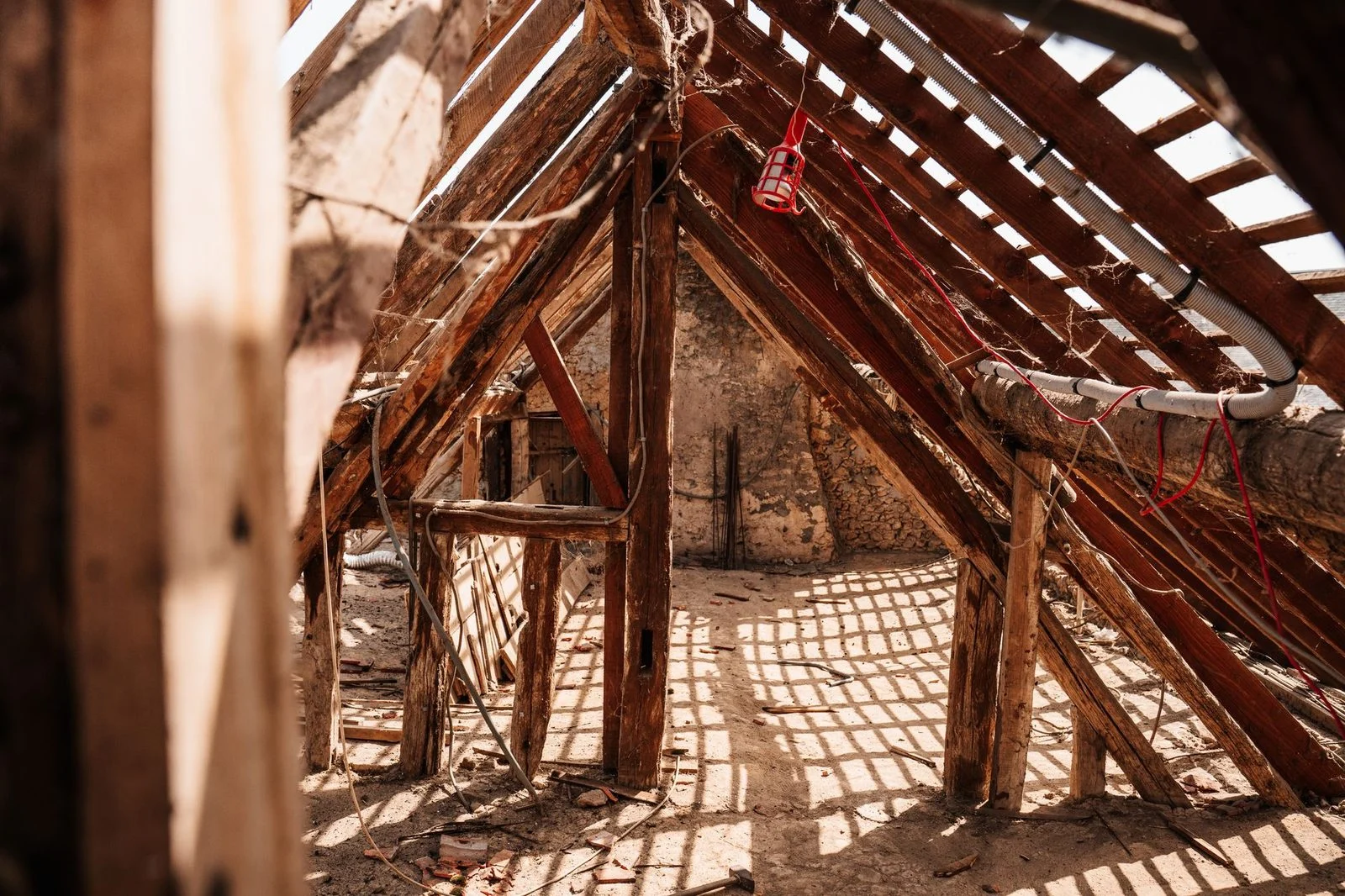
A tile can also shift after pressure washing, foot traffic, or a maintenance visit. Check the cause the same way you would after a storm. Ask which tiles are affected, what the underlayment looks like, whether the fasteners are sound, and which repair fits the roof’s condition.
For more background, read our tile roofing guide, our hurricane-zone tile versus metal comparison, and our article on light-colored tile roofs.
Can one slipped tile be re-secured?
Often, yes. A single tile can sometimes be repositioned and re-secured. The tile type and underlayment condition decide it.
Does a loose tile mean I need a new roof?
Not always. Widespread loosening or underlayment damage points toward replacement.
Is it safe to walk on a tile roof after a storm?
No. Loose tiles and wet surfaces make walking on the roof risky.
What causes a roof tile to crack?
Flying debris, foot traffic, and tiles that rock against their neighbors are common causes.
If a tile is sliding after a storm and you’re unsure whether it’s a quick fix, request a free first consultation with the ASP Superhome team. The consultation is confidential and carries no obligation to continue.
How ASP Superhome Can Help
Free First Consultation
Our first consultation is free, confidential, and comes with no obligation to continue.
Tile Roofing and Roof Repair
We inspect tile roofs, re-secure loose tiles, and address underlayment and fastener problems that can lead to slipping.
Clear Options
We explain whether a targeted repair or a roof replacement fits the condition of your roof and your budget.
Serving South Florida
We work with homeowners in Miami, Fort Lauderdale, West Palm Beach, Kendall, Boca Raton, Naples, and Fort Myers.
Safety First
Do not walk on a tile roof after a storm or when tiles are visibly loose or cracked. Broken tiles can crack further under weight, and a fall is a serious risk. Call a professional to inspect from the ground or with safe access.
Common Causes of Sliding Tiles
Failed Fasteners
Nails or clips that have corroded, backed out, or were never fully set can no longer hold tiles in place.
Underlayment Breakdown
Aging or damaged underlayment can let tiles shift on the deck, especially after repeated heat and moisture cycles.
Wind Uplift
Strong South Florida wind can lift and loosen tiles, particularly along edges, ridges, and corners where pressure is highest.
Age and Weathering
Over time, sealants, mortar, and tile edges wear down, making slippage more likely even without a major storm.


