


Tile Roofing | South Florida
Keep Your Home Cooler Without Guessing at the Roof
How tile roofs affect cooling costs in Miami, Fort Lauderdale, West Palm Beach, Boca Raton, Naples, Fort Myers and beyond, and what to check before you decide.
By Jonathan Rodriguez · Published November 2, 2026
Short Answer: Do Tile Roofs Lower Cooling Costs?
A tile roof can help limit heat gain, but it won’t cut your cooling bill by itself. Your savings depend on the tile’s color and reflectivity, how well the attic is ventilated, and the insulation under the roof.
The roof is only one part of your home’s cooling load. Windows, doors, air leakage, and the air conditioner all play a role. A roof upgrade works best as part of a plan for the whole house.
If you want the basics before you plan, start with our tile roofing guide for South Florida.
If your summer cooling bills keep climbing and your tile roof is showing its age, our team can talk through whether a replacement or a cool-rated option fits your home. Talk it through with our team — the first consultation is free, confidential, and carries no obligation.

How Roof Heat Reaches Your Home in South Florida
Roof heat reaches your home when the roof absorbs sunlight and passes that heat into the attic below. The roof surface gets hot, and that heat keeps moving down through the structure.
South Florida’s long, hot months keep this process running for much of the year. The attic can stay hot for many hours each day, and the ceiling below picks up that heat.
A hot ceiling makes your air conditioner work longer to hold the indoor temperature. This extra work is the part of the cooling load that the roof adds to your home.
Attic ventilation helps move hot air out. Intake lets cooler air in, and exhaust lets hot air leave.
Are Tile Roofs Cool Roofs?
Not every tile roof is a cool roof. A cool roof is designed to reflect more sunlight and release absorbed heat more readily.
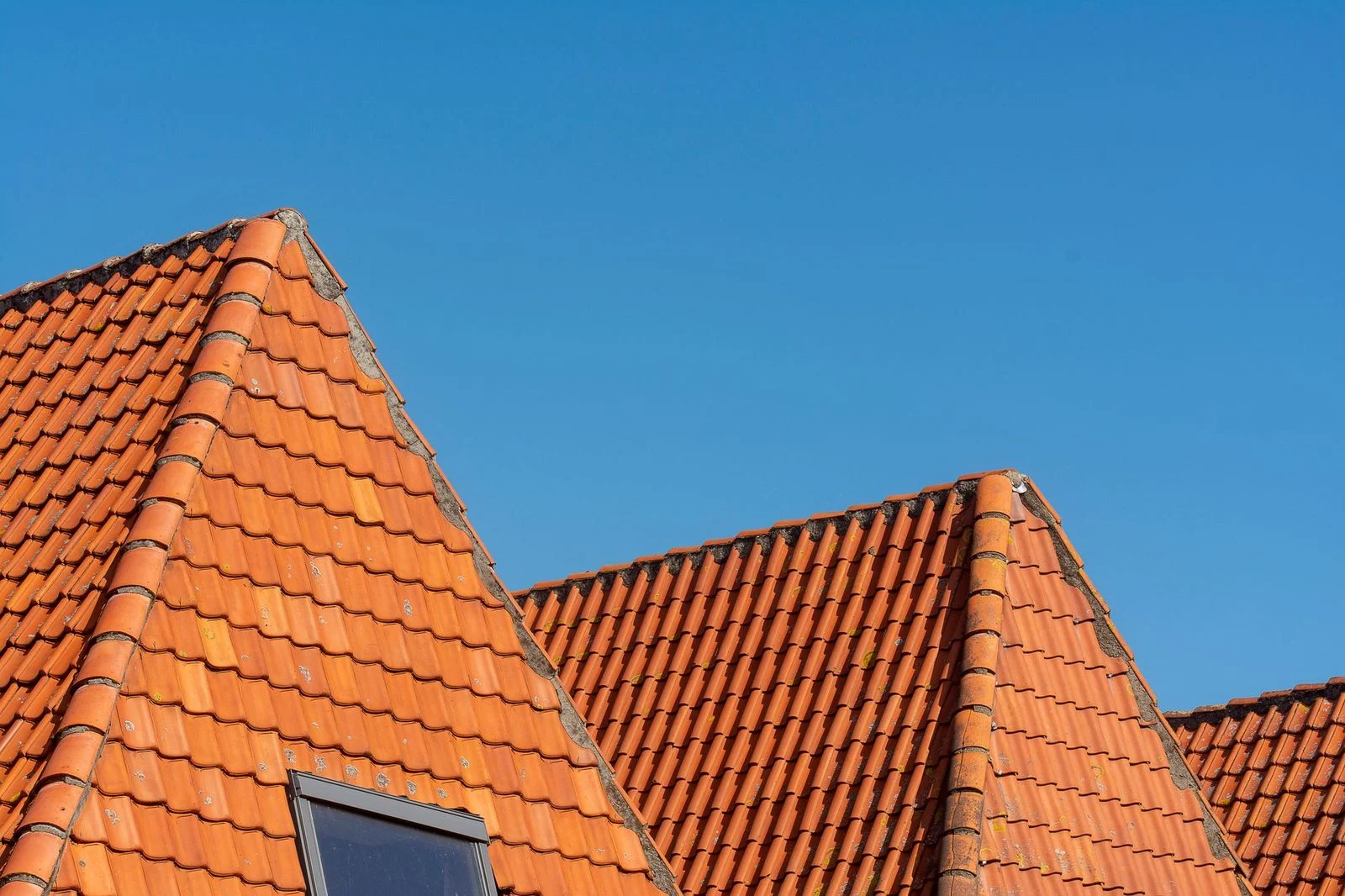
Tile is not automatically reflective. Light-colored and cool-rated tile profiles or coatings are what raise reflectance. A dark tile absorbs more heat than a light one, so color is a key question to raise during planning.
The same idea of color and reflectivity applies when you compare tile options.
The benefit of any cool feature depends on the specific tile, the roof’s condition, and the attic setup. Ask for the product’s reflectance details before you assume a savings.
Tile Roof vs. Metal Roof for Heat and Energy Efficiency
Metal roofs reflect sunlight well when they are light-colored, and they shed heat quickly. Tile’s mass and the air space beneath it can slow how fast heat moves into the attic.
Neither material wins in every case. Both can come in light colors or cool-rated finishes, so the comparison works best product by product.
Tile does well on durability and appearance. Metal roofing also has real strengths of its own.
For a balanced choice, weigh heat behavior, upfront cost, weight, and expected lifespan together.
How Much Does a Tile Roof Cost Compared With Shingles?
Tile generally costs more upfront than asphalt shingles. The price reflects the tile itself, the labor to install it, and the structure that must carry its weight.
Several factors move the price. These include roof size and pitch, tile type, underlayment, the condition of the decking, and any structural work.
Structural load capacity should be checked before replacing another roof covering with tile. A roof replacement in Florida also follows code rules. Under Fla. Stat. § 553.844, the rule covers site-built, single-family residential structures in the wind-borne debris region, as defined in s. 1609.2 of the International Building Code (2006). For those structures, roof-to-wall connection techniques are required under the Florida Building Code, as directed by the statute, when a roof replacement is performed and the building has an insured value of $300,000 or more (or, if the building is uninsured or no documentation of insured value is presented, its just valuation for the structure for purposes of ad valorem taxation is $300,000 or more). This requirement applies when evaluation and installation of connections at gable ends or all corners can be completed for 15 percent of what the roof replacement costs. Fla. Stat. § 553.844 reads: “For houses that have both hip and gable roof ends, the priority shall be to retrofit the gable end roof-to-wall connections unless the width of the hip is more than 1.5 times greater than the width of the gable end.”
Code updates also shape tile work. Section 553.844 addresses prescriptive techniques for improving roof-to-wall connections.
Weigh the higher upfront cost against lifespan, maintenance, and any cooling benefit from the tile you choose.
How Much More Does a Cool Roof Cost?
Cool-rated tile, light-colored finishes, and reflective coatings can add to material cost. The added amount varies by product and color.
The cost also changes with the project. A new installation and a restoration of an existing roof are priced differently, so compare quotes on the same scope.
Think about the roof’s remaining life too. A cool feature adds the most value when the roof is due for work anyway. If the roof has many years left, the timing may matter more than the upgrade.
Our team can price the specific options for your home after an inspection. We won’t offer a savings figure before we see the roof and the attic.
Not sure what your next step is?
Talk it through with our team — the first consultation is free, confidential, and carries no obligation.
How Long Does a Clay Tile Roof Last in Florida?
Clay and concrete tile are known for long service life when installed correctly and maintained.
South Florida’s climate puts real demands on any roof. Sun exposure, heavy rain, wind events, and salt air near the coast all wear on tile. The condition of the underlayment and fasteners matters just as much as the tile.
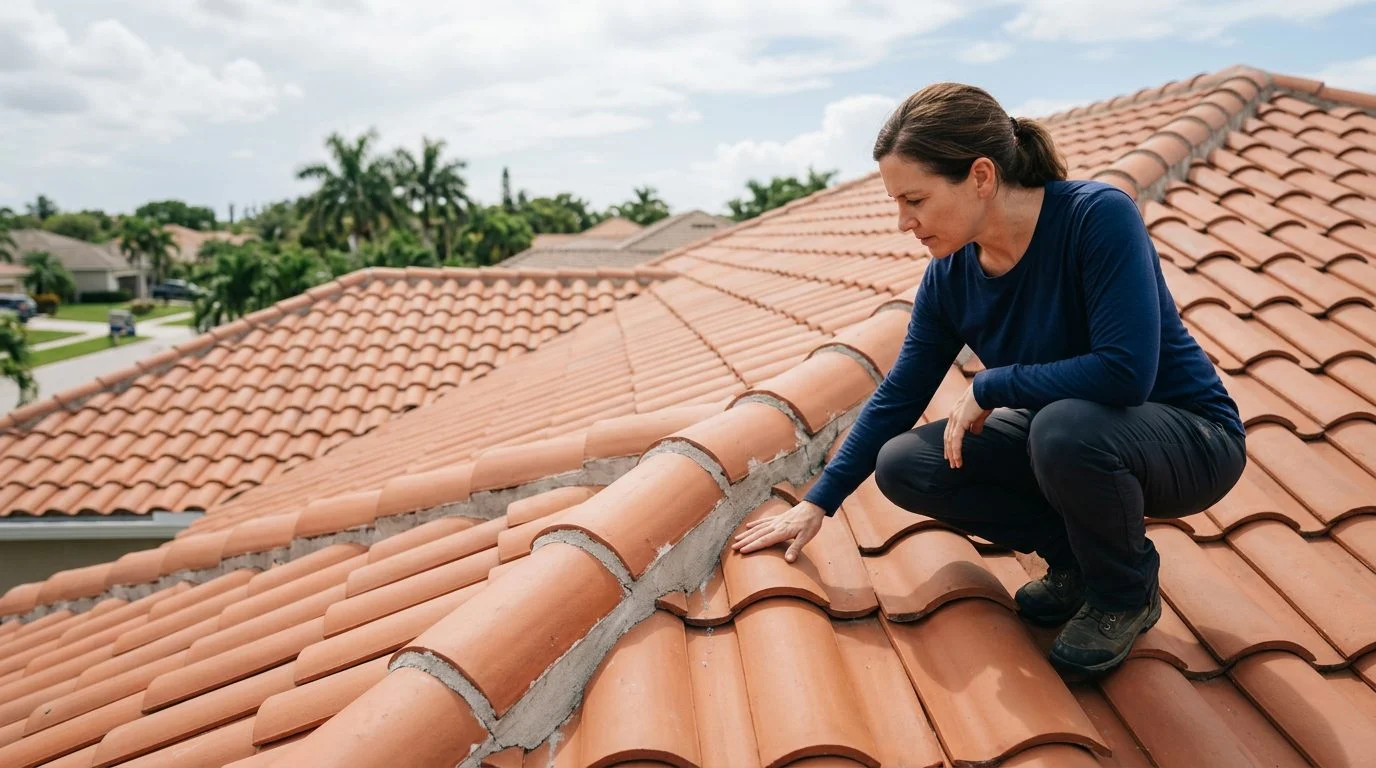
Routine maintenance helps. Inspect for cracked or displaced tiles, clear debris from valleys and gutters, and fix flashing or ridge problems early. Small repairs often cost less than waiting.
When a tile roof shows wear, contact our team to discuss the next steps.
Frequently Asked Questions
Do tile roofs keep houses cooler in Florida?
A tile roof can help limit heat gain, but the effect varies with color, attic ventilation, and insulation.
Are tile roofs cool roofs?
Not automatically. Light-colored or cool-rated tile and reflective coatings are what raise reflectance.
Is tile more expensive than shingles?
Tile usually costs more upfront, though its longer service life is part of the comparison.
Talk With ASP Superhome About Your Tile Roof
If your summer cooling bills keep rising, or your tile roof is aging, you may be weighing a replacement or a cool-rated option. Our team can review your roof, your attic, and your options with you.
Our team serves homeowners across South Florida, including Miami, Fort Lauderdale, West Palm Beach, and Boca Raton. Reach out through our contact page to talk about tile roofing and roof replacement for your home.
The first consultation is free, confidential, and comes with no obligation to continue.
Why Homeowners Talk With ASP Superhome
Free First Consultation
Your initial consultation is free, confidential and comes with no obligation to continue.
Whole-Home Perspective
Roofing, attic ventilation, windows, doors and solar all affect how hot your home gets, so we look at the full picture.
Clear, Written Quotes
Our team explains your options, materials and scope so you can compare them on equal terms.
Local South Florida Focus
We work with homeowners across Miami-Dade, Broward, Palm Beach, Collier and Lee counties, where heat and humidity shape every roofing decision.
Tip Before You Budget
A tile roof is not a cooling system. Ask for a review of attic ventilation and insulation along with the roof itself, since these often determine how much heat reaches your living space.
What Drives Your Cooling Costs
Tile Color and Reflectance
Lighter or cool-rated tiles and reflective coatings reflect more sunlight. Darker tiles absorb more heat, which can increase the load on your air conditioner.
Attic Ventilation
Proper airflow lets hot air escape from the attic. Without it, even a well-chosen tile roof can hold heat that radiates into your home.
Insulation Levels
Adequate insulation slows heat transfer from the roof deck into living spaces, helping your system run less often during peak afternoon heat.
Repair Versus Replacement
Cracked or displaced tiles let heat and moisture in. Addressing damage early and planning a replacement at the right time can keep your home more comfortable.


