


Tile Roof Inspection | South Florida
Hurricane Hit Your Tile Roof? Get a Clear Picture of the Damage
ASP Superhome inspects tile roofs after storms in Miami, Fort Lauderdale, West Palm Beach, Kendall, Boca Raton, Naples, and Fort Myers. Start with a free, confidential first consultation with no obligation to continue.
By Jonathan Rodriguez · Published October 24, 2026
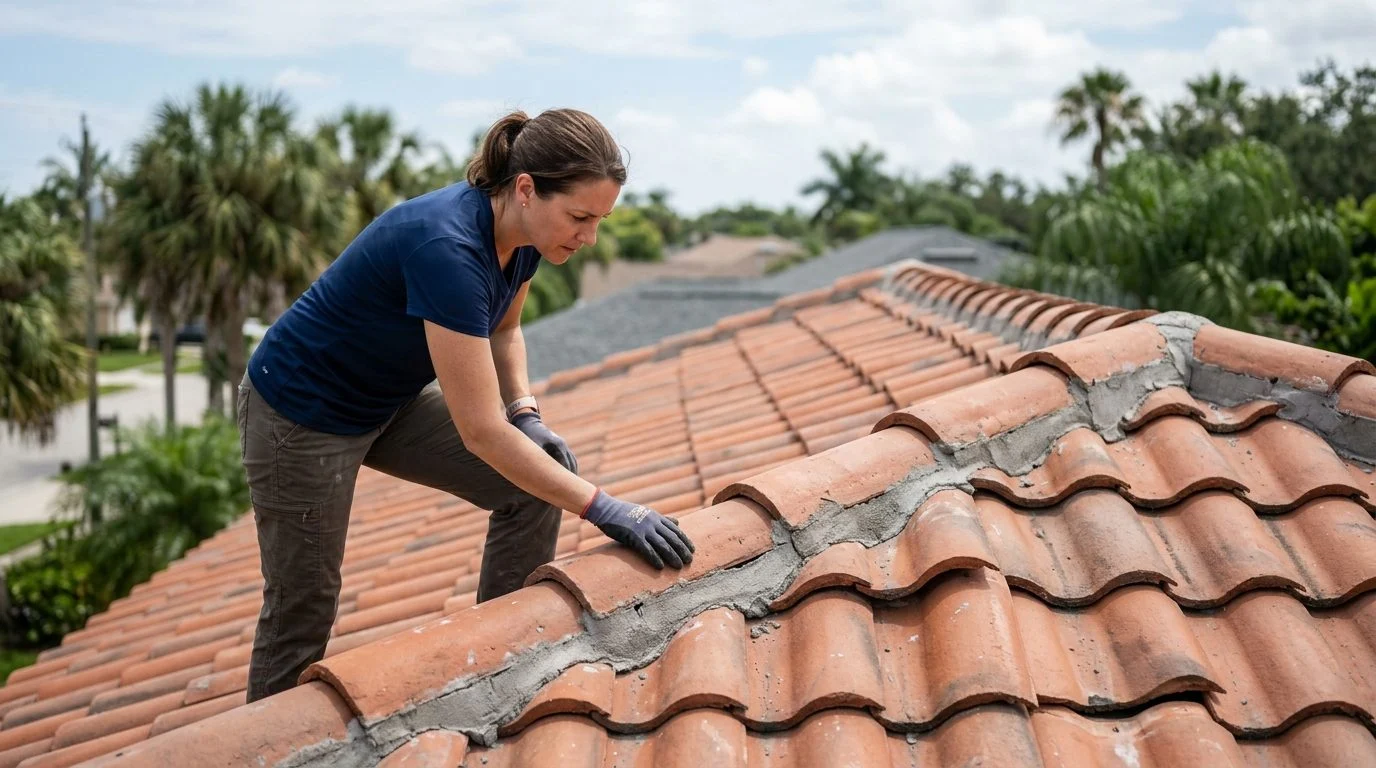
If you need a tile roof inspection after hurricane Florida storms, the inspector checks the tiles, flashing, ridge caps, and attic for wind and water damage. Tile can look intact from the ground while damage sits underneath. This page explains what gets checked, what usually shows up, and how the process works for homeowners in Miami, Kendall, Fort Lauderdale, West Palm Beach, Boca Raton, Naples and Fort Myers.
What a post-hurricane tile roof inspection is and who needs one
A post-hurricane tile roof inspection is a hands-on look at your roof after a storm. It finds wind, debris and water damage before small problems turn into leaks.
It suits homeowners who want a documented view of their roof’s current condition. It also fits owners who want a written record of the roof’s condition after the storm.
Tile roofs need a closer look because tiles can crack, slip or lift. Water can also get under a tile that still looks in place.
A visible leak is not the only sign. Loose ridge caps and displaced tiles are often noticed first from the ground. The Insurance Institute for Business & Home Safety studies Florida roofs after hurricanes, looking at wind exposure, roof structures and building codes.
If wind or debris left slipped tiles or a stained ceiling on your roof, our team can walk you through what needs checking, starting with a first consultation. Talk it through with our team — the first consultation is free, confidential, and carries no obligation.
What the inspection covers
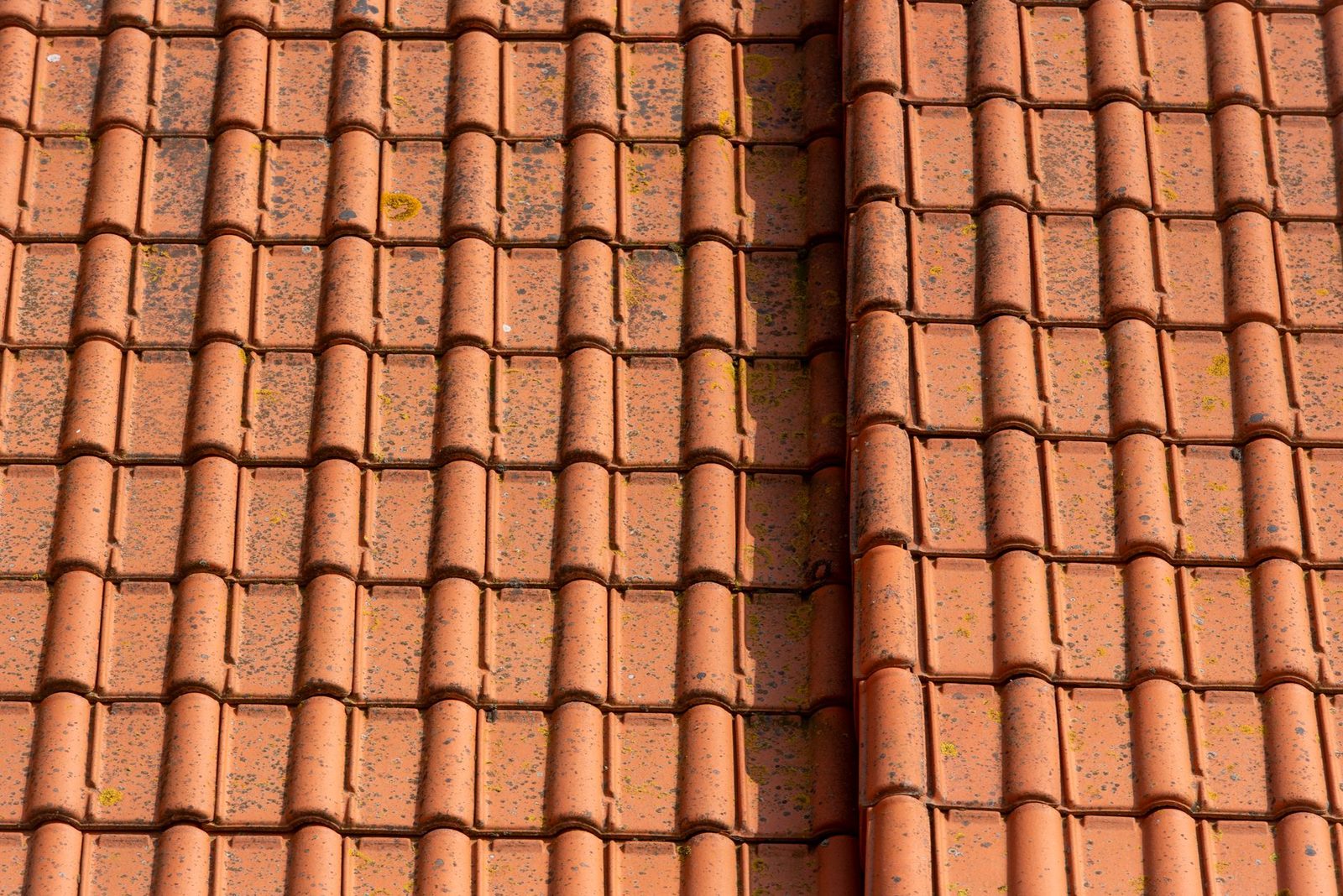
The inspection checks the tile surface, the flashing, the caps and fasteners, and the signs of water inside the home. Each area is documented with notes and photos.
- Tile condition: cracked, broken, chipped, slipped or missing tiles, with attention to eaves, edges and ridges.
- Flashing and openings: the seals around vents, chimneys, skylights, valleys and wall joints.
- Ridge and hip caps: loose or cracked caps, plus mortar, sealant and fasteners.
- Uplift signs: lifted tiles or gaps along eaves and rakes where wind gets under the edge.
- Gutters, fascia and soffits: these can show where water moved during the storm.
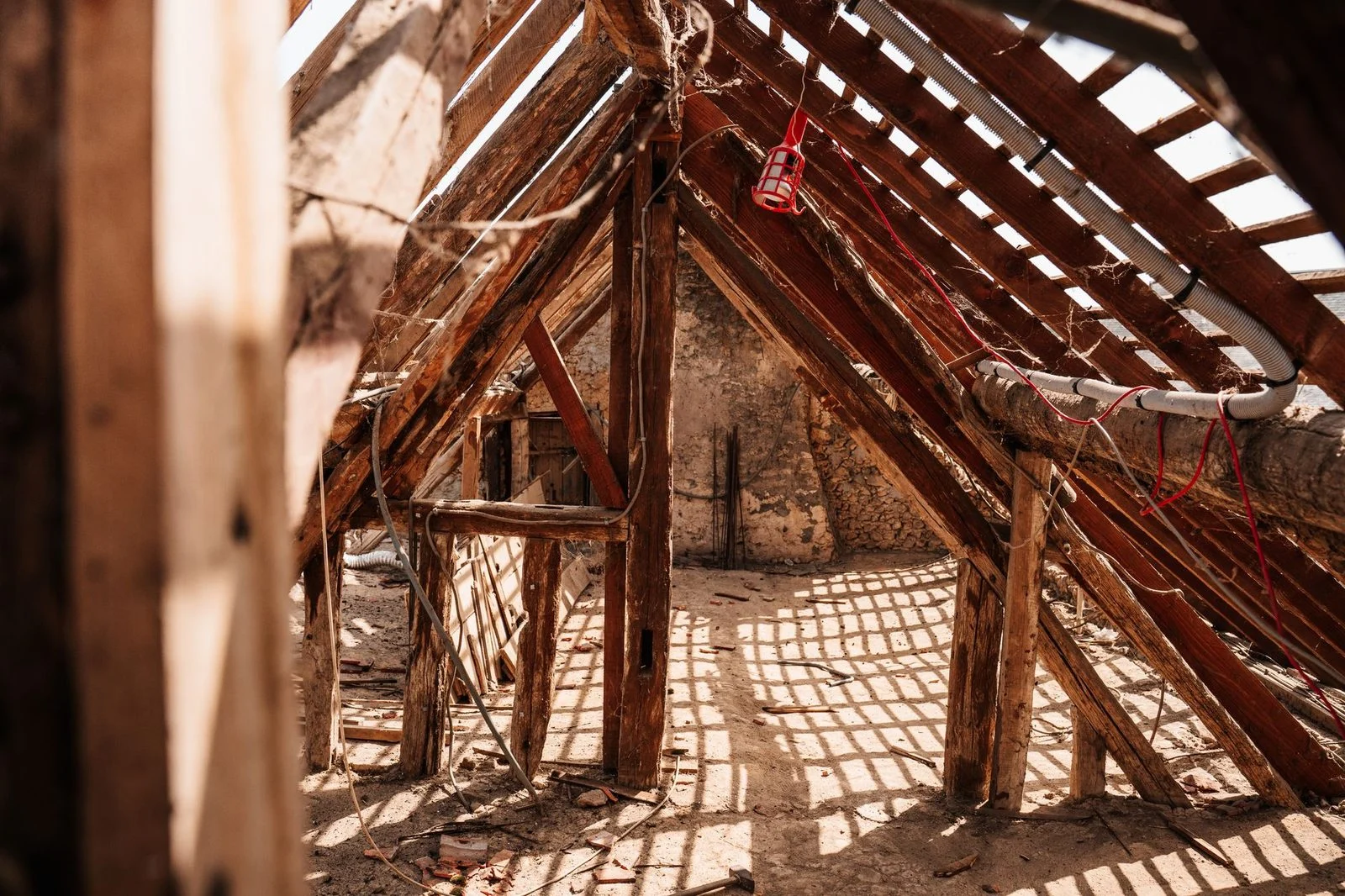
- Attic and ceilings: stains, damp insulation, and daylight coming through the roof deck.
- Underlayment and deck areas: checked for moisture or staining where they can be safely reached.
You get a written summary with photos of each area. You keep it for your records.
What will fail a roof inspection
The findings that point to repair work are cracked or missing tiles, damaged flashing, loose ridge caps, and water signs inside the home. Each one can let water reach the roof deck.
- Cracked or broken tiles that expose the underlayment or let water in.
- Missing or displaced tiles, especially on exposed slopes and at the ridge.
- Loose or cracked ridge and hip caps, and mortar or sealant that has pulled away.
- Lifted or damaged flashing at valleys, vents, chimneys and wall joints.
- Stains or sagging in the attic or ceilings, which suggest water has already entered.
Whether a roof needs repair or replacement depends on the facts found on site. If replacement is chosen, Florida law sets rules for the work. For a site-built, single-family home, a roof replacement must include secondary water barrier techniques and strengthened decking attachments and fasteners, under Fla. Stat. § 553.844.
How the process works and what it costs
You request a visit, our team inspects the roof and attic, and you get the findings in plain language. If work is needed, a written estimate follows for your review.
- Request the visit. Describe the storm, your tile type, and any damage you can see.
- Confirm the schedule. We set a time and confirm access to the roof and attic.
- Inspect on site. We check the exterior, roof surface, flashing and interior signs, with photos throughout.
- Review the findings. We explain what we saw and separate it from what we recommend.
- Receive a written estimate. If repair or replacement is needed, you review the estimate before any work is scheduled.
Our first consultation is free, confidential, and comes with no obligation to continue.
Florida law also protects you when a roof contract follows a storm. If the contract was signed within 180 days of a Governor’s emergency declaration for your area, you can cancel without penalty within 10 days of signing or the official start date, whichever comes first, under Fla. Stat. § 489.147. Every contract to replace or repair a roof of a residential property must include, in bold type of at least 14 points on the page reserved for the owner’s signature, a notice to check coverage with your insurer before signing; the notice says that if the work is related to an insurance claim, you should verify coverage, including any claims, deductibles, and policy terms, before signing.
Why homeowners choose ASP Superhome for tile roof work
ASP Superhome offers tile roofing and related home projects in one place. Findings from a roof inspection can lead to the next step without changing companies.
- Roof work in one place: tile roofing, roof repair, roof replacement, and metal roofing.
- Related home projects: impact windows and doors, solar panels, solar battery backup, and kitchen remodeling.
- Plain explanations: each finding is explained before any options are discussed.
- Written records: a summary with photos that you keep and can share with anyone you choose.
If you’re weighing roof options, Florida-approved metal panels can be made in a barrel-tile profile, according to the Miami-Dade metal barrel-tile approval.
Frequently asked questions about tile roof inspections after a storm
What will fail a roof inspection?
Cracked or missing tiles, damaged flashing, loose ridge caps, and water stains inside the home point to repair work. Each one can let water reach the roof deck.
How much does a roof inspection cost?
Pricing comes in a written estimate after the site visit, once the findings are in. The first consultation is covered in the process section above.
Can a tile roof be damaged even if it looks fine from the ground?
Yes. Displaced tiles, flashing gaps and underlayment problems often show up only on a closer look.
Do I need to be home?
You need to confirm access to the roof and attic when you schedule, so the visit can be completed.
Can my insurer require a new roof?
Can damaged tiles be matched to my existing roof?
Matching depends on the tile profile and what is available. Ask our team to check your roof’s tile type during the visit.
Not sure what your next step is?
Talk it through with our team — the first consultation is free, confidential, and carries no obligation.
Book your tile roof inspection after the storm
If tiles have shifted, a ridge cap has come loose, or a ceiling shows discoloration, a documented inspection gives you a clear picture before you decide on repairs. Contact ASP Superhome through the website form to book your first consultation and request a quote for the inspection or any repair that follows.
What We Look For After a Storm
Cracked or Missing Tiles
Broken, slipped, or displaced tiles leave the underlayment exposed to wind-driven rain.
Damaged Flashing
Flashing around chimneys, vents, and valleys is a common entry point for water.
Loose Ridge Caps
Ridge caps that have shifted or loosened can let moisture work into the roof structure.
Interior Water Signs
Stains on ceilings or walls can point to moisture that has already traveled through the roof.
Don't Wait for a Leak to Appear
Water can reach the roof deck through a damaged tile or flashing long before a stain shows up inside your home. A prompt inspection after a storm helps you see what needs attention.
How the Inspection Works
1. Free First Consultation
Tell us about your home and the storm. The first consultation is free, confidential, and carries no obligation to continue.
2. Site Visit
Our team examines tiles, flashing, ridge caps, and the areas around vents and penetrations.
3. Written Estimate
Pricing is provided in a written estimate after the site visit, once the findings are documented.
4. Repair or Replacement Plan
We outline the roof repair or roof replacement options that fit the condition we found, so you can decide your next step.
Get Your Tile Roof Checked After the Storm
Related practice areas
- Tile Roofing in South Florida: Costs, Styles & Installation Guide
- Can You Walk on a Tile Roof Without Breaking It?


