


Tile Roof Installation | Collier County
Tile Roofs Built to Handle Southwest Florida Weather
ASP Superhome plans and installs tile roofs for Collier County homes, with attention to fastening, underlayment, and a secondary water barrier from start to finish.
By Jonathan Rodriguez · Published October 23, 2026
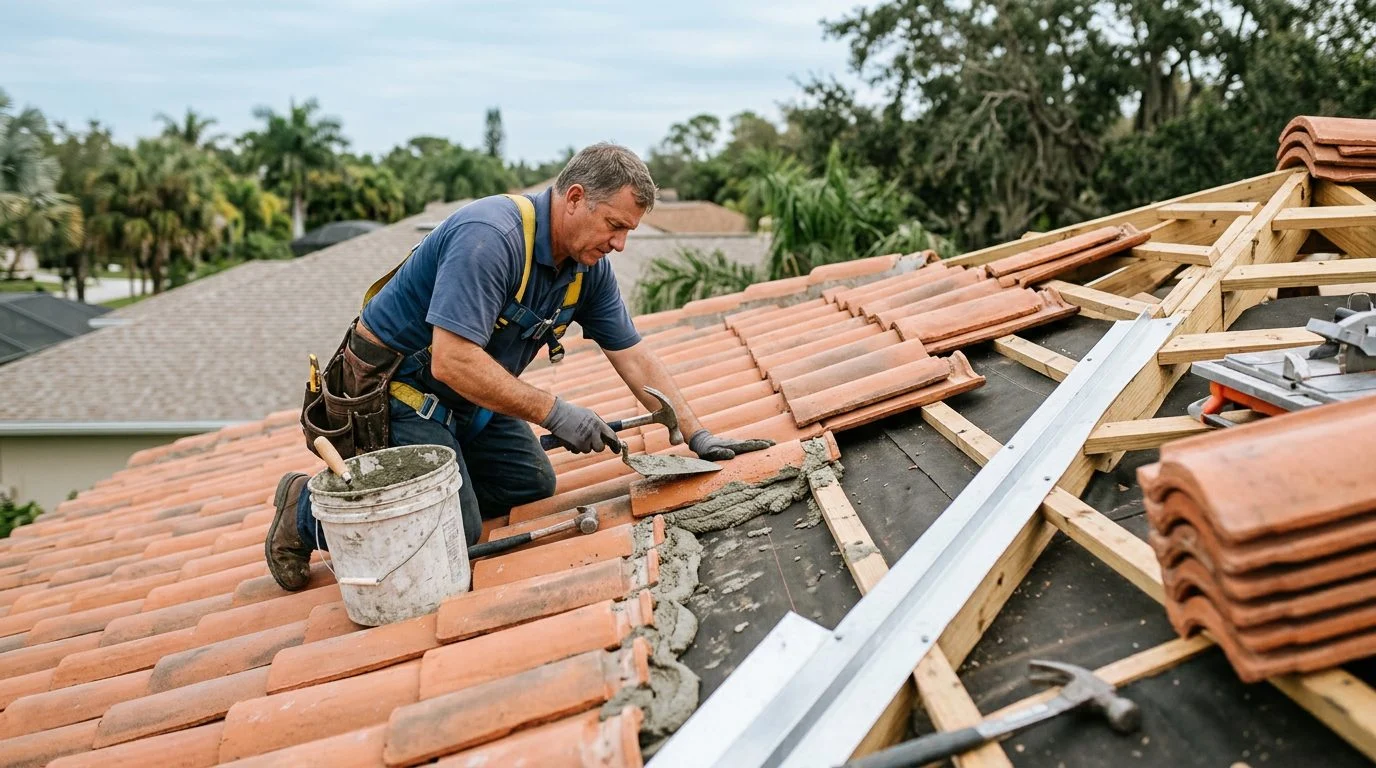
Tile roof installation in Collier County means a complete new tile roof system, built from the deck up through the tiles. The work includes a deck inspection, water barriers, tile fastening, flashing, ventilation, permits, and cleanup. This guide explains each part and how the project usually moves from start to finish.
What a Tile Roof Installation Is and Who It Fits
A tile roof installation puts a new tile roof on a home. It is not a repair to a tile roof that still works.
This work fits a few kinds of homeowners:
- Owners replacing an aging roof near the end of its service life.
- Owners building or remodeling who want tile on the new structure.
- Owners switching from another roofing material to tile.
Clay and concrete are the tile types most often used on Florida homes. The NRCA roofing materials guidance describes both for Florida roofs, including their durability. Concrete tile is made from cement and comes in many colors and profiles. Clay tile is fired earth and has a traditional look.
Both types are heavy. The same NRCA guidance says the structural load capacity of an existing roof must be verified before it is replaced with tile. Tile is one part of ASP Superhome’s roof replacement work.
If your tile roof is cracked, leaking, or near the end of its life, we'll walk through what your home needs and put the scope in writing. Talk it through with our team — the first consultation is free, confidential, and carries no obligation.

What the Installation Covers
A complete tile installation covers the deck, the water barriers, the tiles, the flashing, the ventilation, the permit, and the cleanup.
- Deck inspection. The crew checks the roof deck and removes old materials as needed.
- Secondary water barrier and underlayment. Florida law lists secondary water barriers for roofs as a windstorm loss-mitigation criterion. Under Fla. Stat. § 553.844, those criteria may not be limited to one method or material.
- Fastening. The Florida Building Code governs the materials and methods used, as described in Fla. Stat. § 553.73.
- Flashing. Metal flashing seals valleys, penetrations, walls, and transitions, where water tends to get in.
- Ventilation and ridge or hip work. These parts help the roof breathe and hold the tiles securely at the top.
- Permit, debris removal, and cleanup.
Ask which product approvals apply to any impact-rated product in your quote. Under Fla. Stat. § 553.8425, products or systems of construction must demonstrate compliance with the structural windload requirements of the Florida Building Code through one of the following methods, including a commission-approved certification, test report, product-evaluation report, or statewide product approval.
How the Process Works, Step by Step
The project moves from a free consultation to inspection, a written estimate, permits, installation, and a final walkthrough.
- Free first consultation. Your first conversation with ASP Superhome is free. It is confidential and carries no obligation to continue. Start here.
- On-site inspection. The roof, deck, and structure are checked.
- Written estimate. The estimate lists scope, materials, and included work, so you can see what’s covered.
- Permits and scheduling. Under Fla. Stat. § 553.79, unless otherwise provided by law, a permit from the appropriate enforcing agency is required before a building is repaired or altered. Permits and scheduling. Under Fla. Stat. § 489.126, a contractor who receives, as initial payment, more than 10 percent of the contract price for repair, restoration, improvement, or construction to residential real property must apply for permits within 30 days after the payment is made, unless no permit is required, the contractor has just cause for the delay, or the person who made the payment agreed in writing to a longer period.
- Installation. The crew works from tear-off through tile setting and flashing.
- Final inspection and walkthrough. Cleanup comes first, then a review of the finished roof with you.
Each agreement for restoration, improvement, or construction to residential real property must contain a written statement on the Florida Homeowners’ Construction Recovery Fund, except where the value of all labor and materials does not exceed $2,500, under Fla. Stat. § 489.1425. Fla. Stat. § 489.1425 reads: “(1) Each agreement or contract for repair, restoration, improvement, or construction to residential real property must contain a written statement explaining the consumer’s rights under the recovery fund, except where the value of all labor and materials does not exceed $2,500.”
The steps stay the same from job to job. The number of days does not, because roof size, permit timing, and weather all shift the schedule.
What Drives Scope, Materials, and Timing
Roof size, pitch, deck condition, and tile weight shape both the scope and the schedule.
- Size and complexity. More hips, valleys, and roof levels mean more cutting and flashing.
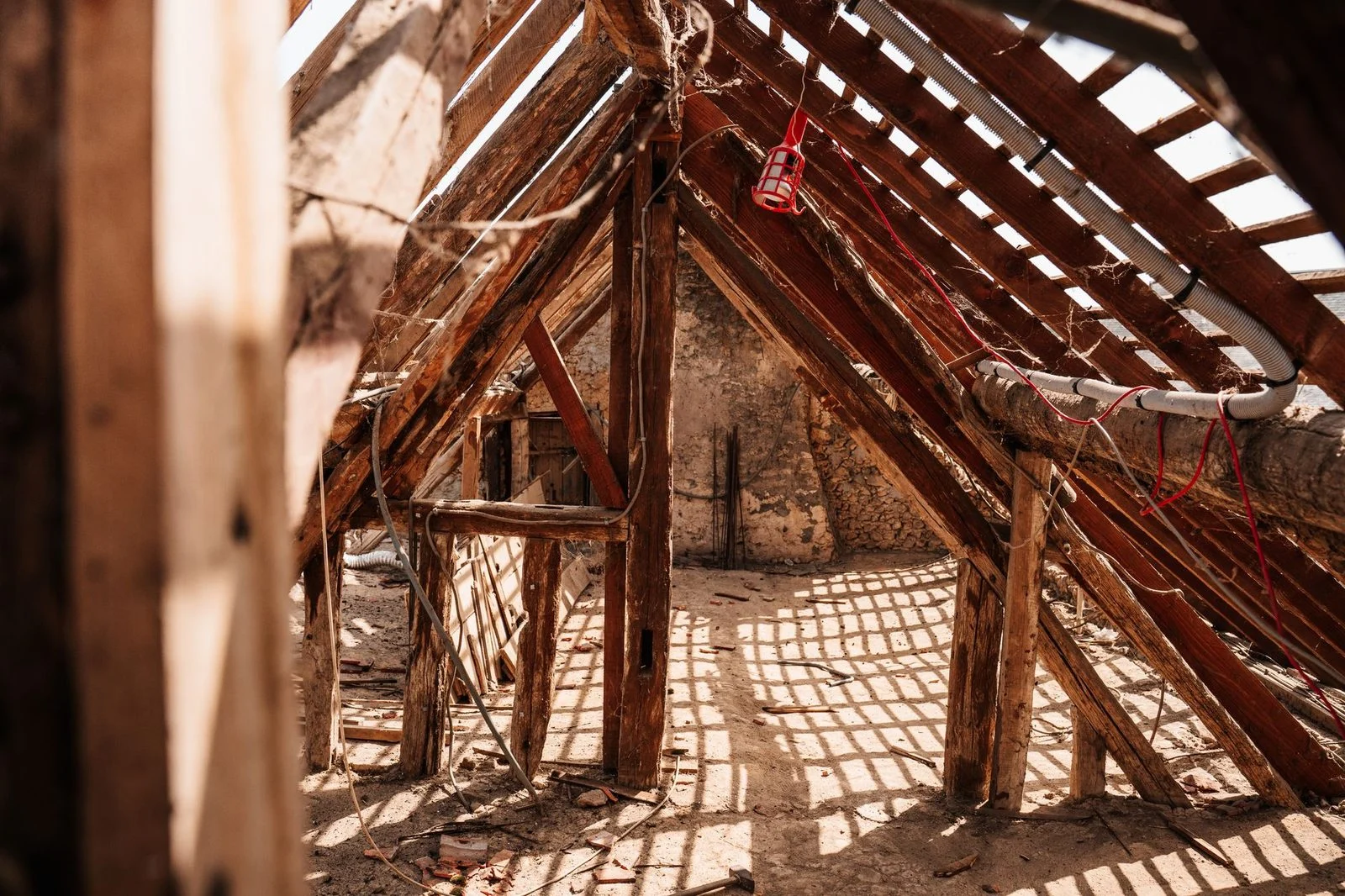
- Deck condition. Soft or damaged decking must be repaired before tile goes on.
- Tile weight. Heavier tile needs a structure that can carry it, verified before installation.
- Miami-Dade’s roofing permit guidance lists required forms, checklists, and e-permitting. Charlotte County’s residential roof permit guidance covers permit documents, inspection timing, and fees.
- Materials and weather. Material availability and rain can move the schedule.
A written estimate shows how these factors apply to your roof.
Why Homeowners Choose ASP Superhome
ASP Superhome offers complete home solutions for South Florida, so roofing, impact windows and doors, solar, and kitchen remodeling can be planned together.
- One team for related work. Roofing, impact windows and doors, solar panels, solar battery backup, and kitchen remodeling are all offered.
- Scope in writing. Estimates spell out what is included, so you can check the scope before you commit.
- Florida requirements built in. The scope reflects the Florida rules covered above, including permits and the secondary water barrier.
- Areas served. ASP Superhome serves Naples, Fort Myers, and other South and Southwest Florida markets.
Questions Homeowners Ask Before Installing a Tile Roof
Most questions come down to the deck, the underlayment, and the permit. Here are the common ones.
Is a tile roof suitable for Florida storms?
Florida law ties roof wind performance to fastening and secondary water barriers. Ask how your installation meets those rules.
Does a tile roof need underlayment and a secondary water barrier?
Yes. Both are part of a complete installation.
Do I need a permit?
Yes. Florida law requires a permit before a building is repaired or altered without one.
Do I need to bring the whole roof up to code after a partial repair?
If an existing roofing system or roof section built, repaired, or replaced under the 2007 Florida Building Code or any subsequent edition has 25 percent or more repaired, replaced, or recovered, only the repaired, replaced, or recovered portion must be constructed in accordance with the Florida Building Code in effect.
Will my wind mitigation documentation change?
Ask during your consultation how the new roof will be documented for your insurer.
Not sure what your next step is?
Talk it through with our team — the first consultation is free, confidential, and carries no obligation.
Talk to ASP Superhome About Your Collier County Roof
A tile roof that is cracked, leaking, or past its service life needs a clear scope before any work begins. If you’re also choosing between tile and another material, get the facts for your home first. Request a quote or book a free estimate, and the team will review your roof’s condition, the permit path, and what your Naples home needs.
What Our Tile Roof Installations Cover
Complete System Design
We look at the full roof assembly, including tile, underlayment, and secondary water barrier, so each layer works together.
Attention to Fastening
Wind performance depends heavily on how tiles and underlayment are fastened. We review those details for your specific home.
Permit Coordination
We help you understand what permits your project requires so the installation moves forward on a clear, documented path.
Coordinated Crews
Our team manages scheduling, materials, and job-site communication so you know what to expect at each stage.
Before You Sign Anything
Ask for a written scope that lists the tile type, underlayment, secondary water barrier, fastening method, and permit responsibilities. A clear scope makes it easier to compare your installation plan against your home's needs.
How Your Tile Roof Project Moves Forward
1. Free First Consultation
Share your home details and goals. The first consultation is free, confidential, and comes with no obligation to continue.
2. Roof Inspection and Plan
We inspect the existing roof structure and outline the tile, underlayment, and fastening approach that fits your home.
3. Permits and Materials
We coordinate permit steps and confirm materials so the installation is planned before crews arrive.
4. Installation and Final Review
Our team installs the tile roof system and walks you through the completed work and documentation.
Ready to Plan Your Tile Roof in Collier County?
Related practice areas
- Tile Roofing in South Florida: Costs, Styles & Installation Guide
- Tile Roof Installation Palm Beach County | ASP Superhome


