


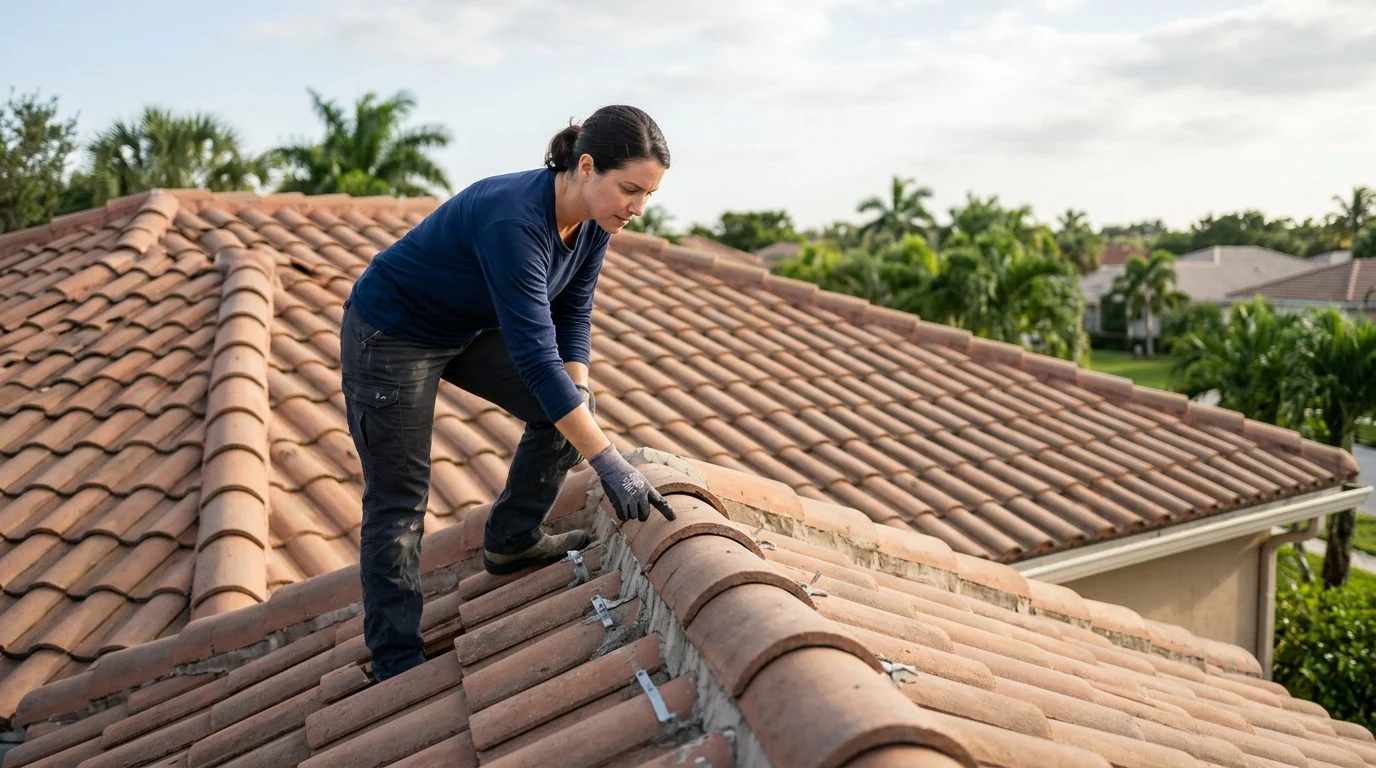
Tile Roofing · South Florida
Tile Roof Hurricane Clips: What South Florida Homeowners Should Know
Learn how hurricane clips work with tile roofs, how to check what your home already has, and when to get a professional look at your roof-to-wall connections.
By Jonathan Rodriguez · Published October 23, 2026
Clips and straps are part of how a tile roof resists strong wind, and checking whether your roof has them is worth your time. Tile fasteners hold each tile down. Hurricane clips and straps tie the roof frame to the walls. You need both connection points for the roof to hold up in high winds.
Do Tile Roofs Need Hurricane Clips and Straps?
Tile roofs in high-wind areas rely on connectors, and Florida’s rules shape how those connectors are installed. The Florida Building Code covers the design, construction, alteration, and repair of buildings. Clips and straps are not the same as tile fasteners. Tile fasteners secure each tile or row to the battens or deck. Clips and straps secure the rafters or trusses to the top plate of the exterior walls.
Tile roofing projects in South Florida typically involve product selection and installation details that our team reviews with you before work begins.
Homes in Miami, Fort Lauderdale, West Palm Beach, Kendall, Naples, Fort Myers, and Boca Raton all deal with hurricane-season winds. A roof can look sound from the ground and still have weak connections underneath. For more on tile options in the area, read our South Florida tile roofing guide.
How Does Wind Uplift Lift and Slide Tiles?
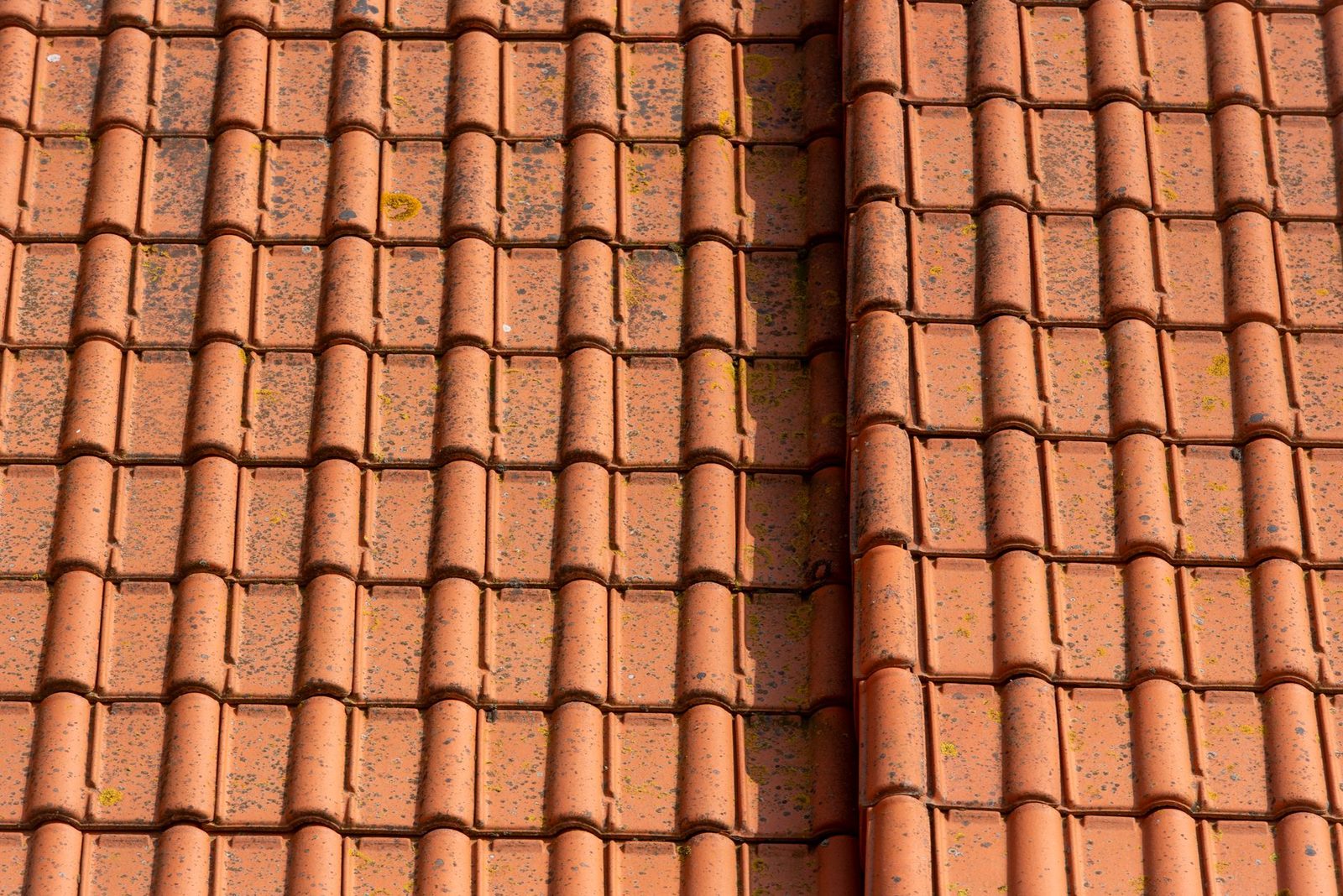
Wind uplift lifts tiles by pulling them up and away from the roof. Air moves fast over roof edges, ridges, and overhangs. That motion lowers pressure above the surface and pushes air under the tiles. The lift stresses the nails or screws that hold each tile and the underlayment beneath it.
Many homeowners assume heavy tiles can’t move. Weight helps, but it does not stop uplift on its own. A tile that loses its hold can rock, crack, or slide sideways. Once one tile moves, wind can get under its neighbors.
Sliding is common. Tiles often shift down or sideways before they fall. That movement can break the seal of nearby tiles and expose the underlayment to rain. A few shifted tiles along an edge or ridge often mean the fastening there needs a closer look.
The mistake people make most often is treating a tile roof as one solid layer. The tiles, battens, underlayment, and frame work as a system. A weak link at any point affects the rest of the roof.
What Is the Difference Between Tile Fasteners and Roof-to-Wall Straps?
Tile fasteners hold the tiles down. Roof-to-wall straps and clips hold the roof frame to the house. Think of tiles as the shingles and the straps as the anchors. The tiles keep water out and take the first hit from wind. The connectors keep the whole frame attached so a strong gust can’t lift the roof off the walls.
Roof-to-wall connectors are usually galvanized metal pieces. They sit across the joint where a rafter or truss meets the top plate of the wall. Clips and ties are the common names. Product names vary by manufacturer.
A roof can be well fastened at the tile level and still lift if the frame isn’t tied to the walls. That is why both connection points count. Florida law also sets priorities for where connections matter most. Priority goes to connecting roof corners to walls below the places where the roof spans are greatest. For existing buildings that are not otherwise required to comply with the Florida Building Code for new construction, the Legislature intends lower-cost retrofit methods so that the cost of such improvements does not exceed approximately 15 percent of the cost of reroofing, as stated in Fla. Stat. § 553.844.
What Do Code-Compliant Tile Roofs Typically Use?
Code-compliant tile roofs use tested tile systems and connectors that match an approved design for the house. Florida law requires roofing products to be approved through a statewide method. It also bars anyone from marketing a product as hurricane or windstorm protection unless it is approved, as stated in Fla. Stat. § 553.842.
Miami-Dade County Product Control shows how this works for tile. Its Plantation concrete tile approval says the system was tested under TAS 112 and approved for specified Florida Building Code and High-Velocity Hurricane Zone uses.
Common connectors are galvanized hurricane ties and clips at each rafter or truss-to-wall joint. The exact product comes from the approved design for the project. Wind pressure is highest at edges, corners, and ridges, so those spots often get the most attention during installation. Original plans and permit records help you confirm what was approved when your roof was built or reroofed.
How Can You Check Whether Your Roof Has Hurricane Clips?
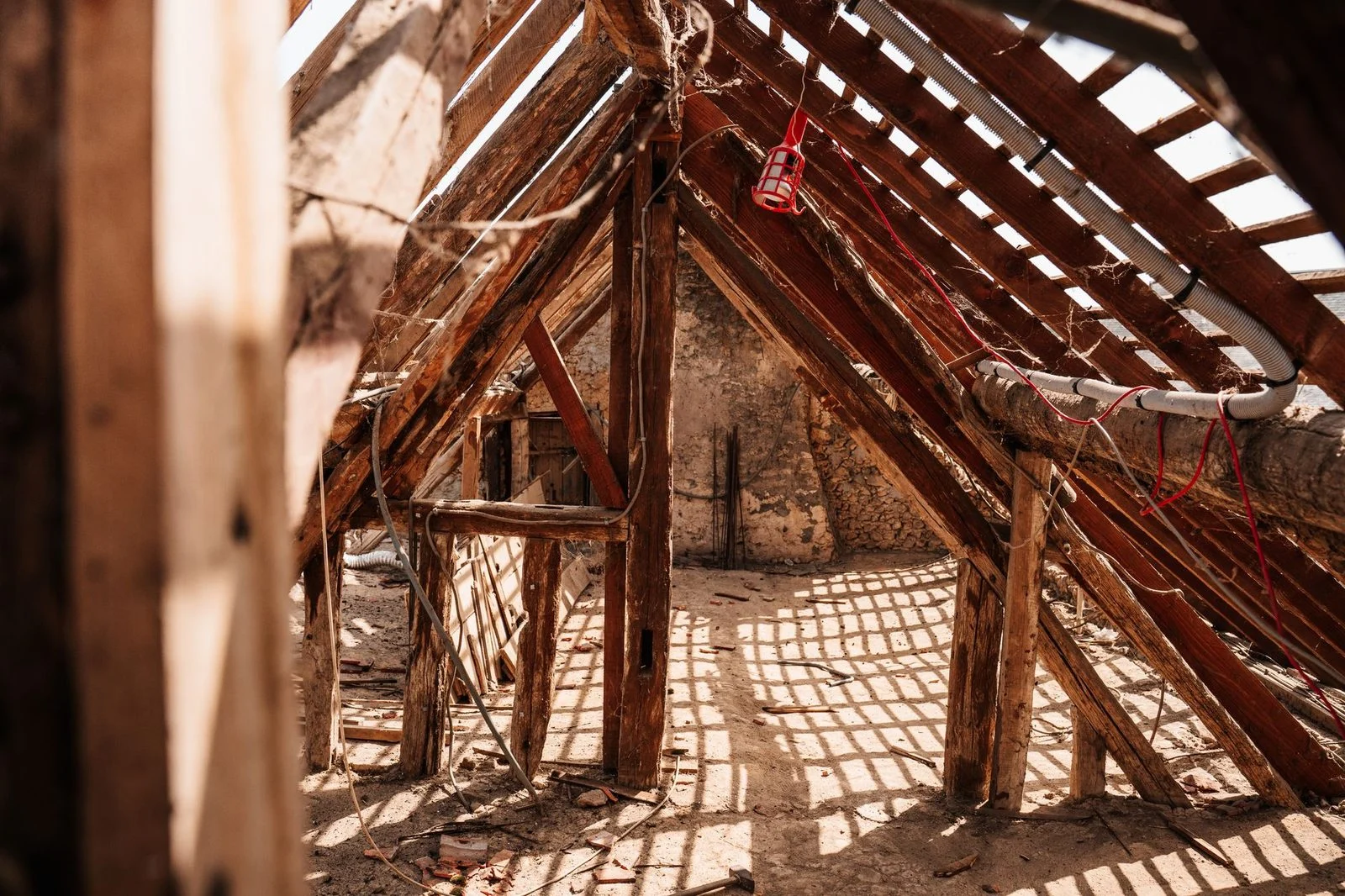
Start in the attic. Look at each joint where a rafter or truss meets the top plate of an exterior wall. Step only on the framing, never on the ceiling drywall.
Signs of clips or straps include galvanized metal bent over the joint and fastened with several nails or screws into both pieces. Signs of a weak or missing connection include bare nails only, rust, pulled nails, a gap where the rafter sits off the wall plate, or metal on only some rafters.
Check the tile side too. Cracked, loose, or shifted tiles along edges and ridges can point to fastening problems.
Your attic check has limits. It shows some connections but not all of them. Insulation, ducts, and tight framing can hide others. Count what you can see, note any gaps, and treat the look as a starting point, not a final answer.
Can You Add Hurricane Straps to an Existing Tile Roof?
Sometimes. The work depends on the framing, the wall construction, and how the roof was built. Florida law gives specific limits for existing buildings.
The law also covers partial work.
A typical retrofit follows a clear order. The installer inspects the roof-to-wall connections, identifies the correct connector, and verifies the framing can carry it. Then the connector is installed to the approved requirements. An undersized or damaged rafter can limit what a connector can do, so the framing is checked first.
Are Hurricane Clips Worth It for a Tile Roof?
Clips and straps are worth checking because they strengthen the connection between the roof and the house. They work alongside good tile fastening. They do not replace it. A tile roof hurricane clips upgrade is most useful when the existing connections are sound and documented.
Insurance can also matter.
No connector makes a roof storm-proof. No connector can promise a specific result in a storm. The value comes from a roof that is well fastened, well connected, and documented.
Are hurricane clips worth it on a tile roof?
They add to the roof-to-wall connection and work with good tile fastening. They help most when the existing connections are sound and documented.
How do I know if I have hurricane clips?
Check the attic joints where rafters or trusses meet the top plate. Look for galvanized metal bent over each joint and fastened into both pieces.
Can hurricane straps be added to an existing roof?
Sometimes.
Next Step: Schedule a Roof Inspection for Your Tile Roof
A roof inspection checks tile condition, fastening at edges and ridges, and the roof-to-wall connections you can see from the attic. It gives you a clear picture before storm season or before a reroof.
Maybe your tiles shifted after a windy day. Maybe you can’t tell what connects your roof to the walls. Maybe a reroof is coming in Boca Raton or West Palm Beach and you want the connections reviewed with it. Those are good reasons to get a closer look.
ASP Superhome offers a free first consultation, which is confidential and carries no obligation to continue. Contact ASP Superhome to book your roof inspection, and our team will walk you through what we find.
Why Homeowners Start with ASP Superhome
Complete Home Solutions
Roofing, impact windows, impact doors, solar and kitchen remodeling are all handled by one company.
Tile and Metal Roofing
Tile roofing, metal roofing, roof repair and full roof replacement are core services.
Free First Consultation
Your first consultation is free, confidential and comes with no obligation to continue.
Serving South Florida
We work with homeowners in Miami, Fort Lauderdale, West Palm Beach, Kendall, Naples, Fort Myers and Boca Raton.
A Team That Explains Your Options
Our team will walk you through what your roof connections need and what each option involves.
Don't Assume Your Roof Has Clips
Many homes were built without hurricane clips, and some have clips that are incomplete or deteriorated. Check before you assume, and have the roof-to-wall connections reviewed before you plan any upgrade.
What to Check Before You Call
Look in the Attic
Find the joints where rafters or trusses meet the top wall plate. Note whether you see bent galvanized metal over each joint.
Check the Fasteners
Look at how the metal is attached. Rust, loose nails or missing fasteners are worth noting and sharing with your roofing contractor.
Note Your Roof Details
Record your tile type, roof age and any past repairs or replacements. This background helps when reviewing your roof.
Take Photos
Photograph the connections and any visible damage. Clear photos make your first consultation more productive.


