


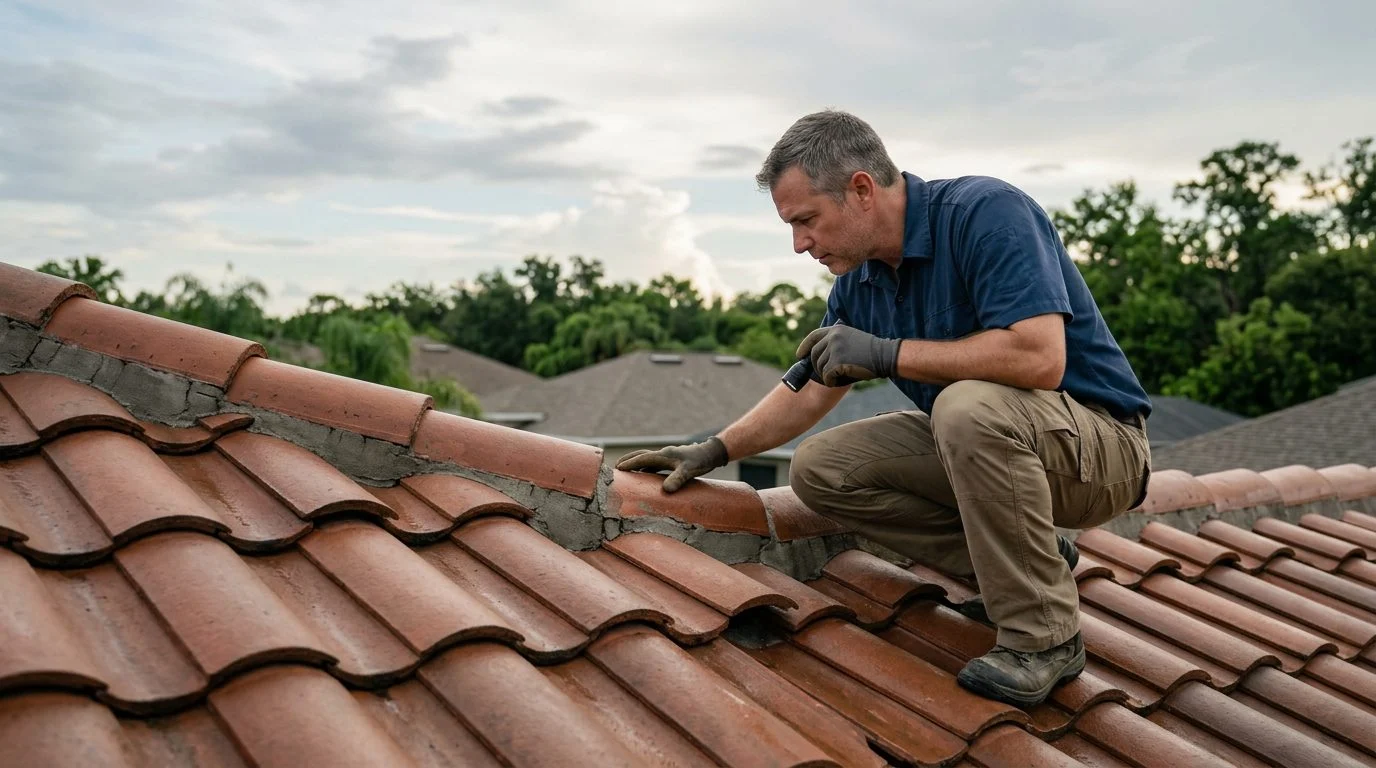
Tile roofing · South Florida
Do Tile Roofs Need Drip Edge in Florida?
Here is what drip edge does, when it matters for tile roofs, and how to plan it with ASP Superhome. Start with a free, confidential first consultation with no obligation to continue.
By Jonathan Rodriguez · Published November 1, 2026
Do Tile Roofs Need Drip Edge in Florida?
The Florida Building Commission’s analysis of 2026 residential changes describes the new section as R905.3.8.1.
This question often comes up when a roofer, a neighbor, or an online post says edge metal isn’t needed. The answer matters because the edge is where a tile roof is most exposed to water. This page explains what drip edge does, what it prevents, what the Florida code says, and how to tell when the edge is failing.
If an eave is staining your fascia or the edge metal lifted after a storm, our team can talk through your tile roof options in a free first consultation, which is confidential and carries no obligation to continue. Talk it through with our team — the first consultation is free, confidential, and carries no obligation.
What Drip Edge Does on a Tile Roof
Drip edge is a thin metal strip at the roof perimeter. It directs water away from the fascia board and into the gutter.
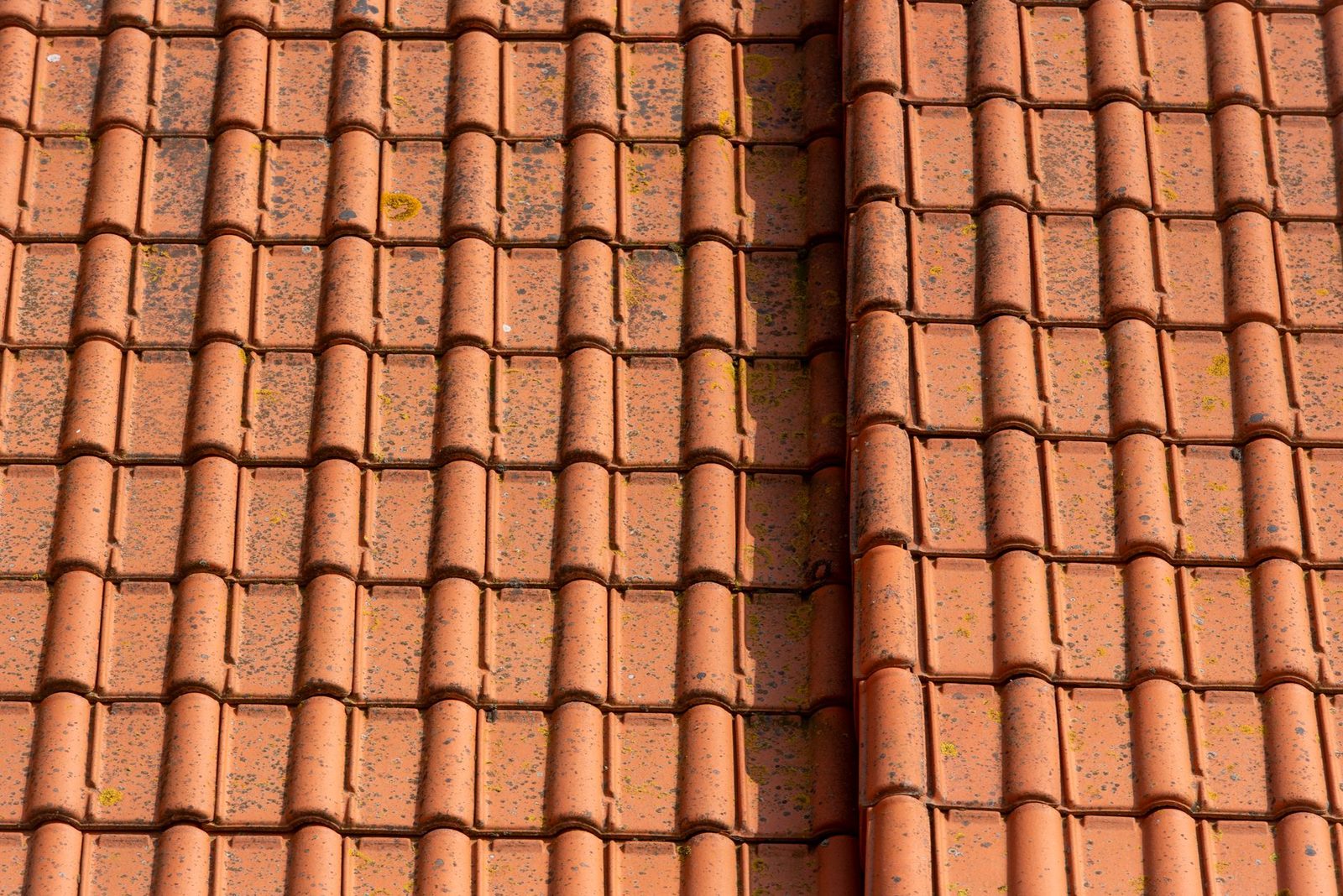
Tile sheds most rain on its own. The surface is curved and overlapping, so water runs down and off. The edge is different. Underneath the tiles, the underlayment and roof deck run right up to the eave, and water that reaches them can soak in.
Drip edge gives that roof edge a clear stopping point. Water drops off the metal and falls into the gutter instead of creeping back under the roof covering. It is a simple part, but it does a specific job at the one spot where tile alone is not enough.
What Drip Edge Prevents
Drip edge helps prevent four common problems at the roof edge.
First, water can wick back under the edge and soak the roof deck and fascia. Over time, wet wood can rot. Second, wind-driven rain can push water past the tile edge and into the underlayment. South Florida storms make this more likely. Third, an open or poorly finished eave can let pests and debris in. Fourth, when water runs down the same edge again and again, the fascia and the gutter connection wear faster.
None of these problems is certain on every roof. But each one is easier to stop with a metal edge that is in place and properly fastened than with an edge that is missing or damaged.
Florida Building Code and Wind Exposure
Florida’s code treats the roof edge as part of the wind-resistance system. The Florida Building Commission’s analysis of 2026 building changes lists the companion section, 1507.3.9.1.
That means installation method matters as much as presence. A metal strip that is loose, bent, or fastened the wrong way does not do its job in a storm. The same is true for the rest of the roof. The 2026 edition also clarifies that roofs must comply with all of Section 1504, which covers wind resistance of roofs.
State law also looks at roof work for wind protection. Florida Statutes section 553.844 says a roof replacement for certain single-family homes must include specific wind-mitigation techniques, including secondary water barriers.
Where Drip Edge Goes and How It Works With Underlayment
Drip edge runs along the eave and the rake, the sloped edge at the gable. Mistakes at these edges are a common cause of leaks.
The code sets one clear overlap rule for underlayment. The Florida Building Commission’s analysis of 2026 residential changes says underlayment must lap over hips and ridges a minimum of 6 inches, except where ventilation openings are provided.
Drip edge also has to meet the gutter cleanly. Where a gutter apron is used, it works with the drip edge to carry water into the gutter. Flashing rules now cover all roof types and shapes, so this detail applies to hip roofs and other layouts too.
Plan the tile overhang and the edge metal together. A repair or replacement is the time to check both. The 2026 code also allows the upper roof covering to be removed during recovering when the existing or repaired substrate is adequate for the new covering.
Signs Your Tile Roof Edge Needs Attention
The most common signs show up at the eave first. Look for water stains or peeling paint on the fascia board below the roof edge.
Check the metal itself. Rust, lifted or bent edge metal, and gaps where it meets the gutter all point to a problem. Look from the ground with binoculars, or contact our team for a free, confidential first consultation with no obligation to continue.
Inside, watch for soft or dark spots on the eave underside, or dampness in the attic near the outside walls. Tiles that shift or slip at the edge can also let water in. Leaks at valleys are a separate issue that often shows up in the same area.
If you see any of these signs, don’t wait for the stain to spread. Early repair is usually simpler than repairing rot in the fascia or deck.
Not sure what your next step is?
Talk it through with our team — the first consultation is free, confidential, and carries no obligation.
Related Questions About Tile Roofs in Florida
Short answers to common follow-up questions are below.
Do tile roofs need drip edge in Florida?
Yes, for tile roofs with slopes of 2:12 or greater, under the 2026 Florida Building Code.
Is concrete tile better than shingles in Florida?
Concrete tile is heavy and durable. A Miami-Dade County product approval shows one concrete tile system tested under TAS 112 for High-Velocity Hurricane Zone use. Shingles are a different system with different strengths, so compare them by the specific product and installation.
Do insurers look at the roof edge?
Insurers may ask about the roof. Citizens Property Insurance Corporation asks for roof documentation on older roofs, including remaining useful life and proof of replacement when less than five years remain.
Talk With Our Team About Your Roof Edge
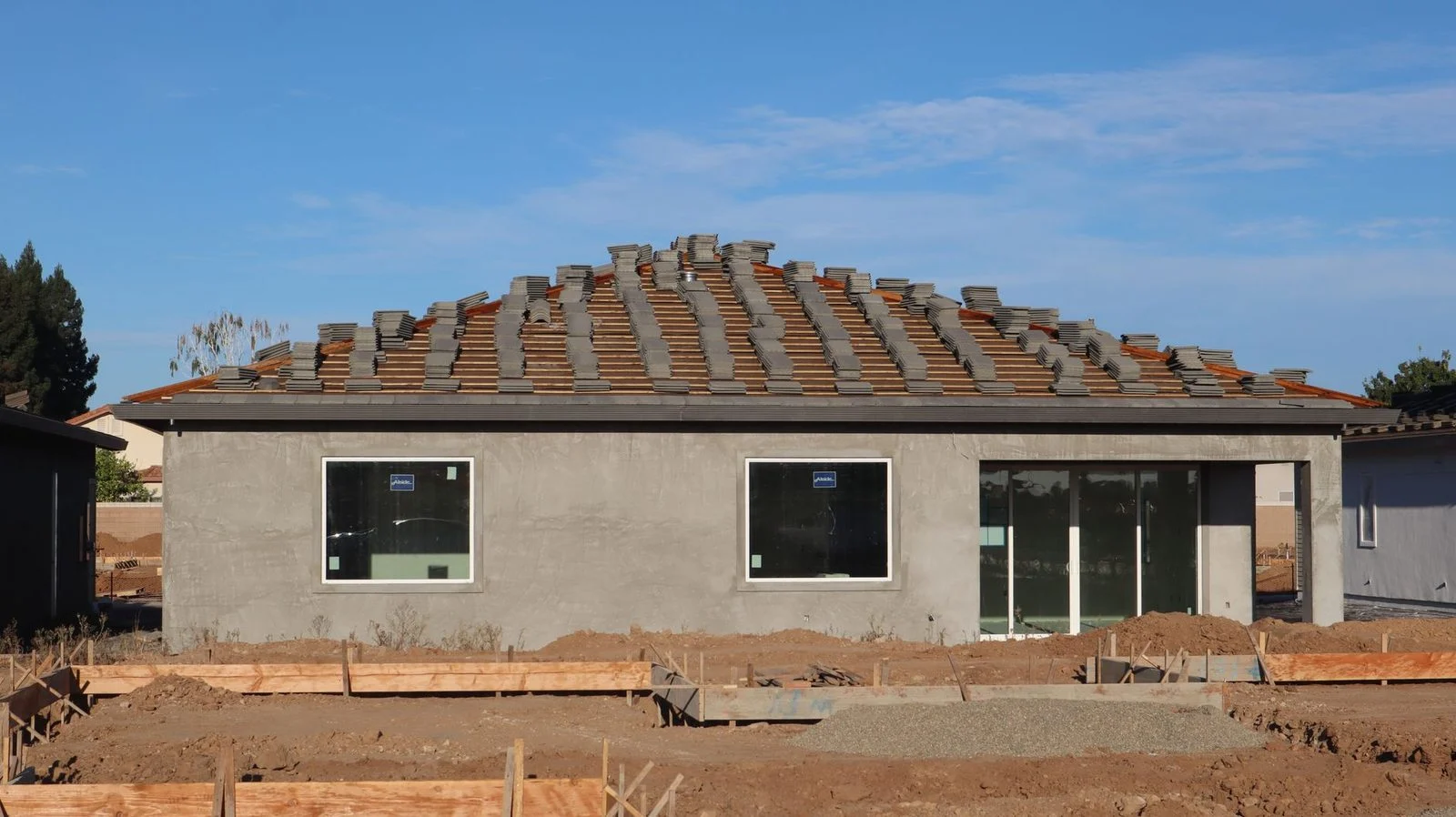
If your eave is staining the fascia, your edge metal has lifted after a storm, or your tile roof is due for repair or replacement, we can look at it with you. ASP Superhome serves Miami and South Florida, and our team handles tile roofing, metal roofing, roof repair, and roof replacement.
Start with a free first consultation, which is confidential and carries no obligation to continue. Contact ASP Superhome to set it up.
What drip edge does for a tile roof
Protects the roof edge
Drip edge guides water away from the fascia and roof deck so it drains into the gutter instead of seeping behind it.
Works with the underlayment
Properly installed drip edge helps tie the underlayment and edge flashing together, which matters in wind-driven South Florida rain.
Planned during replacement
The best time to address drip edge is during tile roofing or roof replacement, when the edge details are fully exposed.
Depends on your roof
Slope, underlayment, and the age of the existing edge all shape what your roof needs. A site review gives a clearer answer than a general rule.
Don't guess at your roof edge
Edge flashing that looks fine from the ground can hide gaps or corrosion. If you are planning a tile roof or noticing staining along the eaves, have the edge inspected before water finds its own way in.
Related roofing services
Tile roofing
Concrete and clay tile systems designed for South Florida's heat, sun, and storm conditions, with edge details planned from the start.
Roof replacement
Full replacement with a complete review of the deck, underlayment, flashing, and drip edge, so the new roof is built to last.
Roof repair
Targeted repairs for leaks, damaged tiles, and worn edge flashing, with a clear explanation of what needs attention now.
Get a clear answer for your tile roof. Start with a free, confidential consultation with no obligation to continue.
Related practice areas
- Tile Roofing in South Florida: Costs, Styles & Installation Guide
- Tile Roofing in Miami
- What to Do After a Hurricane Cracks Roof Tiles


