


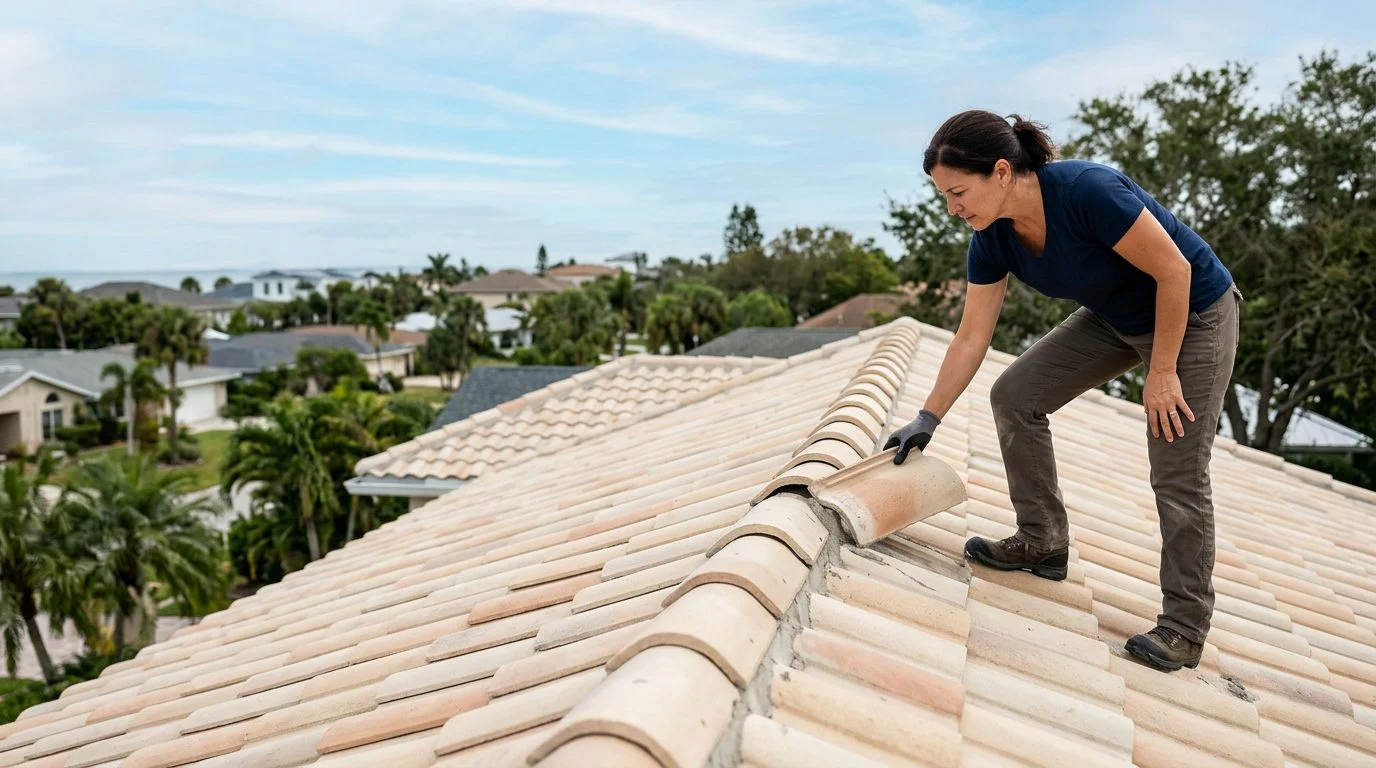
Tile Roofing | South Florida
Can a Light-Colored Tile Roof Lower Your Cooling Costs in Florida?
Roof color matters in the Florida sun, but it works alongside insulation, ventilation, and your windows and doors. Start with a free, confidential first consultation with no obligation to continue.
By Jonathan Rodriguez · Published November 1, 2026
Do Light Colored Tile Roofs Lower Cooling Costs in Florida?
Yes, lighter tile can lower cooling costs, but the savings vary from home to home. Light colored tile reflects more of the sun’s energy than dark tile does. Less heat moves into the roof and attic, so the air conditioner may not have to work as hard.
Color is only one part of the picture. Attic insulation, attic ventilation, and heat that already enters through walls, windows, and doors all shape your bill. A light roof over a poorly insulated attic can still leave the house hot. A well-insulated, well-ventilated home handles heat differently.
If you’re comparing tile colors for a new roof, light colored tile roof cooling costs in Florida are worth understanding first. This page explains the heat mechanism in plain terms. It compares light and dark tile for South Florida summers, covers the other factors that affect cooling, and shows how current Florida building rules apply to tile projects.
If you're choosing between light and dark tile for a repair or replacement, our team can walk through your options and your home's cooling needs with you. Talk it through with our team — the first consultation is free, confidential, and carries no obligation.
How Roof Color Changes Heat Gain on a South Florida Home
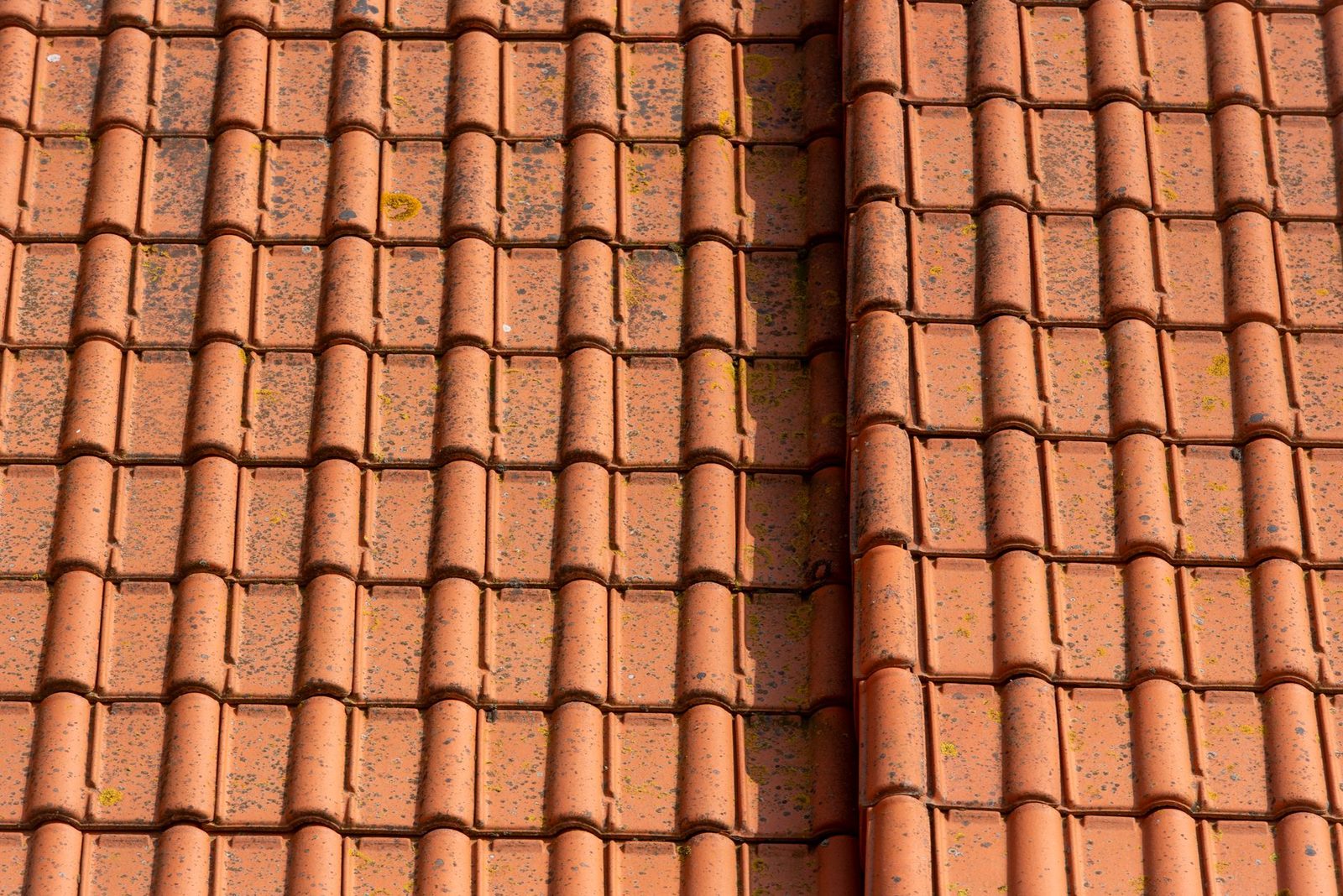
Roof color changes heat gain because it controls how much sunlight the surface takes in. Two terms explain why. Solar reflectance is the share of sunlight a surface bounces back. Solar absorptance is the share it takes in as heat.
A surface with high reflectance and low absorptance stays cooler. Less of the sun’s energy turns into heat inside the roofing material.
The U.S. EPA cool roof guidance explains that reflective, light- or cool-colored metal roofing can reduce solar heat transfer, indoor temperatures, and air-conditioning energy use, including in warm climates. The same heat-transfer principle is why color matters on tile roofs too. The size of the effect still depends on the product and the house.
Heat then travels down. A hotter roof deck warms the attic air above your living space. That hot attic air also warms the ductwork and air handler. The cooling system then pushes air through warmer ducts and works harder to keep rooms comfortable.
Light vs. Dark Tile Roofs in South Florida
Light tile generally gains less heat than dark tile. Whites, creams, light sands, and soft grays reflect more sunlight. Darker blues, browns, and deep reds absorb more and run hotter at the surface.
South Florida summers bring long, strong sun. Roof surfaces take the most exposure during the hours when cooling demand peaks. A surface that reflects more sunlight during those hours gives the attic less heat to carry.
Tile also has mass, and airflow beneath the tiles affects how heat moves into the structure. Those factors slow or speed heat transfer. Color is one factor inside the whole roof system, not the only one.
The NRCA roofing materials guidance notes that clay and concrete tile are durable and used in Florida. For most South Florida homes, a light or neutral tone is a practical starting point. Compare products by their reflectance ratings, not by color names alone.
Which Roof Color Absorbs the Most Heat?
Darker roof colors, including black and deep shades, absorb more solar energy than lighter colors. That absorbed energy shows up as higher surface temperature. This is why roofing products are compared by reflectance and absorptance.
The absorptance difference drives the heat gain difference. Two roofs of the same size and tile style can heat up very differently. The darker roof usually sends more heat toward the attic.
A dark roof is not a failure. A dark roof over a well-insulated, well-ventilated attic can still perform reasonably. Color is a lever you control, not a guarantee of a lower bill.
What Else Affects Your Cooling Costs
Attic insulation matters as much as color in many homes. Insulation slows heat moving from the roof deck into living space. Good insulation multiplies the benefit of a lighter roof, because less heat gets through the ceiling to begin with.
Ventilation carries hot air out of the attic. The analysis of changes for the residential edition states that a section has been added requiring inlet and outlet vents to ventilate the roof space and enclosed rafter assemblies, in accordance with Sections R806.1 through R806.4. The analysis of changes notes that, for unvented assemblies, the required area of the vapor diffusion port has been changed to greater than or equal to 1/150 of the ceiling area.
Windows and doors add heat too. Heat entering through glass and openings adds to the cooling load. Impact windows and impact doors are part of that building envelope. Florida law limits how impact protection can be advertised. Florida law says a product may not be advertised, sold, offered, provided, distributed, or marketed as hurricane, windstorm, or impact protection from wind-borne debris unless it is approved pursuant to Fla. Stat. § 553.842 or s. 553.8425, and anyone who does so without approval is subject to the Florida Deceptive and Unfair Trade Practices Act.
Solar panels cover part of the roof, which changes how sunlight hits the surface. Plan panel layout with the roof in mind. Solar battery backup is a separate decision. It affects how you store and use power, not how much heat the roof takes in.
Tile Roofing Options for South Florida Homes
Tile roofing is a durable, common choice for South Florida homes. Color affects heat gain, but tile replacement also involves structure, underlayment, and code rules. The Tile Roofing Industry Alliance installation guides cover proper tile installation practices and high-wind requirements in Florida.
Replacement planning starts with the structure. The NRCA guidance states that a building’s structural load capacity should be verified when replacing another roof covering with tile. Two current code points also matter. The 2026 code adds a drip edge rule for tile on roof slopes 2:12 and greater. It also requires underlayment to lap over hips and ridges a minimum of 6 inches, except where ventilation openings are provided.
Partial work can trigger code requirements too.
Metal and tile each perform differently in heat. Color, finish, and airflow matter for both. For a wider look at tile options and replacement planning, see our tile roofing guide for South Florida.
Not sure what your next step is?
Talk it through with our team — the first consultation is free, confidential, and carries no obligation.
Frequently Asked Questions
Here are short answers to the questions homeowners ask most about light colored tile roof cooling costs.
Does a lighter color roof keep your house cooler?
Lighter roofs reflect more sunlight, which usually means less heat moves into the attic and home. Results still vary with insulation, ventilation, and how much heat enters through walls and windows.
Which color roof absorbs the most heat?
Darker colors, including black and deep shades, absorb more solar energy than lighter colors. That absorbed energy raises the roof surface temperature.
How much does tile roof replacement cost on a 2,000 square foot house?
Cost depends on roof size, pitch, tile type, and the scope of work. Our team can talk through those details for your specific home.
Does roof color affect attic temperature in Florida?
Yes, lighter reflective surfaces generally run cooler, which can lower attic temperatures. Insulation and ventilation affect how much of that difference you feel in the attic.
Talk Through Your Roof Color Options With Our Team
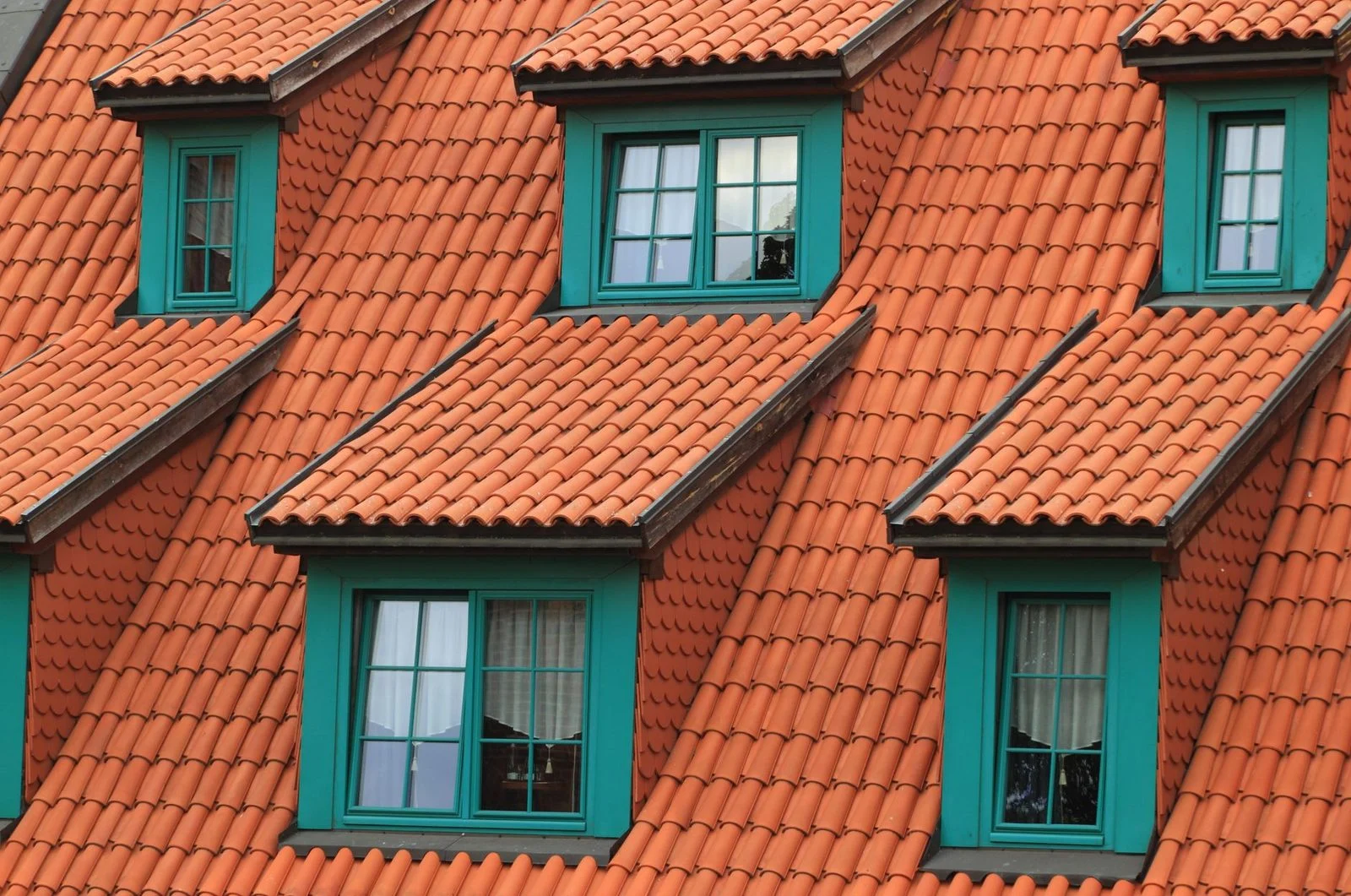
If you’re weighing a light tile against a dark one for a replacement or repair, our team can help you compare them for your home. Maybe you’re in Miami, Fort Lauderdale, or Naples, and you want to know whether a lighter color will change your summer cooling bills.
To book a free estimate or request a quote, contact ASP Superhome. Your first consultation is free, confidential, and carries no obligation to continue.
What Else Shapes Your Cooling Costs
Attic Insulation
Insulation slows the heat that reaches your living space. A well-insulated attic can make a noticeable difference, whatever the color of your roof.
Attic Ventilation
Good airflow lets trapped hot air escape from the attic. Ventilation and roof color work together, so one should not be judged without the other.
Windows and Doors
Sunlight and heat also enter through glass and doorways. Impact windows and impact doors can be part of a complete plan for managing heat gain.
Roof Condition
Cracked, damaged, or aging tiles can let in heat and moisture. A roof inspection helps you understand whether repair or replacement makes sense.
Color Is One Factor, Not the Whole Picture
A light-colored tile roof can reflect more sunlight, but it will not fix an under-insulated attic, poor ventilation, or heat entering through windows. Looking at the whole home gives you the clearest answer.
How ASP Superhome Can Help
Roofing Options
We handle tile roofing, metal roofing, roof repair, and full roof replacement for South Florida homes.
Whole-Home Thinking
We look at your roof alongside impact windows, impact doors, and solar options to help you plan for comfort.
Confidential First Consultation
Your first consultation is free, confidential, and comes with no obligation to continue.
Serving South Florida
We work with homeowners in Miami, Fort Lauderdale, West Palm Beach, Kendall, Boca Raton, Naples, and Fort Myers.


