


Tile Roofing | Miami-Dade County
Understanding Miami-Dade NOA Roof Tile Approval
What a Notice of Acceptance covers, what it doesn't, and how it fits into a South Florida tile roof project.
By Jonathan Rodriguez · Published October 21, 2026
A Miami-Dade NOA roof tile approval is a county approval for one roofing product, tested and listed as submitted. The number on your quote shows which product was approved. It does not prove your roof was installed correctly. This guide explains how to read the number and what it leaves open. It is written for homeowners reviewing tile roofing quotes in Miami, Fort Lauderdale, West Palm Beach, Kendall, Naples, Fort Myers, and Boca Raton.
What a Miami-Dade NOA Is
A Miami-Dade Notice of Acceptance (NOA) is a product approval issued by the county’s Product Control Section. It approves specific roofing assemblies for use under the Florida Building Code, including its High Velocity Hurricane Zone (HVHZ) provisions. Each NOA lists an expiration date. The approval holds only through that date, as this Miami-Dade product control NOA shows.
The NOA covers the product as submitted and tested. It does not cover roofing work in general. Two tiles that look alike can carry different approvals.
Florida law explains why the number appears on quotes.
If your tile roofing quote lists an NOA number you can't match to the tile being installed, send it to us and we'll review the approval with you. Talk it through with our team — the first consultation is free, confidential, and carries no obligation.
What the NOA Tests For
The NOA tests whether a specific roofing product meets the county’s code criteria for the uses it lists. For tile, the review covers the whole assembly, not only the clay or concrete piece. One example is a flat-profile, interlocking Plantation concrete tile system. It was tested under the TAS 112 testing standard and approved for specified Florida Building Code and HVHZ applications, as its Plantation concrete tile NOA lists.
The approval is tied to the tested design. Under Fla. Stat. § 553.8425, a local building official who finds a product compliant deems it approved “in accordance with its approval and limitation of use.” The listed limits matter as much as the passing result.
A passing NOA means the product met the stated criteria. It does not mean every tile on your roof matches the tested sample. Compare the listed uses against your roof’s conditions.
Tile Type, Profile, and Why the Profile Matters
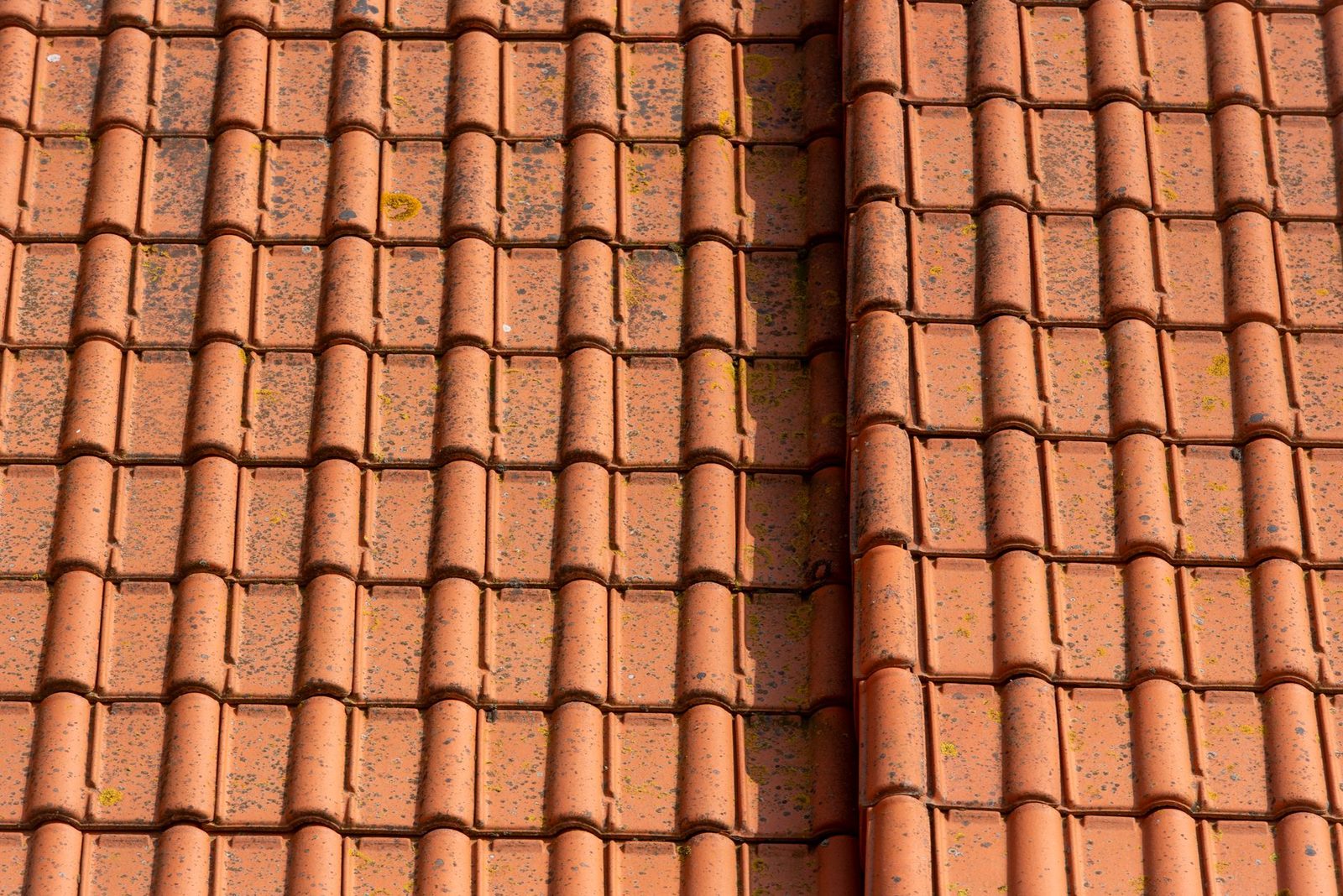
The profile is the tile’s shape, and the approval names the profile that was tested. Concrete roof tile is a recognized tile type. Profiles within that type can differ in shape, such as flat, high, or barrel.
Profile names appear in approval documents. The quote should use the same name as the NOA. If the quote lists a different profile, ask the installer to resolve the difference before work starts. A general phrase like “county approved tile” does not replace the NOA number and profile.
Shape also crosses material lines. Florida-approved metal roofing panels can be made in a barrel-tile profile. One such product was evaluated for the Florida Building Code, including HVHZ provisions, in this metal barrel-tile NOA. A metal quote and a tile quote can both show a barrel look, but each needs its own approval.
How the NOA Fits Florida Product Approval and the Building Code
The NOA sits inside Florida’s statewide building code and does not replace a permit. The Florida Building Code contains or incorporates the laws and rules for designing, building, repairing, and demolishing buildings, under Fla. Stat. § 553.73. Florida projects follow that code.
The state also runs a product evaluation and approval system. Under § 553.842, the system must provide an easily accessible product acceptance list for entities subject to the code.
Permitting is a separate step. Florida law generally makes it unlawful to repair or alter a building without first getting a permit, under § 553.79. Product approval and permitting both apply on the same job.
Reading the Approval Number on a Quote
Match four details on the quote to the approval: the NOA number, the manufacturer, the profile, and the expiration date. Work through them in order.
Under Fla. Stat. § 553.8425(7), approval shall be valid until such time as the product changes and decreases in performance; the standards of the code change, requiring increased performance; or the approval is otherwise suspended or revoked. An approval also stays valid until the product changes and loses performance, the code requires more performance, or the approval is suspended or revoked. If the date has passed, ask for a current approval before ordering tile.
Step 2: Check the manufacturer and product series. A similar-looking tile from another maker may carry a different number.
Step 3: Check the profile. The quote and the approval should name the same profile.
Step 4: Check the county and state records. The county’s product approval notices page describes how roofing products are approved and submitted. Under Fla. Admin. Code R. 61G20-3.013, the state must clearly post the status of product approvals, denials, and suspensions on its website.
What an NOA Does Not Prove
An NOA certifies the product, not the installation on your particular roof. It does not show how the tile was fastened, underlaid, or flashed. Those items need separate confirmation on the job.
Two more points matter. First, partial replacements can trigger code rules. Whether a partial roof repair or replacement requires bringing the rest of the roof up to current code can depend on when the existing roofing system was built, repaired, or replaced and which code edition it met, so our team can review your roof’s history with you before work begins.
Second, weight is a structural question. The National Roofing Contractors Association says clay and concrete tile is durable and used in Florida. It also says structural load capacity must be verified when tile replaces another roof covering. An NOA does not answer that structural question.
Not sure what your next step is?
Talk it through with our team — the first consultation is free, confidential, and carries no obligation.
Send Us Your Quote for a Review
If your tile roofing quote lists an NOA number you can’t match to the tile being installed, resolve it before anything is ordered. Our first consultation is free, confidential, and comes with no obligation to continue (consulta inicial gratuita, confidencial y sin compromiso). Our tile roofing work covers Miami, Fort Lauderdale, West Palm Beach, Kendall, Naples, Fort Myers, and Boca Raton.
Does an NOA mean my roof was installed correctly?
No. An NOA shows the product was approved, not how your roof was built.
Can a tile NOA expire?
Yes. Each NOA lists an expiration date, and it is valid only through that date.
Do I need a permit for a tile roof replacement?
Florida law generally requires a permit before work that repairs or alters a building.
If you’re holding a tile quote with an NOA number you can’t yet match to the product, send it to our team for review. We’ll go over the approval and the tile listed with you.
What an NOA Tells You
A Product-Specific Record
Each NOA is tied to a particular product and its listed specifications, so the approval applies to that product as described in the document.
A Listed Expiration Date
Every NOA shows an expiration date. Review it as part of any tile roofing plan.
Not a Installation Check
An NOA confirms the product was approved. It does not confirm how a roof was installed, so workmanship still needs to be reviewed separately.
Key Reminder
An NOA approves a product, not a roof. Check the product number, the listed specifications, and the expiration date on the document before relying on it for a project.
Questions to Ask Before You Start a Tile Roof Project
Which product is being installed?
Match the product name and model to the NOA on file so the approval and the materials line up.
Is the NOA current?
Confirm the expiration date listed on the NOA and make sure it is valid for the work being planned.
Does the project need a permit?
Tile roof work in South Florida often involves permitting. Ask how permits and inspections will be handled as part of the plan.
Who installs the roof?
An approved product still depends on quality installation. Ask about the crew, the process, and the warranty terms.


