


Tile Roofing · South Florida
Can You Put a New Tile Roof Over an Old One in Florida?
Sometimes, but it depends on what is under the tiles. Learn what to check first, and how ASP Superhome can help you decide.
By Jonathan Rodriguez · Published October 27, 2026
The Short Answer: Sometimes, and Only After an Inspection
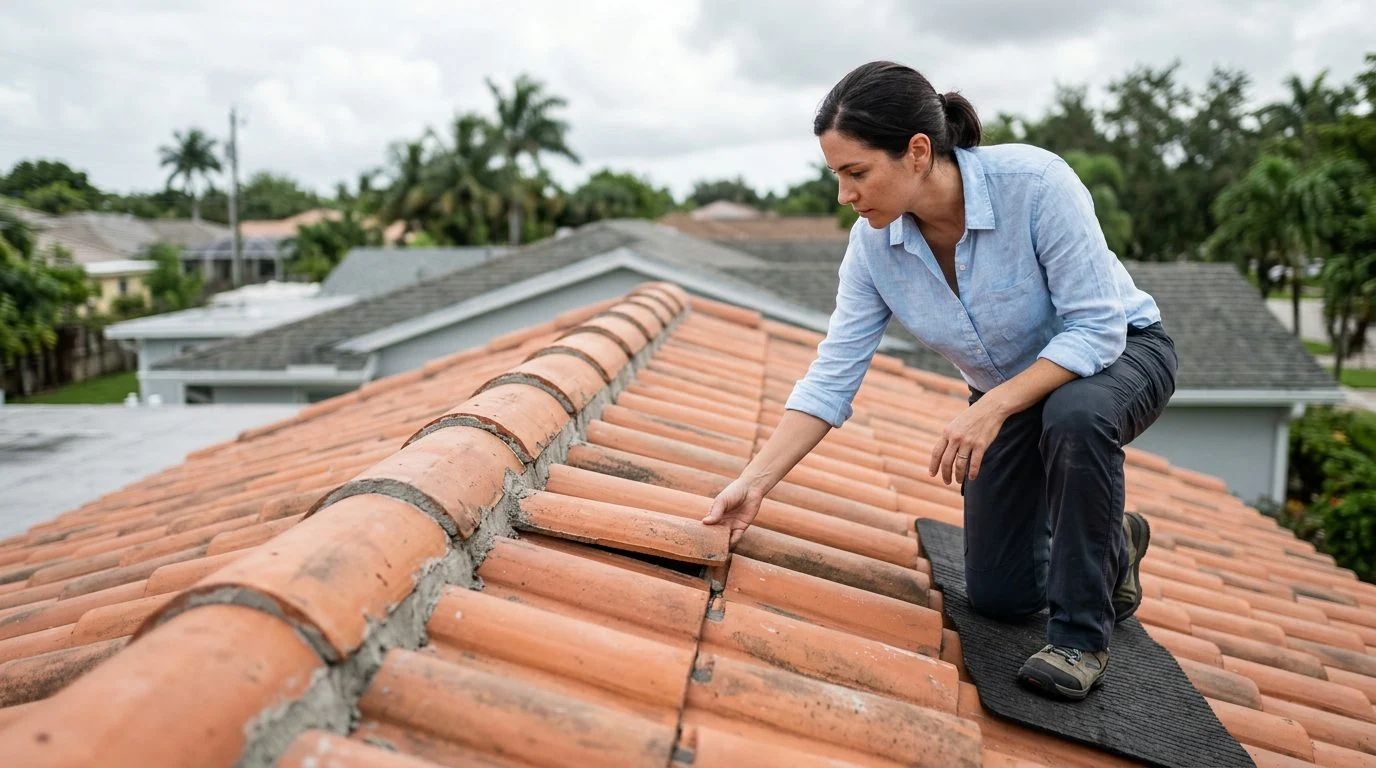
Sometimes, yes. A new tile layer can go over an old tile roof in Florida, but only when the structure, the existing tile, the permit, and any HOA rules all allow it. If the old tile is cracked, leaking, or soft underneath, it usually has to come off first.
Homeowners ask this for a few reasons. Sun, wind, and salt air wear down tile over time. A storm can crack or lift tile. A full tear-off costs more and makes more mess, so many owners want to know whether they can skip it.
This page covers the factors that decide the answer. It is general information. The specific answer for your home depends on the facts of that property, so the roof needs a close look before anyone decides.
If your tile roof is aging or storm-damaged and a decision is waiting, reach out to ASP Superhome to book your estimate and see whether an overlay fits your home. Talk it through with our team — the first consultation is free, confidential, and carries no obligation.
What a Tile-Over-Tile Installation Involves
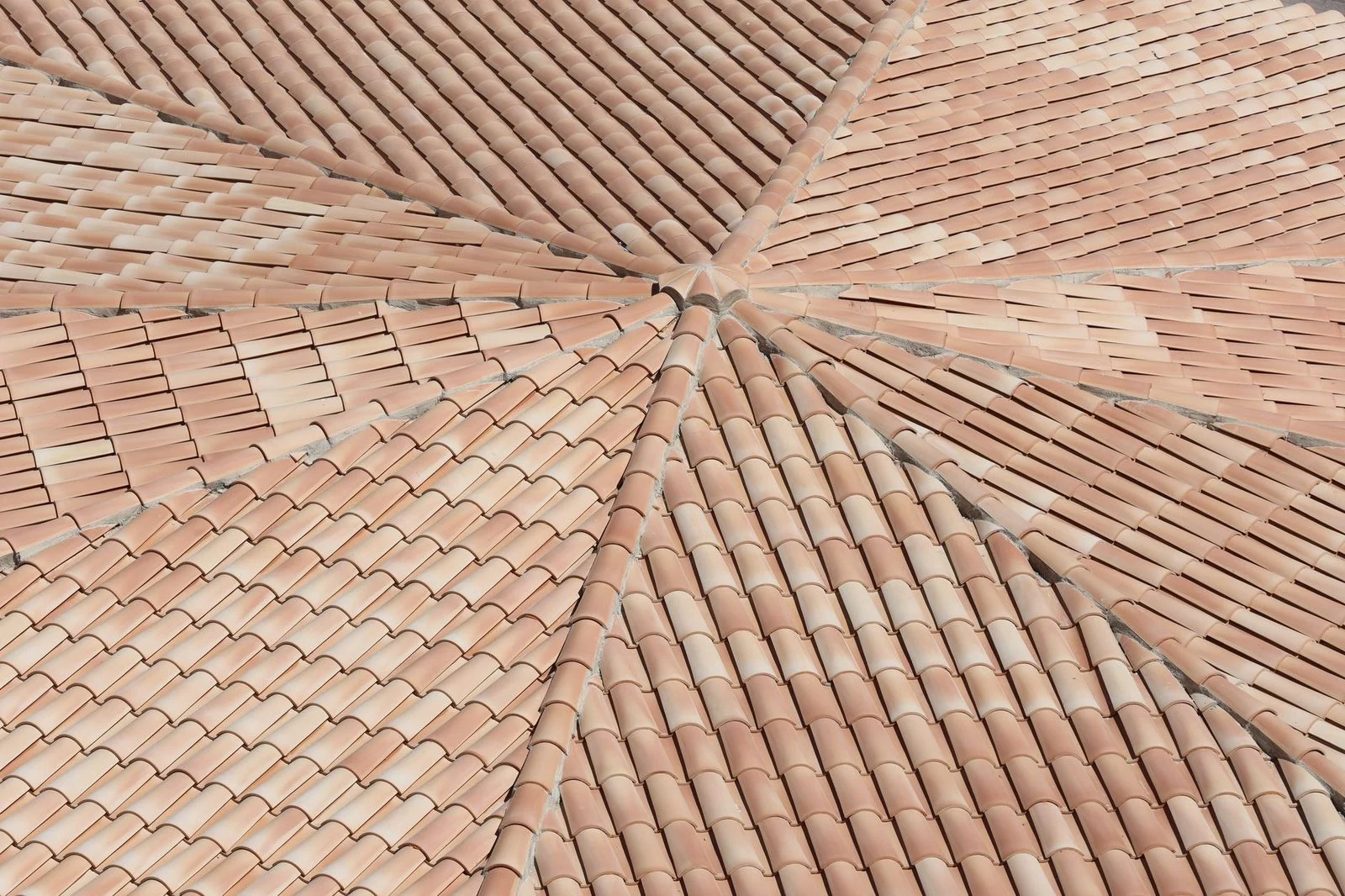
A tile-over-tile installation puts new underlayment and new tile on top of an existing tile roof. The old tile stays in place.
A full tear-off works differently. Crews remove the old tile, inspect and repair the roof deck, install new underlayment, and set new tile. An overlay skips the removal step, so the deck can’t be fully seen during the work.
That tradeoff matters. An overlay can trap water beneath the old tile. It can also hide rot that a tear-off would expose. Some owners pay less up front, but those savings shrink fast if the deck needs repair.
An overlay tends to fit a roof where the existing tile is sound and fully attached. The deck and structure should be sound too. It usually doesn’t fit a roof with widespread cracking, water intrusion, sagging, or deck rot.
Clay tile and concrete tile are the two most common tile types on South Florida homes. Homes in Miami, Kendall, Fort Lauderdale, Boca Raton, West Palm Beach, Naples, and Fort Myers all face sun, rain, and salt air. Each tile type has its own weight and profile, so the match matters.
Florida Permit, Code, and Ownership Rules
Under Florida law, roofing projects generally require a permit unless otherwise provided by law (see § 553.79(1)(a)). Unless otherwise provided by law, Florida law makes it unlawful to repair or alter a building without first getting a permit from the enforcing agency (Fla. Stat. § 553.79). The agency can revoke a permit if the work does not conform to the Florida Building Code.
The 25 percent rule matters for many re-roofs. Florida law generally requires a permit before this work, unless otherwise provided by law; the rule that 25 percent or more of a roofing system built, repaired, or replaced in compliance with the 2007 or later Florida Building Code, when repaired, replaced, or recovered, requires only that portion to meet the code in effect is in Section 553.844 of the Florida Statutes. See Section 553.844 of the Florida Statutes.
Your building department confirms which steps apply to your home. Ask about the permit before the work starts, not after.
Structural Checks: Weight, Deck Condition, and Wind Performance
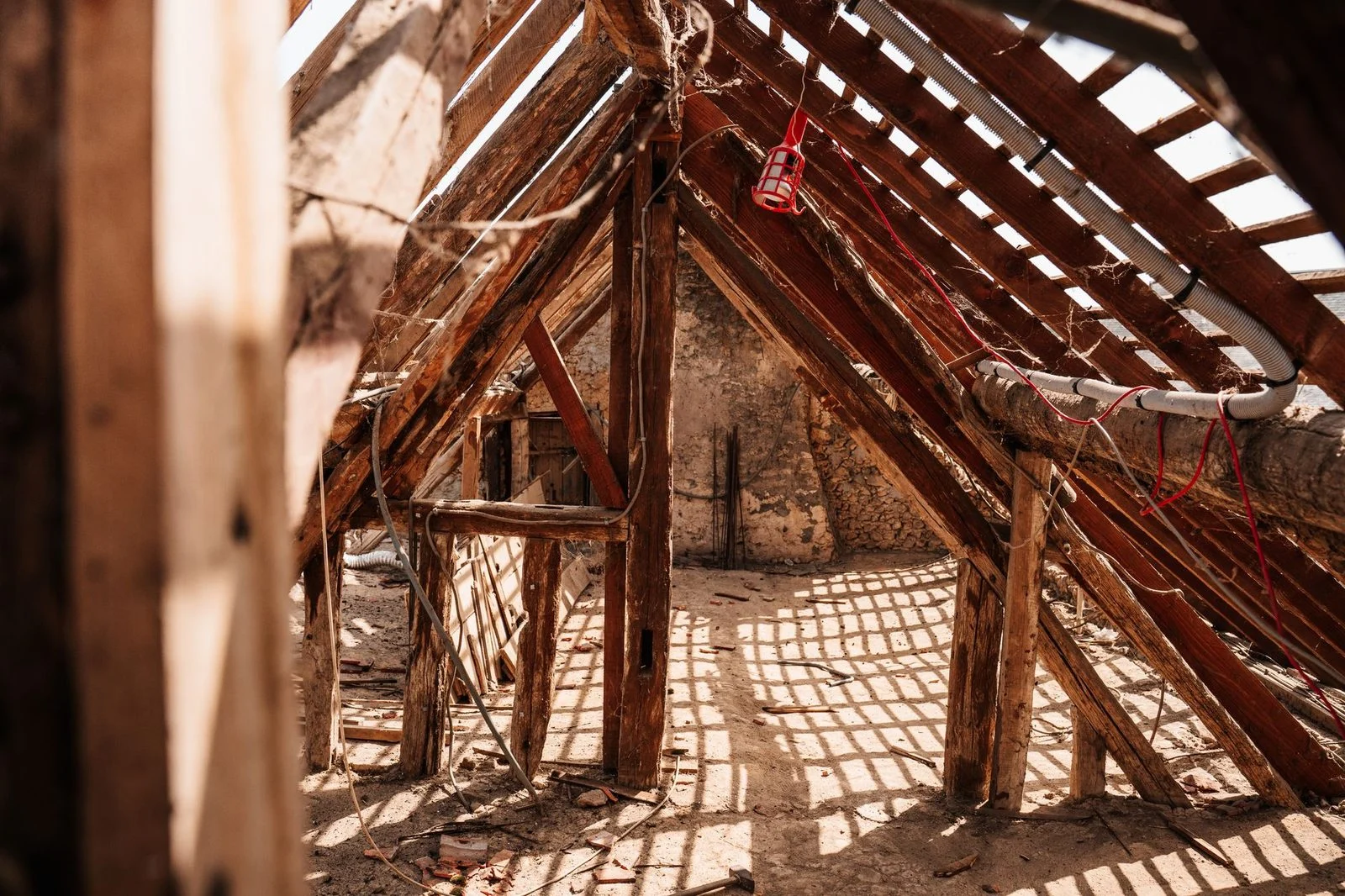
The structure must carry the extra weight before an overlay can be approved. Tile is heavy, and a second layer adds load to the rafters, trusses, and roof deck.
Clay and concrete tile are among the roofing options our team installs for South Florida homes.
Deck condition is often the deciding factor. Soft spots, rot, and water staining under the tile are signs the old tile should come off. A covered problem doesn’t go away. It just stays hidden until it causes damage.
Wind resistance comes from the fastening and installation of the whole system, not the tile alone. Ask whether those connections are part of the plan.
Tile Matching, Discontinued Profiles, and Appearance
A new tile must match the existing profile, size, and color for a clean overlay. Matching is harder on older homes. Barrel tile from past decades is often discontinued, and a close substitute may sit a little higher or lower on the roof.
Mismatch causes real problems. Uneven rows can change how water runs at valleys and flashing. The match affects how the roof works, not just how it looks.
Metal is one option when a tile match can’t be found. Miami-Dade County’s product approval record for metal roofing panels shows that Florida-approved panels can be made in a barrel-tile profile. Those panels were evaluated for Florida Building Code compliance, including High Velocity Hurricane Zone provisions.
Changing material changes the question. Moving from tile to metal, or from clay to another tile type, can change whether an overlay works. The roof may need full removal.
HOA rules can settle the question before the building code does. The board may still require owners to follow an existing unified building scheme. Read the governing documents before work starts.
Overlay vs. Tear-Off: Cost, Lifespan, and Decision Factors
An overlay can cost less up front than a tear-off, but the measured scope sets the final number. Skipping removal and disposal lowers the labor. Structural repairs and permit steps can raise the total.
The main cost drivers are:
- Roof area and pitch
- Tile type and profile
- Deck or structural repairs
- Permit and inspection requirements
- Access and site conditions
An accurate figure comes from an on-site measurement, not a general rule. Our team can measure your roof and explain how each driver applies to your home.
Lifespan is shaped by tile quality, installation, maintenance, and exposure to sun, wind, and salt air. A new layer on a sound structure and a full replacement can perform differently over time. An overlay keeps the old layer and its hidden condition in place.
Three questions help sort the decision:
- Is the structure sound?
- Is the existing tile sound and fully attached?
- Do the permit and HOA rules allow an overlay?
A targeted repair fits a few cracked or missing tiles and flashing problems. Widespread damage, deck rot, or water intrusion points toward replacement. Our tile roof repair and roof replacement services cover both paths.
Not sure what your next step is?
Talk it through with our team — the first consultation is free, confidential, and carries no obligation.
Frequently Asked Questions
Here are short answers to the questions homeowners ask about putting a new tile layer over an old one.
Are you allowed to replace your own roof in Florida?
Common Roofing Questions
What’s the life expectancy of a tile roof in Florida?
Service life is shaped by tile quality, installation, maintenance, and exposure to sun, wind, and salt air. An inspection shows what your roof has left.
How much does it cost to replace a roof on a 4,000 square foot house?
Cost follows roof area, pitch, tile type, structural repairs, permits, and access. A measured on-site estimate gives the figure for your home.
Can a tile roof be installed over damaged tile?
Damaged tile and deck are usually addressed first. The inspection decides whether an overlay is possible.
Next Step: Get an Honest Look at Your Roof
The right next step is an on-site look at the tile, underlayment, deck, and structure before choosing an overlay, a repair, or a full replacement. You may be dealing with an aging or storm-hit roof while a family member or HOA board waits for an answer.
Our consultation covers the tile, underlayment, deck, and structure. It also covers permit and HOA questions and the options that fit your roof. Our first consultation is free, confidential, and carries no obligation to continue.
When you’re ready, reach out through our contact page to book your estimate or request a quote.
How we approach your roof
Clear answers
We explain what your existing roof can and cannot support, in plain language, before any work is recommended.
Built for South Florida
Sun, wind-driven rain, and salt air all affect tile and the layers beneath it. Our recommendations account for that exposure.
Written scope
You receive a clear description of the proposed work, so you know what is included before you decide.
Confidential first consultation
Your free first consultation is confidential and comes with no obligation to continue.
What an inspection looks at
Existing layers
How many roofing layers are already in place, and how they are attached to the structure.
Decking and framing
The condition of the roof deck and supporting framing, which determines whether added weight is a safe option.
Tile and underlayment
Whether the current tiles are sound, and whether the underlayment still protects against wind-driven water.
Permits and access
Local permit requirements, roof pitch, and how crews can safely reach the work area.
Do not assume a second layer is fine
Adding tile over an old roof can add significant weight and hide problems such as soft decking or water damage. Have the roof inspected before you decide on an overlay or a full tear-off.


