


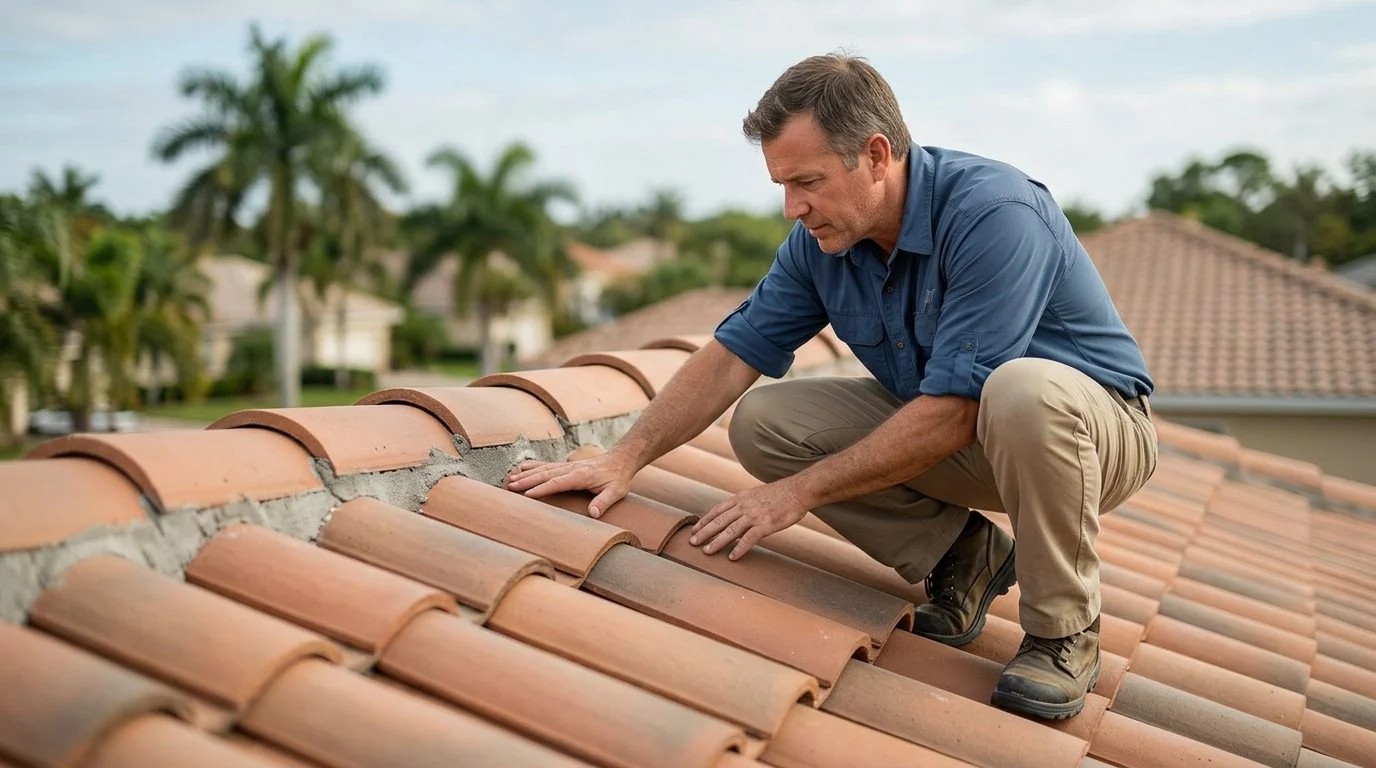
Tile Roof Repair | Miami, Fort Lauderdale, West Palm Beach, Kendall, Naples, Fort Myers, Boca Raton
Broken Roof Tiles? Fix the Problem Before Water Gets In.
ASP Superhome inspects and repairs broken roof tiles across South Florida, so damage stays contained and your roof keeps protecting your home.
By Jonathan Rodriguez · Published October 23, 2026
If a few tiles on your roof are cracked, slipped, or missing, you may only need those tiles replaced. Whether that’s enough depends on what sits under them. This guide shows how to tell the difference and what to expect when you replace broken roof tiles in South Florida.
Broken and Missing Roof Tiles: What They Mean for Your Roof
Broken or missing tiles leave the layer beneath them open to water, and that layer keeps your home dry. Tile roofs in South Florida are often concrete or clay. Both hold up well when they’re whole, but a crack or gap lets water in.
Signs to check from the ground: – Cracked or chipped tiles – Tiles sitting out of line or slipped down the slope – Bare spots where a tile is gone – Displaced ridge or hip tiles
Signs to check from the attic: – Daylight showing through the roof boards – Water stains on ceilings or walls – Damp insulation near the roof edge
Heavy sun cracks tile over time. Wind-driven rain can push water through a small gap and reach the underlayment. If you’ve spotted tiles out of place after a storm, you don’t have to work out the next step alone.
Tiles that cracked or slid after a storm can let water reach the roof deck, and you don't have to sort out the repair alone. Our team can look at your roof with you. Talk it through with our team — the first consultation is free, confidential, and carries no obligation.
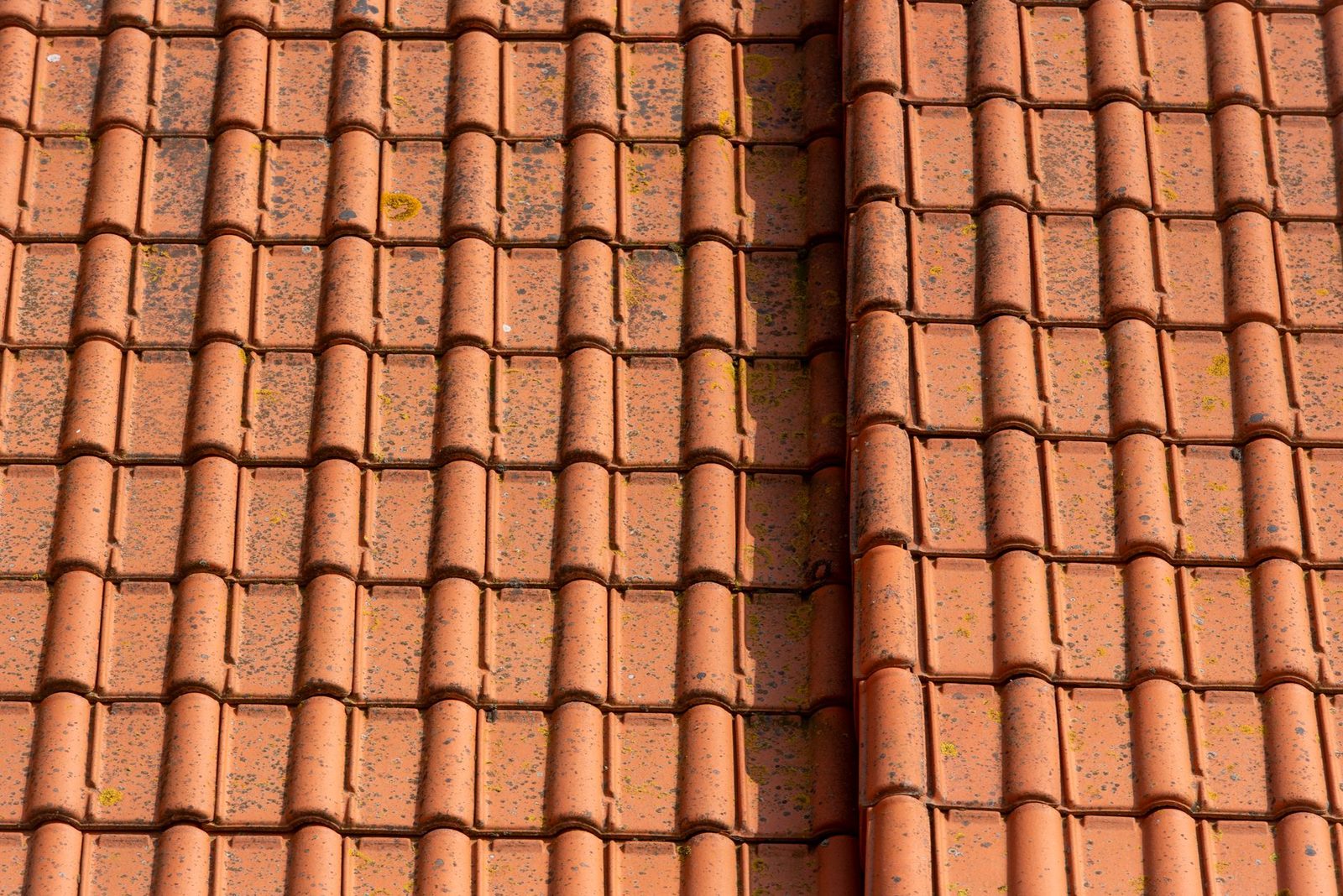
Single-Tile Swap or Larger Section Repair: How to Tell
A single tile swap is usually enough when one or a few tiles are cracked and the materials under them are sound. The scope grows when the damage reaches past the broken tile.
Watch for these signs that the repair is bigger: – Brittle or torn underlayment under the area – Broken or corroded fasteners and clips – Damaged battens or deck boards – Flashing or valley problems near the repair
When underlayment or fasteners are involved, the crew often lifts a section of tiles, not just one. They re-underlay the area and reset the tiles so the repaired section stays watertight. The check goes beyond the visibly broken tile for this reason.
Miami-Dade County’s Miami-Dade 2023 roofing code changes summary covers underlayment and manufacturer-instruction requirements for the High Velocity Hurricane Zone. Ridge and hip tiles are a separate case. They sit on the roof’s top lines and often need their own approach.
The final scope is set once the tiles are lifted and the materials underneath are visible. That is why the inspection comes before a firm quote.
Matching Tile Profiles and Colors
A replacement tile should match the existing profile, size, and color as closely as supply allows. A tile that doesn’t fit the profile, curve, or lock can leave gaps or sit higher than its neighbors. Matching is a planning step, not an afterthought.
To match a tile, identify the existing one: – Profile shape and curve – Size and weight – Manufacturer or mold, if known – Color, including sun fading on the surrounding tiles
Once the tile is identified, there are three common paths: – Matching stock tiles, when the profile is still made – Salvaged tiles from an inconspicuous area, such as a back slope – A blended section, where new and old tiles share one area
On older or discontinued roofs, a visibly different tile can be unavoidable. The estimate should describe the expected look before any work begins. Color and texture variation between old and new tiles is normal, especially after years of sun.
How the Process Works, From First Consultation to Final Walkthrough
The process runs in six steps, from the first conversation to a final walkthrough of the finished roof.
- First consultation. You describe the damage, and we talk through your home. The first consultation is free, confidential, and carries no obligation to continue.
- On-site inspection. We check the damaged tiles, the tiles around them, the underlayment, fasteners, flashing, and any ridge or hip lines. Findings are photographed.
- Written estimate. The estimate lists the tiles to replace, any underlayment or fastener work, the matching approach, and the cleanup included.
- Materials and scheduling. Replacement tiles are checked against the existing profile before the crew arrives.
- Repair work. The crew removes damaged tiles, corrects underlayment or fasteners, installs matched tiles, secures them, and checks alignment and water shedding.
- Cleanup and final walkthrough. We walk the finished work with you after the site is cleaned.
Permit requirements depend on the scope of your project, and our team can explain what applies to your home during your free initial consultation, which is confidential and carries no obligation to continue. Permit requirements for roof work can differ from one municipality to another. Its first building-permit review cycle may take up to 14 business days, per the City of Miami roofing permit page. Under Fla. Stat. § 489.126, a contractor who receives an initial payment of more than 10 percent of the contract price for repair, restoration, improvement, or construction to residential real property must apply for permits within 30 days after the date payment is made, unless the work needs no permit, the contractor has just cause for not applying, or the person who paid agreed in writing to a longer period.
What Shapes the Cost of Replacing Broken Tiles
The cost of replacing broken tiles rises with how many tiles need work, where they sit, and what’s hidden underneath. Several factors drive the number:
- Number and location of damaged tiles, including low or steep sections that make access harder
- Underlayment and deck condition, since hidden damage can add work once tiles are lifted
- Fastener, flashing, and valley work
- Ridge, hip, or valley tiles included in the repair
- Matching effort for older or discontinued profiles
No single dollar figure fits every roof. The written estimate after inspection gives the number for your home.
Before signing any roof repair or replacement agreement, ask our team to explain each term. Before signing, owners may want to review coverage, deductibles, and policy terms with their insurance provider when the work relates to an insurance claim.
Why Homeowners Choose ASP Superhome for Tile Roof Repairs
ASP Superhome offers tile roofing and roof repair as part of a wider set of home services across South Florida.
Our team serves homeowners in Miami, Fort Lauderdale, West Palm Beach, Kendall, Naples, Fort Myers, and Boca Raton. Our services include: – Tile roofing and roof repair – Roof replacement and metal roofing – Impact windows and impact doors – Solar panels and solar battery backup – Kitchen remodeling
If a tile repair raises bigger roof questions, you can discuss roof replacement or metal roofing in the same consultation. Findings are documented with photos, the estimate is written, and the final walkthrough happens once the work is complete.
Not sure what your next step is?
Talk it through with our team — the first consultation is free, confidential, and carries no obligation.

Frequently Asked Questions About Replacing Broken Roof Tiles
Do I need to replace the whole roof to replace broken roof tiles in South Florida?
Often not. A targeted repair can work when the rest of the roof is sound. The inspection shows whether broader work is needed.
How do I know if one broken tile is a problem?
A single cracked tile can let water reach the underlayment. The surrounding tiles and underlayment get checked to confirm the repair stays small.
How long does a tile replacement take?
A few tiles are often a short visit. Sections that need underlayment or deck work take longer, and the written estimate states the timing.
Can you match tiles that are no longer made?
Options include matching stock, salvaged tiles from a hidden area, or a blended section. The estimate shows which approach fits your roof.
If tiles cracked or slid after a storm and water may be reaching the roof deck, you don’t have to sort out the repair alone. Contact ASP Superhome to start the conversation about your tiles.
How we approach tile repair
Inspection first
We check the broken tile, the tiles around it, and the underlayment beneath to see whether a targeted repair is enough.
Repair scoped to your roof
When the rest of the roof is sound, we focus on the damaged area. If broader work is needed, we explain why before any work begins.
Clear written estimate
You receive a straightforward estimate that outlines the scope of work, so you can decide with the facts in hand.
Tile roofing expertise for South Florida homes
Our team works on tile roofing and roof repair projects built for the South Florida climate, from Miami to Fort Myers.
Don't wait on a cracked tile
A single cracked or missing tile can let rain reach the underlayment and the layers below. Small leaks often start quietly, so a prompt inspection helps prevent larger repairs.
Signs you may need tile repair
Cracked or chipped tiles
Visible cracks, chips, or missing pieces, especially after a storm or heavy wind.
Shifted or loose tiles
Tiles that sit unevenly, slide out of line, or move when you walk on the roof area.
Water stains or drips
Discoloration on ceilings or walls, or water in the attic near the roofline.
Debris in gutters
Pieces of broken tile or granules collecting in gutters or on the ground below the roof edge.


