


Tile Roofing | South Florida
Replace Your Tile Roof Before Hurricane Season
Hurricane season is here. Get a clear look at your tile roof's condition and your replacement options before storms arrive.
By Jonathan Rodriguez · Published October 23, 2026
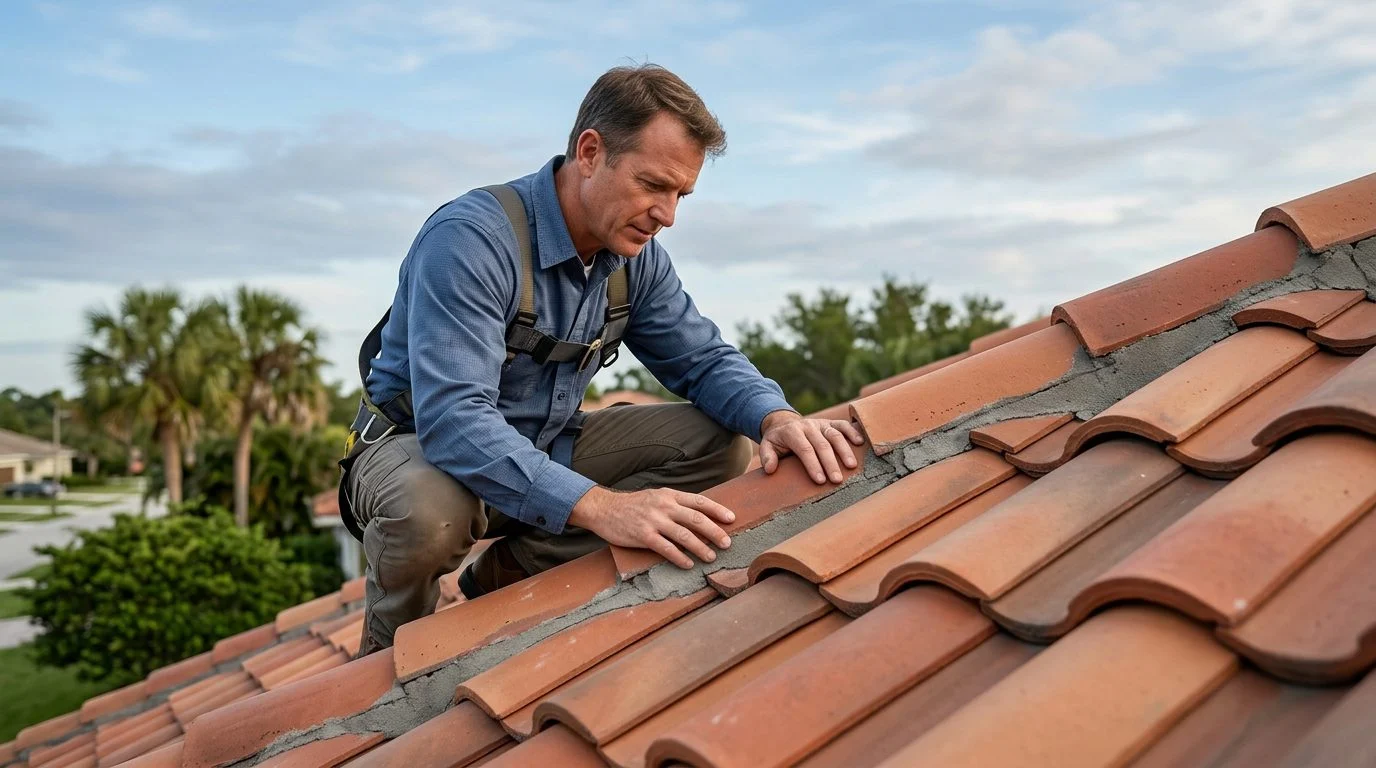
Replace your tile roof before hurricane season in Florida when damage is widespread, leaks keep returning, or the roof is old. A small, isolated problem often needs only a repair. The Atlantic hurricane season runs from June 1 to November 30, so deciding early gives you more choices. This guide helps South Florida homeowners in Miami, Fort Lauderdale, West Palm Beach, Kendall, Naples, Fort Myers, and Boca Raton sort out their options.
Why Hurricane Season Makes Roof Timing a Real Decision
Roof timing matters because storms push rain sideways, and a weak spot becomes a leak inside the house. The Atlantic hurricane season runs from June 1 to November 30, so the window to plan is limited. Your roof is the first line of defense against wind-driven rain for everything under it.
A problem found in spring leaves room to compare a repair with a replacement and set a schedule. The same problem found during a storm leaves few choices and a damaged ceiling to handle at once. Each path asks for different work and a different amount of lead time.
The core question is simple. Does your roof need a repair, a full replacement, or close monitoring through the season? The answer comes from what you can see on the roof and inside the attic.
Not sure what your next step is?
Talk it through with our team — the first consultation is free, confidential, and carries no obligation.
Signs a Tile Roof May Be Due for Replacement
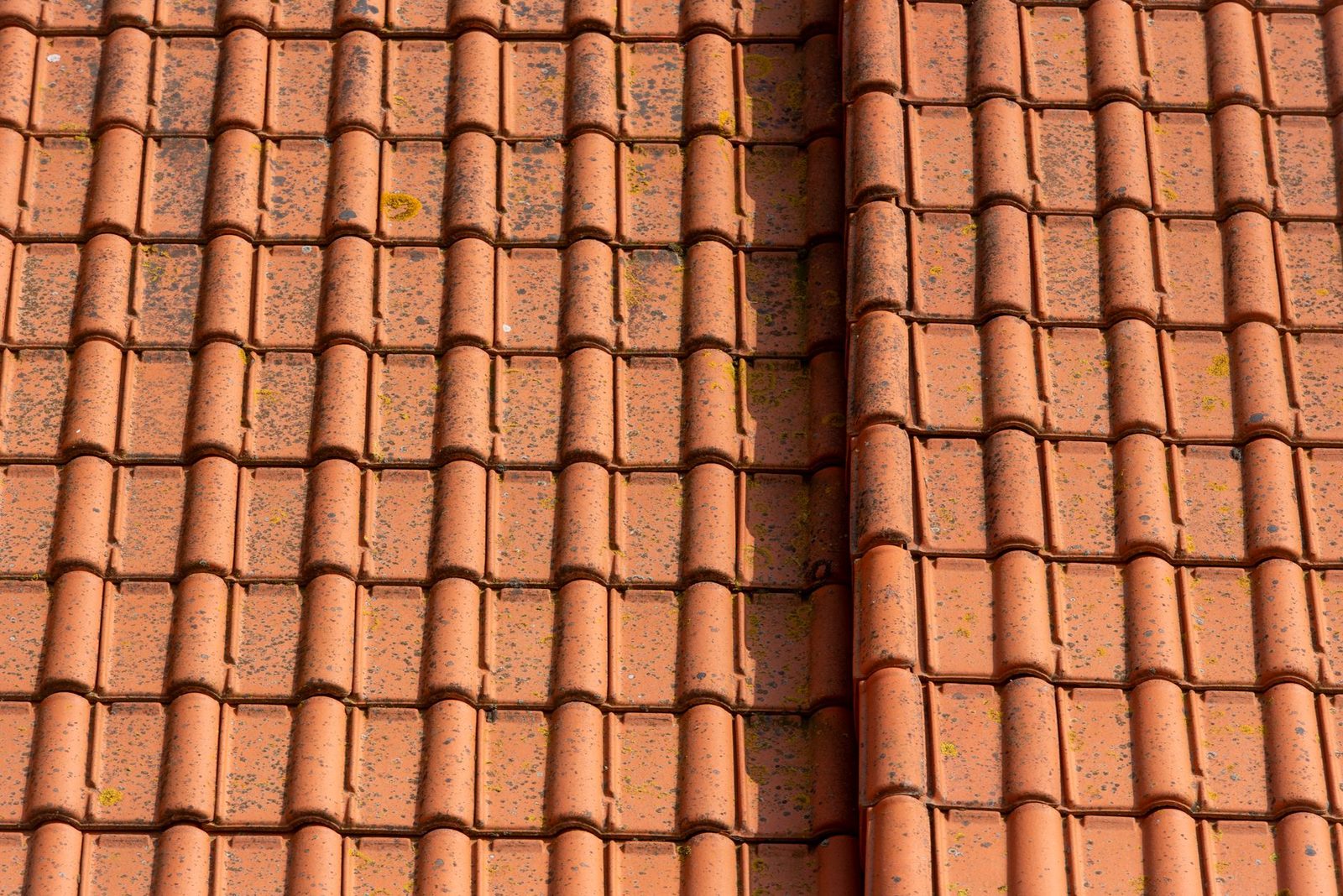
A tile roof is due for replacement when the damage is widespread, not limited to a few tiles. Roof age is a planning factor, but it is not a verdict. How long a tile roof holds up depends on the tile type, how it was installed, and how it was maintained. Check any original installation records or permits you have.
You can spot many warning signs from the ground with binoculars. Widespread cracked, slipped, or missing tiles across several slopes point toward replacement. Tiles that move when pressed by hand suggest fastening trouble. Crumbling mortar or a loose ridge cap lets water slip under the tiles. Never climb a steep or wet roof to check it yourself.
Interior signs matter too. Recurring water stains on ceilings, damp attic framing, and leaks that return after patching often mean water is getting past the tiles. Patching the same spot again hides the problem. It does not fix the roof.
When a Tile Roof Repair Can Be Enough
A repair can be enough when the damage is isolated and the roof beneath is sound. Common examples include a few cracked or displaced tiles, a damaged ridge cap, or one failed flashing point around a vent or chimney. Flashing is the metal or sealed material that keeps water out where the roof meets another surface.
Repairs address specific damage. A roof with broad deterioration may need more than spot work. New tiles set on a worn roof still face the same stress from wind and sun.
Underlayment and fastening decide whether a repair holds up in high winds. Underlayment is the water-resistant layer under the tiles. If it is brittle or torn, a new tile won’t stop water from reaching the deck. Fasteners that have backed out or corroded let tiles lift in gusts. A good repair checks both before any tile goes back in place.
Also ask whether past repairs have held. Repeat fixes in the same area often point to a bigger problem than the one being patched.
What Florida Building Code Asks of Roofs in High-Wind Areas
Florida requires a permit before roof work, and the code in effect at application sets the rules for that job. Unless otherwise provided by law, it is unlawful to alter, modify, or repair a building without a permit from the enforcing agency, under Fla. Stat. § 553.79. The Florida Building Code governs repairs and alterations, and the edition in effect on the permit application date governs the permitted work for the life of that permit.
Windstorm rules are stricter for replacements. Under Fla. Stat. § 553.844, for site-built, single-family residential structures, a roof replacement must incorporate the techniques in subparagraphs (2)(b)2. and 4. For a building in the wind-borne debris region with an insured value of $300,000 or more, or, if the building is uninsured or for which documentation of insured value is not presented, has a just valuation for the structure for purposes of ad valorem taxation of $300,000 or more, a roof replacement must incorporate the techniques specified in subparagraph (2)(b)3. Fla. Stat. § 553.844 states that the criteria for secondary water barriers may not be restricted to a single approach.
The Legislature found that some construction built before the code exposed a vulnerability. That is why older roofs often don’t match current requirements.
Product approval matters too. For local product approval, products or systems of construction must demonstrate compliance with the structural windload requirements of the Florida Building Code through one of the methods listed in Fla. Stat. § 553.8425, such as a commission-approved certification mark, listing or label, or a statewide product approval. Miami-Dade’s product control approval for a concrete tile system shows TAS 112 testing for specified applications. Check that approval covers your exact use.
Replacement Timing: Why Lead Time Matters Before Peak Season
Lead time matters because permits and scheduling come before any tile is removed. Miami-Dade’s roofing permit page lists required forms, checklists, contractor e-permitting, and some hurricane-mitigation documents.
A tile replacement is a bigger job than a repair. The old tile comes off, the deck is inspected, and underlayment and flashing go in before new tile is fastened. A repair touches a few tiles or one area. That difference changes both the permit scope and the schedule.
Spring gives you room to choose. An assessment in April or May leaves time to compare options, gather permit paperwork, and schedule work before the season begins. Waiting until a storm is in the forecast removes most of those options. If you want to replace tile roof before hurricane season florida homeowners rely on, starting early keeps the choice in your hands.
How to Decide: A Simple Checklist for Your Tile Roof
Check these five things before you choose between repair, replacement, or monitoring. Each one takes little time and shows where your roof stands.
- Roof age and records. Find the installation date and any permit history.
- Tile damage count. Note how many tiles are cracked, slipped, or missing, and where they sit. Damage across several slopes points toward replacement.
- Attic and ceiling signs. Look for stains, damp insulation, or musty framing. Note whether leaks happened during past storms.
- Flashing condition. Check the sealed areas around vents, chimneys, and skylights for cracks or lifted edges.
- Repair history. Note whether earlier repairs held. Repeat repairs in one area signal a larger issue.
Frequently Asked Questions
Do I need a permit to replace or repair a tile roof in Florida?
Yes. Unless otherwise provided by law, Florida law makes it unlawful to repair or alter a building without a permit from the enforcing agency.
Can cracked tiles be repaired without replacing the whole roof?
Yes, when the damage is limited to a few tiles and the underlayment beneath is sound.
Not sure what your next step is?
Talk it through with our team — the first consultation is free, confidential, and carries no obligation.
Talk Through Your Tile Roof Situation With ASP Superhome
If you’re weighing a repair against a full replacement with hurricane season close, a conversation with ASP Superhome is the next step. Maybe your tile roof has cracked tiles after a recent storm, a leak that returned after patching, and a season that is about to start. You need to decide whether repair or replacement fits your roof and your timing.
Our first consultation is free, confidential, and comes with no obligation to continue.
We’ll look at your roof’s condition, walk through the repair-or-replace question, and explain the permit steps that apply to your project. To request a quote or book a free estimate, reach out through our contact page.
How We Help South Florida Homeowners Prepare
Honest Condition Review
We look at your existing tiles, underlayment, flashing, and fasteners so you understand what is working and what is not.
Clear Options in Writing
Repair, partial replacement, or full tile roof replacement, each explained so you can compare the choices for your home.
Built for Florida Conditions
Tile roofing and related work planned around wind, rain, and the demands of South Florida weather.
Free First Consultation
A confidential, no-obligation first consultation to talk through your roof and your timeline.
Check Before the Season Starts
Do not wait for the first storm warning. Loose, cracked, or missing tiles can let water into your home during heavy rain. Schedule an inspection while there is still time to plan the work.
Our Roofing Services
Tile Roof Replacement
Full replacement of an aging or damaged tile roof, with attention to the underlayment and structure beneath the tiles.
Tile Roof Repair
Targeted repair of cracked, slipped, or missing tiles, along with flashing and leak repairs.
Roof Replacement in Other Materials
If a tile roof is not the right fit for your home, we also handle metal roofing and full roof replacement projects.


