


Roofing | South Florida
Tile or Metal Roof: Which Holds Up Better in a Florida Hurricane?
The material matters less than how the whole roof system is installed. Here is what South Florida homeowners should weigh before choosing.
By Jonathan Rodriguez · Published November 1, 2026
Is a tile or metal roof better in a Florida hurricane zone?
Neither material is better on its own. In a Florida hurricane zone, wind performance comes from the whole roof system. That system includes the deck, the underlayment, the attachment method, the panel or tile profile, and the edge metal. A well-installed tile roof and a well-installed metal roof can both be built for high winds. A poorly installed roof of either type can fail. This guide compares the two on the factors that matter, so you can weigh them for a home in Miami, Fort Lauderdale, West Palm Beach, Kendall, Naples, Fort Myers, or Boca Raton.
If you're deciding between tile and metal for a replacement roof, our team can review your structure and wind-zone needs with you. Talk it through with our team — the first consultation is free, confidential, and carries no obligation.
How hurricane winds load a roof
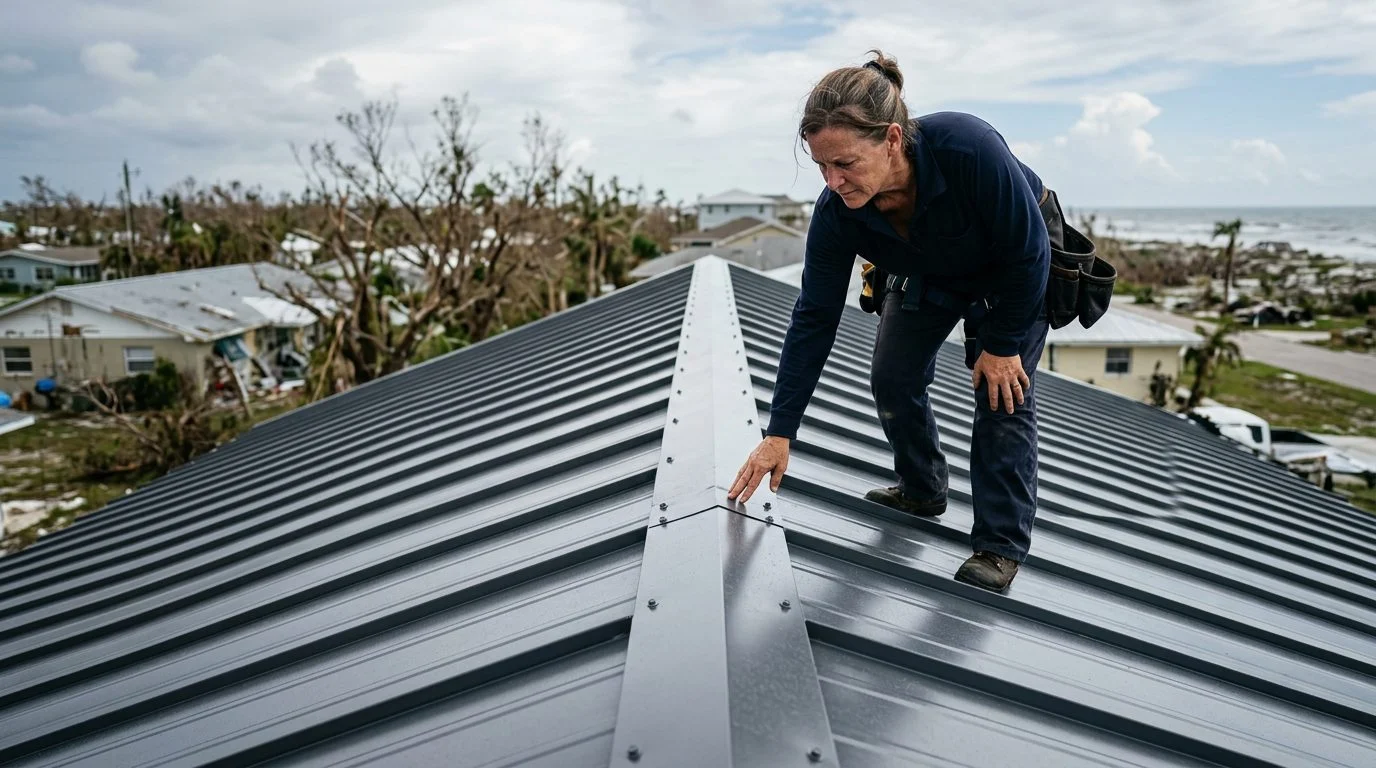
Wind pulls roofing upward, and that pull is strongest at the edges. This force is called uplift. It concentrates at eaves, rakes, ridges, and corners, where wind speeds up and pushes hardest. Failure often starts at the perimeter. A roof can keep its center intact and still lose edge pieces first. That’s why attachment and edge metal matter as much as the field roofing.
Roof shape, pitch, and overhang also change how much uplift a roof sees. Steeper roofs and wide overhangs catch more wind. Florida sets these loads through building code wind requirements, not through the roofing material alone. For site-built, single-family homes, Fla. Stat. § 553.844 says a roof replacement must include specific windstorm techniques. Plan the replacement around those rules from the start.
Tile roofs in a hurricane zone: strengths, weight, and what to check
A tile roof can resist hurricane winds when it’s designed and fastened to Florida’s requirements. Concrete and clay tile are heavy, though. Check the home’s framing for that extra load before tile goes on. Wind uplift is one of the factors that shapes how a tile roof is planned in South Florida.
Interlocking profiles, mechanical fastening, and the right tile-to-deck attachment decide how tile holds in wind. Miami-Dade has approved a flat-profile, interlocking concrete tile system tested under TAS 112 for specified High-Velocity Hurricane Zone uses. The Miami-Dade concrete tile approval shows the kind of approval to look for. Ask whether your tile system carries an approval for the design pressures at your address.
Underlayment is the second layer to check. The Florida Building Commission’s 2026 analysis of changes records a new requirement that tile underlayment uplift resistance meet the component and cladding loads of ASCE 7. Florida law also says secondary water barrier criteria may not be limited to one method or material.
Metal roofs in a hurricane zone: panel systems, fastening, and approvals
Metal roofs weigh less than tile. That can ease the load on older framing. The bigger difference is how the panels attach. Standing seam panels with concealed clips perform differently under uplift than exposed-fastener panels. Panel gauge, seam height, clip spacing, and edge metal all affect wind performance. Ask for the installation details of the exact system, not just the panel brand.
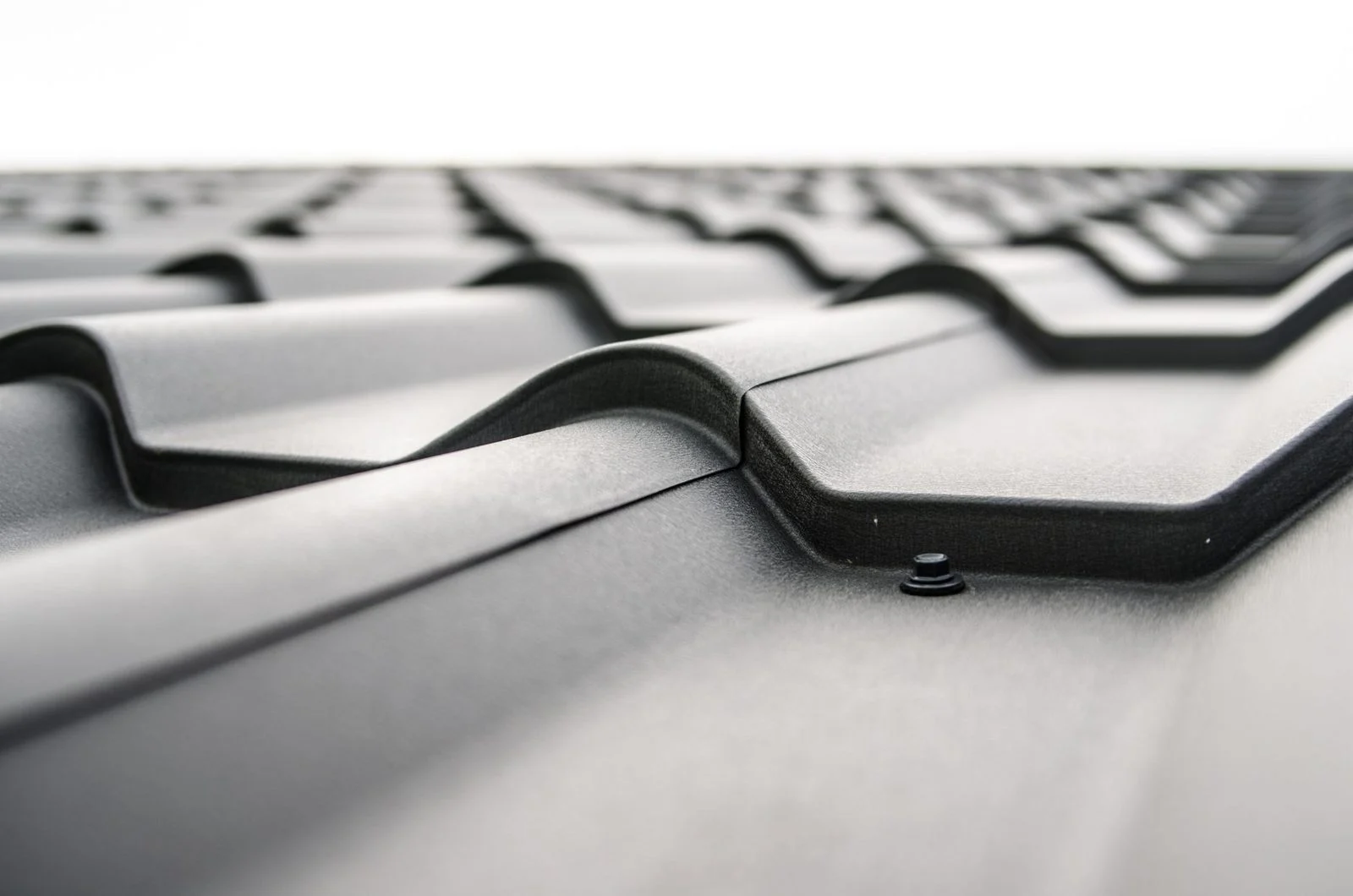
Metal can also meet Florida’s approval rules in profiles that look like tile. The Miami-Dade metal roofing approval describes Florida-approved metal panels made in a barrel-tile profile. Those panels were evaluated for the Florida Building Code, including its High Velocity Hurricane Zone provisions. Metal flashing must also follow the manufacturer’s installation instructions, according to the Florida Building Commission’s 2026 analysis of changes.
Field evidence helps, but it has limits. The Insurance Institute for Business & Home Safety reported that metal roofing systems held up well in winds below 130 mph in Southwest Florida during Hurricane Ian. That finding covers winds below 130 mph. It doesn’t show how metal performs at higher speeds.
Noise is a common worry. How loud rain sounds on metal usually depends on what sits under the panels, such as the deck and insulation.
Florida building code approvals and what they tell you
Under Florida law, roofing products that require approval under s. 553.77 must be approved before their use in construction in the state. Under § 553.842(10), products other than manufactured buildings that are custom fabricated or assembled do not require separate approval, provided the component parts have been approved for that product’s use and meet the Florida Building Code standards and requirements that apply to its intended use. Fla. Stat. § 553.842 says one of the statute’s listed methods must be used by the commission to approve roofing products for statewide use. Florida law bars advertising a product as hurricane, windstorm, or impact protection from wind-borne debris unless it is approved under § 553.842 or § 553.8425.
Approvals also have limits. Under Fla. Stat. § 553.8425, an approval stays valid until the product changes and loses performance. It also ends if the code requires higher performance, or if the approval is suspended or revoked. Code changes don’t void approvals for products already installed that met code when installed.
A Miami-Dade Notice of Acceptance approves specified roofing assemblies, but only through its stated expiration date. Ask for the approval number and check the expiration date. Palm Beach County’s wall design pressure chart is available as a county PDF.
Insurance questions homeowners ask about tile and metal roofs
Insurance cost depends on the insurer, the roof details, and the discounts that company offers. Florida law requires insurers to notify applicants and policyholders of personal lines residential property insurance policies about the availability and range of windstorm premium discounts. Under Fla. Stat. § 627.711, that notice must be given at issuance and at each renewal. The same statute provides a uniform mitigation verification inspection form that insurers use for wind discount requests.
Ask your insurer three questions. Which roof details does it review? Does it ask for product approvals? Does roof age affect your coverage or rating? Write down the answers. Don’t assume one material earns a discount everywhere.
If your insurer asks for a roof upgrade, document the existing roof first. Take dated photos, keep past repair records, and note the roof’s age and condition. That record helps you compare replacement options before you choose a material.
Not sure what your next step is?
Talk it through with our team — the first consultation is free, confidential, and carries no obligation.
Lifespan, maintenance, and cost: comparing the long view
Tile and metal have different service lives. Both depend on installation quality and upkeep. Tile can crack or shift after impact. Inspect its underlayment and flashing on a regular schedule. Florida’s 2026 code revised the tile flashing section for clarity, as shown in the Florida Building Commission’s analysis of changes.
Metal needs attention to coatings, fasteners, sealants, and seams. The Florida Building Commission’s 2026 analysis records that requirement.
Compare total ownership cost, not just material price. Include structural work, underlayment, and expected maintenance over the years. A roof that costs less up front can still cost more if it needs frequent repairs.
How to choose: a practical decision list
Start with the home’s structure, roof pitch, and exposure. Note whether the home is coastal or inland, and whether it has low-slope sections. Then work through these steps.
- Match the wind requirement for your address to a roof system with the right approval.
- Check edges, corners, and penetrations first. Most wind damage starts there.
- Request the approval number, expiration date, and installation details for the exact system.
- Factor in your insurer’s questions, your maintenance preferences, and the look you want.
- Treat a roof replacement as the time to review the whole assembly, including underlayment and edge metal.

Talk through your roof with ASP Superhome
If you’re replacing a roof and can’t decide between tile and metal, or your insurer has asked about your roof’s type or condition, you don’t have to work through it alone. ASP Superhome offers tile roofing, metal roofing, roof replacement, and roof repair across South Florida. We can review your structure, roof pitch, and wind-zone requirements with you. Your first consultation is free, confidential, and comes with no obligation to continue. Reach out through our contact page to start the conversation.
Frequently asked questions
Which roof holds up better in a Florida hurricane?
Neither material wins by itself. The installed system, including attachment, underlayment, and edge details, decides how it performs.
Is a tile roof heavier than a metal roof?
Yes. Concrete and clay tile are heavy, so the home’s framing should be checked before tile goes on.
Do metal roofs need an approval in Florida?
Certain roofing products fall under the approval requirements of s. 553.77. Under § 553.842(10), a custom fabricated or assembled product, other than a manufactured building, needs no separate approval only if its component parts have been approved for that use and meet the Florida Building Code requirements for the product’s intended use.
Will a metal roof lower my insurance?
Not guaranteed. Insurers set their own discounts, so ask yours which roof details it reviews.
What Decides Hurricane Performance
Attachment
How the roof deck is fastened to the home's framing, and how the covering is fastened to the deck, often matters as much as the material on top.
Underlayment
A secondary water barrier beneath the roof covering helps protect the home if wind-driven rain gets under tiles or metal panels.
Edges and Penetrations
Eaves, rakes, ridges, and vent openings are common points where wind and water get in. Their details deserve as much attention as the main field.
Structural Load
Concrete and clay tile are heavy. The home's framing should be evaluated before tile is installed, while metal is much lighter.
Check the Framing Before You Choose Tile
Tile adds significant weight to a roof. Before committing to tile, have the existing framing and roof structure reviewed so the system is designed for the load it will carry.
How We Approach Your Roof Project
Review Your Current Roof
We look at the age, condition, and structure of your roof to understand what your home needs.
Compare Tile and Metal Options
We walk through weight, appearance, maintenance, and installation details for each material, so you can decide with clear information.
Focus on the Full System
Our team considers attachment, underlayment, and edge details together, because the complete system is what protects your home.
Plan Your Next Step
Once you have the facts, we help you plan roof repair, roof replacement, or a new installation at a pace that works for you.


