


Tile Roofing · South Florida
Do Tile Roofs Need New Battens?
A practical guide for homeowners from Miami to Naples on when battens should be inspected, repaired, or replaced, and how to plan the work.
By Jonathan Rodriguez · Published November 1, 2026
Do Tile Roofs Need New Battens When Re-Tiled?
Not always. Battens are inspected during re-tiling and replaced only where they are damaged, decayed, or no longer fit the new tile. Each roof needs its own look before anyone can say yes or no.
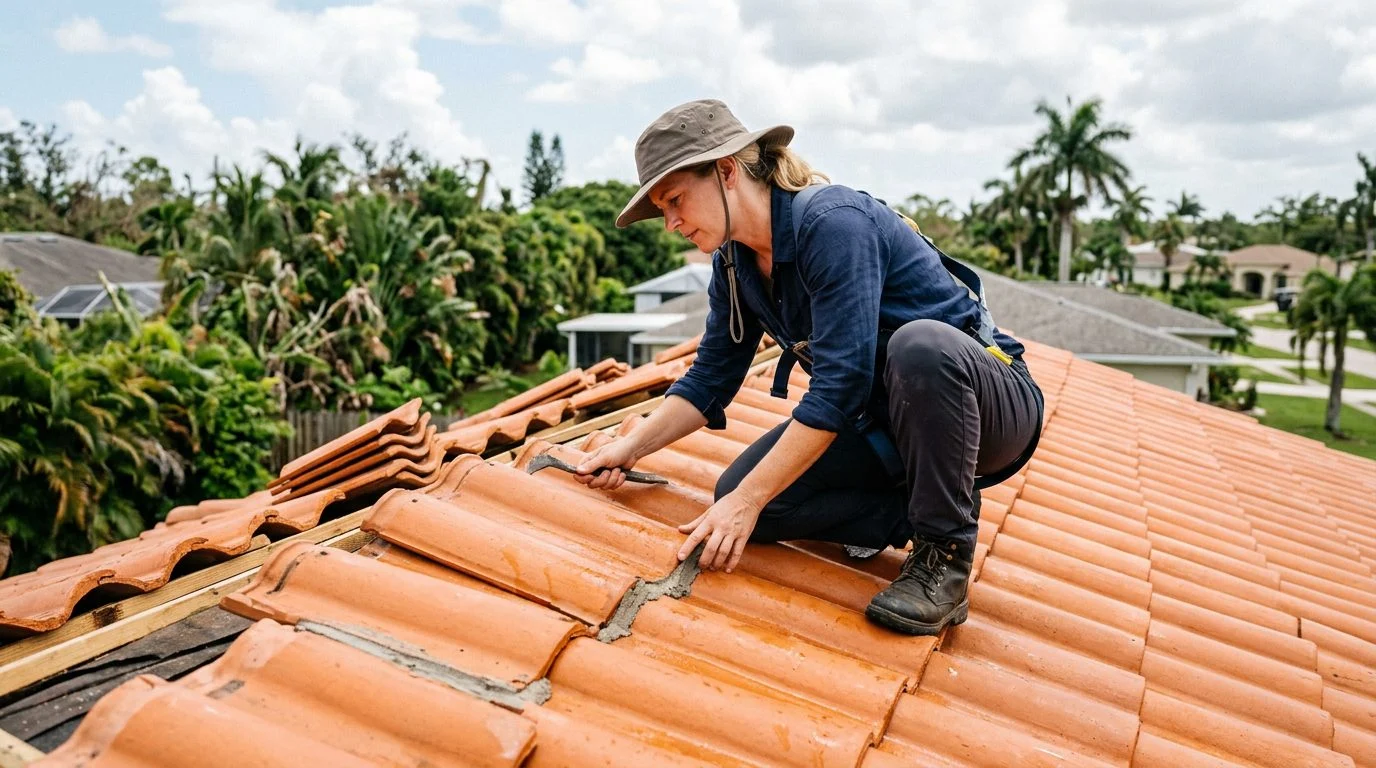
Re-tiling takes the tiles off. That exposes the battens and underlayment for a close look that is hard to get from the ground. It is the moment when the roof can be checked properly.
The question matters because battens do real work. They hold the tile in place and carry its weight. A weak batten can undermine a new tile installation, even when the tiles themselves look fine.
Who asks this? Usually one of three people: a homeowner after storm damage, a buyer or owner reviewing an aging roof, or a family member or property manager making the call for someone else. If that’s you, you’re asking the right question.
If a storm or an aging roof has left you wondering about the battens under your tile, our team can look at them with you on site. Talk it through with our team — the first consultation is free, confidential, and carries no obligation.
What Battens Do in a Tile Roof System
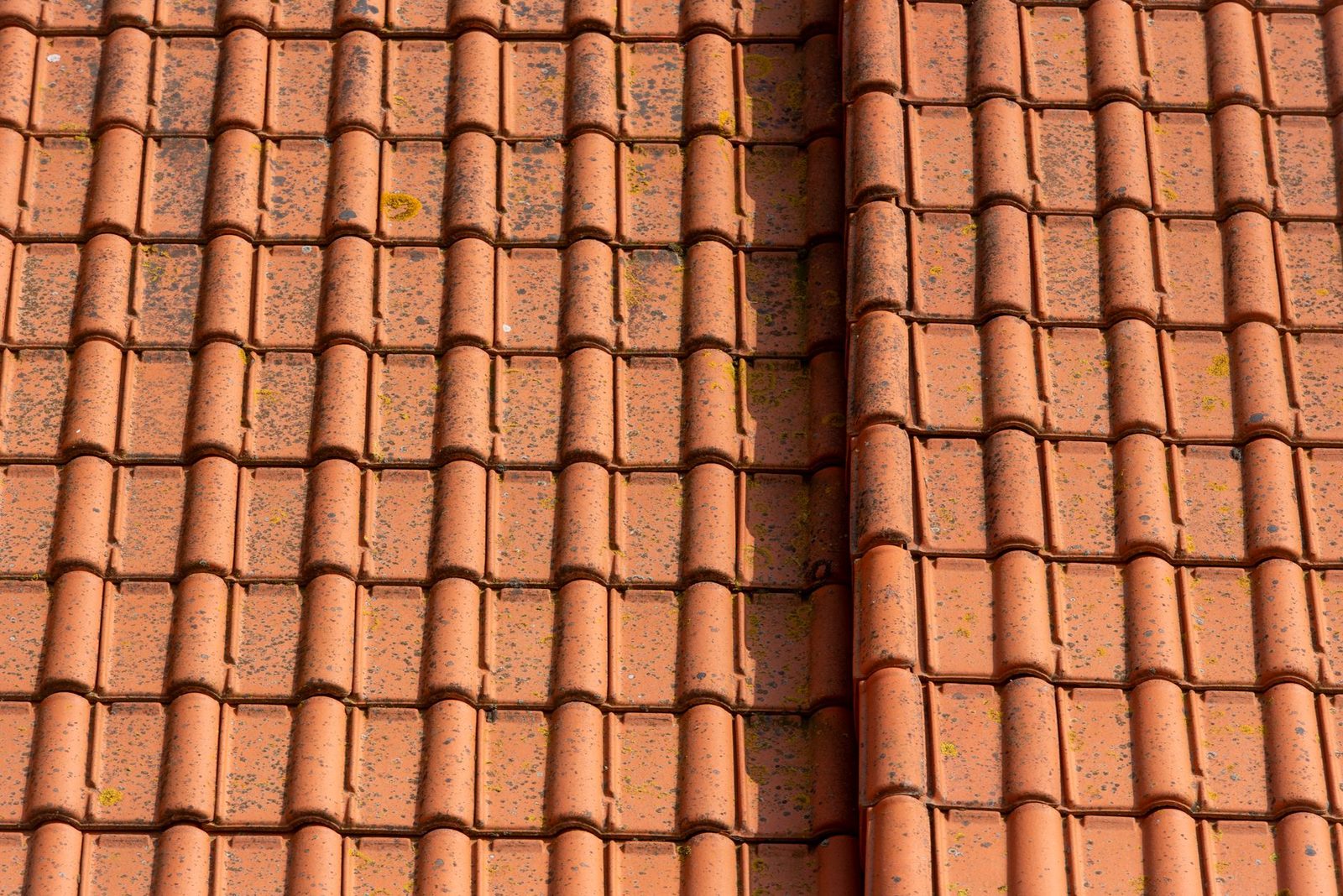
Battens are horizontal strips of wood or treated lumber. They are fastened over the roof deck or rafters, and they create the rows where tiles hang or are fastened.
The system builds in layers from bottom to top. The roof deck or rafters come first, then the underlayment, then the battens, then the tiles. Each layer depends on the others.
Tiles are held by hooks, nails, or clips that engage the battens. That makes the batten part of the fastening path, not just a spacer. If a batten splits or loosens, the tile above it loses support.
Batten spacing matches the tile profile. A change in tile style can affect whether existing battens still work, even when the old battens are sound. Many homeowners miss this detail.
Signs Existing Battens Need Replacement
Battens need replacing when they are rotted, cracked, or badly fastened. Soft spots are the most common warning sign. Look for battens that give under pressure, especially near valleys, eaves, and roof penetrations where water collects.
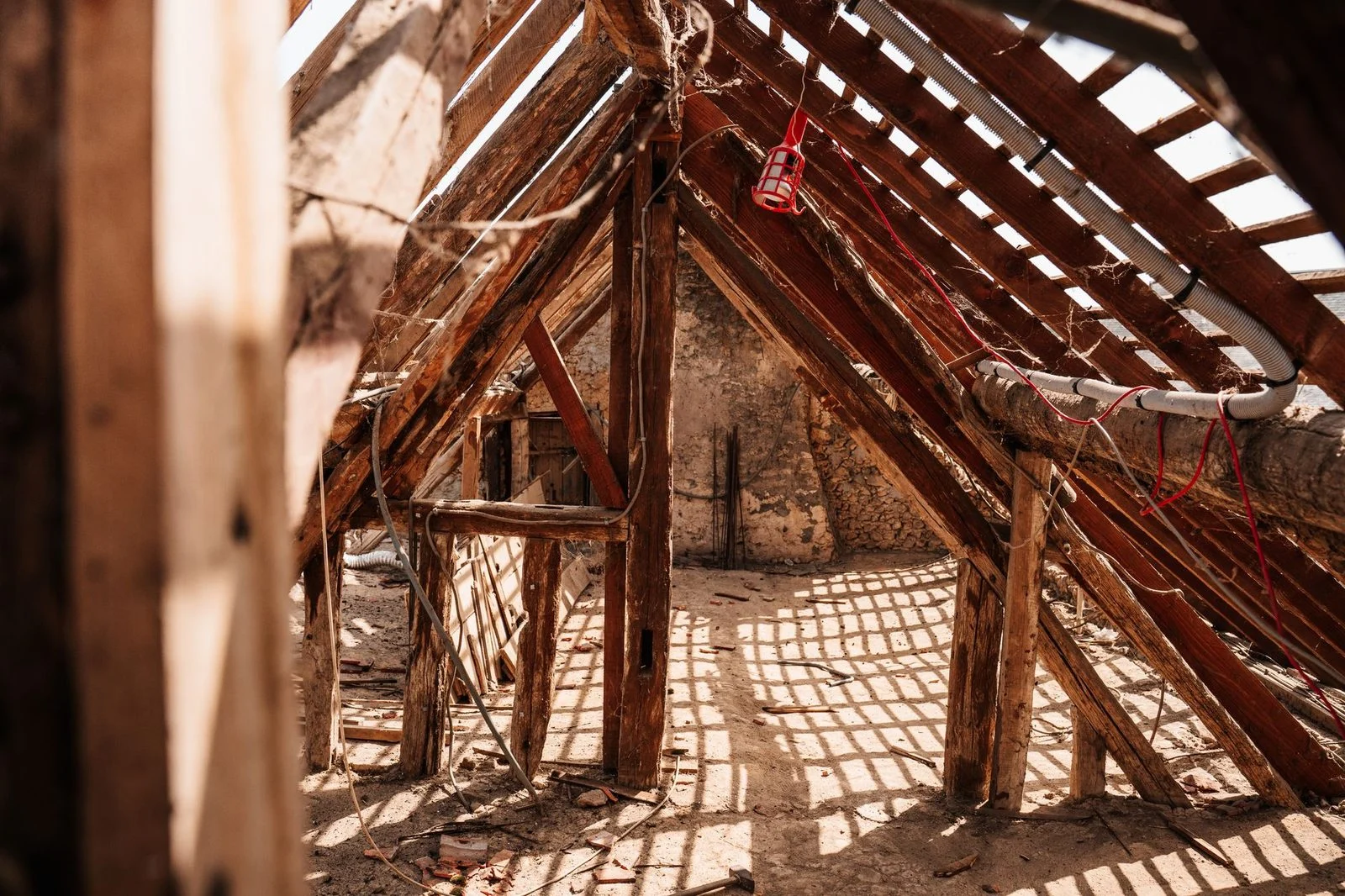
Splitting or crushing around fasteners reduces holding strength. Insect damage, including termite tunnels or hollowed sections, can stay hidden under the surface. A batten can look solid from above and still fail when a tile is lifted.
Sagging or uneven rows point to a problem with the batten or the framing below. In the attic, dark staining on the underside of the deck or on the rafters can signal a long-term leak path. Treat staining as a sign that water has been getting in.
Battens that break or crumble when tiles come off cannot be reused. That is a clear answer. Ask the crew to show you the damaged pieces before they are discarded.
Why South Florida Conditions Change the Answer
South Florida’s humidity, coastal salt air, and frequent rain speed up wood decay and fastener corrosion. Batten condition is a bigger concern here than in drier climates.
Wind adds more strain. Uplift during tropical storms pushes on the whole tile assembly. A batten that looked fine in a calm year may not hold up after a hard storm.
Florida’s rules add checks. Under Fla. Stat. § 553.79, it is unlawful to repair or alter a building without first getting a permit. Unless another law provides otherwise, re-tiling is work that needs one.
Code changes matter near the coast. The Florida Building Commission’s 2026 Building code analysis reports that fasteners and connectors within 3,000 feet of a saltwater coastline must comply with Section 1711. Fastener choice becomes part of the batten decision. The NRCA roofing materials guidelines cover the durability of clay and concrete tile in Florida.
Can You Re-Tile Over Existing Battens?
Often, yes. Existing battens can be reused when they are sound, properly spaced, and fastened to the structure below. Reuse is decided after inspection, not before.
When the new tile has the same profile and gauge as the old tile, the existing spacing may work without change. When the profile changes, battens may need re-spacing, added pieces, or replacement. This lets the new tiles sit and fasten correctly.
Partial replacement is common when only some battens are damaged. The sound sections still need checking against the new layout. A few bad battens don’t automatically mean the whole roof needs new ones.
Underlayment is usually reviewed at the same time. A batten replacement exposes the underlayment beneath it. The Florida Building Commission’s 2026 Building code analysis reports that Section 1518.2 now requires underlayment to lap over hips and ridges a minimum of 6 inches, except where ventilation openings are provided.
What a Proper Re-Tiling Inspection Covers
A thorough inspection starts on the roof. The crew removes a sample of tiles in several areas, including the eaves, ridge, valleys, and spots around vents or skylights. Those spots show how the battens hold up in different conditions.
Next, the battens get probed. A tool or firm pressure finds soft wood that looks fine from above. Loose nails and fastener pull-through get noted at the same time.
From the attic, the deck and rafters beneath the battens get checked for moisture, staining, and fastener pull-through. Attic checks catch problems the roof surface hides.
Photos and a written list show what was replaced and why. Keep that record with your property papers. Roof work also carries serious risk. OSHA publishes guidance stating that roofing involves significant fall and other hazards, so the crew’s safety practices are worth asking about.
Not sure what your next step is?
Talk it through with our team — the first consultation is free, confidential, and carries no obligation.
Questions to Ask Before Agreeing to a Re-Tile
Ask these before you sign. Good answers are specific.
Will the battens be checked from the attic and on the roof? What does that check include, and which areas get tile removed for a look?
Which battens will be reused, and which will be replaced? What decides that call? The answer should point to the inspection findings.
How will the new tile profile match the batten spacing? A mismatch here can cause trouble after the job is done.
Will the underlayment be checked or replaced with the battens? Ask how it laps at hips and ridges.
Which permits and inspections does the project need, and who handles them? Florida law generally requires a permit for this kind of work.
Will the written estimate list batten work on its own line? A separate line makes the scope clear and easier to compare.
Frequently Asked Questions About Re-Tiling and Battens
How often should roof tiles be changed?
Tile life depends on the material, installation, exposure, and upkeep. Inspection results matter more than a fixed age.
Do you have to nail down roof tiles?
Fastening depends on the tile type, roof location, and the wind design requirements in the Florida Building Code.
Should a 20-year-old tile roof be replaced?
Age alone does not decide it. The condition of the tiles, battens, underlayment, and deck does.
Do tile roofs need new battens every time?
No. Battens are reused when they are sound and compatible, and replaced when they are damaged or mismatched.
Talk Through Your Tile Roof Situation With Our Team
If a storm or an aging roof has landed this question on your desk, you don’t have to sort it out alone. Batten questions are easiest to answer on the roof, because the condition of the wood can’t be judged from the ground.
Our team can look at your battens, underlayment, and tile profile on site and walk you through what it finds. The first consultation is free, confidential, and with no obligation to continue. To request a free estimate, visit ASP Superhome’s contact page.
For the broader repair-or-replace choice, our tile roof replacement and tile roof repair guides cover the options in more depth.
What Homeowners Should Check
Condition Over Age
Batten condition matters more than a fixed number of years. Inspection results should guide the decision.
Wind and Storm Wear
Frequent wind-driven rain and storms can affect how tiles are held in place, so the layer beneath them deserves a look.
Written Findings
A written inspection helps you see what was found, where, and what is recommended.
Planning the Work
Battens are commonly reviewed during a re-tiling project, so the repair and the new tile work can be planned together.
Don't Wait for a Leak
Loose, cracked, or missing tiles and water stains on a ceiling can signal water getting past the roof surface. Schedule an inspection before the damage spreads.
Signs Your Battens May Need Attention
Loose or Moving Tiles
Tiles that shift, rattle, or lift can point to fastening problems underneath.
Soft or Deteriorated Wood
Battens that crumble, feel soft, or show rot when viewed from the attic should be evaluated.
Water in the Attic
Staining on decking or battens can indicate that water is getting past the tile layer.
Sagging or Uneven Lines
A roof surface that dips or looks uneven may signal wear in the structure below the tiles.
Get a Free Estimate for Your Tile Roof
Related practice areas
- Tile Roofing in South Florida: Costs, Styles & Installation Guide
- Can You Put Solar Panels on a Tile Roof in Florida?
- Shingle Roof Replacement Cost in Florida: What to Expect


