


Tile Roofing | South Florida
Pick a Tile Roof Color That Works With the Florida Sun
Color matters in South Florida heat, but it works best alongside insulation, ventilation, and shade. Learn what to weigh before you choose your tile roof.
By Jonathan Rodriguez · Published October 22, 2026
The best tile roof color for South Florida heat is usually a lighter shade. Light tile reflects more sunlight, so less heat tends to build up under the roof. Color is only one factor, though. Insulation, attic ventilation, shade, and roof orientation also shape how hot your home gets. This guide explains how to weigh them before you choose.
Why Roof Color Matters in South Florida’s Heat
Roof color decides how much sunlight your roof absorbs. The roof is the first surface to take in the sun all day, so its shade counts. Dark tile soaks up solar energy. Light tile sends more of it back out.
Absorbed heat doesn’t stay on the roof. It moves into the attic below and warms the air your cooling system has to work against. In South Florida, the long hot season and high humidity keep that load high for many months. The effect is strongest on the top floor, where the attic sits right above the ceiling.
The U.S. EPA explains that reflective, light-colored metal roofing can reduce solar heat transfer, indoor temperatures, and air-conditioning energy use, including in warm climates. The same idea of reflecting sunlight is why light shades are popular in hot regions. You can read the EPA cool roof guidance for the details.
If you're replacing a worn tile roof and can't decide between a cooler shade and the color you love, our team can help you weigh both. Talk it through with our team — the first consultation is free, confidential, and carries no obligation.
How Light and Dark Tile Colors Compare
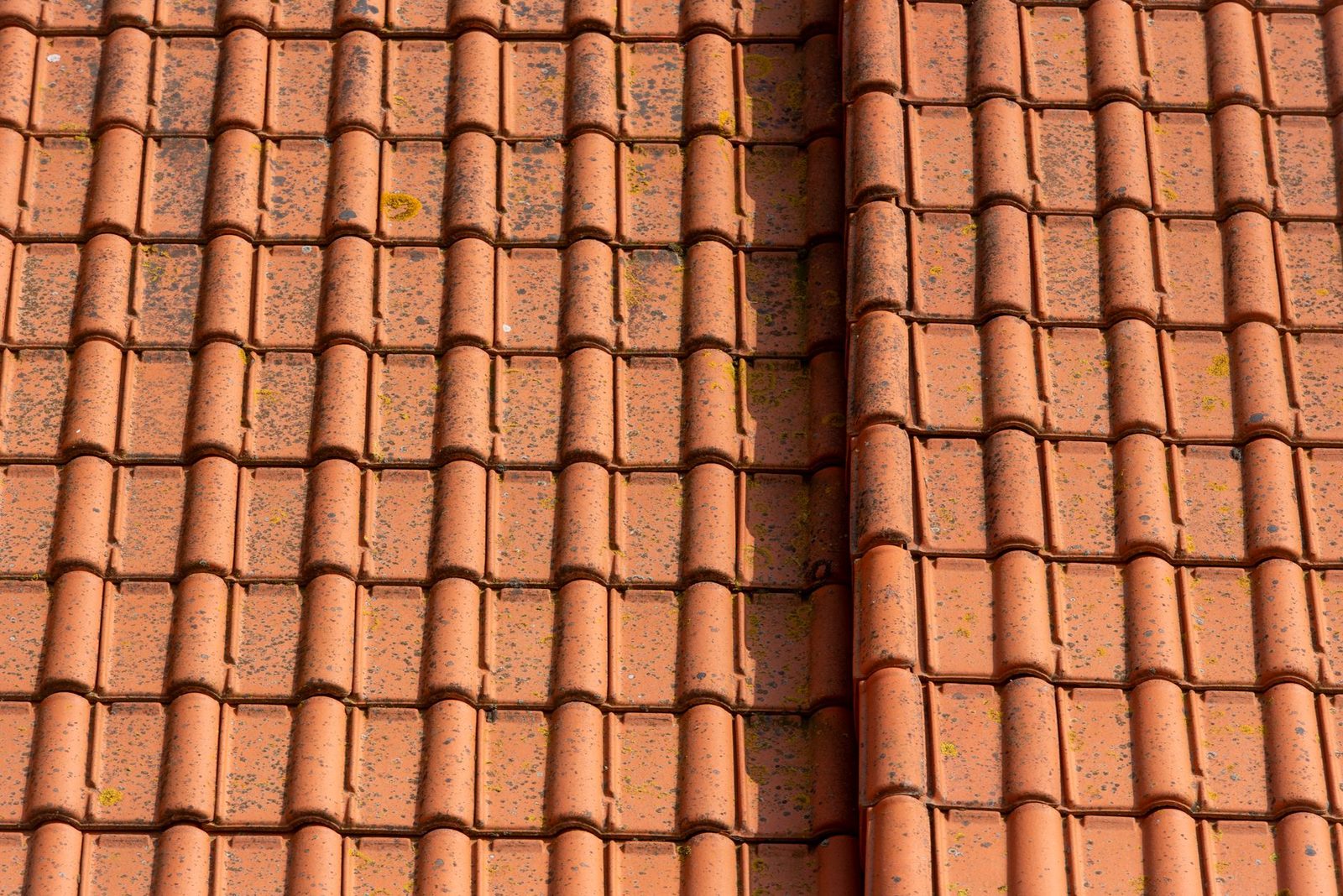
Light tile colors reflect more sunlight than dark ones. Whites, tans, and light grays generally reflect more. Dark browns, deep reds, and charcoals generally absorb more solar energy. That can raise surface temperature on hot, sunny days.
Mid-tone colors fall between these extremes. Their performance depends on the pigment and glaze in the tile, so two tiles that look alike may behave differently. Ask about the specific product, not only the color name.
Clay and concrete tiles both come in a range of colors. The tile material also affects which colors and finishes are available, so review both together. Before you order, read the Tile Roofing Industry Alliance installation guides. They cover proper installation and acceptable products for high-wind use in Florida.
Understanding Solar Reflectance and Cool Roof Ratings
Solar reflectance is the share of sunlight a surface bounces back. Thermal emittance is how well a surface gives off heat it has already absorbed. A higher reflectance generally means less heat soaks into the roof.
Emittance matters too. It affects how fast the surface sheds heat it has taken in. Both numbers are measured for specific products and colors. A color name alone doesn’t tell the whole story. Two shades labeled “light” can still rate differently.
ENERGY STAR notes that lighter or more reflective metal roof colors generally stay cooler. It says this can improve energy savings in hot, sunny climates such as Florida. Those findings are for metal roofs, so use them as a general guide for tile. Ask our team for the reflectance and emittance ratings of the tile lines we install. That way you compare measured values side by side.
Matching Color to Your Home and Roof Setup
Sun exposure and roof shape change how much heat a roof takes in. Roof pitch and orientation to the sun both matter. A roof that faces full afternoon sun gets more heat than one shaded by trees or a taller building.
Shade can change the color decision. A heavily shaded roof may call for different priorities than one in full sun. The attic matters as well. Insulation and ventilation control how much roof heat reaches the living space below.
Your community may have rules too. Florida law says an HOA board must adopt hurricane protection specifications for each structure. Those specifications may include the color and style of hurricane protection products, and they must comply with the applicable building code. The same Florida statute on association architectural control defines hurricane protection to include roof systems recognized by the Florida Building Code that meet ASCE 7-22 standards. It also limits an association’s review authority to what its declaration or published guidelines state or reasonably imply. Check your neighborhood’s published guidelines before you choose a shade.
What Color Can and Cannot Do for Energy Use
Color is one factor among several. It works alongside insulation, ventilation, and the roof system as a whole. A lighter roof can reduce heat absorption. How much that changes your energy use depends on the home, how it’s used, and local conditions. Any savings depend on those facts.
Pair a light color with good attic ventilation and insulation. That combination is a common approach to managing attic heat. Color alone won’t fix a poorly ventilated attic.
Replacing an old roof with tile calls for a structural check. The NRCA roofing materials guidance notes that a building’s structural load capacity should be verified when another roof covering is replaced with tile. Tile adds weight, so ask about this early.
Tile is a long-term material. Your color choice will stay on the roof for years, so think beyond this season.
Choosing the Right Color With Our Team
Picture a homeowner whose tile roof is worn and due for replacement. They want a lighter shade to ease attic heat. They also like a darker color that suits the house. The right choice weighs heat against looks, with the roof’s sun exposure, attic setup, and HOA rules in view.
Start with the facts about your roof. Note which sides get afternoon sun. Check how the attic is insulated and vented. Confirm whether your community sets color rules. Then compare measured reflectance ratings for the products you’re considering.
Is light tile always the best choice for South Florida heat?
Not always. Light colors usually reflect more sunlight, but insulation, ventilation, and shade also shape attic heat.
Do light colored tile roofs stay cooler in Florida?
Generally, lighter and more reflective roof colors stay cooler in hot, sunny climates like Florida. Results still vary by product.
Can an HOA control the color of my tile roof?
Florida law requires an HOA board to adopt hurricane protection specifications for each structure, and those specifications may include color and style. Those must comply with the applicable building code.
Should I check roof structure before switching to tile?
Yes. NRCA guidance says to verify structural load capacity when replacing another roof covering with tile.
If you’re replacing a worn tile roof and torn between a cooler shade and the look you want, contact our team. Our first consultation is free, confidential, and carries no obligation to continue. We can walk through color, roof orientation, and your replacement plan together.
What Shapes Roof Heat in South Florida
Color and Reflectivity
Lighter and more reflective tile tends to absorb less sunlight than darker tile. Reflectivity varies by product, so compare the specific tile rather than color alone.
Attic Insulation
Insulation slows heat moving from the roof into the attic and living space. A well-insulated attic can make a meaningful difference regardless of roof color.
Attic Ventilation
Airflow lets hot air escape from the attic. Proper ventilation helps the whole roof system manage heat in long, humid summers.
Shade and Orientation
Nearby trees, the direction your roof faces, and the pitch of the roof all influence how much sun it takes in each day.
Color Alone Won't Decide the Outcome
Light tile is often a helpful choice in hot, sunny climates, but it is not a complete solution on its own. Consider color together with insulation, ventilation, and shade for the most complete picture.
Start With a Free Consultation
Confidential Conversation
Share your roof details and goals in a private, confidential discussion.
No Obligation to Continue
The first consultation is free, and there is no obligation to move forward.
Practical Color Guidance
We help you weigh tile color alongside the other factors that affect heat in your home.
Direct Conversation With Our Team
Our team focuses on South Florida homes and will walk you through your options.


