


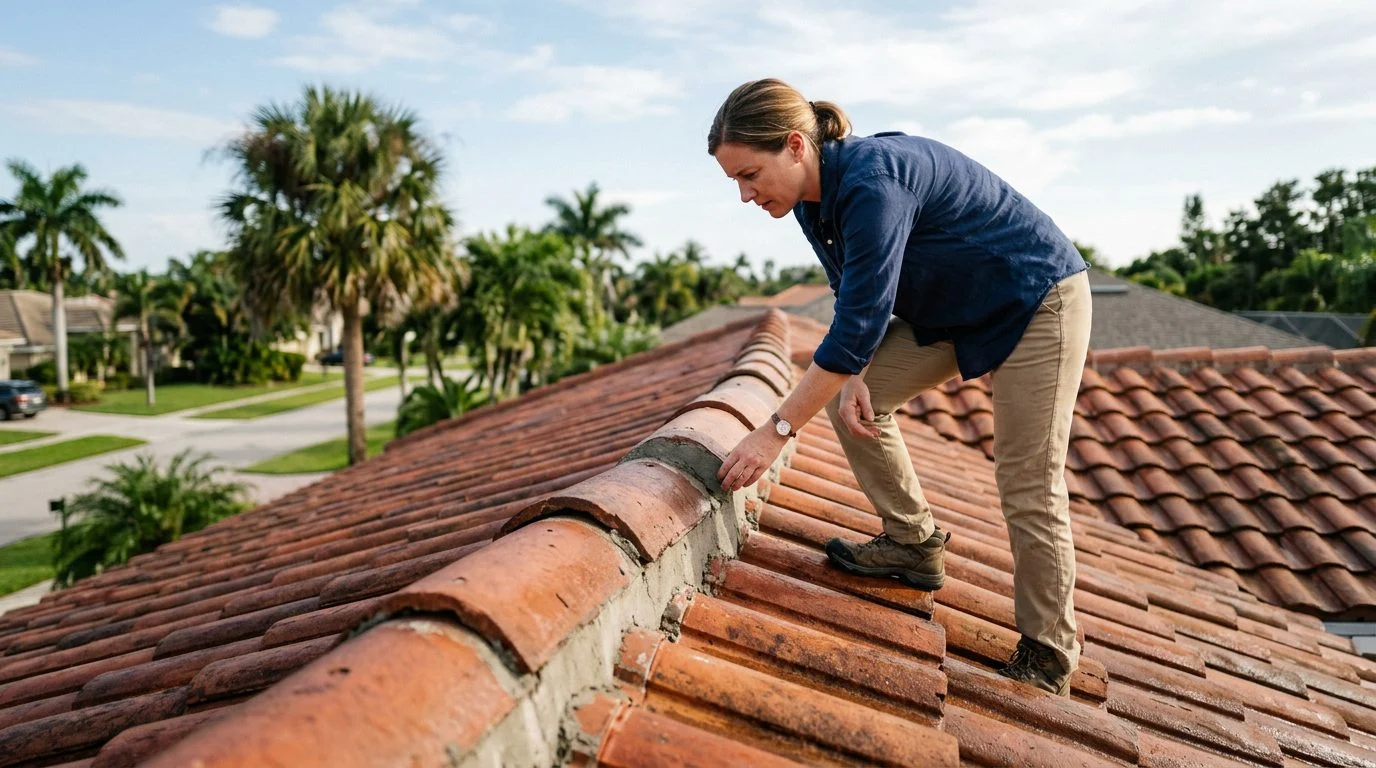
Tile Roofing | South Florida
Can New Tile Go Over Old Tile on Your Florida Roof?
Sometimes. Here is what to consider.
By Jonathan Rodriguez · Published November 4, 2026
The Short Answer: Can You Install New Tile Over Old Tile in Florida?
In some cases, yes. A new tile roof can sometimes go over an existing tile roof in Florida, but it is never automatic. The roof structure, the old tile’s condition, the underlayment, and local permit rules all shape the answer.
Many owners ask this when their tile is cracked or getting old. It’s a fair question. But an overlay isn’t the right choice for every home. Some roofs need the old tile removed so the crew can see and fix what’s underneath.
This guide covers the questions to ask before you pick an overlay or a full tear-off. For the bigger picture, read our tile roofing guide for South Florida.
Request a free estimate today. Talk it through with our team — the first consultation is free, confidential, and carries no obligation.
Why So Many Florida Homes Have Tile Roofs
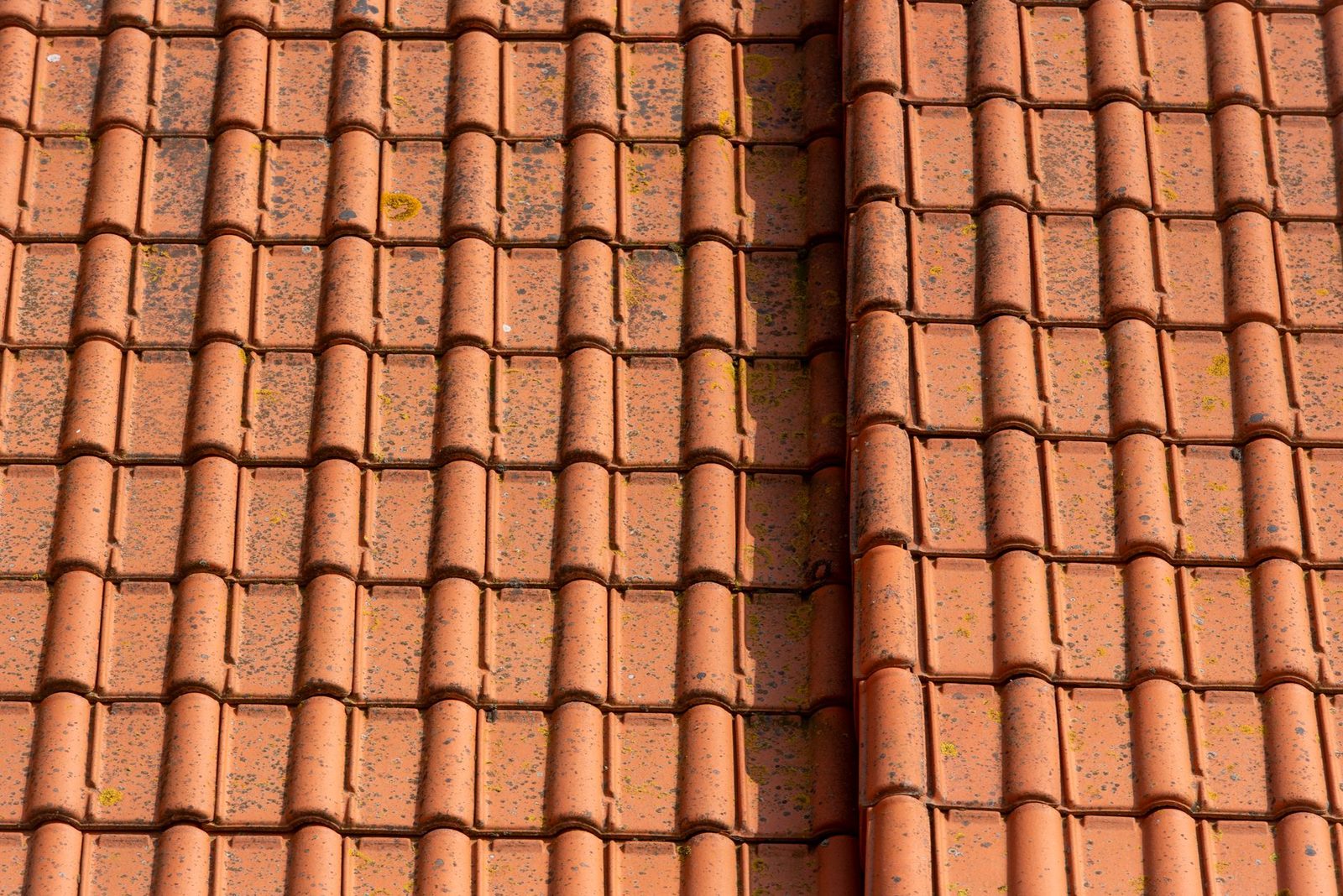
Tile is a common roof choice across South Florida. Homeowners value it for its handling of heat, sun, and heavy rain. The Tile Roofing Industry Alliance describes clay and concrete tile roofs as long-lasting and durable.
Two main types show up on Florida homes: clay tile and concrete tile. Both are heavy. They also differ in look and cost, so the right type depends on the home and budget.
Florida’s storm exposure makes the whole roof system important. Wind can lift tile that is poorly fastened or sits on worn underlayment. That means a tile roof needs a check beneath the surface, not just a look at the top layer.
What Florida Building Rules Mean for a Tile-Over-Tile Reroof
Florida’s building code sets the conditions for reroofing. The 2026 code revised its residential section on recovering versus replacement. It allows the upper roof covering to be removed during recovering, but only when the existing or repaired substrate is adequate for the new covering. See the Florida Building Commission analysis of residential R908.3.
Permits matter too. Under Florida’s building rules, a permit from the enforcing agency is generally required before a building is repaired or altered, unless otherwise provided by law. See Fla. Stat. § 553.79.
How much of a roof section the work covers is a separate question, addressed in Florida Statutes § 553.844(5) rather than § 553.79. Local building departments in each county and city apply these rules to your address.
Structural Load: The Question That Decides Most Overlays
A second tile layer is only possible if the framing can carry it. Concrete and clay tile are heavy. A full second layer adds dead load, the constant weight of the roof itself, to the rafters, trusses, and walls.
A structural evaluation checks whether the existing framing can handle that extra weight. Older homes and homes with lighter framing raise the most questions. When the framing falls short, the old tile has to come off.
Florida law also limits roof-to-wall connection work. Florida law, in this statute, provides that connections between the roof and the walls at gable ends or at all corners shall not be required unless their evaluation and installation can be completed for 15 percent of the cost of roof replacement. That cost limit affects how a reroof is planned.
Inspecting the Existing Tile: Cracks, Loose Pieces, and Hidden Damage
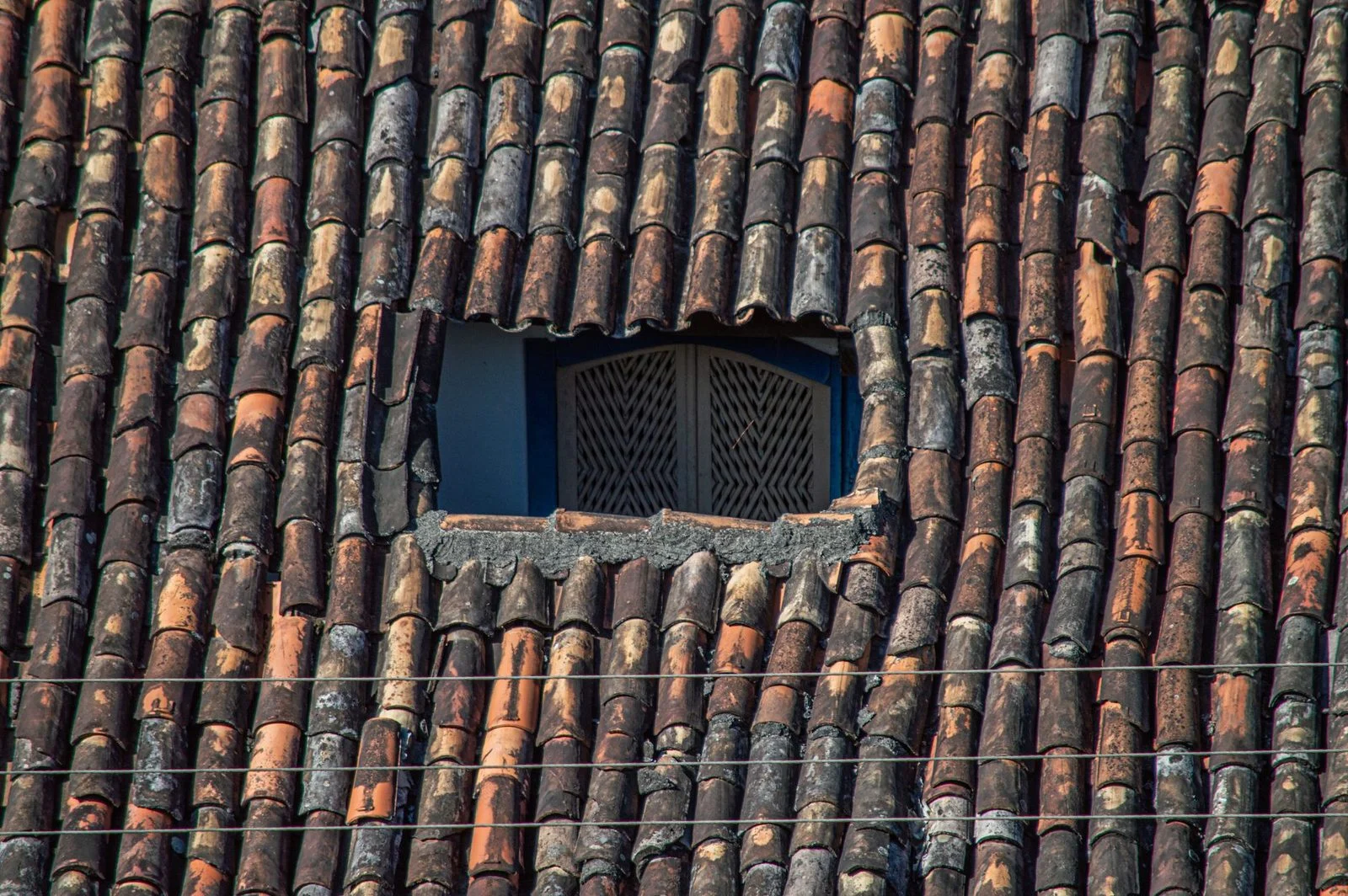
The old tile’s condition decides whether an overlay makes sense. Cracked, slipping, or broken tiles can point to a bigger problem. An overlay covers those problems instead of fixing them.
Underlayment, battens, and fasteners sit beneath the tile. An overlay leaves them in place and out of view. Look for stains on ceilings, soft decking, or signs of past leaks. Those issues need repair before any new tile goes on.
A look from the ground is not enough. A hands-on inspection on the roof can check the layers beneath the tile. The 2026 code also added a section on which underlayments can go over an existing self-adhering underlayment during clay or concrete tile replacement. See the Florida Building Commission analysis of existing building section 706.7.3.2. Roof work also carries real fall hazards, as the OSHA roofing safety guidance explains, so inspections should be done by trained crews.
Tile Over Tile vs. Tear-Off: Pros, Cons, and Cost Factors
An overlay usually means less debris and possibly less labor time. That is its main advantage. It also keeps the old tile in place.
The drawbacks are real. The extra weight stays on the structure. Hidden damage stays hidden. Drainage and flashing can cause trouble where new and old tile meet.
A tear-off lets the crew inspect and replace the underlayment, decking, and flashing. It can also address hidden problems directly. The 2026 code requires drip edge on tile roof slopes of 2:12 and greater, which a crew should plan for either way. See the Florida Building Commission analysis of residential R905.3.8.1.
Cost depends on roof size and pitch, tile type, access, decking or framing repairs, and permit and inspection needs. Compare overlay and tear-off on total scope, not just the first price.
Not sure what your next step is?
Talk it through with our team — the first consultation is free, confidential, and carries no obligation.
Longevity, Maintenance, and Choosing Clay or Concrete Tile
Tile can last for decades when it is installed and maintained well. An overlay’s life, though, depends on what sits underneath it. A sound base gives the new layer a better chance.
Routine care helps. Schedule periodic inspections, clear debris, check flashing and valleys, and replace broken tiles promptly. Small fixes are cheaper than hidden rot.
Clay and concrete tile differ in weight, color retention, and cost. Those differences decide whether a given roof is a good overlay candidate. Color also affects appearance and heat absorption, so plan it together with the existing roof.
Insurance can matter too. See Citizens Property Insurance inspections.
Ready to Talk About Your Tile Roof? Contact ASP Superhome
If your tile is cracked, slipping, or leaking, the next step is a hands-on look at the roof. Our team can help you weigh an overlay against a full replacement for your home. We can also handle tile roof repair when only part of the roof needs work.
ASP Superhome offers a free first consultation. It is confidential and comes with no obligation to continue (consulta inicial gratuita, confidencial y sin compromiso). Contact ASP Superhome to book a free estimate or request a quote.
Frequently Asked Questions
Can you install new tile over old tile in Florida?
Sometimes. It depends on the framing, the old tile’s condition, the underlayment, and permit rules.
Do you need a permit to replace a tile roof in Florida?
Florida law generally makes it unlawful to repair or alter a building without a permit. Check with the enforcing agency for your address.
Does a tile roof need drip edge?
Under the 2026 code, drip edge is required on tile roof slopes of 2:12 and greater.
How long does a tile roof last in Florida?
Clay and concrete tile are described as long-lasting and durable. Lifespan depends on upkeep and what sits beneath the tile.
Permit requirements
Florida law generally requires a permit to repair or alter a building. Requirements vary by address, so we confirm them with the enforcing agency for your property.
Don't Assume Overlay Is Allowed
Layering new tile over old without checking the framing, underlayment, and permit requirements can lead to hidden damage and costly corrections later. Confirm the approach before work begins.
Overlay or Full Replacement: Key Questions
Is the existing tile in good shape?
Cracked, slipping, or widely damaged tiles often point toward replacement rather than layering over the old roof.
Can the structure handle the load?
Added weight matters. The roof framing and decking must be evaluated before any new tile goes on top.


