


Tile Roofing | South Florida
Partial Tile Roof Replacement in Florida: When Patching Fails
When leaks keep returning and cracked or slipping tiles spread across your roof, replacing only the damaged section can be the practical next step. Our team reviews your roof and explains your options.
By Jonathan Rodriguez · Published October 25, 2026
What Is a Partial Tile Roof Replacement, and Who Is It For?
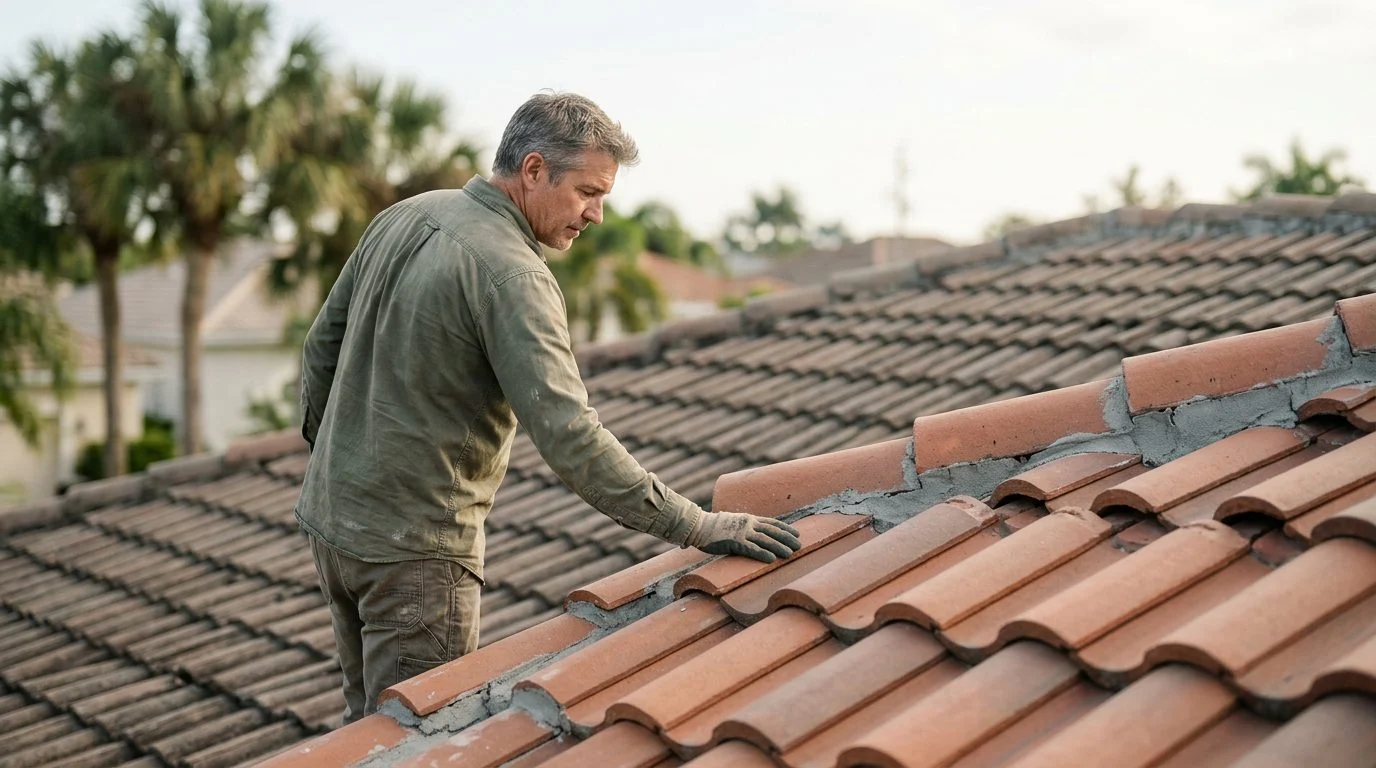
A partial tile roof replacement removes and reinstalls tile over one defined area. That area might be a slope, a valley, or the section around a leak. The rest of the roof stays in place.
It sits between two other options. A single-tile repair swaps a few broken pieces. A full roof replacement removes the whole tile covering. A partial job fits when damage is real but limited to one part of the roof.
Homeowners in Miami, Fort Lauderdale, West Palm Beach, Kendall, Naples, Fort Myers, and Boca Raton often ask about this. They usually spot the problem after wind-driven rain, flying debris, or a leak that traces back to one area. Tenants and property managers ask too, often on behalf of the owner.
The right scope depends on three things. Roof age, tile type (concrete or clay), and how far the damage reaches all shape the answer.
Not sure what your next step is?
Talk it through with our team — the first consultation is free, confidential, and carries no obligation.
Signs That Patching Is No Longer Enough
A patch stops being enough when damage spreads past single tiles or reaches the layer beneath them. Watch for these signs:
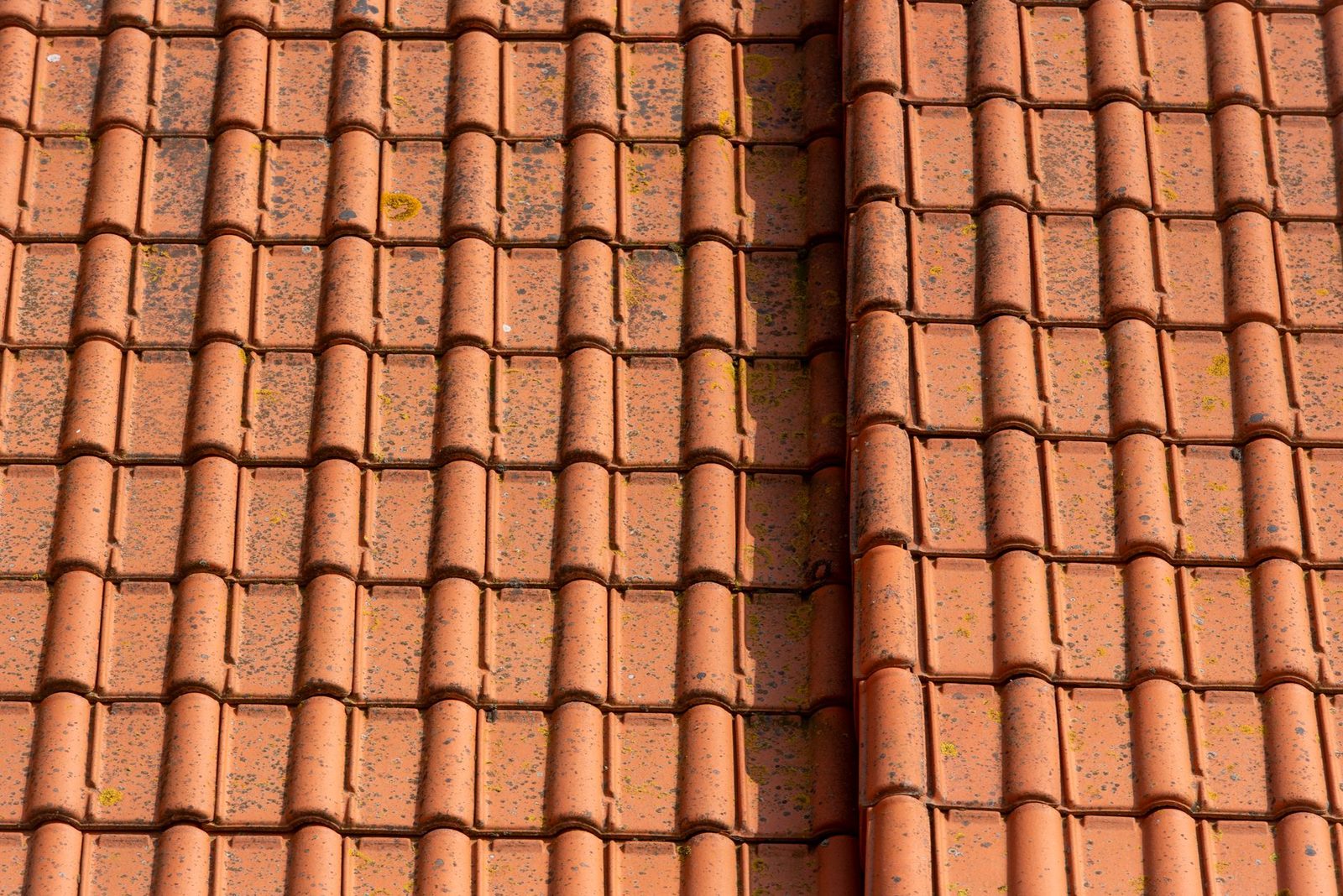
- Several cracked or broken tiles clustered in one area, not scattered single pieces
- Tiles that slide, shift, or go missing from the same row, exposing the material below
- Leaks or ceiling stains that come back after earlier repairs
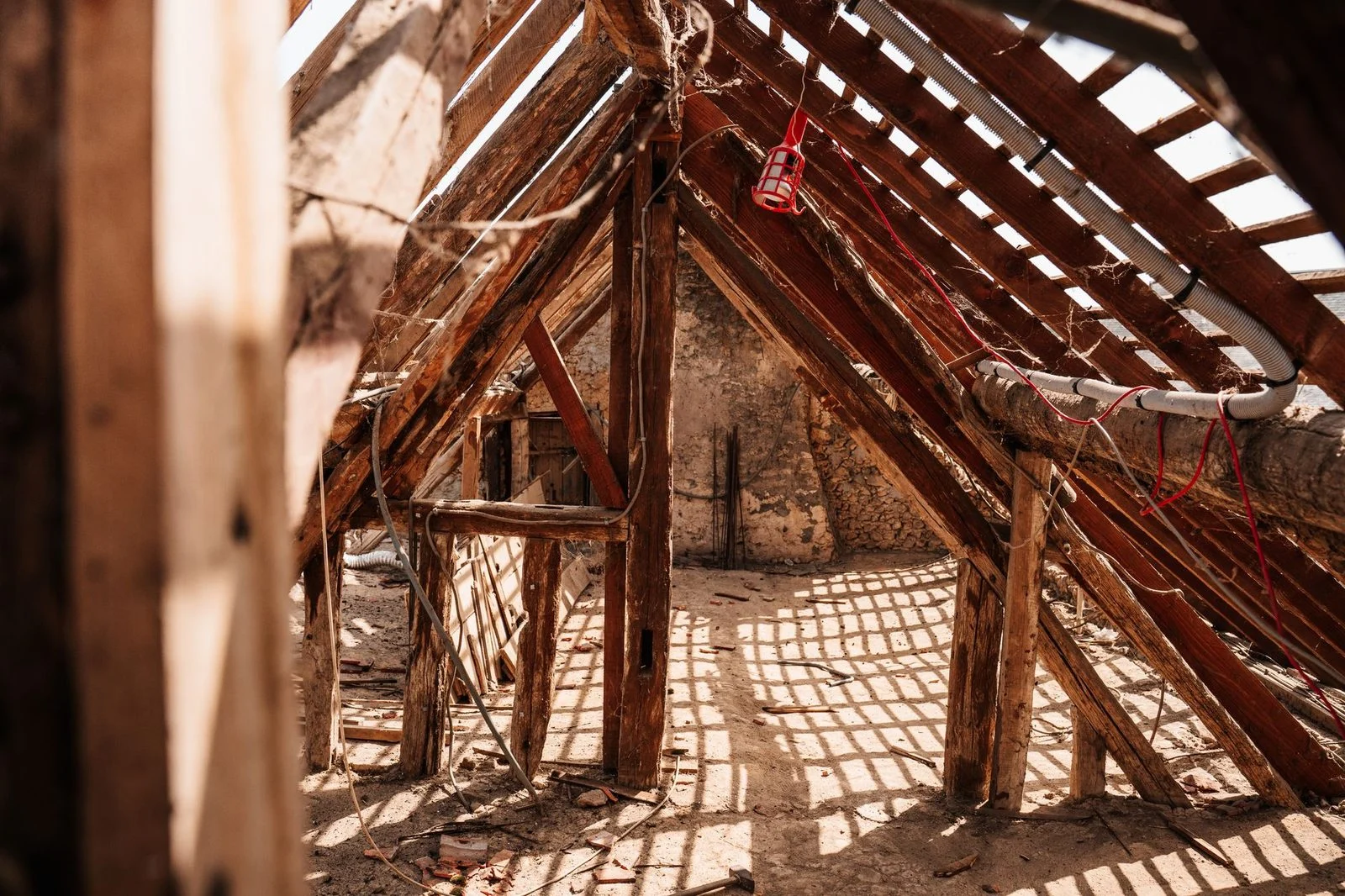
- Water stains, daylight, or soft wood near rafters or decking when you check the attic
- Underlayment that crumbles or tears when a tile is lifted
Waiting carries a cost. Water that gets past the tile can damage decking, insulation, and ceilings. A repair that once would have been small can turn into interior work.
How Close Can a New Tile Match the Old One?
A match depends on profile, color, and availability. Profile means the shape and curve of each piece. A small change in curvature or thickness can make new tile sit differently beside old tile.
- Profile and dimensions: Older tile may no longer be made in the same shape.
- Color and glaze: Years of Florida sun fade tile, so fresh tile can look different even when the shape fits.
- Product availability: Some manufacturers have discontinued older product lines.
When an exact match isn’t available, the crew reviews options on site. They look at the tile you have, the sections around the repair, and what the manufacturer still offers. Some options are close matches, and some are not. The crew explains the differences before work begins.
What a Partial Replacement Includes
A partial job covers the damaged section and the parts that meet it. Typical work includes:
- Inspection of the tile, battens or framing, and decking where it can be reached
- Careful removal and sorting of tile that can be reused
- Inspection and replacement of underlayment in the affected section
- Flashing, valley, and ridge or hip work where the repaired area meets other roof parts
- Installation of new or matched tile, fastened and sealed for Florida wind exposure
- Debris cleanup, a magnetic sweep of the work area, and a final walk-through with you
Underlayment is the water barrier under the tile. New tile on worn underlayment can hide a problem that will show up later. The Tile Roofing Industry Alliance installation guides cover tile installation practices for high-wind conditions in Florida.
How the Process Works, Step by Step
A partial tile roof replacement in Florida usually follows six steps. Timing depends on the size of the section, access, material availability, and weather.
- First consultation and roof inspection. The crew checks the affected area and takes photos.
- Written estimate. It names the section, the scope of work, and the materials.
- Scheduling. Start dates depend on material availability and weather.
- Permits. Under Florida Statutes 553.79, unless otherwise provided by law, a permit from the appropriate enforcing agency must be obtained before a building is repaired, but a local government that issues building permits must exempt an owner of a single-family dwelling or the owner’s contractor from getting a permit for work valued at less than $7,500 on the owner’s property (Florida Statutes 553.79). Local rules differ. Local enforcement agencies must post their procedures for processing, reviewing, and approving building permit applications on their websites (Fla. Stat. § 553.79).
- Partial tear-off, underlayment check, and tile installation. Most localized sections are finished in a few days, though size and access change the schedule.
- Final inspection and walk-through. The crew reviews the finished work with you.
If storm damage is involved, Florida law generally requires notice to your insurer of a claim within 1 year after the date of loss, and of a supplemental claim within 18 months after the date of loss (Florida Statutes 627.70132). Track that date from the start.
What Drives Cost, and Is a Partial Job Right for You?
Cost depends on the facts of your roof, not on a regional average. The main drivers are:
- Square footage of the section
- Tile type and availability
- Underlayment condition
- Roof pitch, height, and access
- Permit requirements
A partial job usually costs less than a full roof and more than a single-tile repair. Averages are less useful for clay or concrete tile. Two roofs of the same size can need very different work.
Concrete tile has trade-offs. It is heavy, it can crack under impact, and older profiles are hard to match. The NRCA roofing materials guidance says you need to verify structural load capacity when tile replaces another roof covering.
Florida code can also apply. Under Florida Statutes 553.844, when 25 percent or more of a roof section built or repaired under the 2007 Florida Building Code or later is repaired, replaced, or recovered, only that portion must meet the code in effect.
A partial replacement is possible when damage is localized and the surrounding tile and underlayment are sound. The inspection decides that.
Not sure what your next step is?
Talk it through with our team — the first consultation is free, confidential, and carries no obligation.
Frequently Asked Questions
Can you get a partial tile roof replacement in Florida?
Often yes, when damage is confined to one section and the rest of the roof is sound.
How much does a tile roof replacement cost in Florida?
Cost depends on your roof’s size, tile type, and condition. A written estimate gives you a figure for your home.
Will new tile match my old tile?
Match closeness depends on profile, color, age, and availability. The crew reviews options on site.
Do I need a permit?
Local rules vary, so the crew confirms what applies to your address. Local rules vary, so the crew confirms what applies to your address.
Is the first consultation free?
ASP Superhome offers a free first consultation that is confidential and carries no obligation to continue.
Talk With ASP Superhome About Your Tile Roof
Maybe you noticed a leak after a storm. Maybe you’re checking a roof for a parent, a tenant, or a rental you manage. You may not have decided anything yet, and that’s fine.
A few cracked tiles or one stain can be the first sign that a section needs more than a patch. If that’s where you are, ask ASP Superhome for an estimate. The crew can look at your roof and explain what a partial tile roof replacement in Florida would involve.
Signs that patching is no longer enough
Leaks in the same area
If water keeps reaching the same ceiling or wall after repairs, the underlying tiles, underlayment, or flashing may be failing.
Cracked or broken tiles
Several cracked tiles in one section often point to wear that a single repair will not fix.
Loose or slipping tiles
Tiles that shift, slide, or lift in strong wind can leave the roof deck exposed to water and debris.
Repairs every season
When you are calling for patch work again and again, a targeted replacement of the worst section may cost less over time than continued repairs.
Why a partial replacement can make sense
Targets the damaged area
Replacing only the affected section can address the source of the problem without redoing the entire roof.
Honest assessment first
We look at the condition of the surrounding tiles, underlayment, and flashing before recommending a partial approach.
Written estimate
You receive a written estimate for your home, so you can compare the scope of work clearly before deciding.
Built for Florida conditions
Our work accounts for intense sun, heavy rain, and high winds common across South Florida.
Matching existing tile
Tile profiles, colors, and finishes change over time, so an exact match is not always available. We check the availability of your existing tile during the consultation and discuss the options that fit your roof.
Not sure whether your roof needs a partial replacement? Start with a free consultation.
Related practice areas
- Tile Roofing in South Florida: Costs, Styles & Installation Guide
- Tile Roof Underlayment Replacement in Florida: Why It Matters for Wind Code
- Are Metal Roofs Safe in Hurricanes? South Florida Guide


