


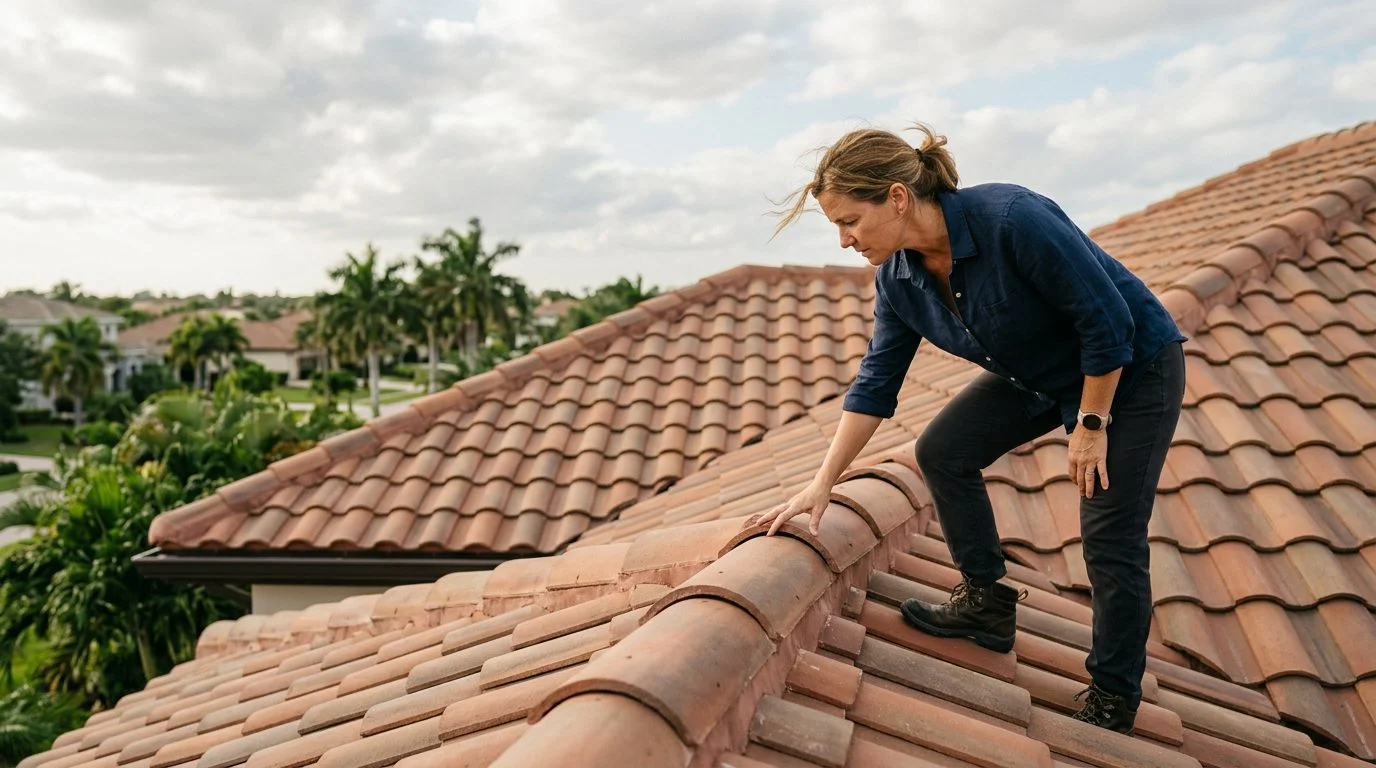
Tile Roofing | South Florida
Matching Roof Tile Replacement, Done Right
Damaged or broken roof tiles can be hard to replace when the originals are no longer made. ASP Superhome helps you identify your tile and find a close match for a clean, consistent repair or replacement.
Start With a Free Consultation
Free
First consultation
Confidential
Your information stays private
No obligation
Continue only if you choose
By Jonathan Rodriguez · Published October 25, 2026
Matching roof tile replacement in Florida means swapping cracked, broken, or shifted tiles for new ones that look like the rest of the roof. A close match is realistic for many homes. A perfect match is harder, because sun, salt air, and age change tile over time. This guide helps you judge your options before you book anything.
What Matching Tile Replacement Covers and Who Needs It
Matching tile replacement swaps damaged tiles for new ones that fit the existing profile, size, and color. It can cover a few tiles, a section of roof, or a larger area when the old tiles can’t be matched well enough.
Common reasons include:
- Cracks or breaks from wind-blown debris or a storm
- Tiles that slid or lifted out of place
- Tiles that must come off so the underlayment beneath can be checked or fixed
- Wear that has left tiles loose or brittle
This work fits homeowners, condo and HOA-managed buildings, landlords, and property managers. Family members who act for an owner also use it. A tenant or relative can describe the damage and tile type to start the conversation. You don’t need to own the roof to ask questions.
If cracked or missing tiles have shown up after a storm, our team can review your roof with you and talk through what a match looks like. Talk it through with our team — the first consultation is free, confidential, and carries no obligation.
How to Identify Your Existing Roof Tiles
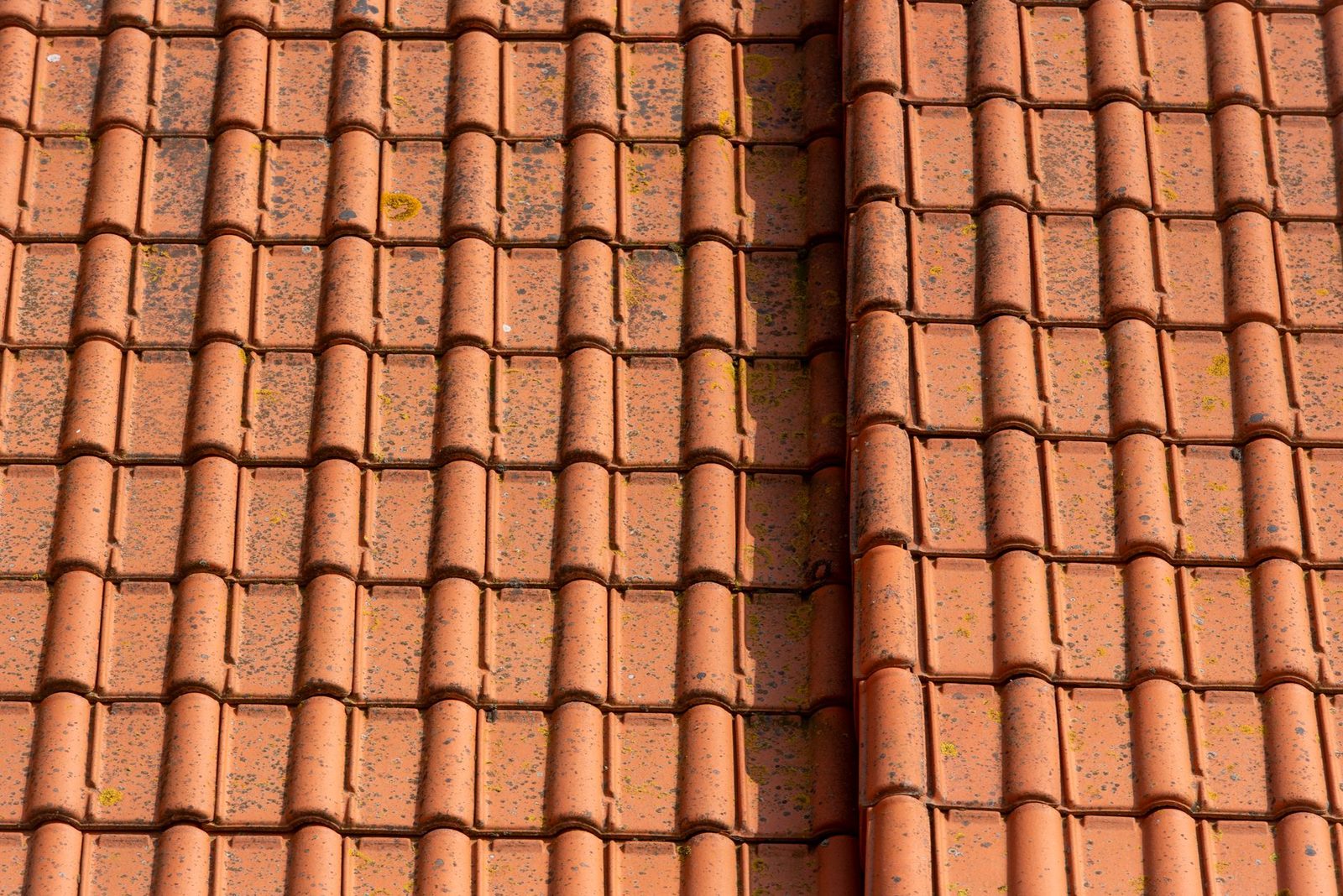
Start by telling concrete tile from clay tile, then match the shape and size. Clay tile is fired earth. It usually feels lighter and looks more uniform. Concrete tile is cast, and its face often looks sanded or textured.
Look at the roof edge from the ground. S-tiles curve in an S shape. Flat tiles lie flat. Barrel or Mission-style tiles are rounded, like half pipes.
Measure three things:
- The length and width of one whole tile
- The exposed length, the part you can see once it’s laid
- The lap, which is how far each row overlaps the row below
Rows must line up with their neighbors. A small mismatch in exposure shows up as a visible line across the roof.
Check the underside of a loose tile for a manufacturer stamp. A stamp narrows the product line. It doesn’t prove a match by itself, since product lines change over the years. Bring a whole tile from a low, hidden area. A physical sample shows color and profile far better than a photo.
Why Exact Matches Are Hard and Your Options When They Are
A new tile can look different from the old one, even when the product line is the same. Three things cause most of the gap:
- Weathering: Florida sun, heat, humidity, and salt air fade and chalk the original finish.
- Batch variation: Tiles from different production runs can differ a little in shade.
- Discontinued lines: Older profiles and colors may no longer be made.
When an exact match is gone, you have a few routes:
- Blend new tiles across the damaged area so the change looks gradual.
- Mix tiles from one replacement run to reduce shade differences.
- Use a close-profile alternative on a low-visibility slope.
- Consider a coating or finish to even out color, if it suits the roof.
Set expectations early. A close visual match is a realistic goal. A perfect match can’t be promised on every roof, especially one with heavy weathering.
Concrete vs. Clay: Trade-Offs and Choosing a Tile
Concrete and clay both last a long time and handle Florida heat well. Your choice should start with what is already on the roof, because a match needs the same profile and a similar weight.
Concrete tile has drawbacks to weigh:
- Weight: Concrete is heavy. According to the NRCA roofing materials guidance, the structural load capacity must be verified when another roof covering is replaced with tile.
- Breakage: Concrete can chip or crack during installation or under foot traffic.
- Surface wear: Over time, concrete may show efflorescence, a white, chalky salt deposit, and surface wear.
Clay and concrete share real strengths. The NRCA describes both as durable roofing materials used in Florida. Both also suit the traditional look many South Florida homes are built around.
No single brand fits every roof. Choose by the existing profile, the match you need, documented wind ratings, and the roof’s structural capacity.
Florida Code, Product Approval, and Permits
Florida requires a permit for most roof repair and replacement work, and roofing products must meet state approval rules. Here’s what that means for a tile job.
- Permits: Unless otherwise provided by law, Florida law makes it unlawful to repair a building without first getting a permit from the enforcing agency. See Fla. Stat. § 553.79.
- City of Miami: Roofing work in the City of Miami may require a building permit. For details, see the City of Miami roofing permit.
- Miami-Dade County: Applications involve required forms, checklists, contractor e-permitting, and certain hurricane-mitigation documents. See Miami-Dade County roofing permits.
- Product approval: State law requires roofing to be approved through one of its statewide methods. See Fla. Stat. § 553.842.
- See Fla. Stat. § 553.8425.
- See Fla. Stat. § 553.844.
The Tile Roofing Industry Alliance installation guides describe the standards that govern tile installation, including code requirements and approved products for high-wind work in Florida.
Repair, Partial Replacement, or Full Replacement: What Drives Cost
Cost depends on the facts: roof size and pitch, tile type and availability, height and access, underlayment or deck damage, and permit requirements. A site inspection turns those facts into a real scope and quote.
- Spot repair: Best for a few broken tiles, a close match, and a sound structure underneath.
- Partial replacement: Fits concentrated damage or old tile that no longer has a usable match.
- Full replacement: Fits widespread damage, compromised underlayment or decking, or a need for an even look across the whole roof.
Insurance adds another layer.
If the proposed roofing work is related to an insurance claim, contact your insurer to verify coverage for the work, including any claims, deductibles, and policy terms, before you sign the contract. Florida’s contractor licensing statute addresses prohibited advertisements for roof-damage insurance claims and the required deductible disclosure.
Not sure what your next step is?
Talk it through with our team — the first consultation is free, confidential, and carries no obligation.
How the Process Works and What to Expect
Expect five steps, in order: a first consultation, an inspection, a match review, a written estimate, and then permits and installation.
- First consultation: Share the damage, the tile type, and the property location.
- Roof inspection: Confirm tile type, profile, dimensions, and any underlayment or fastening issues.
- Sample and match review: Compare color and profile, and discuss close alternatives if the original is gone.
- Written estimate: Get the scope, materials, permits, and timeline in writing.
- Permits, ordering, and installation: Permits are handled as part of the job. Materials are ordered, and the crew cleans up afterward.
Spot repairs usually fit a shorter window than partial or full replacement. Lead time depends on material availability and permit processing.
Homeowners in Miami, Fort Lauderdale, West Palm Beach, Kendall, Naples, Fort Myers, and Boca Raton can ask about tile matching.
Frequently Asked Questions
How can I identify my roof tiles?
Check whether the tile is concrete or clay. Then compare its shape, size, exposure, and any stamp on the underside.
What are the disadvantages of a concrete tile roof?
Concrete is heavy, can chip or crack during work, and may show surface wear or efflorescence over time.
Which brand of roof tiles is right?
No single brand fits every roof. Match the existing profile first, then confirm the approvals for the replacement product.
How much is a roof replacement in Florida?
Price is set by roof size, pitch, tile type, access, and any underlayment or deck damage. An inspection produces an actual quote.
Can a few tiles be replaced if an exact match is gone?
Yes, through blending, a close-profile alternative, or a partial section replacement. The finished look can’t be promised.
Do I need a permit for matching roof tile replacement in Florida?
Florida law generally requires a permit before repairing a building. Rules vary by city and county, and the contractor handles the permit as part of the job.

Next Step: Talk Through Your Tiles With ASP Superhome
That’s a common position for tenants, family members, and property managers.
Send the tile type, a photo of the damage, and a sample tile if you can get one. Our team will review the match with you.
Your first consultation is free, confidential, and carries no obligation to continue.
Ready to move forward? Book a free estimate or request a quote with ASP Superhome.
How We Approach Tile Matching
Identify Your Tile First
We check whether your roof uses concrete or clay tile and review its shape, size, exposure, and any manufacturer stamp on the underside.
Review the Roof Condition
We look at the surrounding tiles, underlayment, and flashing so the repair addresses the cause of the damage, not just the broken piece.
Plan a Visible Match
Our team focuses on color, profile, and texture so replacement tiles blend with the roof as closely as possible.
Clear Next Steps
You receive a straightforward explanation of options and a written estimate before any work begins.
Before You Order Replacement Tiles
Tile profiles change over time, and similar-looking tiles from different manufacturers rarely fit together. Avoid guessing sizes or buying tiles from a photo. Bring a broken piece or photos of the underside to your consultation.
Common Tile Roof Questions
Concrete or clay?
Concrete tiles are heavier and can chip or crack during work. Clay tiles have a different profile and finish. Knowing which you have is the first step to a good match.
Can one tile be replaced?
In many cases, yes. Individual tiles can be swapped when a close match is available. If the profile has changed, we will explain the options for your roof.
Why does color fade?
Sun and weather change tile finishes over time. We take the weathered color into account so new tiles look consistent with the rest of your roof.
When is replacement the better choice?
If damage is widespread or the underlayment is compromised, a larger roof replacement may be more practical. We will walk through the condition of your roof with you.
Get a Free, Confidential Look at Your Roof
Related practice areas
- Tile Roofing in South Florida: Costs, Styles & Installation Guide
- Tile Roof Underlayment Replacement in Florida: Why It Matters for Wind Code


