


Roof Repair | South Florida
Cracked or Missing Roof Tile? Here's What to Do Next
Learn when a single broken tile can be replaced on its own, when the damage calls for a bigger repair, and how ASP Superhome can help across South Florida.
Start With a Free Consultation
Free
First consultation
Confidential
Your details stay private
No obligation
Decide whether to continue
By Jonathan Rodriguez · Published October 24, 2026
Yes, a Broken Roof Tile Can Often Be Fixed
Can you fix a broken roof tile? Yes, in many cases. A single cracked, chipped, or slipped tile is often replaced on its own instead of re-roofing the whole house. How many tiles are affected, where they sit, and the roof’s overall condition all matter.
Tile roofs are common across South Florida, so this question comes up often. Many readers asking it aren’t roofers. They may have spotted a tile from the driveway, or they may be a renter or property manager who needs answers quickly.
One broken tile is usually a small job. Several broken tiles in one area can point to wind damage across a larger section. Widespread cracking, aging, or repeated leaks may call for a bigger plan, such as roof repair or roof replacement.
Permits matter too. Local requirements for roof repair and replacement can vary by municipality, so ask our team to review them with you.
If a cracked tile has you worried about a leak, you don't have to sort it out alone. Send our team a few photos and we'll talk through your roof with you. Talk it through with our team — the first consultation is free, confidential, and carries no obligation.
Why a Single Broken Tile Matters More Than It Looks
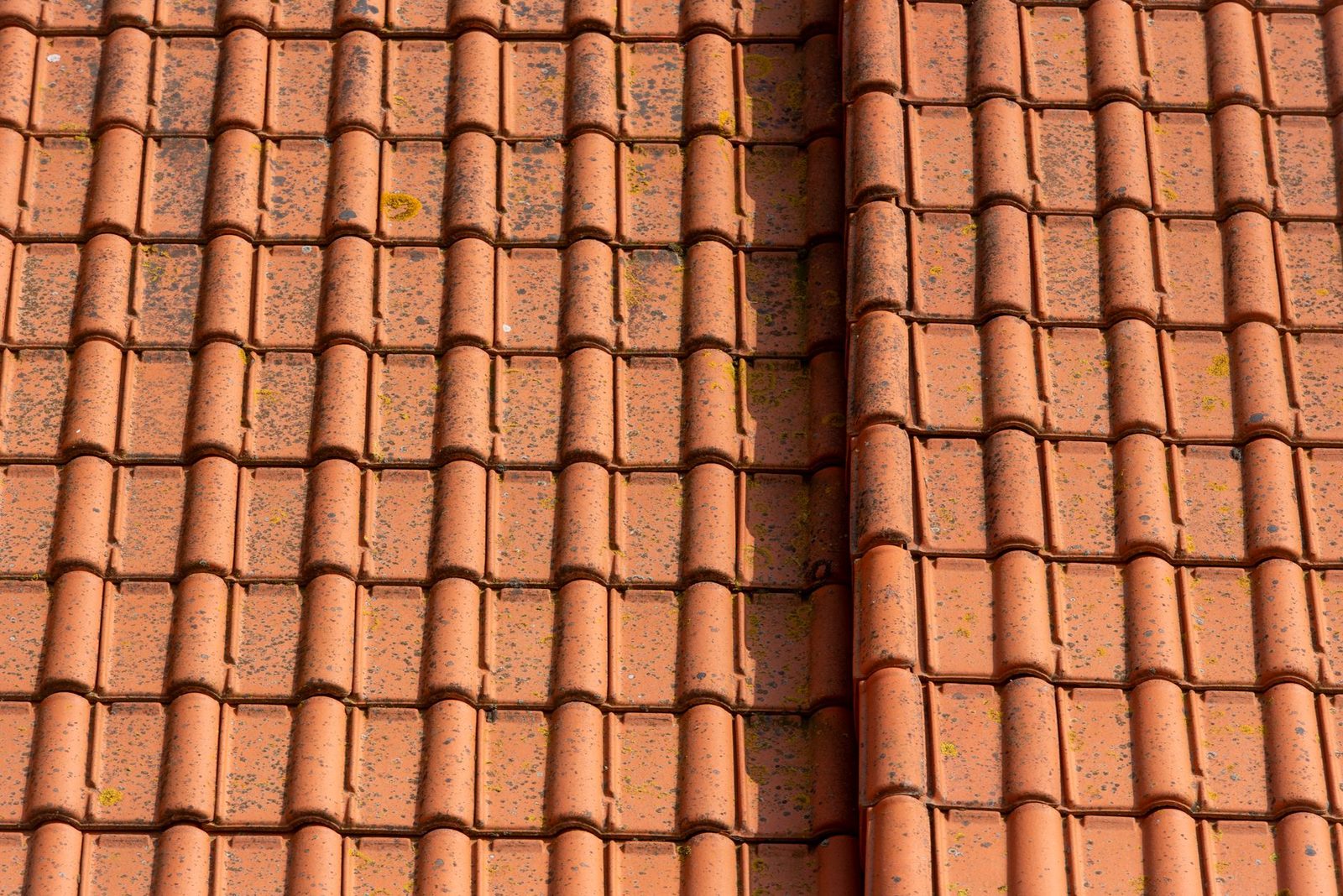
A broken tile matters because the layer beneath it is only protected while the tile stays in place. Tile is the main shield against rain. Underneath sits underlayment, a water-resistant sheet that acts as a backup layer.
When a tile cracks or slides, wind-driven rain can get past it and reach that underlayment. Water can enter without a stain showing inside the home right away. It may soak into the underlayment, the decking, or the insulation first. By the time a ceiling stain appears, the damage may have spread.
Loose tiles also keep moving. Each windy day can push a loose tile farther out of line. A shifted tile can crack against its neighbor, and a small problem becomes a larger one.
Florida’s storm season raises the stakes. A loose tile is worth fixing promptly.
How a Broken Tile Is Typically Repaired
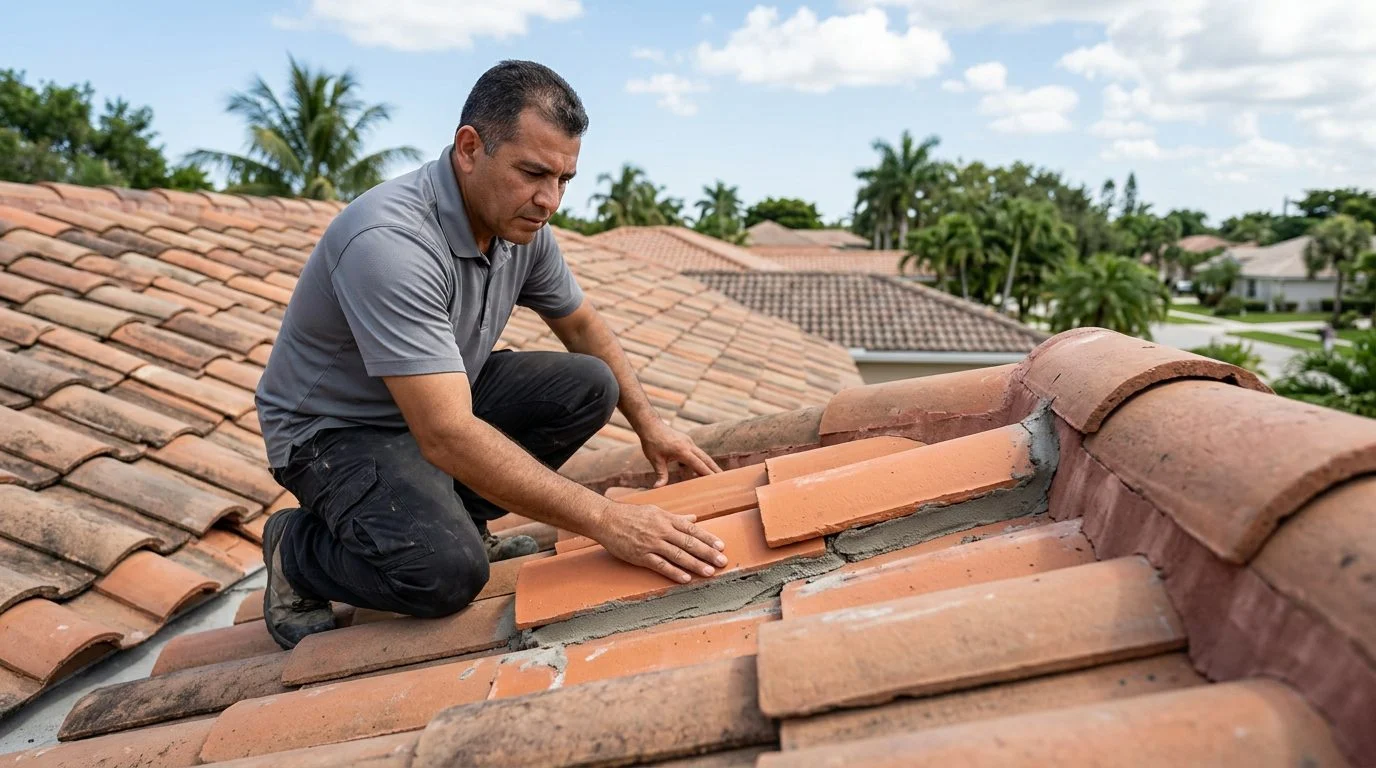
A broken tile is usually repaired by removing it and setting a new tile in the same spot. The work is careful and slow. Tile roofs are fragile, and rushing can crack the tiles around the repair.
The usual steps are simple. First, the installer lifts out the damaged tile, working around the tiles that interlock with it. Second, the installer checks the underlayment under that spot. If it’s torn, brittle, or wet, that section gets replaced too.
Third, the new tile goes in the correct position. It should line up with the rows, called courses, and match the fastening method used on the roof. Fourth, the installer confirms the tile is secure and sits flush with its neighbors.
Matching the tile is harder than it sounds. Older tiles fade, and profiles change over time. A close match keeps the roof looking even and shedding water the same way. Photos taken before removal help with that match.
Check the Rest of the Roof Before Assuming the Job Is Done
Check the rest of the roof before you call the job finished. A new tile fixes one spot, not necessarily the cause of a leak. Look for other cracked, shifted, or missing tiles nearby, especially after a storm.
Water often finds its way in away from the tile above a stain. Ridge caps, the curved tiles along the top of the roof, can crack or lift. Flashing, the metal pieces around chimneys and walls, can loosen. Vents and pipe openings are common weak points too. A tile ridge cap repair or a full leak inspection may be needed.
Look inside as well. Check attic boards, insulation, and ceilings for fresh staining, soft spots, or dampness. Wet insulation can stay damp long after the rain stops.
A leak is not always traced to the tile directly above it. Water can travel along rafters or decking before it drips down. Following the path from the stain back toward the roof is the better test.
Safety First and When to Bring in a Professional
Call a professional when the damage covers a wide area, when a leak is present, or when the underlayment may be damaged. Tile roofs are slippery and fragile, so personal safety comes first.
Never walk on tiles to inspect them. Tiles can crack under a person’s weight. Don’t climb onto a roof when it’s wet or windy. Don’t work from a ladder unless it’s set up properly and someone is there to steady it and help.
Documentation matters for insurance too. Take dated photos of each broken tile, the roof edges, and any stains inside. Write short notes about when you noticed the damage and what the weather was like.
Florida law generally bars a property insurance claim unless notice reaches the insurer within 1 year after the date of loss, under the policy’s terms. Supplemental claims have an 18-month window. Acting early helps you stay within those windows.
Common Questions About Broken Roof Tiles
Can you fix a broken roof tile without replacing the whole roof?
Yes, one broken tile is often replaced on its own. Several broken tiles or underlayment damage can change the plan.
Does insurance cover a broken roof tile?
Your policy decides coverage, so review it with your insurer. Report damage promptly, since Florida law sets notice deadlines.
Wondering what a tile repair involves?
Requirements can vary by municipality, and our team can review your project’s details with you during a free, no-obligation initial consultation.
How do you know a broken tile caused a leak?
Trace the water path from the stain upward. Check ridge caps, flashing, and vents, not just the tile above the stain.

Talk Through Your Roof with Our Team
If you’ve spotted a broken tile, you don’t have to work out the next step alone. You may be checking a roof you didn’t expect to deal with, or looking after a home for a relative or tenant.
Start with what you can see. Send our team photos of the broken tile, a wide shot of that roof section, and any stains inside. Share the tile’s location, roughly how many tiles look affected, and when you first noticed the problem.
Our team offers a free first consultation: consulta inicial gratuita, confidencial y sin compromiso. In plain terms, that’s a free, confidential first consultation with no obligation to continue.
When you’re ready, reach out through our contact page and we’ll look at your roof together. You can also read more about tile roofing.
How to Handle a Broken Roof Tile
1. Look From the Ground
Use binoculars or a zoomed photo from a safe spot to check for cracked, shifted, or missing tiles. Do not climb onto a wet or damaged roof.
2. Document the Damage
Take clear photos of the affected area, the surrounding tiles, and any debris or water stains inside the home. This helps whoever inspects the roof understand what happened.
3. Check for Leaks
Look at ceilings and walls near the damaged area for new stains, dampness, or drips after rain. Place a bucket under active leaks to protect floors.
4. Schedule an Inspection
A roofer can confirm whether one tile is enough or whether underlayment or nearby tiles also need attention. Contact ASP Superhome to start with a free first consultation.
Why Homeowners Call ASP Superhome
One Team for Your Whole Home
Roof repair, roof replacement, tile and metal roofing, impact windows and doors, solar, and kitchen remodeling are all handled by one company.
Clear Next Steps
Our team walks you through the options so you can decide what fits your roof and your budget.
Built for South Florida Homes
We focus on the weather, wind, and roofing conditions common across Miami, Fort Lauderdale, West Palm Beach, Boca Raton, Naples, Fort Myers, and Kendall.
Confidential, No-Obligation Consultation
Your first consultation is free, confidential, and comes with no obligation to continue.
Don't Ignore a Broken Tile
A cracked or missing tile can let water reach the underlayment and the structure below. Water damage often grows out of sight, so a small problem can become a costly one if it is left alone.


