


Tile Roofing | South Florida
Can You Re-Lay Your Tile Roof Instead of Replacing It?
Sometimes the answer is yes. Learn what decides whether your existing tiles can be re-laid, and get a free, confidential first consultation with no obligation to continue.
By Jonathan Rodriguez · Published November 1, 2026
Can You Re-Lay a Tile Roof Instead of Replacing It? The Short Answer
Often, yes, but only when the right conditions are in place. If you’re asking can I re-lay my tile roof instead of replacing it, the answer turns on three things: the tiles, the underlayment, and the roof deck beneath them. If all three are in workable condition, the existing tiles can be lifted, inspected, and set back in place.
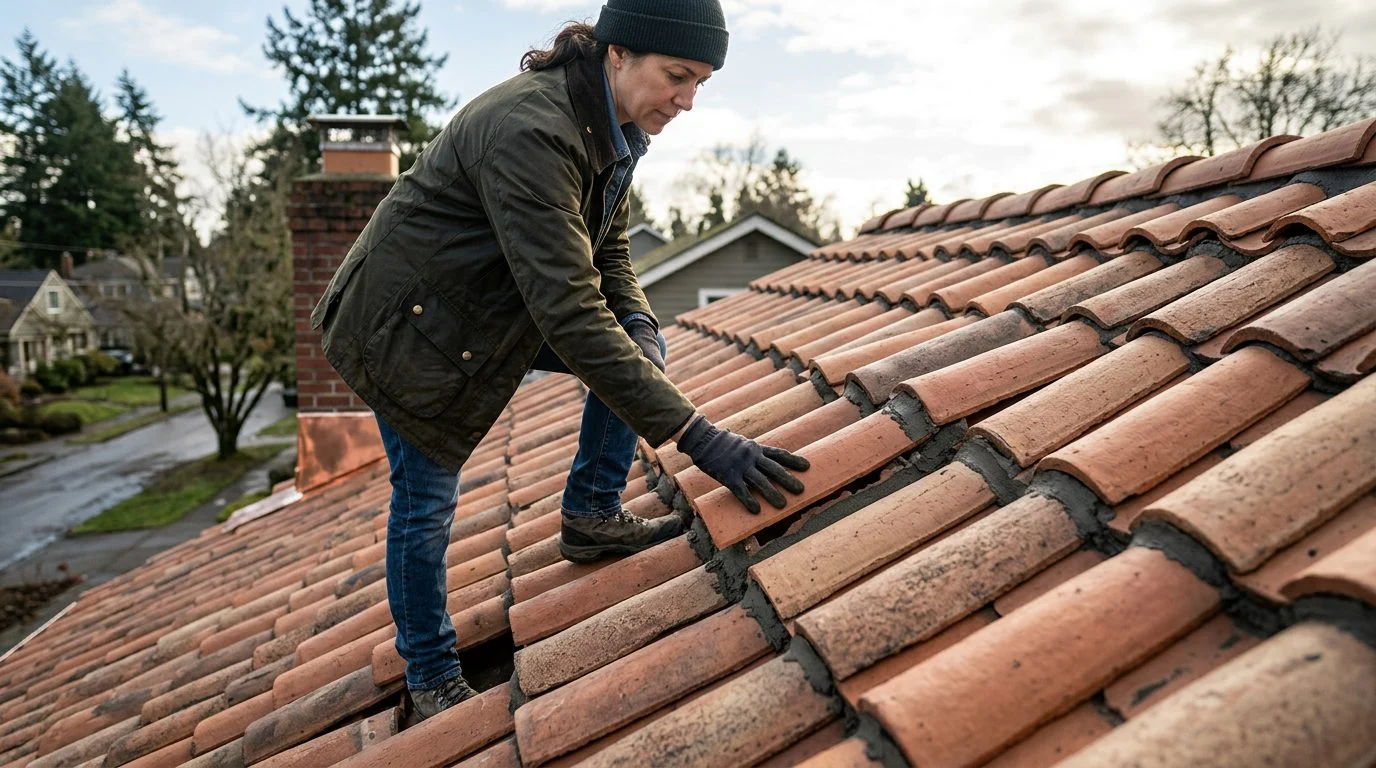
A re-lay, also called tile R&R (remove and reinstall), means lifting the tiles, checking what sits beneath them, replacing any broken pieces, and setting the tiles down again. It is a repair-oriented option.
Full replacement works differently. It installs a new roof system from the deck up, including new underlayment and new tile. A re-lay resets the tiles you already have. It does not rebuild a water barrier or deck that has failed.
Your roof’s age, its storm history, and how much of it is affected all shape the choice. A roof that has lost a few tiles in one corner is in a different position than one with cracks across the whole slope.
If a storm has moved tiles on your roof, we can look at your roof with you and talk through which options fit it. Talk it through with our team — the first consultation is free, confidential, and carries no obligation.

What a Tile Re-Lay (Tile R&R) Actually Involves
A tile re-lay follows four steps: remove, inspect, repair, and reinstall. Crews lift the tiles by hand. Then they check the underlayment and the battens or deck underneath.
Underlayment is the layer between the tiles and the roof deck. It works as a secondary water barrier. If water slips past a cracked or shifted tile, the underlayment is the next line of defense. The NRCA roofing materials guidance states that clay and concrete tile are durable roofing materials used in Florida. Durable tile still needs a sound layer below it.
Broken tiles usually need replacing during reinstallation. Matching is often the hard part. Older and discontinued profiles can be tough to match. A mismatched tile may sit unevenly or shed water differently from the rest of the roof.
Tile is also heavy and fragile. Each tile that cracks during removal becomes one more piece to replace. Lifting and resetting tile takes careful handling. A re-lay is skilled work, not a weekend project, and climbing on a tile roof carries real fall and breakage risk.
Why the Underlayment Often Decides the Question
A re-lay reuses the tiles. It does not automatically reuse the underlayment. That gap is why the underlayment often makes the call.
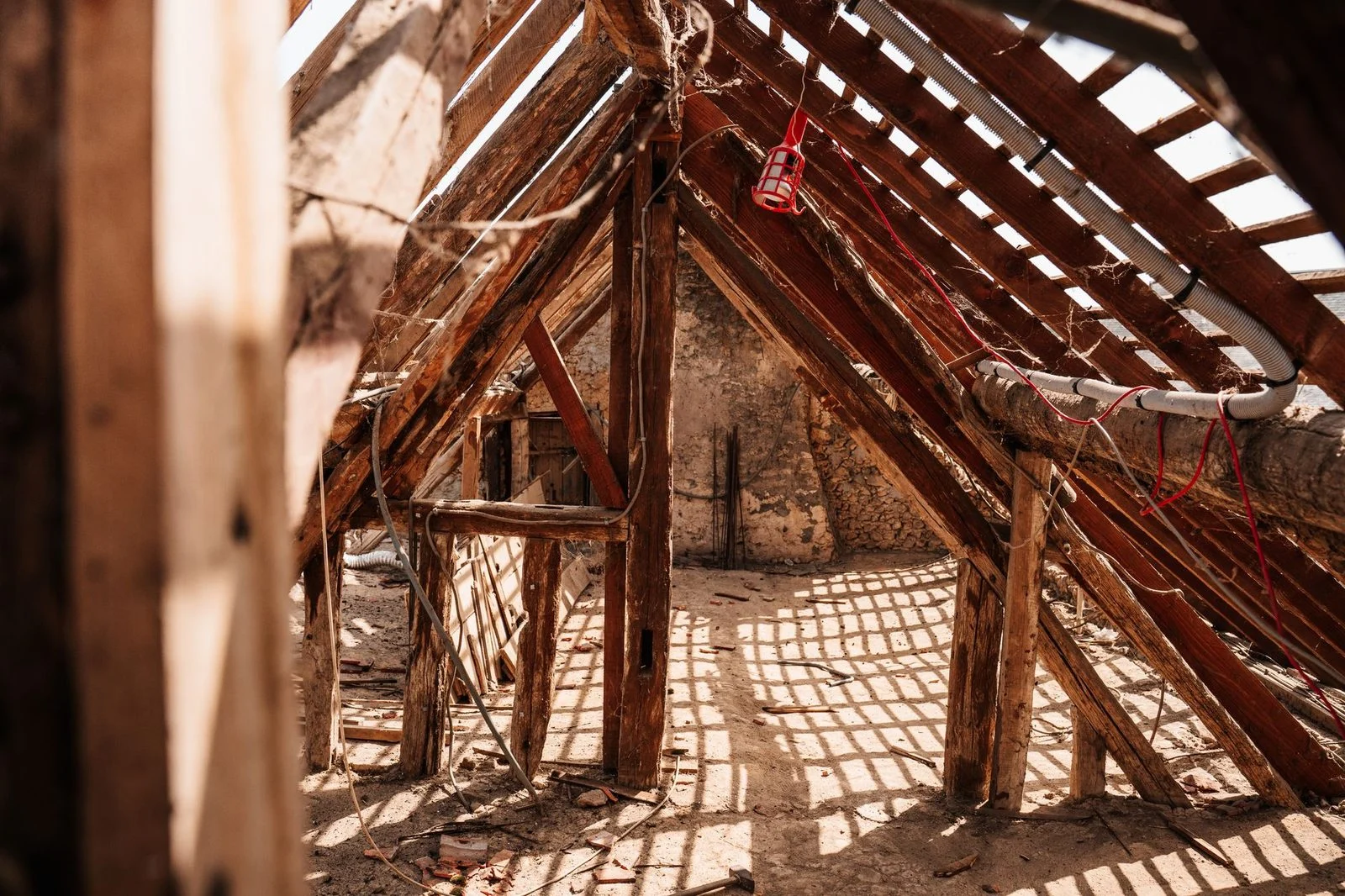
Once the tiles are lifted, the underlayment is visible. Look for brittleness, tears, and water staining on the deck. Those signs point to an underlayment that has aged past reliable service. If the tiles are sound but the underlayment has failed, replacing the underlayment under the existing tiles may be discussed as a separate option.
Florida’s building code sets the rules for this work, and the 2026 edition changed several of them. Per the Florida Building Commission, Exception 3 of Section 706.3 was revised to allow the upper roof covering or roof system to be removed during roof recovering, provided the existing or repaired substrate is adequate for installation of the new approved roof covering or roof system.
Tile underlayment uplift resistance must meet the component and cladding loads of ASCE 7, per the Florida Building Commission analysis.
Signs a Tile Re-Lay May Be Enough
A re-lay may be enough when the damage is limited and the deck and underlayment are still sound. Four patterns fit that picture:
- Tiles that slipped or shifted after wind, but are still intact.
- Scattered cracked tiles in one area, not across the roof.
- Loose hip and ridge tiles that can be re-set and secured.
- Displaced tiles with no soft spots or water staining found beneath them.
Wind is the usual cause of displaced tiles. Fastening failure and wind uplift are the common reasons tiles move. A worn fastener or a lifted edge can let a tile slide again in the next storm. Fixing the cause matters as much as resetting the tile.
Whether a re-lay fits your roof needs an in-person look. A crew on the roof can check the fastening, the underlayment, and the deck before anyone commits to a plan.
Signs a Full Tile Roof Replacement May Be the Better Path
Full replacement is usually the stronger path when damage runs across the roof rather than sitting in one area. Watch for these signs:
- Widespread cracking across large sections.
- Soft or rotted decking, or water damage in the attic, found once tiles are lifted.
- Tiles that can’t be matched or reinstalled without a poor fit or weaker water shedding.
- Repairs that keep returning within a short time, because the underlying problem was never solved.
Florida Statute 553.844 sets a 25 percent threshold for certain roofs. If an existing roof was built, repaired, or replaced in compliance with the 2007 code or a later edition, and 25 percent or more of it is repaired, replaced, or recovered, only that portion must meet the code in effect, per Florida Statute 553.844. That rule sets code scope. It does not decide whether a re-lay will work on your roof.
Material matters too. The NRCA roofing materials guidance says the structural load capacity of a roof should be verified when replacing another roof covering with tile. Tile is heavy, so this check is important.
South Florida homes often weigh tile against metal. Miami-Dade County’s concrete tile approval lists concrete roof tiles as a recognized tile type. It also records one flat-profile interlocking system tested under TAS 112 and approved for specified High-Velocity Hurricane Zone uses. Clay tile’s main trade-offs are weight and breakage risk.
Answers to Common Questions: Slipped Tiles, Repairs, and Laying New Tile Over Old
Slipped tiles call for quick, careful steps, not a climb onto the roof. Limit further movement, note where tiles have shifted, and arrange an in-person inspection.
My roof tiles have slipped. What should I do?
Stay off the roof, note where tiles moved, and contact our team to check the fastening and underlayment.
Can you repair a roof without replacing it?
Yes. Targeted tile and underlayment repairs are often used when damage is localized.
Can you lay new tile over old?
That is generally not the same as a re-lay. A proviso in the revised Section 706.3 states that the existing or repaired substrate must be adequate for installation of new approved roof covering or roof system, per the Florida Building Commission.
Not sure what your next step is?
Talk it through with our team — the first consultation is free, confidential, and carries no obligation.
Talk With the Team About Your Tile Roof
Maybe a recent storm moved tiles on your roof. Maybe you’re deciding for a parent’s home or a rental you manage, and the roof is aging faster than you expected. Either way, the tiles, underlayment, and deck need a clear look before anyone picks an option.
Our team can look at your actual roof and explain which options fit its condition. Each roof is different, and the in-person look is where those differences show up.
The first consultation is free, confidential, and comes with no obligation to continue (consulta inicial gratuita, confidencial y sin compromiso).
To start, contact ASP Superhome and describe what you’re seeing on your tile roof.
What Shapes the Decision
Condition of the tiles
Cracked, brittle, or heavily weathered tiles may not survive being lifted and re-set, even if the roof looks intact from the ground.
Underlayment and fasteners
The water barrier beneath the tiles and the nails or clips holding them in place often determine whether a re-lay is practical.
Structure and roof deck
Soft decking, sagging areas, or past leaks can point toward repairs to the base of the roof before any tiles are reset.
Whether the damage is localized
Problems confined to one section are often handled with targeted tile and underlayment repairs rather than a full re-lay.
Safety First
Do not walk on a damaged tile roof. Tiles can crack or slide under weight. Note where tiles have moved or broken, and have the roof inspected from a safe position.
Your Options at a Glance
Targeted repair
Replacing a limited number of tiles and repairing the underlayment in the affected area.
Re-lay existing tile
Lifting the tiles, repairing or replacing the underlayment, and setting the tiles back in place, when their condition allows it.
Full roof replacement
Removing the old roofing system and installing new tile or another roofing material, when widespread damage makes a re-lay impractical.
Not Sure Which Path Fits Your Roof? Let's Take a Look.
Related practice areas
- Tile Roofing in South Florida: Costs, Styles & Installation Guide
- Clay vs Concrete Roof Tiles Florida: Weight, Wind, Lifespan
- Light Colored Tile Roof Cooling Costs in Florida


