


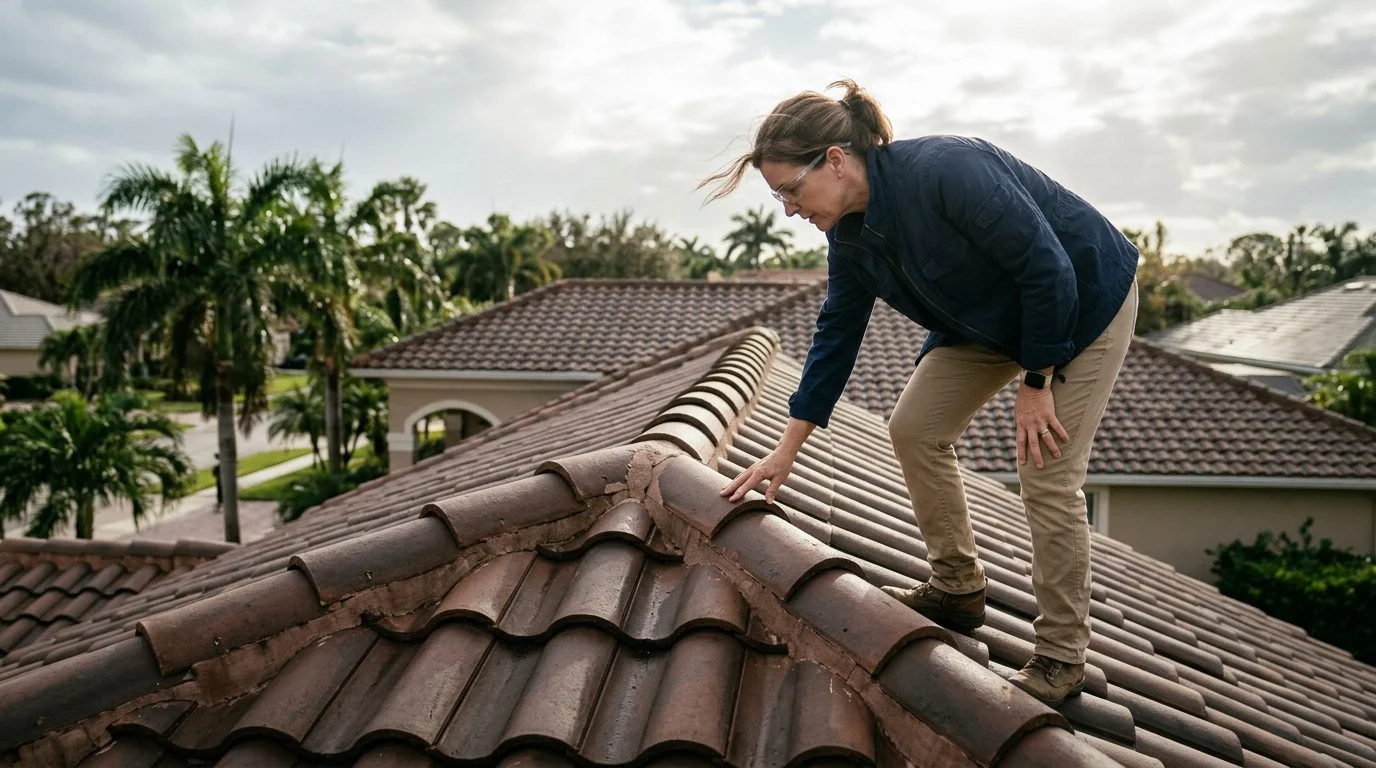
Tile Roofing · South Florida
Clay or Concrete Roof Tiles in Florida: How Weight, Wind and Lifespan Compare
Both materials can suit a Florida home. Here is how they differ on weight, wind resistance and how long they last, so you can plan your roof with confidence.
By Jonathan Rodriguez · Published November 1, 2026
Clay vs. Concrete Roof Tiles in Florida: The Short Answer
For most South Florida homes, clay vs concrete roof tiles Florida is not a question of which one is always better. Both can perform well when installed to the Florida Building Code. Concrete is often tougher against impact, while clay is more fragile. Weight varies by product. The right pick depends on your roof structure, the wind exposure at your site, and the look you want.
The Tile Roofing Industry Alliance describes clay and concrete tile roofs as long-lasting, durable, and low-maintenance, including under Florida hurricane conditions, in its tile roof durability guidance. Keep one idea in mind: a tile roof is a system, not a single tile. Our tile roofing overview covers the full range of options for South Florida homes.
If your tile roof has cracked or slipped tiles, or you're replacing a roof and unsure what the structure can carry, we can help you sort it out. Talk it through with our team — the first consultation is free, confidential, and carries no obligation.
How Clay and Concrete Tiles Are Made
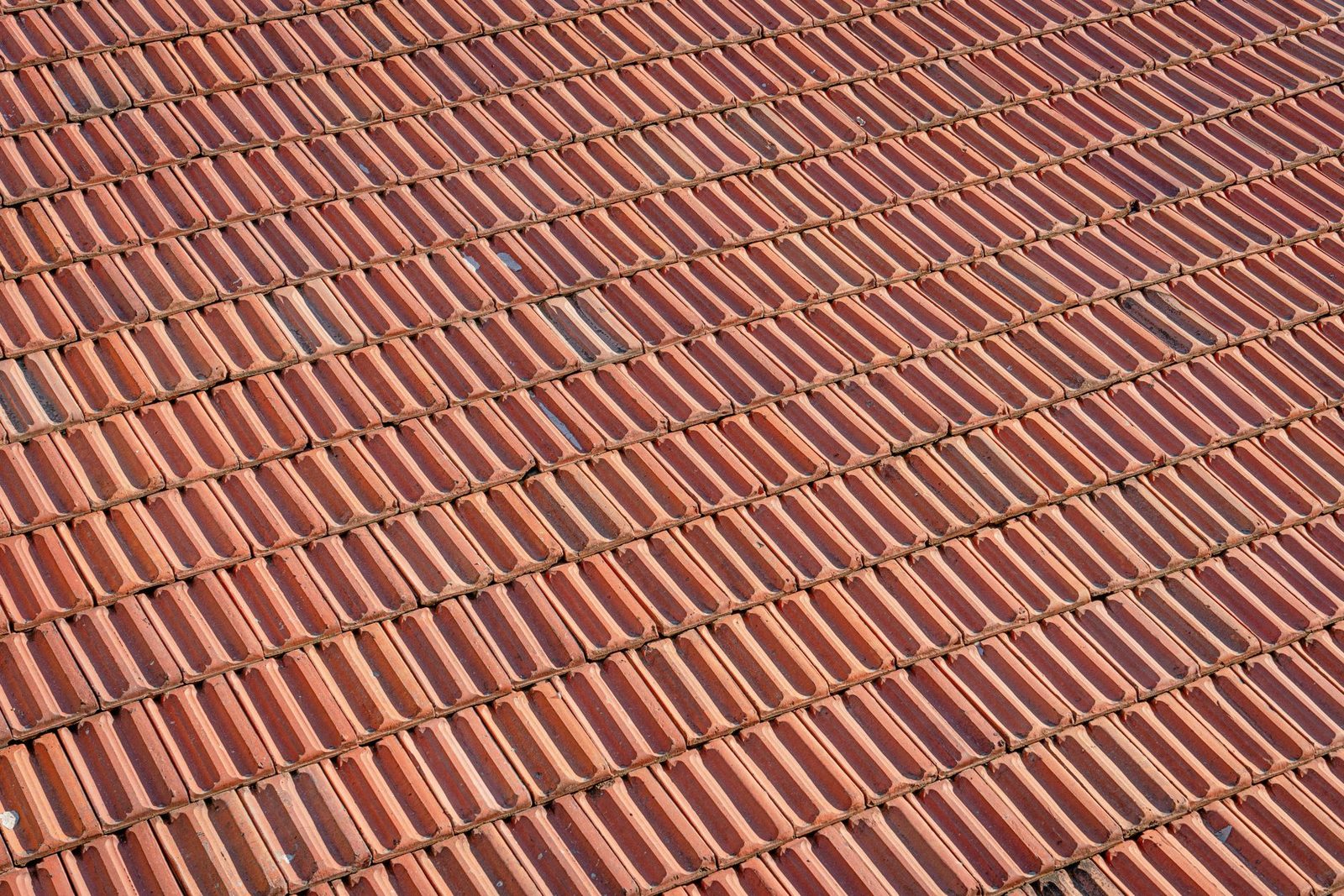
Clay tile is fired from natural clay. Concrete tile is formed from cement and aggregate, and it is usually finished with a surface coating. Those manufacturing steps shape how each tile behaves on the roof.
Clay tile can crack or chip when dropped or hit hard. That makes careful handling important during delivery and installation. Concrete tile is generally more forgiving of impact, but it relies on its coating to keep the finish in good shape over time.
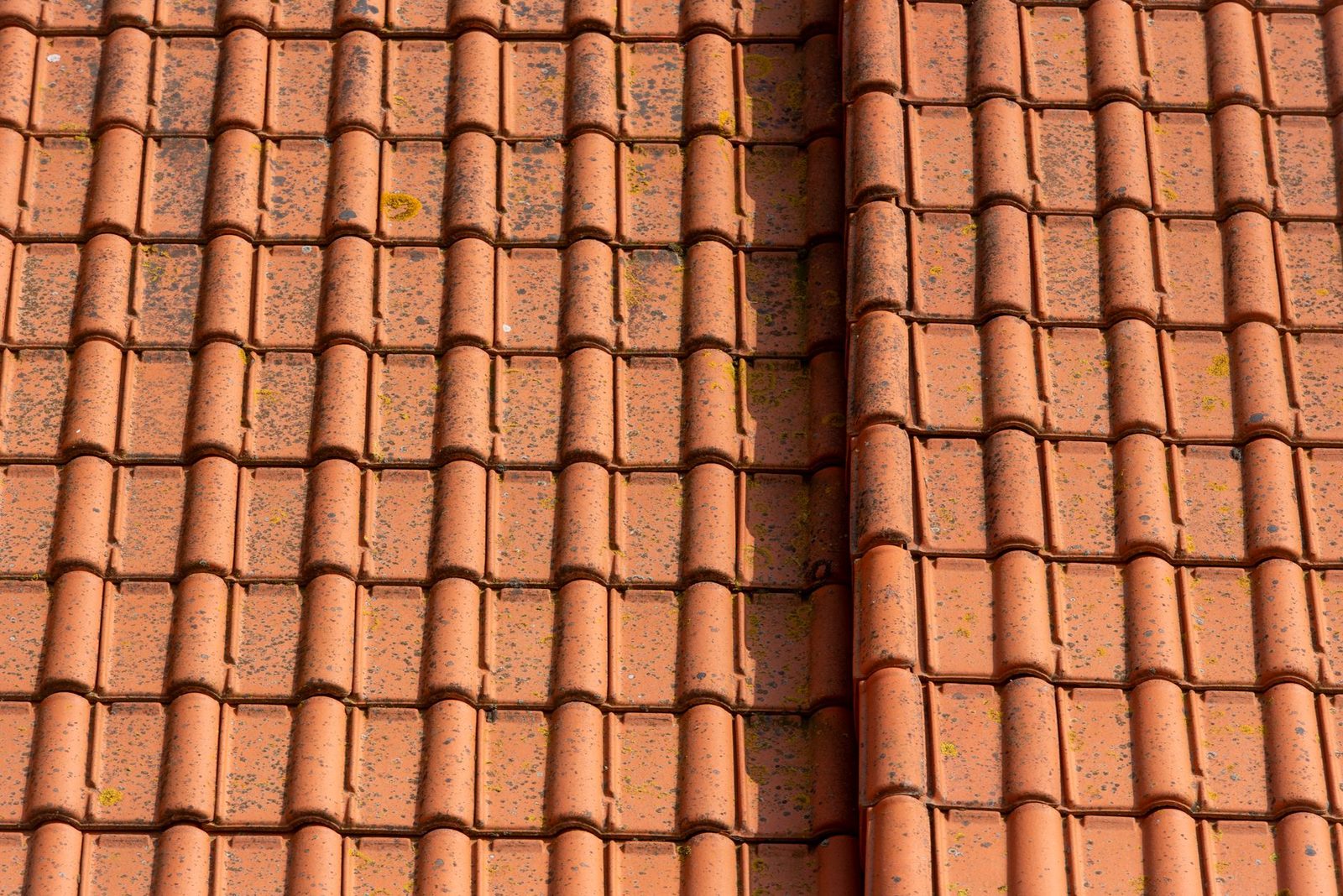
Color and finish also differ. Surface color affects how much heat the roof absorbs, and wear on the coating or glaze changes that over time. Foot traffic can chip edges on either type, so crews should step only where the manufacturer’s guidance allows.
Weight per Square: Why Tile Weight Matters
Roofers measure tile weight per roofing square, which is 100 square feet of roof area. Weight depends on the tile profile, so clay and concrete can overlap in weight. Don’t assume a number. Ask for the product’s rated weight and have the structure checked.
Rafters, trusses, and load-bearing walls must carry that weight over the life of the roof. The 2026 Florida Building Code analysis says all buildings and structures must be designed to resist dead loads, as shown in its Building Code dead load analysis. The National Roofing Contractors Association says the structural load capacity must be verified when replacing another roof covering with tile, in its roofing materials guidelines.
If you’re replacing shingles or metal, the added weight can be significant. That makes the structural check the first step. The decking and underlayment must also support the load.
Wind Performance in Florida: What the Code Requires
A tile roof is judged as a complete system. That system includes the tile, underlayment, fasteners, clips or adhesive, and the roof deck. Tile alone does not decide wind performance.
The 2026 code changes add a rule for tile underlayment. Its uplift resistance must meet component and cladding loads from ASCE 7, per the tile underlayment uplift analysis. Underlayment must also lap over hips and ridges at least 6 inches, except where ventilation openings are provided, per the residential underlayment analysis.
Near the coast, the rules get stricter. The 2026 residential analysis says fasteners and connectors within 3000 ft of a saltwater coastline must comply with new Section R332, as shown in the coastal clip analysis.
Clay’s brittleness matters when wind-borne debris strikes the roof. Impact performance is judged across the whole assembly. Nailing, clips, and foam adhesive are used differently depending on the tile profile and wind zone. For site-built, single-family residential buildings in the wind-borne debris region with an insured value of $300,000 or more (or, if the building is uninsured or no documentation of insured value is presented, a just valuation for the structure of $300,000 or more), Florida Statutes 553.844 requires that a roof replacement incorporate the roof-to-wall connection techniques in subparagraph (2)(b)3. However, those connections are not required unless the work at gable ends or all corners can be completed for 15 percent of the cost of roof replacement.
Lifespan and Maintenance on a Florida Roof
Both materials are generally long-lasting when they’re maintained. Lifespan depends on the product, the installation, and conditions at your site. Humidity, salt air, algae growth, and UV exposure all wear on tile over time.
Maintenance tasks are similar for both types. Check for cracked or slipped tiles. Look at the underlayment when you can. Clear debris from valleys and gutters. Inspect flashing at penetrations and wall intersections.
After a storm, the Tile Roofing Industry Alliance’s post-storm repair guidance covers evaluating damaged concrete or clay tile and choosing between repair and replacement. Coatings and glazes can wear, so check the finish during routine inspections.
Cost, Installation, and Choosing Between Them
Cost depends on the tile type, structural work, underlayment, fasteners, and labor. Comparing these drivers is more useful than comparing one price, since a quote depends on the roof. Heavier tile can need more labor and added support. Clay’s fragility can mean more breakage during handling.
When replacing a tile roof, the 2026 Existing Building analysis says a new section addresses which underlayments may be used over an existing self-adhering underlayment during clay and concrete tile replacement, per the existing underlayment analysis.
Work through five questions when you compare clay vs concrete roof tiles Florida for your home:
- Can the structure carry the tile?
- How exposed is the site to wind and debris?
- What is the budget for materials and installation?
- Which look fits the home?
- How much upkeep can you commit to?
Not sure what your next step is?
Talk it through with our team — the first consultation is free, confidential, and carries no obligation.
Frequently Asked Questions About Clay and Concrete Roof Tiles in Florida
What is the best roofing material for Florida?
Many roofing materials can perform well in Florida when installed to code. The best choice depends on the home, the structure, and the site.
Are concrete roof tiles better than clay tiles?
Neither is better in every case. Concrete is often tougher against impact, while clay is more fragile, and each fits different structures.
What is the lifespan of a clay tile roof in Florida?
The Tile Roofing Industry Alliance describes clay tile roofs as long-lasting and durable. Actual lifespan depends on the product, the installation, and maintenance.
What is the 25% roof rule in Florida?
Florida law provides that, notwithstanding other Florida Building Code provisions, when an existing roof system or roof section was built, repaired, or replaced to meet the Florida Building Code’s 2007 edition or any later edition, and 25 percent or more of that roof system or section is being fixed, swapped, or covered over, only that affected part must be built to the Florida Building Code edition then in effect, where applicable (Fla. Stat. § 553.844). The Florida Building Commission’s staff analysis on tile roof repair addresses how the 25% rule applies.
Talk Through Your Roof With Our Team
If your tile roof has cracked or slipped tiles, or you’re replacing a roof and unsure whether the structure can carry tile, a site look is the best next step. Our first consultation is free, confidential, and carries no obligation to continue. Book a free first consultation, and our team will talk through your structure, wind exposure, and the look you want for clay vs concrete roof tiles Florida.
What to weigh before you choose
Weight load
Tile is heavy. Clay and concrete can weigh substantially more than many other roofing materials, so the existing structure must be able to carry the load.
Wind performance
In Florida, a roof has to hold up in high winds. How the tiles are fastened and installed matters as much as the tile itself.
Lifespan
Both materials can last for decades when properly installed and maintained. Their long-term behavior differs, especially under impact and sun exposure.
Code compliance
Florida's building code sets wind-load requirements for roofing. A compliant installation is part of the plan from the start.
Check the structure first
Tile weight is not a detail to decide after the fact. Before choosing clay or concrete, have the home's structure evaluated to confirm it can safely support the chosen tile.
Clay and concrete at a glance
Clay tiles
Clay has a classic look and holds its color well. It is generally more fragile under impact, so its performance depends on the specific product and installation.
Concrete tiles
Concrete is often tougher against impact and is widely used in South Florida. It is typically heavy, which makes structural review essential.
Fastening and installation
Proper underlayment, fastening and flashing are central to wind performance for either material. Installation quality often matters as much as the tile choice.


