


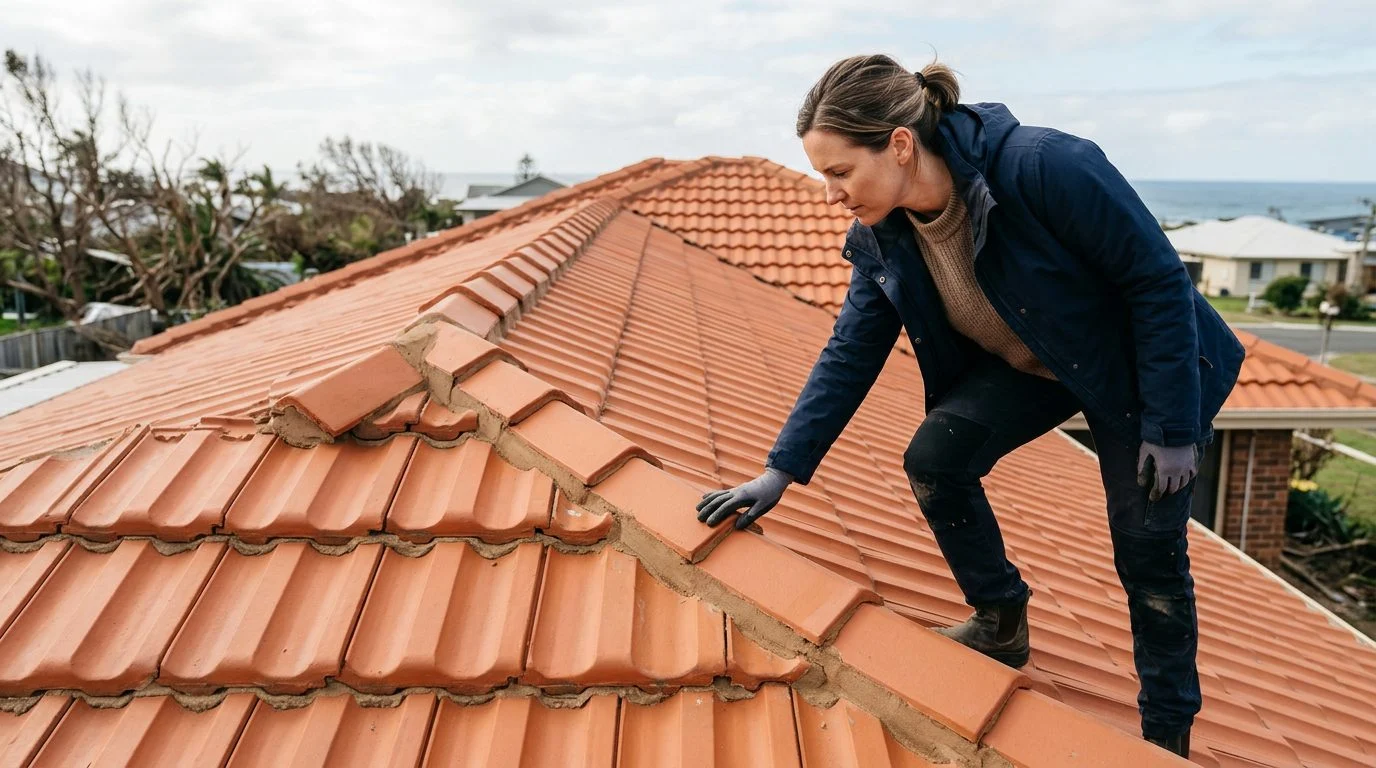
Hurricane Roof Damage | South Florida
Cracked Roof Tiles After a Hurricane? Start With These Steps
A clear checklist for keeping your home safe, documenting the damage, and getting your tile roof assessed by ASP Superhome.
By Jonathan Rodriguez · Published November 1, 2026
Here is what to do after a hurricane cracks roof tiles on a South Florida home. Stay off the roof, record the damage, and get a professional look before you make any repairs. This guide covers those steps in order, from safety to repair choices.
First Safety Steps After the Storm Passes
Stay off the roof. Check the damage from the ground and from inside the house first.
Wet tiles are slippery, and storm-stressed tiles can shift under your weight. A roof that looks fine from the driveway may still have cracked or lifted pieces you can’t see. Don’t climb up for a quick look.
Keep people and pets away from the area under the roof edges. Cracked or loose tiles can slide off and fall without warning. Mark the space with cones or patio furniture if you can.
If a power line is down or touching the roof, a gutter, or a nearby tree, stay back. Report it to your utility company and keep your distance.
When you clean up, wear gloves and closed-toe shoes. Broken tile edges are sharp. Sweep debris away from doors and walkways so no one slips on it.
If cracked or lifted tiles are sitting on your South Florida roof after the storm, our team can look at them with you and talk through your options. Talk it through with our team — the first consultation is free, confidential, and carries no obligation.
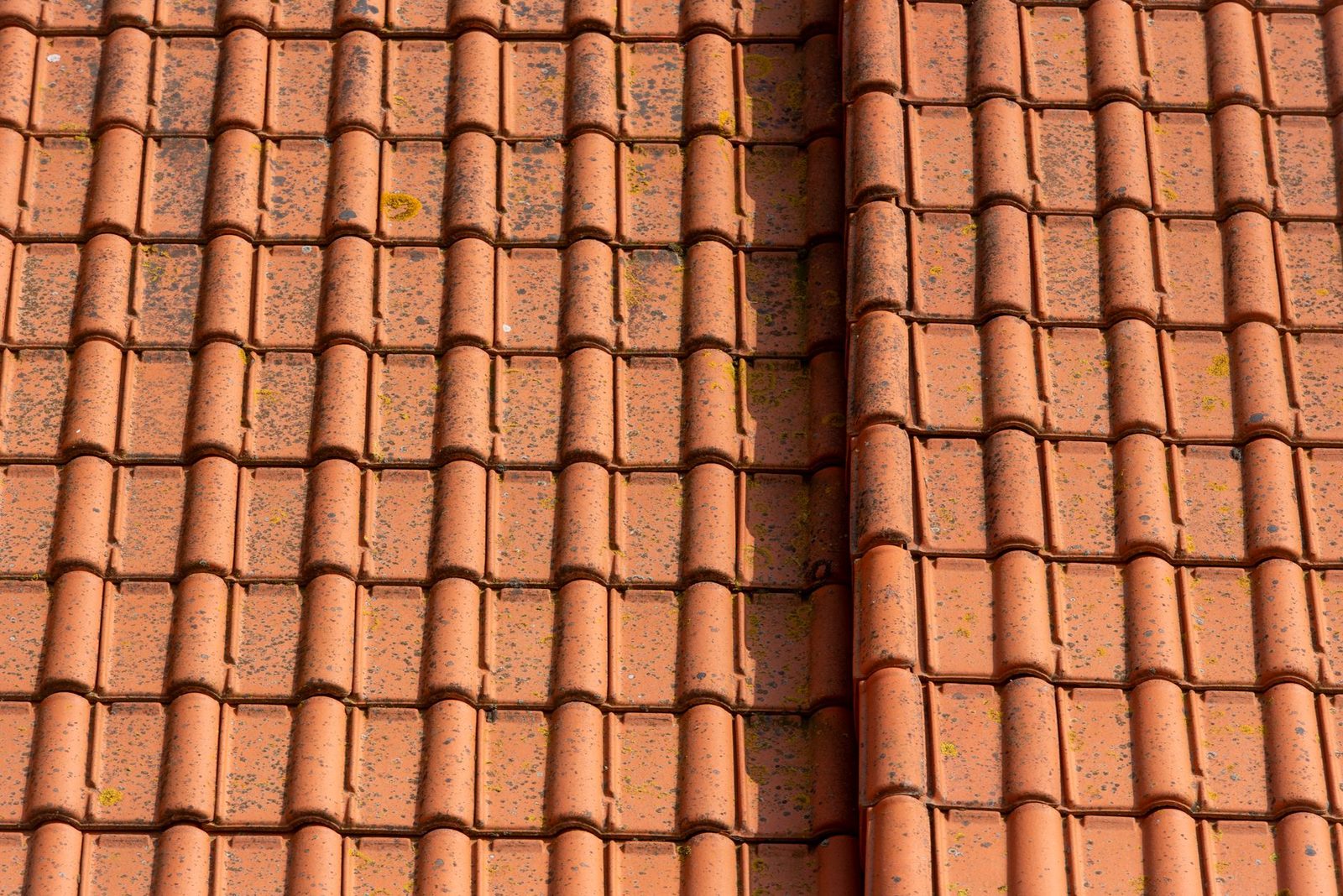
How to Document Damage Before Anything Is Changed
Photograph and write down the damage before you move, tarp, or clean up anything.
Start from the ground. Take wide shots of the whole roof, then close-ups of each cracked, lifted, or missing tile. Your phone usually stamps the date and time on each photo.
Next, go inside. Check ceilings, attic-facing walls, and window frames for water stains, drips, or damp insulation. Photograph anything you find, even small marks.
Keep a simple written log of what you saw and when. Save receipts for temporary protection, such as tarps or board-up materials.
These records matter for insurance. Under Fla. Stat. § 627.70132, a claim or reopened claim under a property insurance policy is barred unless notice is given to the insurer within 1 year after the date of loss, following the policy’s terms. A supplemental claim for added damage from the same peril has an 18-month notice limit. For hurricanes, the date of loss is the date the hurricane made landfall; for tornadoes, windstorms, severe rain, or other weather-related events, it is the date NOAA verifies the event. Don’t wait to report.
Why Tile Roofs Crack and What Causes the Most Damage
Wind, wind-blown debris, and heavy rain are the main forces that crack and lift tiles.
Wind can lift a tile’s edge and let it knock against its neighbors. Flying debris can crack a tile outright. Once a tile shifts, the seal that keeps water out can break.
That is why leaks often show up after a storm, even when a tile looks fine. Water can run under a shifted tile and reach the underlayment, the waterproof layer beneath the tiles.
Problem spots include valleys, flashing (metal strips that seal joints), and drip edge (the metal edge at the roof’s lower rim). A bent drip edge or a damaged valley can let water in where the tiles look intact.
Florida’s code now addresses these spots. The 2026 residential code changes added a drip edge requirement for tile roofs on slopes of 2:12 and greater. The 2026 building code changes added a tile underlayment uplift resistance requirement.
Can a Broken Roof Tile Be Repaired?
Often, yes. A single cracked tile can usually be replaced if the tiles, underlayment, and fasteners around it are still sound.
Lifted tiles may need to be secured again and sealed. Missing tiles must be replaced to restore the roof’s path for water.
The scope depends on three things: how many tiles are affected, where they sit on the roof, and whether the underlayment or decking has been damaged. A few tiles in the middle of a roof slope is a different job than a row of tiles along an edge.
Plan for permits early.
Repair or Replacement: Understanding the 25% Rule
The 25% rule is a common roofing rule of thumb. It is not a law or a building-code requirement.
The idea is simple. If repair costs approach about one quarter of a full roof replacement, replacement may be worth weighing. Many homeowners use it as a starting point.
Use it alongside the roof’s actual condition. Compare the number of damaged tiles, the age of the roof system, and whether water has reached inside the home. Leaks inside the house point to a bigger problem than a few cracked tiles.
Florida code also limits how a roof can be recovered. The 2026 residential recovering rules allow a new covering over an old one only when the existing or repaired base is adequate.
Insurance can also come into play. A wind-mitigation inspection documents roof features that may qualify for premium discounts. The Florida Department of Financial Services guide notes that qualified inspectors perform these inspections and that they require documentation.
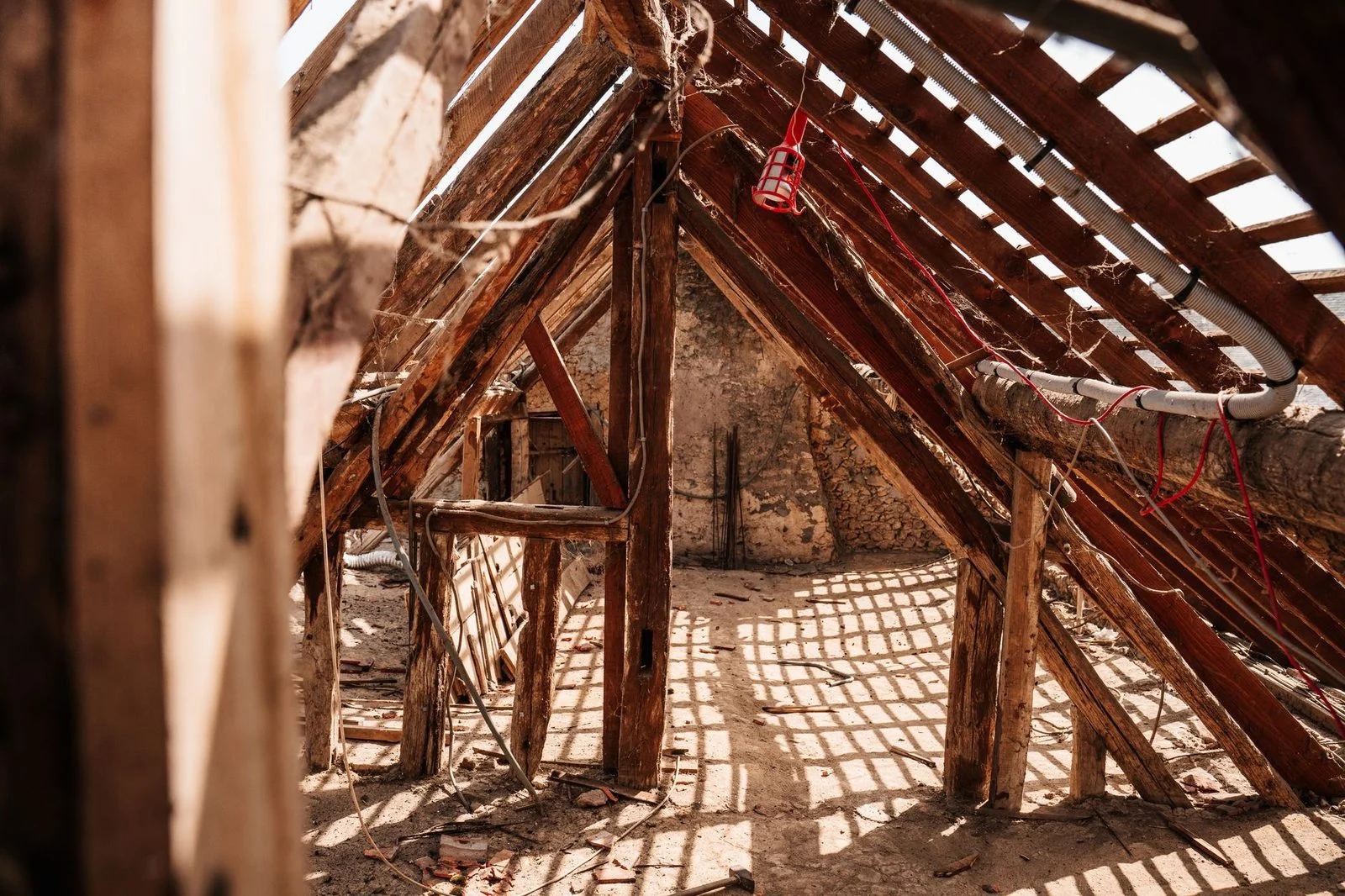
Start With a Free First Consultation
The right next step after a hurricane cracks roof tiles is an on-site look, not a guess from the ground.
ASP Superhome offers a free first consultation that is confidential and comes with no obligation to continue.
Share your photos and notes with our team. We can review your tile roof, flashing, and drip edge, and talk through repair or roof replacement options for your South Florida home. If cracked or lifted tiles showed up after the storm, send us your photos and notes to start the conversation.
Quick Answers
What should I do first after a hurricane cracks roof tiles?
Stay off the roof, keep people clear of the roof edges, and photograph the damage from the ground.
How long do I have to report hurricane roof damage in Florida?
Under Florida law, most property claims must be reported within 1 year of the date of loss. Supplemental claims have an 18-month limit.
Can lifted tiles cause leaks even if they look intact?
Yes. A lifted tile can break the seal that keeps water out, even when it still looks in place.
Safety first
A storm-damaged tile roof can be slippery, unstable, and loose. Do not climb onto the roof or walk on cracked or displaced tiles. Keep family members and pets away from the roof edges and below any hanging or broken tiles.
Your post-storm checklist
1. Stay off the roof
Inspecting the roof from the ground is safer than climbing up. Let a professional handle any closer look once conditions are clear.
2. Document the damage
Take clear photos and video from the ground, including cracked, slipped, or missing tiles, the roof edges, gutters, and any interior water stains. Dated photos help you keep an accurate record.
3. Limit further water entry
Place buckets under active leaks and move valuables away from wet areas. Avoid making permanent repairs before the damage has been documented.
4. Get a professional assessment
A licensed roofing team can tell you whether the tiles can be repaired or whether roof replacement is the better long-term option. ASP Superhome can inspect your roof and walk you through the options.
Why homeowners contact ASP Superhome
Tile roof repair and replacement
We handle cracked and displaced tile repairs as well as full roof replacement when the damage calls for it.
Impact-rated upgrades
Along with your roof, we can discuss impact windows, impact doors, and metal roofing options for future storm protection.
Clear, documented findings
Our team explains what we see on your roof and what it means for your home, so you can make decisions with confidence.
Free first consultation
Our first consultation is free, confidential, and comes with no obligation to continue.
Serving South Florida
We work with homeowners across South Florida and Southwest Florida, from Miami and Kendall to Boca Raton, West Palm Beach, Naples, and Fort Myers.


