


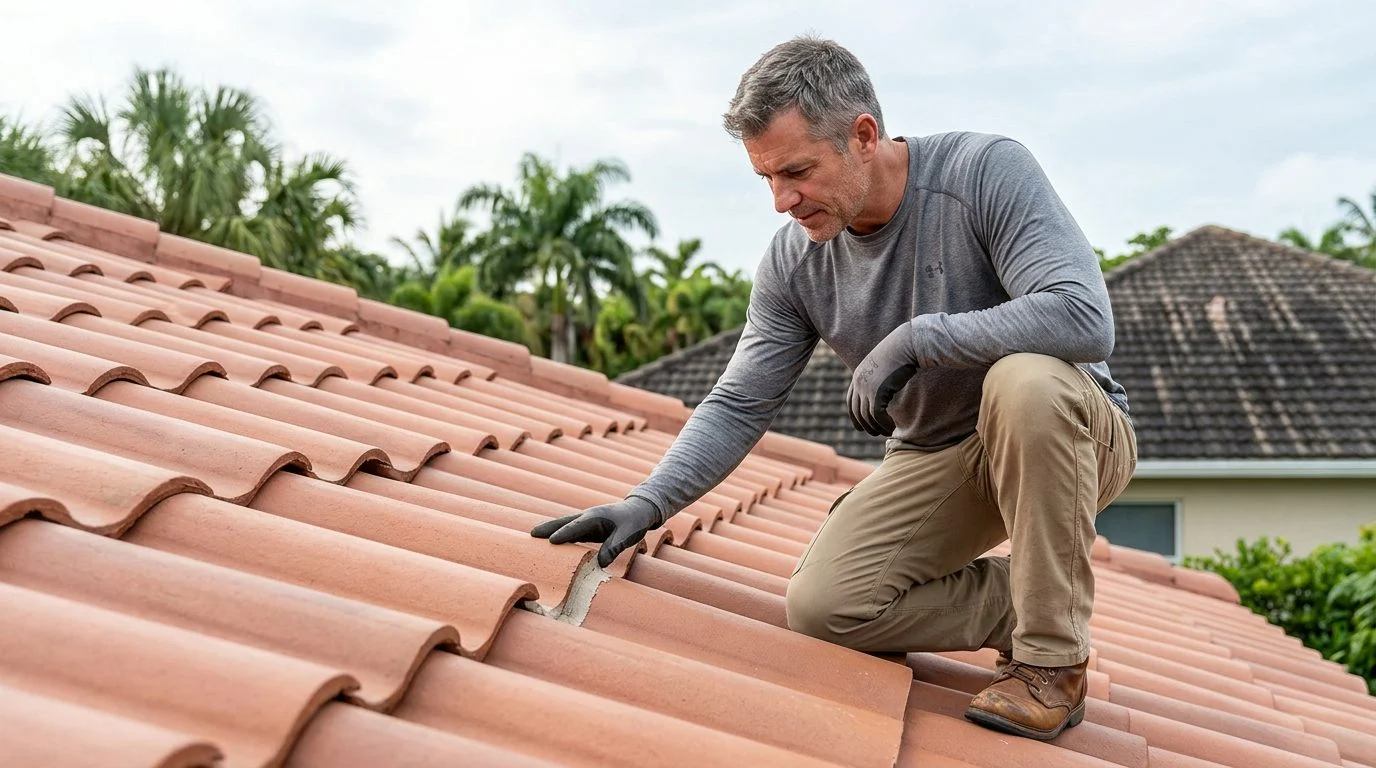
Tile Roofing | South Florida
Dark Streaks on Your Tile Roof? Here's What They Mean
Algae and mold stains are common in South Florida's humidity. Learn how to tell a cosmetic problem from one that points to roof damage.
By Jonathan Rodriguez · Published October 25, 2026
Short answer: do tile roofs grow algae or mold in South Florida?
Yes. Tile roofs in South Florida can grow algae and mold, especially on shaded or north-facing slopes that stay damp. The dark streaks are usually surface algae, not proof that the tile is failing. Growth is mainly a maintenance and moisture issue. Whether it also means damage depends on the tiles and what sits beneath them.
If you’re looking into tile roof algae mold South Florida questions, start here. The most common dark streak comes from Gloeocapsa magma, a blue-green algae that grows on the tile surface. Florida’s heat and humidity keep roofs wet for long stretches, and that gives it what it needs.
Tile itself holds up well. The National Roofing Contractors Association describes clay and concrete tile as durable and notes that it is used in Florida. For a broader overview, see our tile roofing guide for South Florida.
If dark streaks sit beside cracked tiles or a stain on your ceiling, we can look at your roof and help you decide what it needs next. Talk it through with our team — the first consultation is free, confidential, and carries no obligation.
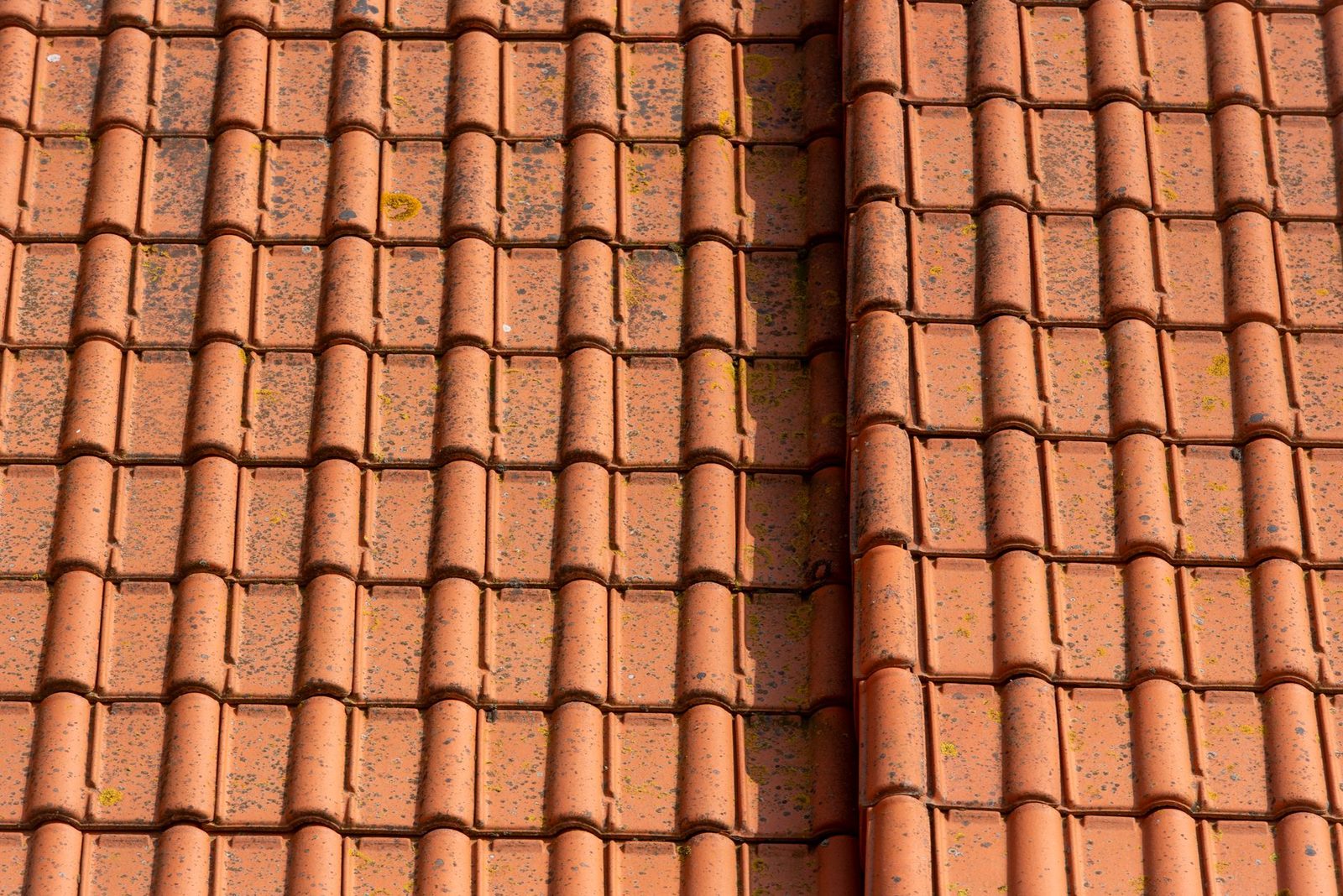
A simple check for dark streaks on your tile roof
Thin, dark lines running down the slope from a ridge or vent usually mean surface growth. A single dark spot on one tile can point to something else, such as a cracked tile or a wet spot below it.
You can start with a check from the ground, using binoculars if you have them. Don’t climb onto a wet or steep tile roof just to look. Focus on four things:
- The pattern. Streaks that run with the slope suggest growth. Isolated spots may point to a tile problem.
- The tiles. Note any cracks, chips, slipped tiles, or missing pieces.
- The inside. Check ceilings and walls for stains. Notice damp insulation or a musty smell near the roof line.
- The location. Heavy growth often sits under trees or on slopes that dry slowly after rain.
Take photos over several weeks. Growth that spreads or returns quickly tells you the moisture problem is still there.
Why algae and mold matter on tile, even when the tiles look intact
Growth holds moisture against the tile surface. That can keep the roof damp longer after a storm, and damp surfaces give algae more time to spread. Growth can also hide small cracks or wear. A dirty surface makes a visual check harder, so a clean, dry roof is easier to read.
Growth alone does not prove the underlayment or roof structure is damaged. It shows the surface needs attention and a closer look. Treat it as a signal to inspect, not as proof of a failing roof. Moisture trapped under growth can matter over time. How much it matters depends on the tile type and the condition beneath the tile.
How to clean algae and mold off tile without damaging the roof
Gentle cleaning protects tile. High-pressure washing can loosen tiles, crack older or fragile tile, and wear away the surface finish. Soft, low-pressure methods are the safer choice. Keep these habits in mind:
- Don’t walk on slick or cracked tile. Stepping on tile is a common cause of breakage.
- Use roof-safe cleaners and follow the label. Harsh products can stain tile and run into gutters, plants, and lawns.
- Pick dry weather. You can check the surface as you clean and spot loose tiles.
- Plan for routine upkeep. Streaks can return in humid months, so cleaning is maintenance, not a one-time fix.
Proper handling matters for tile. The Tile Roofing Industry Alliance publishes installation guides on proper tile-roof practices, so ask whether any cleaning step could disturb the tile or its fasteners.
When the signs point to repair rather than cleaning
Cracked, broken, or displaced tiles, exposed underlayment, or soft spots call for roof repair, not just cleaning. Ceiling stains, damp insulation, or indoor leaks mean the roof should be inspected before the next rain. Waiting gives water more time to reach the structure.
If many tiles are damaged or the roof is aging, you’ll need to weigh repair against replacement. Our guide on when to repair or replace a tile roof walks through that choice. What a roof replacement involves can differ from one property to another, so it helps to have your specific home reviewed before work begins. Our team can explain which code provisions apply to your specific roof replacement during your free, no-obligation consultation. For timing, read about how long tile roof replacement takes.
What to expect from a roof inspection with ASP Superhome
A roof inspection checks the tile condition, the underlayment where it’s accessible, flashing, valleys, and signs of water entry. Flashing is the metal piece around vents, chimneys, and walls, and it is a common leak point. The inspection helps separate surface growth from damage that needs repair.
You’ll know which problem you have before you choose a fix. Every roof is different, so the findings decide the next steps. Our team will explain what we see in plain terms, including what is cosmetic and what needs work.
Cleaning and repair can both be part of the plan. The inspection shows which one fits your roof today.
Not sure what your next step is?
Talk it through with our team — the first consultation is free, confidential, and carries no obligation.
Next step for your tile roof
If dark streaks sit beside cracked tiles or a ceiling stain, you’re past the cleaning question. A person should look at the roof before the next storm season. Our first consultation is consulta inicial gratuita, confidencial y sin compromiso (free, confidential, with no obligation). You can contact ASP Superhome to set it up.
Is algae on a tile roof harmful?
Algae is mainly a surface and moisture concern. Cracks, slipped tiles, or water inside the home point to damage that needs repair.
Can you pressure wash a tile roof in Florida?
High-pressure washing can loosen or crack tile. Use gentle, roof-safe cleaning, and have the roof checked first if you see damage.
Does algae mean my tile roof needs replacing?
Not by itself. The condition of the tiles, the underlayment, and any water entry decides whether repair or replacement makes sense.
Why Homeowners Bring Their Roof to ASP Superhome
Clear answers first
We explain what the staining is and whether it is only surface growth or a sign of a deeper problem.
Gentle, roof-safe cleaning
We focus on methods that protect your tiles, rather than aggressive washing that can crack or loosen them.
Repair or replacement options
If the roof needs work, our team walks you through repair and roof replacement options so you can decide with full information.
Confidential first consultation
Your free first consultation is confidential and comes with no obligation to continue.
Warning: Avoid High-Pressure Washing
Pressure washing can crack tiles, strip protective coatings, and push water under the tile layer. If you see missing, cracked, or slipped tiles, or water stains inside your home, have the roof inspected before any cleaning.
Common Streaks and What They Usually Indicate
Dark black or gray streaks
These often come from algae or mold growing on the tile surface in humid, shaded areas. They are usually a cleaning and maintenance concern.
Green or fuzzy patches
Moss and organic growth hold moisture against the tile. Left alone, they can trap water and speed up wear on the roof surface.
Chalky or uneven discoloration
Changes in the tile surface can point to weathering or moisture movement. An inspection helps confirm whether the finish or the tile itself is affected.
Stains with cracks, leaks, or loose tiles
Streaks combined with structural signs, such as cracked tiles, slipped tiles, or ceiling water stains, usually mean the roof needs repair.
Not Sure What Those Streaks Mean? Let Us Take a Look. Your Free First Consultation Is Confidential and Comes With No Obligation.
Related practice areas
- Why Do Roof Tiles Break in a Hurricane? South Florida


