


Tile Roofing | South Florida
Do Tile Roofs Need to Be Cleaned?
A practical guide to tile roof upkeep for South Florida homes, from algae and debris to the cleaning methods that protect your roof.
By Jonathan Rodriguez · Published October 26, 2026
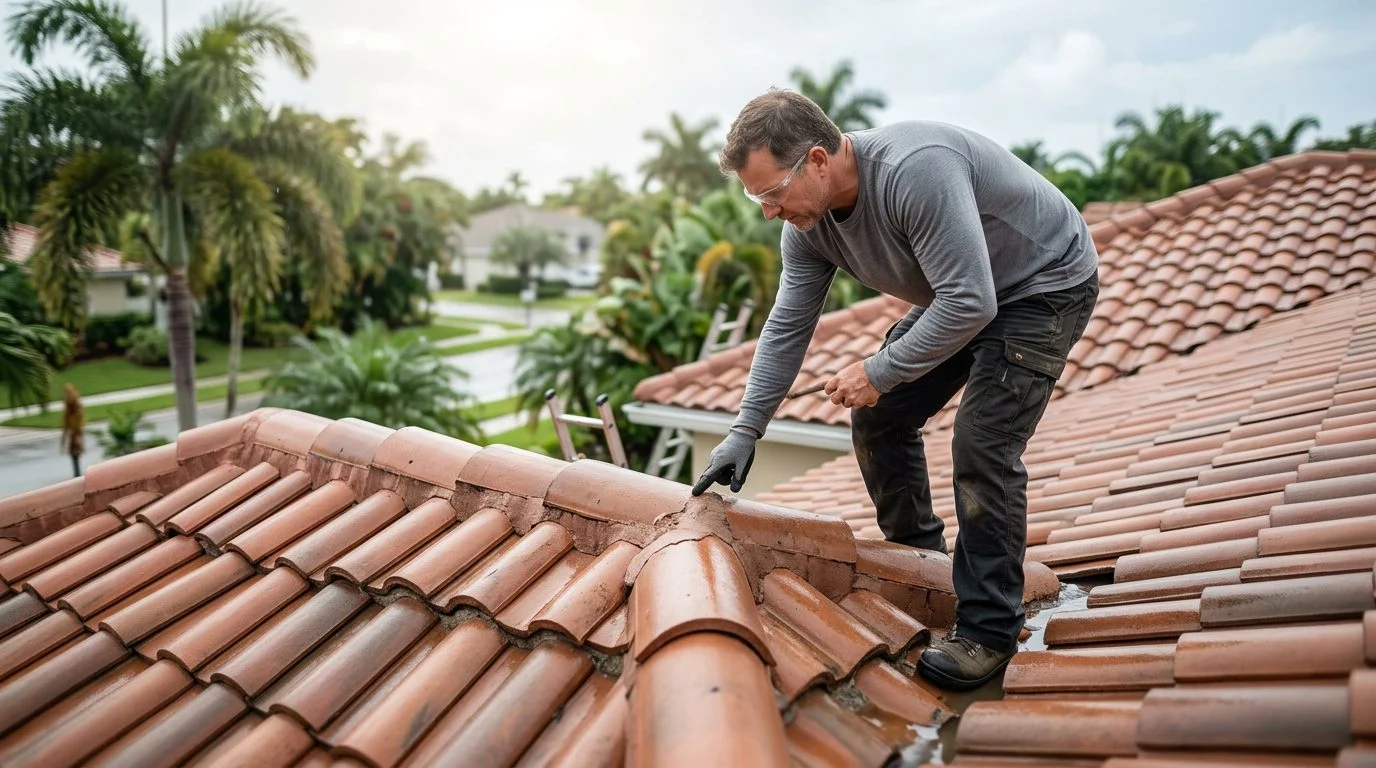
Do tile roofs need to be cleaned? Not on a fixed schedule. Still, algae, moss, and debris are common in South Florida’s humid, tree-lined neighborhoods, so periodic cleaning is a normal part of upkeep. This guide explains what builds up, what cleaning can damage, how the work is done, and what shapes the cost. For the broader picture, read our tile roofing overview.
Short answer: do tile roofs need to be cleaned?
Tile roofs do not need cleaning on a fixed schedule, but periodic cleaning is a normal part of upkeep. Build-up is common enough in South Florida that most owners will face it sooner or later. It helps to separate two goals. Cleaning for appearance removes stains and green growth from the surface. Cleaning for roof health means checking that tiles are sound and that water can run off freely.
The two goals are different. A clean roof can still have a cracked tile, and a dirty roof can still be sound. That is why cleaning and a condition check work best together. According to the NRCA roofing materials guidance, clay and concrete tile is durable and is used in Florida. Durable material still needs a look now and then, because weather and growth act on the surface over time.
If you're looking after a tile roof you didn't plan to maintain, we can help you sort out what you're seeing. Contact us for a free, confidential first consultation with no obligation to continue. Talk it through with our team — the first consultation is free, confidential, and carries no obligation.
What builds up on tile roofs in South Florida?
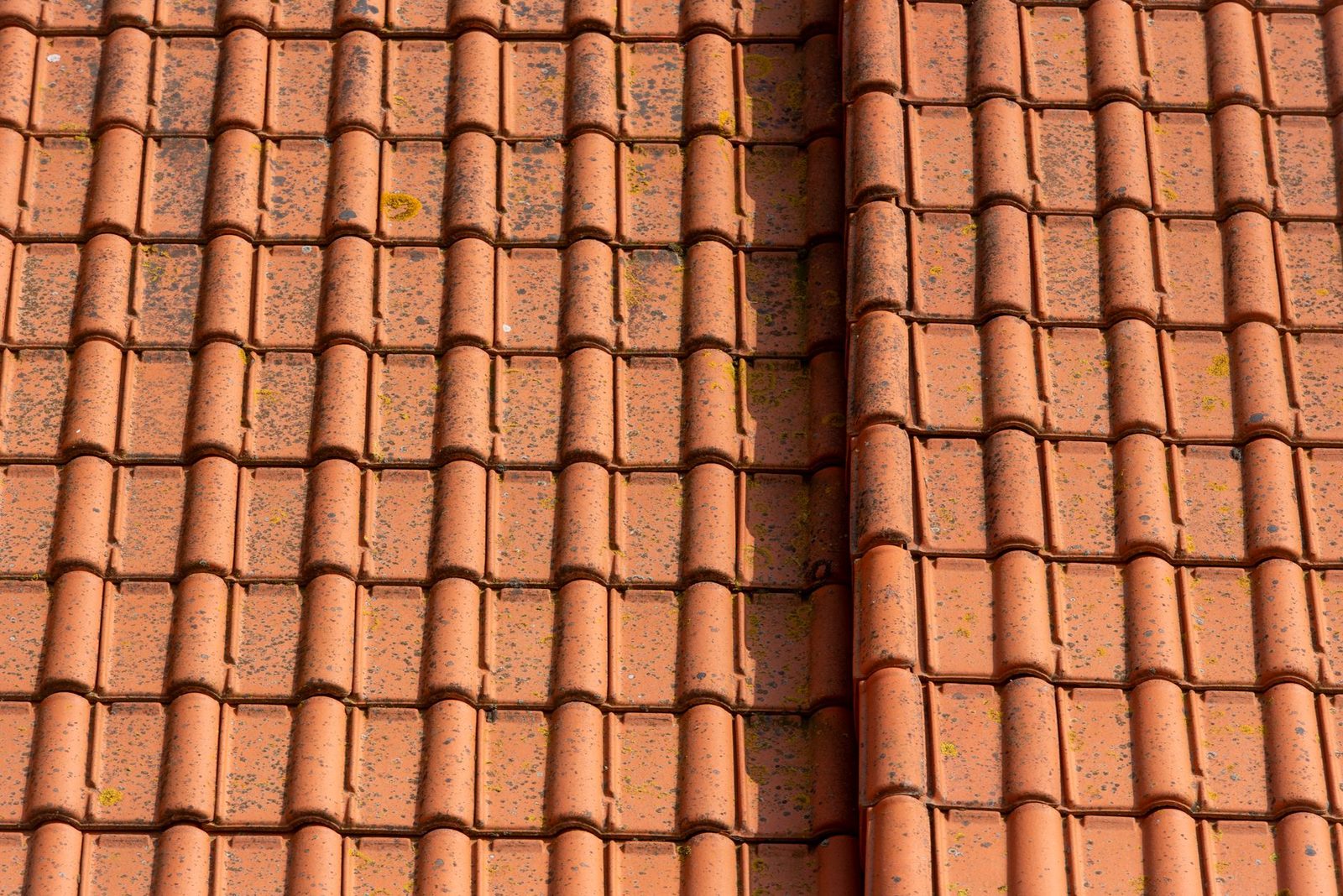
Algae is a frequent build-up. It shows up as dark streaks and thrives in the warm, humid weather that South Florida gets much of the year. Moss and lichen settle in shaded spots, especially under overhanging trees. Leaves, pine needles, and windblown debris collect in valleys and along ridges, where water already slows down. Homes closer to the coast also pick up dust and salt-air residue.
Build-up matters for a few reasons. It can hide a crack or a loose tile from view. It can also hold moisture against the surface longer than water would otherwise sit. Neither problem is always obvious from the street. Trimming branches that shade the roof can slow moss growth and keeps debris from falling onto it. A close look during cleaning is worth the time.
Can cleaning harm a tile roof?
Yes, the wrong method can. High-pressure washing can crack or chip tiles. It can also knock tiles out of place and push water underneath them. Hard scrubbing does similar damage. Gentle, low-pressure methods are the safer choice for most tile roofs.
Walking on tile is its own risk. Tiles can break under a foot, and roofing work carries serious fall hazards. OSHA publication 3755 documents those hazards in roofing work. A homeowner doing a rooftop job alone faces the same breakage and fall risks.
Installation matters too. The Tile Roofing Industry Alliance installation guides cover proper tile-roof installation practices and code requirements. Good installation and gentle care work together to protect the roof.
Cleaning is also a good time to look for cracked, slipped, or missing tiles. Note what you see so a repair assessment can follow. For how repair costs are estimated, read our repair cost guide.
How are tile roofs cleaned, and what do professionals use?
Professionals usually clean tile with soft brushes, low-pressure rinsing, and cleaning solutions made for roof surfaces. Manual work is preferred over high-pressure equipment on tile. Good crews also protect nearby landscaping and gutters during the job, since runoff passes through them.
Many crews begin with an inspection. That lets them spot cracked or slipped tiles before any water touches the roof. The work is also more careful when the crew knows where the weak spots are.
Cleaning fits best into a regular maintenance routine. Waiting for heavy growth means harder scrubbing and more risk to the tiles. Planning cleaning ahead of time is easier on the roof than a rescue job.
What drives the cost of tile roof cleaning?
Cost depends on the roof and the job. The main factors are roof size, pitch and height, how much growth or debris is present, and how easy the roof is to reach. Steep or tall roofs take more time and safety gear. Heavy growth takes longer to remove than light dust.
Scope changes the price too. Cleaning paired with a condition check or minor repairs covers more work. Contact ASP Superhome for a free first consultation, which is confidential and comes with no obligation to continue. A missing line item can explain a big gap in price.
A written estimate for your specific home gives the most accurate figure. It accounts for the pitch, access, and condition of your actual roof.
When should you get help with a tile roof?
If you are caring for a relative’s home or checking a roof after storm season, start with a plain look from the ground. Note stains, green growth, cracked or slipped tiles, and water marks near valleys. Those notes give you a clear starting point if you decide to get help.
Roof age also matters in Florida. For a roof 15 years or older, the homeowner may have an inspection by an authorized inspector, at their own expense, before the insurer requires replacement as a condition of the policy. Read more in our 15-year roof rule guide.
Do tile roofs need to be cleaned in South Florida?
Not on a fixed schedule. Cleaning is normal upkeep when algae, moss, or debris builds up.
Is pressure washing safe for tile roofs?
High-pressure washing can crack tiles and push water underneath them. Gentle, low-pressure methods are the safer choice for most tile roofs.
Does roof age affect homeowners insurance in Florida?
Yes. Florida law sets a 15-year mark, and an inspection can matter for roofs that age.
If you’re looking after a tile roof you didn’t plan to maintain, we can help you sort out what you’re seeing. Contact ASP Superhome to talk it through. The first consultation is free, confidential, and carries no obligation to continue.
Warning: Avoid High-Pressure Washing
High-pressure washing can crack tiles and push water underneath them, which can lead to leaks. If your tile roof needs cleaning, ask for a gentle, low-pressure approach.
Signs Your Tile Roof May Need Attention
Algae or Moss Growth
Dark streaks or green patches can build up in humid South Florida weather and may hold moisture against the tiles.
Debris Between Tiles
Leaves, branches, and dirt can collect in valleys and gaps, trapping water where it should drain.
Loose or Cracked Tiles
Tiles that shift, crack, or slide out of place can allow water to reach the underlayment.
Leaks or Water Stains
Stains on ceilings or walls can signal a problem that needs a closer look, not just a cleaning.
How ASP Superhome Can Help
Tile Roofing
Installation and support for tile roofs designed for South Florida's climate.
Roof Repair
Targeted repairs for cracked, loose, or damaged tiles and areas where water may be getting in.
Roof Replacement
Full replacement options when repairs are no longer the best path for your home.
Free First Consultation
A confidential, no-obligation first consultation to talk through your roof and your options.


